Country: Yugoslavia
Collection of geopolitical papers, conflicts, and diplomatic crises involving Yugoslavia.
Published Chronicles & Analyses
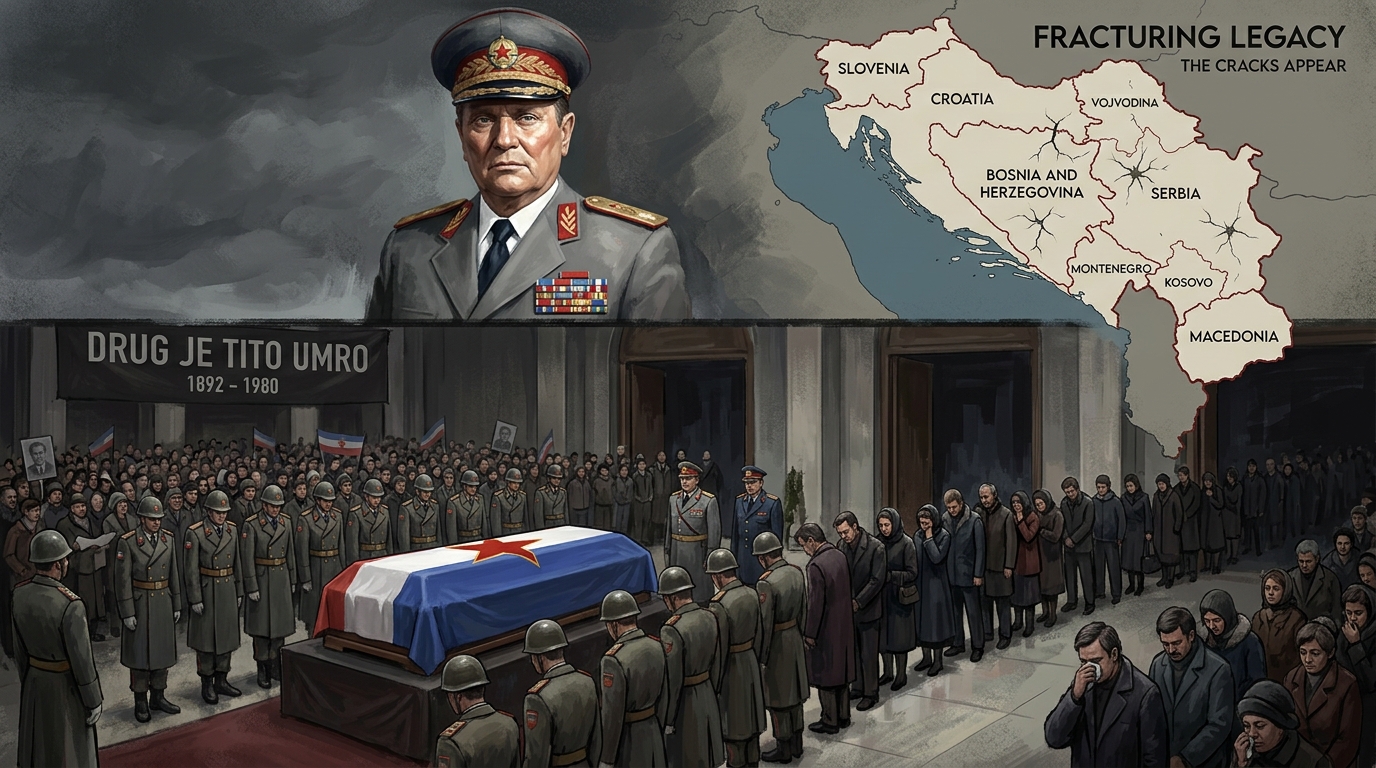
The Death of Tito in 1980: The Beginning of the End for Yugoslavia
The passing of Yugoslavia's lifetime president, the end of the Non-Aligned golden era, and the beginning of the economic and political collapse.
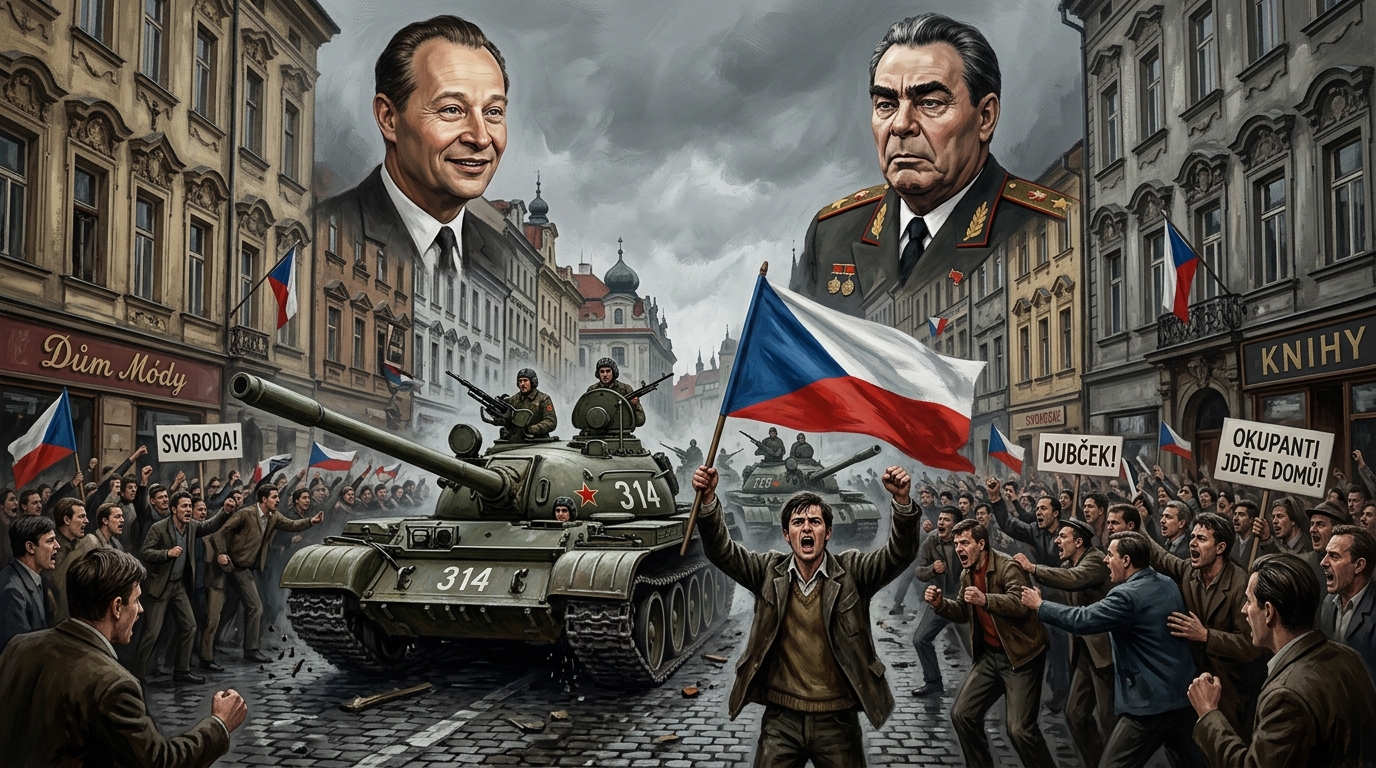
The Prague Spring of 1968: The Warsaw Pact Invasion of Czechoslovakia
The attempts to reform socialism ('socialism with a human face') in Czechoslovakia and Moscow's brutal response by sending Warsaw Pact troops.
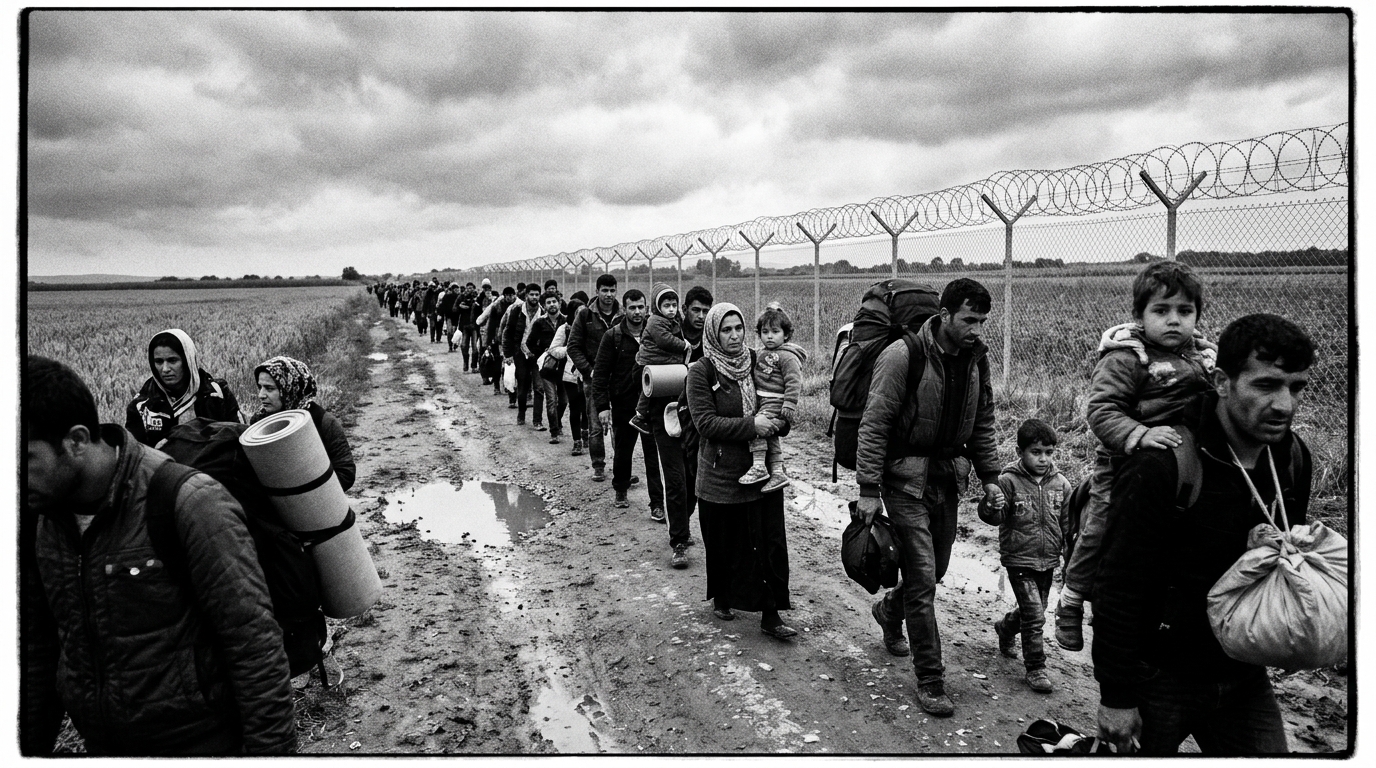
The 2015 European Migrant Crisis: A Million Refugees Seek Asylum
An in-depth analysis of the 2015 European Migrant Crisis, detailing its complex origins in regional instability, the collapse of EU asylum frameworks, Chancellor Merkel's pivotal 'Wir schaffen das' decision, the profound geopolitical realignment within the EU, the rise of nationalist movements, and the lasting socio-economic challenges of integration.
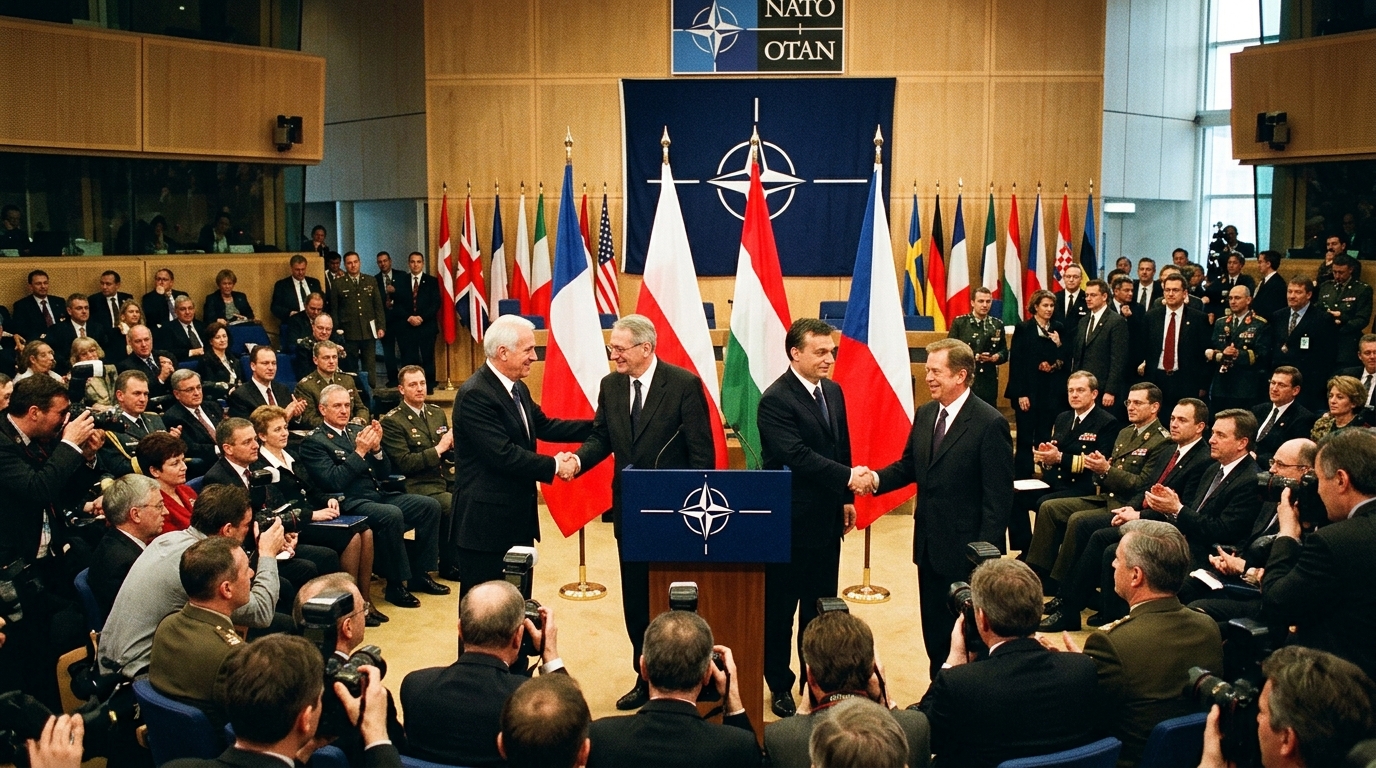
First Eastern Enlargement of NATO 1999: Advancing Toward Russian Borders
The admission of Poland, Hungary, and the Czech Republic into NATO, reshaping European security and drawing strong objections from Moscow.
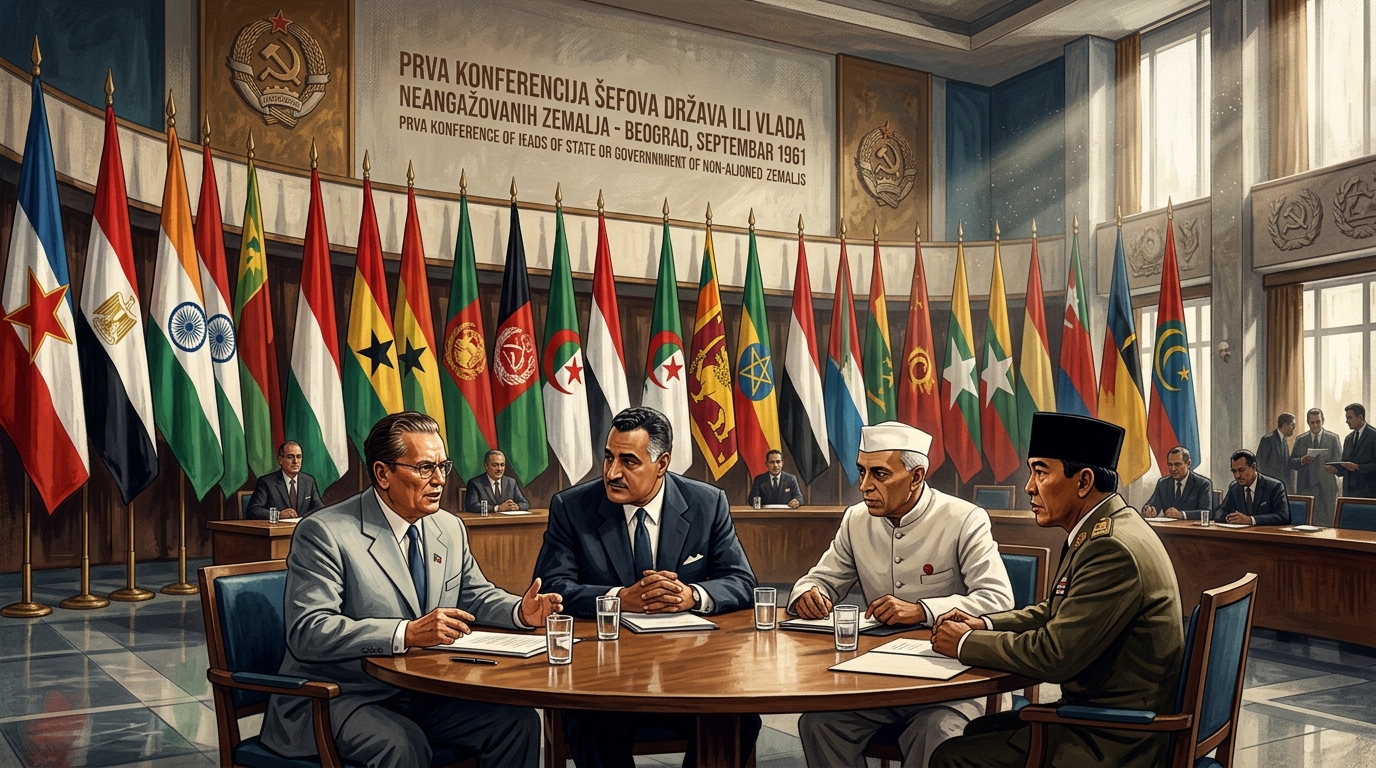
The Belgrade Conference of 1961: Founding the Non-Aligned Movement
The historic summit in Belgrade where 25 nations offered an alternative to the bloc division of the world, creating the Non-Aligned Movement.
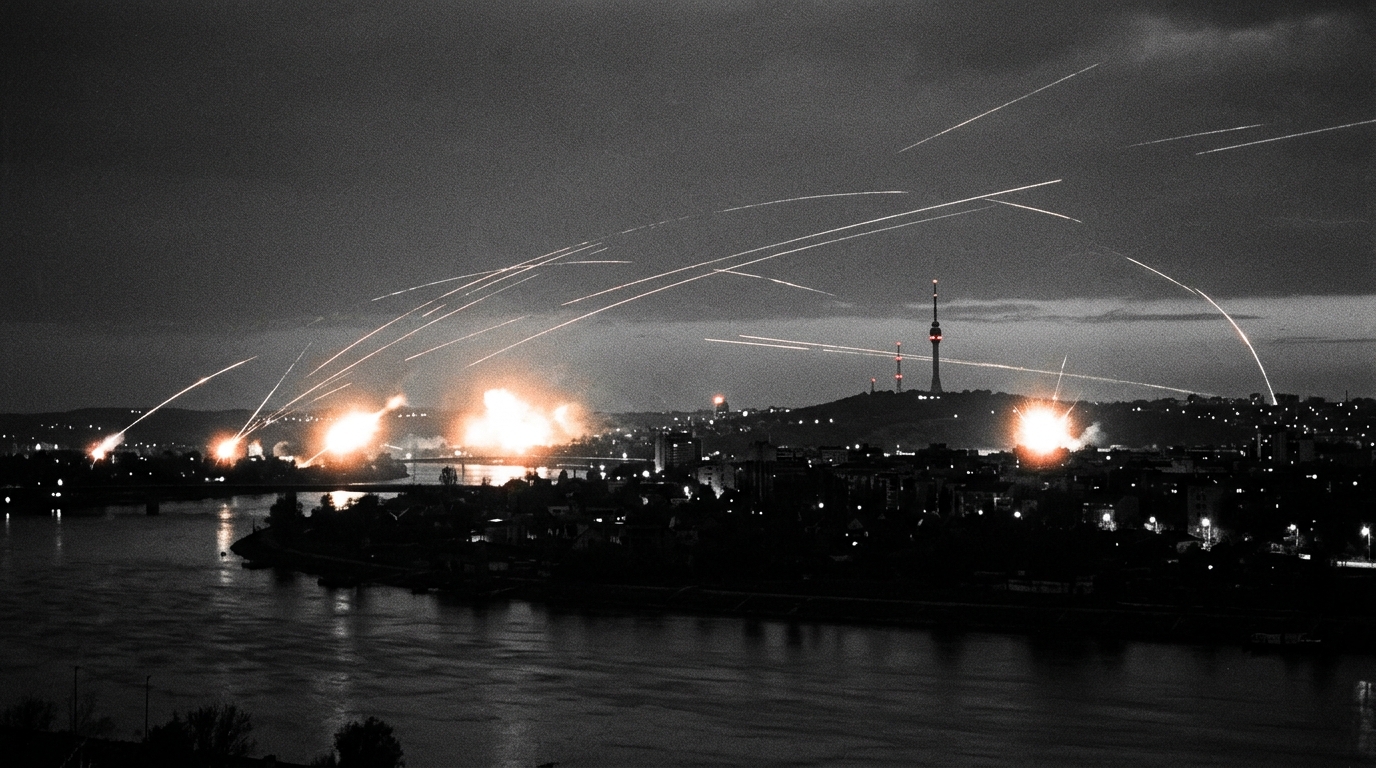
The 1999 NATO Bombing of Yugoslavia: A Humanitarian Intervention Without UN Approval
Operation Allied Force: 78 days of air strikes against SR Yugoslavia, leading to the Kumanovo Agreement and UN administration of Kosovo.
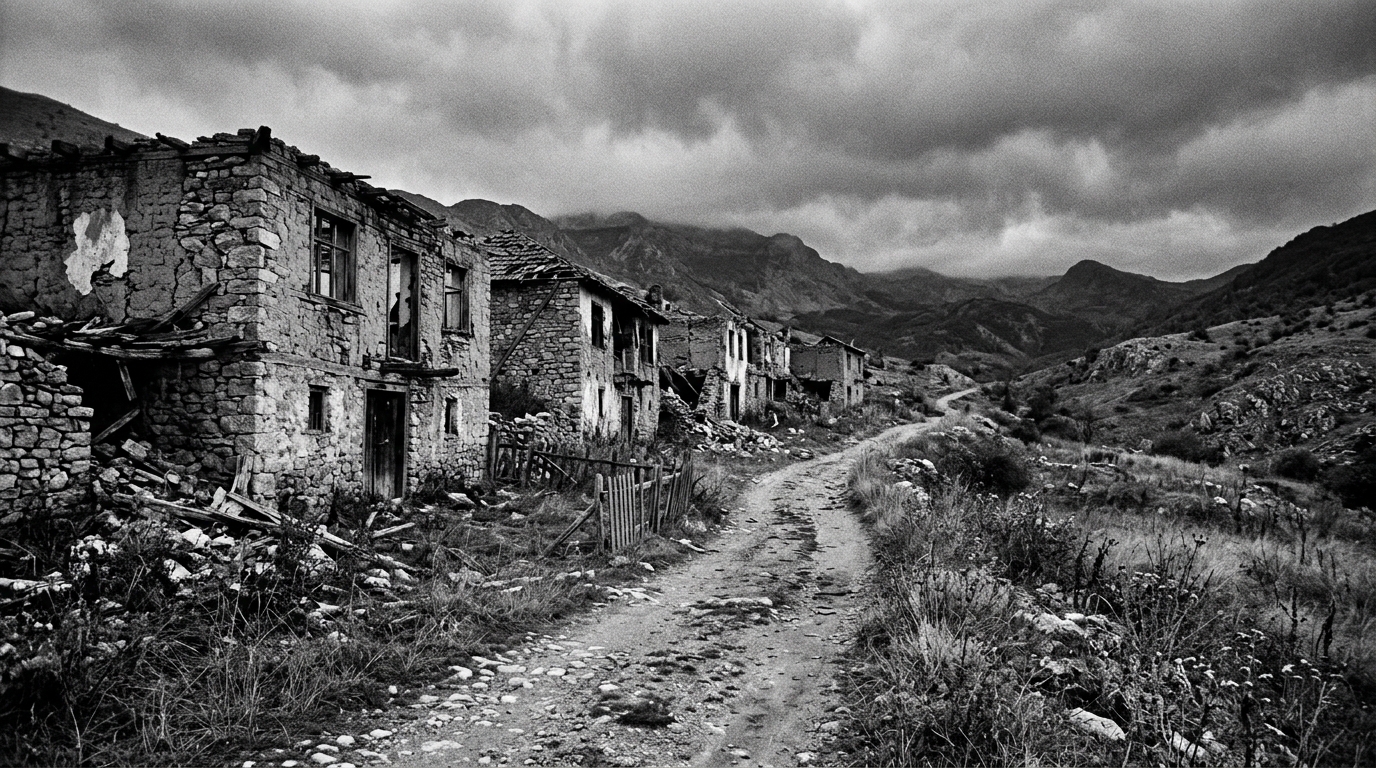
The Kosovo Conflict of 1998: KLA Guerilla Operations and Serbian Reprisals
A comprehensive analysis of the complex escalation of guerilla clashes in Kosovo and Metohija in 1998, leading to major military actions, profound humanitarian crises, and pivotal Western diplomatic and military intervention, examining its historical roots, key actors, and enduring geopolitical legacy.
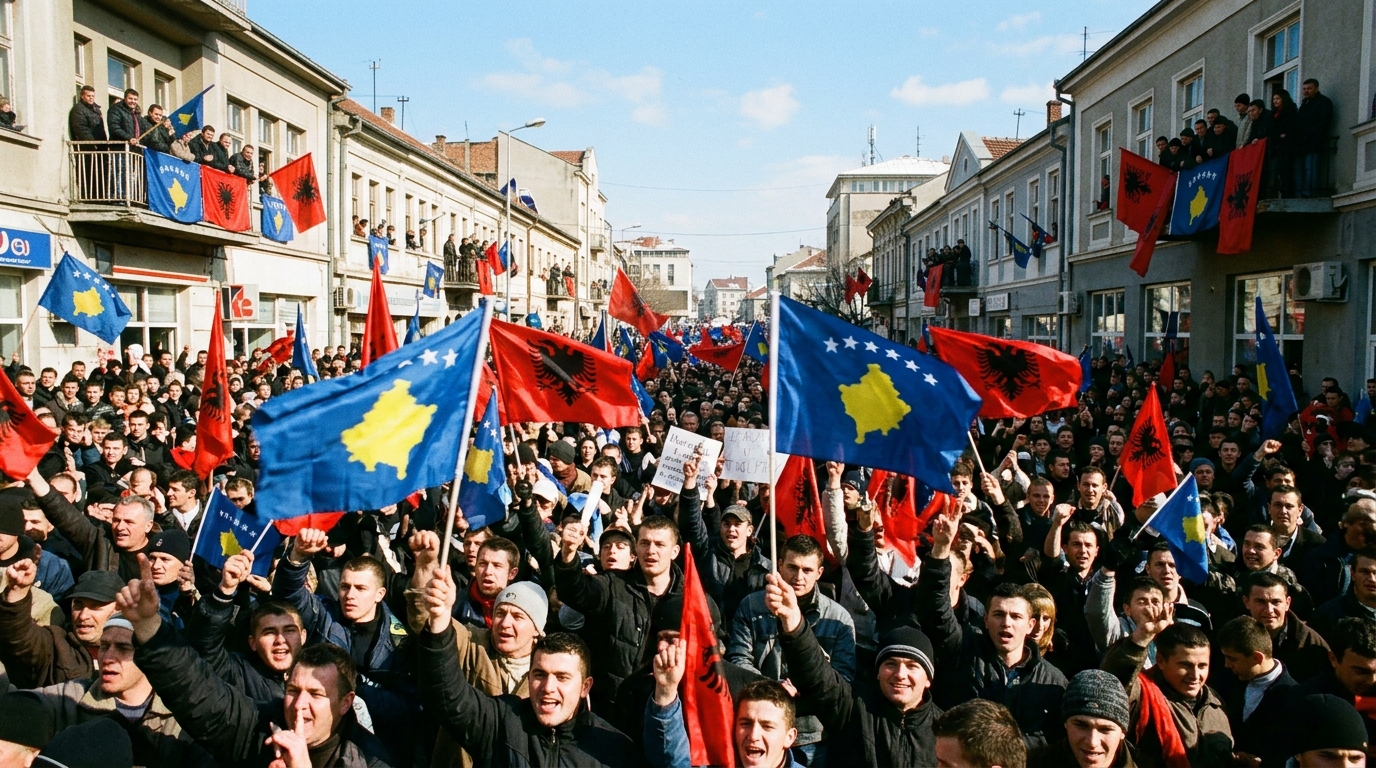
The 2008 Kosovo Declaration of Independence: Geopolitical Dispute
An in-depth analysis of the 2008 Kosovo declaration of independence, exploring its deep historical roots, the complex diplomatic failures, profound geopolitical ramifications, and its lasting impact on international law and state-building in the Balkans. It delves into the interplay of ethno-nationalism, great power rivalries, and the contentious principle of remedial secession.
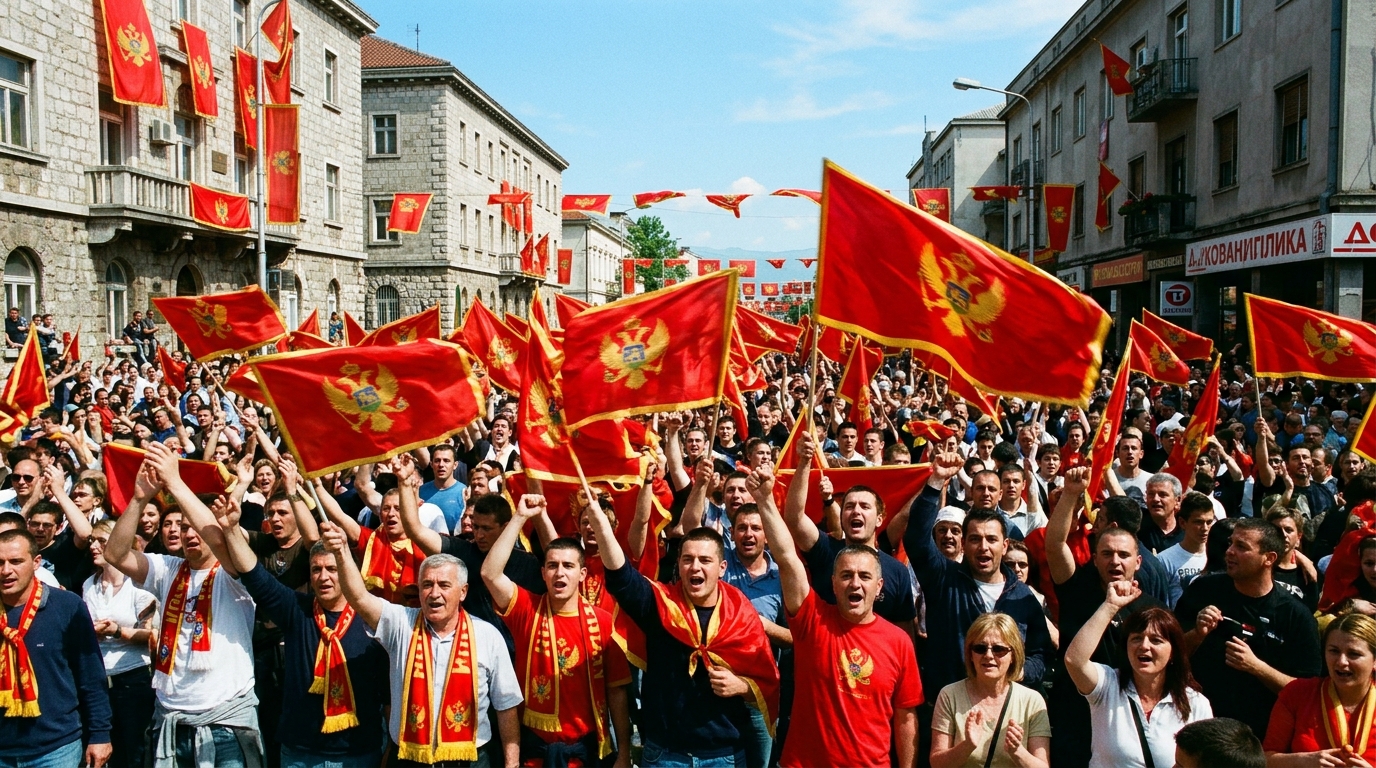
The 2006 Montenegro Independence Referendum: The Quiet Dissolution of SCG
An in-depth analysis of the EU-monitored referendum that delivered Montenegro's independence, meticulously exploring its historical context, key actors, geopolitical implications, and enduring legacy, concluding the final act of Yugoslav dissolution.
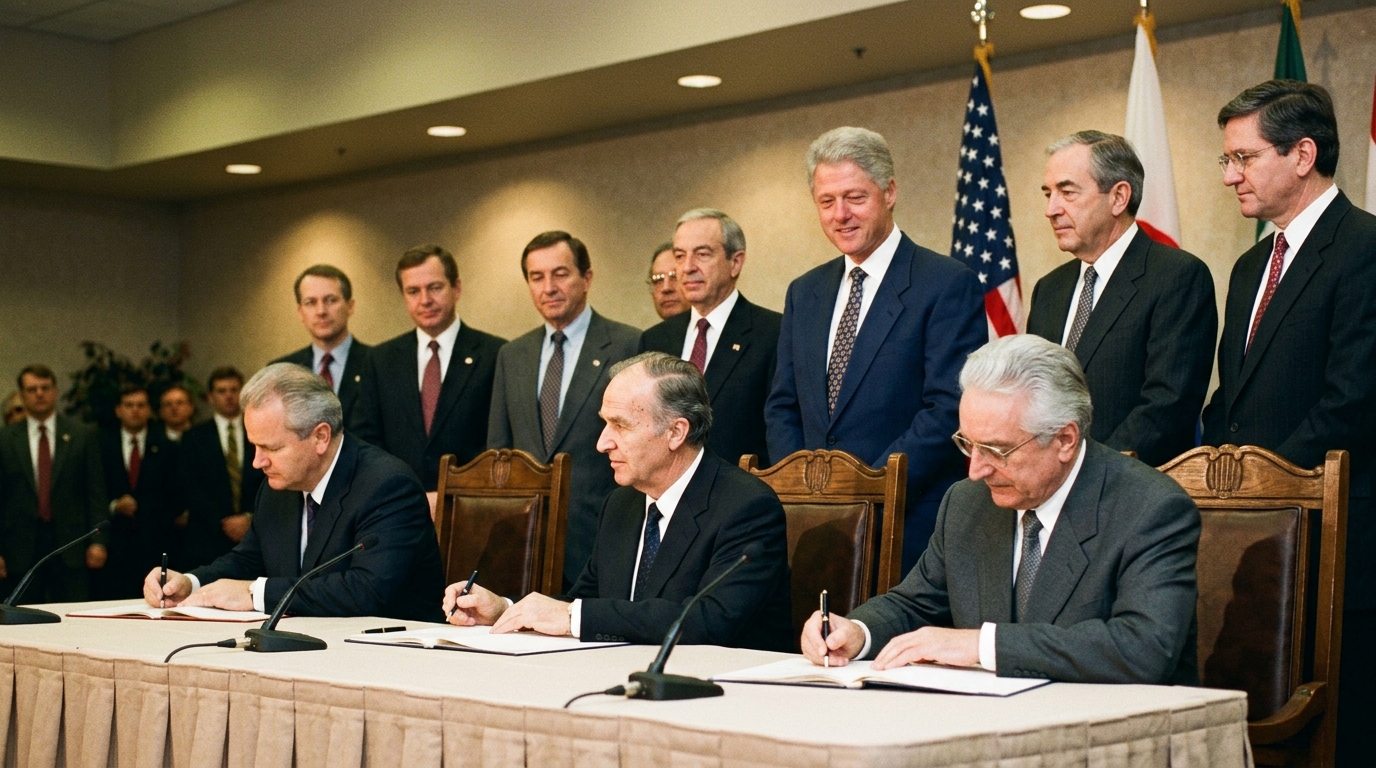
The Dayton Peace Agreement of 1995: The Architecture of Post-War Bosnia
Protracting negotiations in Dayton, Ohio, that stopped the war, dividing Bosnia into two highly autonomous entities.
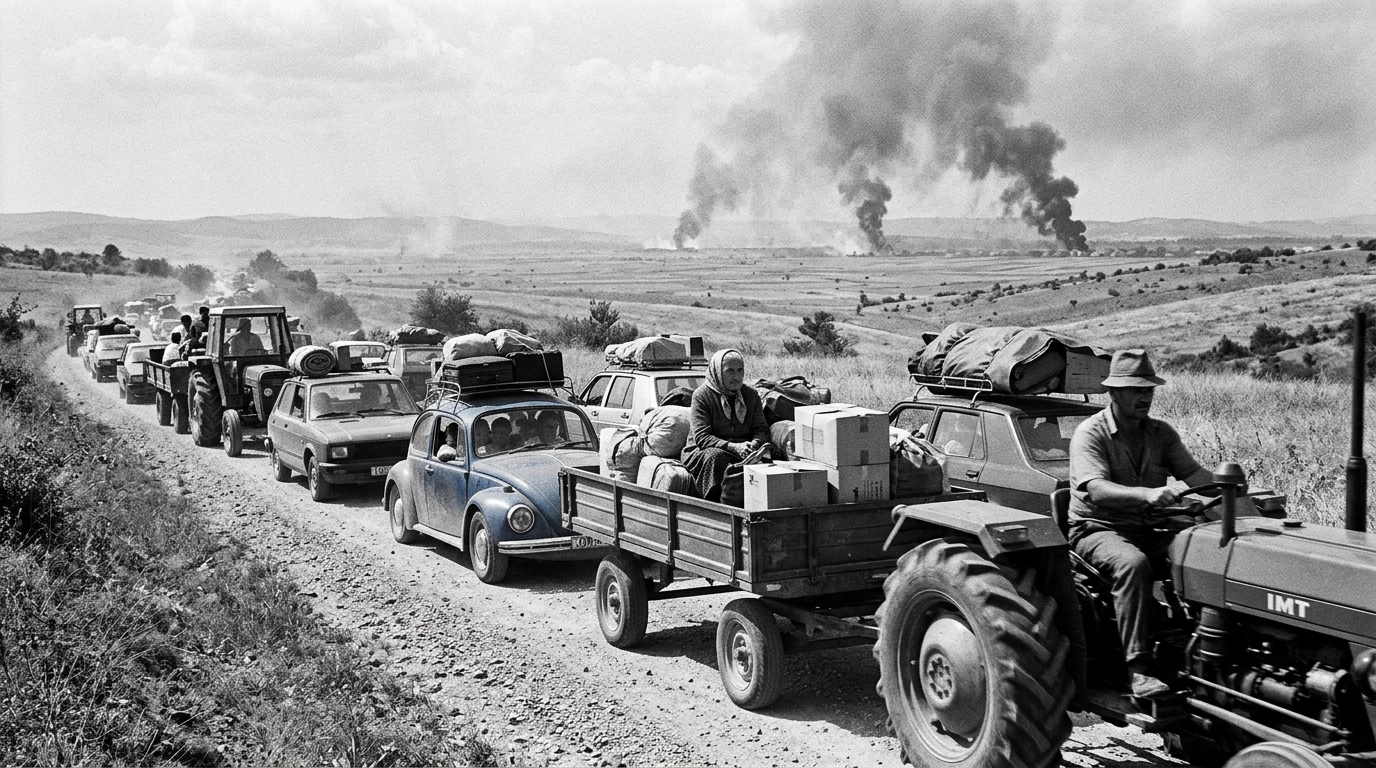
Operation Storm 1995: The Fall of Serbian Krajina and Mass Displacement
Croatia's decisive military offensive that dissolved the Republic of Serbian Krajina, triggering the flight of over 200,000 Serbs.
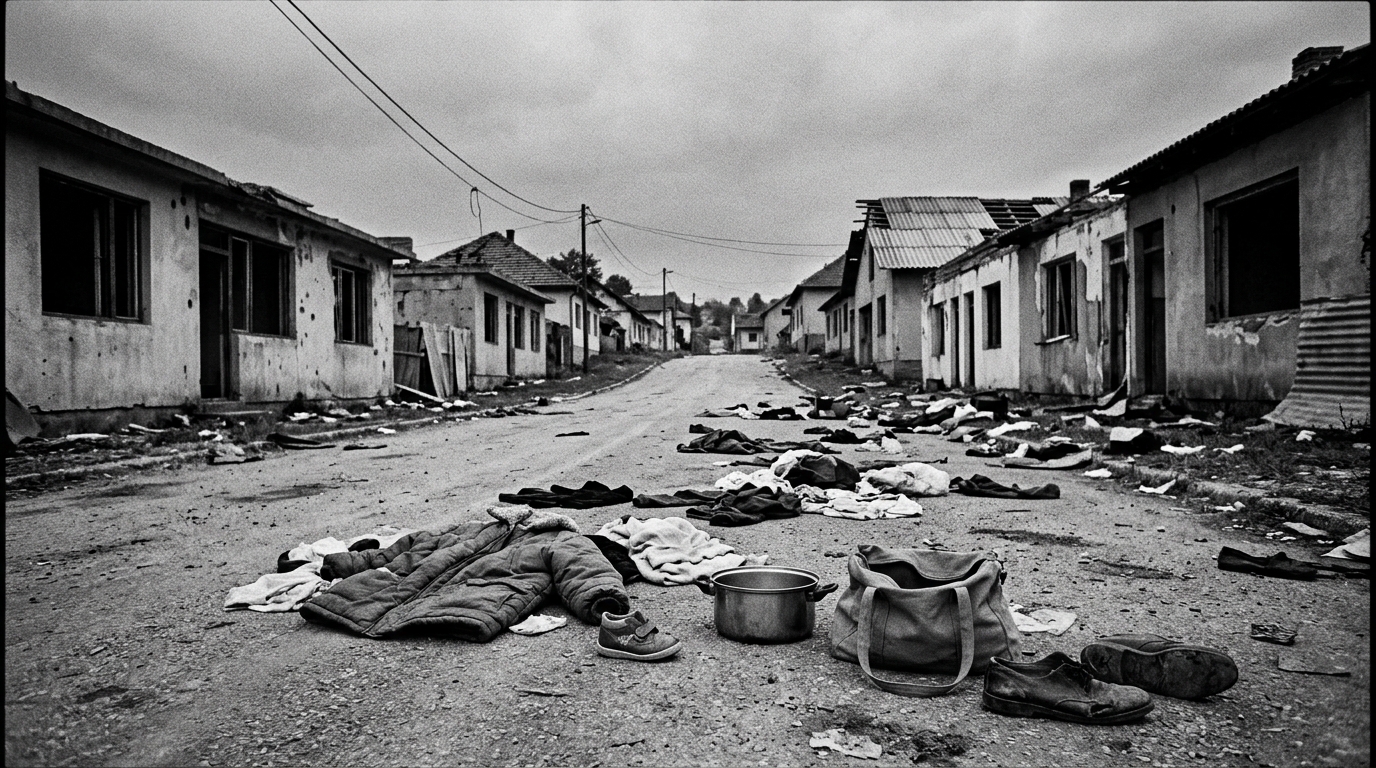
The Srebrenica Massacre of 1995: Tragedy Under UN Protection
The fall of the UN safe area in July 1995, the systematic killing of over 8,000 Bosniak men and boys, and the geopolitical fallout for Bosnia.
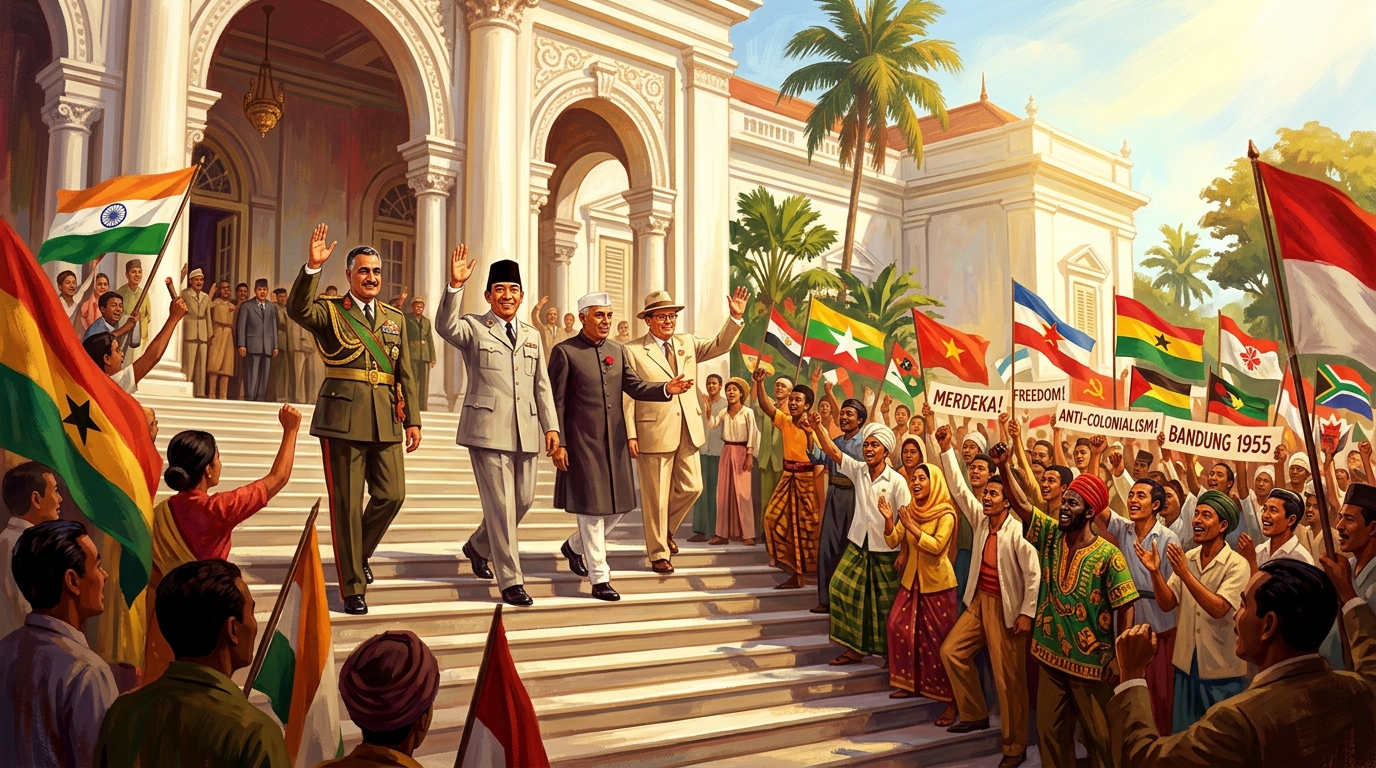
The Bandung Conference of 1955: The Awakening of the Third World
The historic gathering of Asian and African leaders in Indonesia that laid the foundations of anti-colonialism and the Non-Aligned Movement.
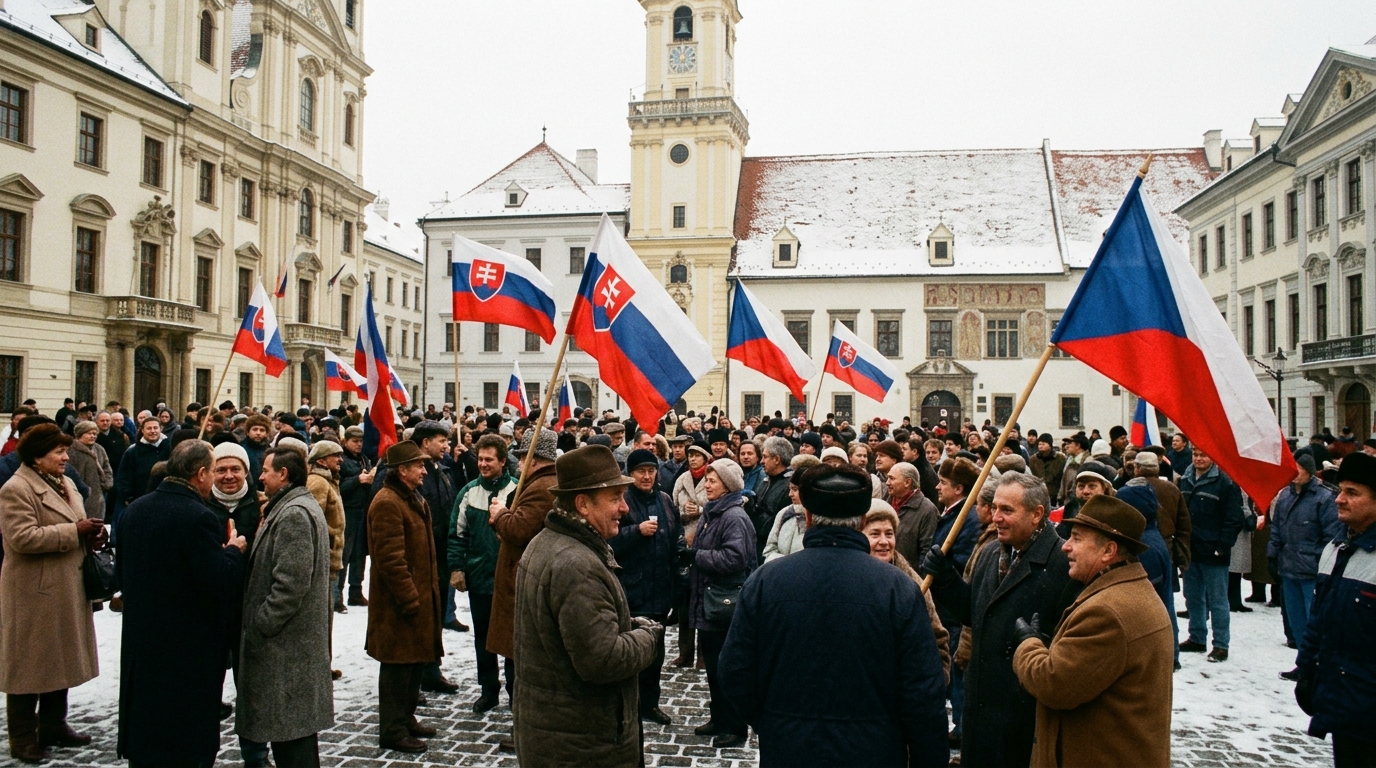
The Velvet Divorce 1993: The Peaceful Separation of Czechoslovakia
A model case of a peaceful and democratic split of a federation in Eastern Europe without a single shot fired.
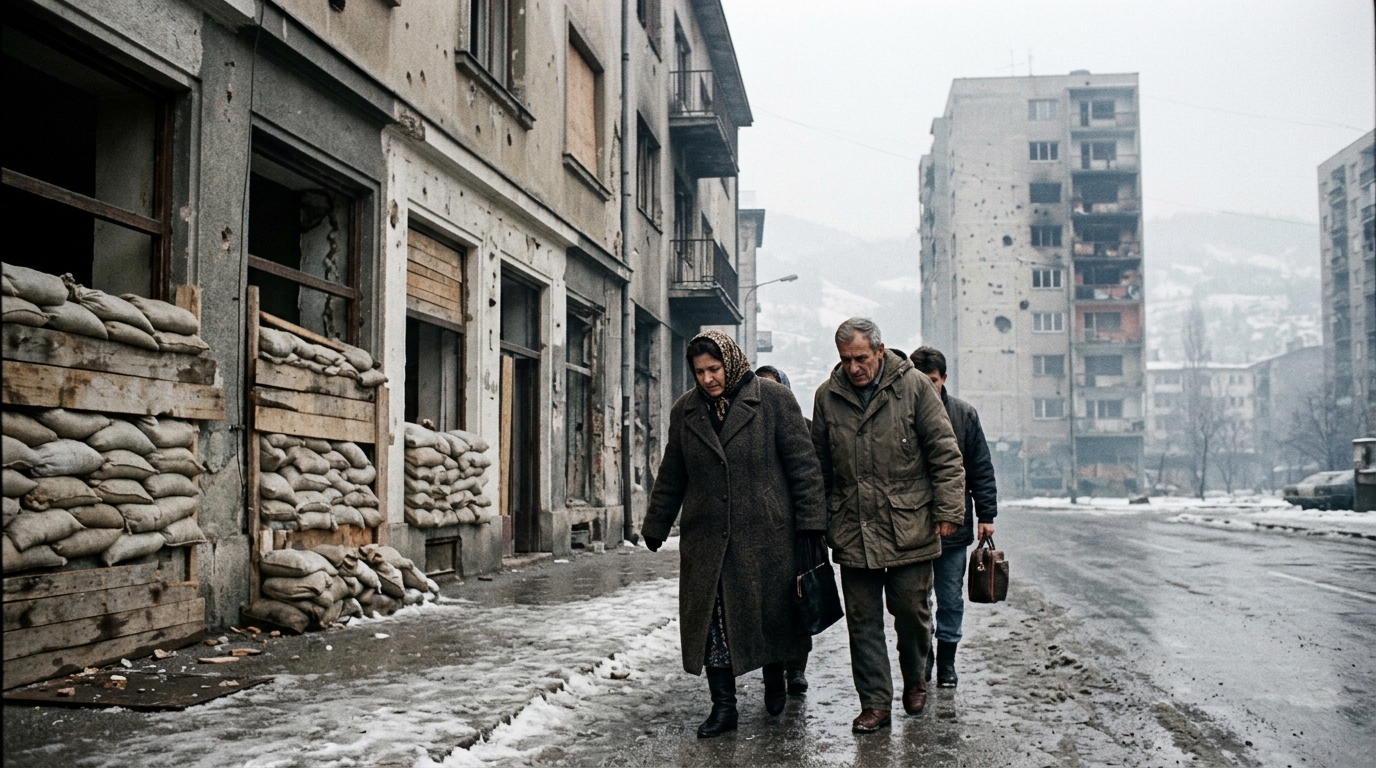
The Outbreak of the Bosnian War in 1992: The Siege of Sarajevo
An in-depth analysis of how the Bosnian independence referendum of March 1992 triggered the bloodiest three-year conflict in Europe since WWII, culminating in the devastating Siege of Sarajevo and its profound geopolitical legacy.
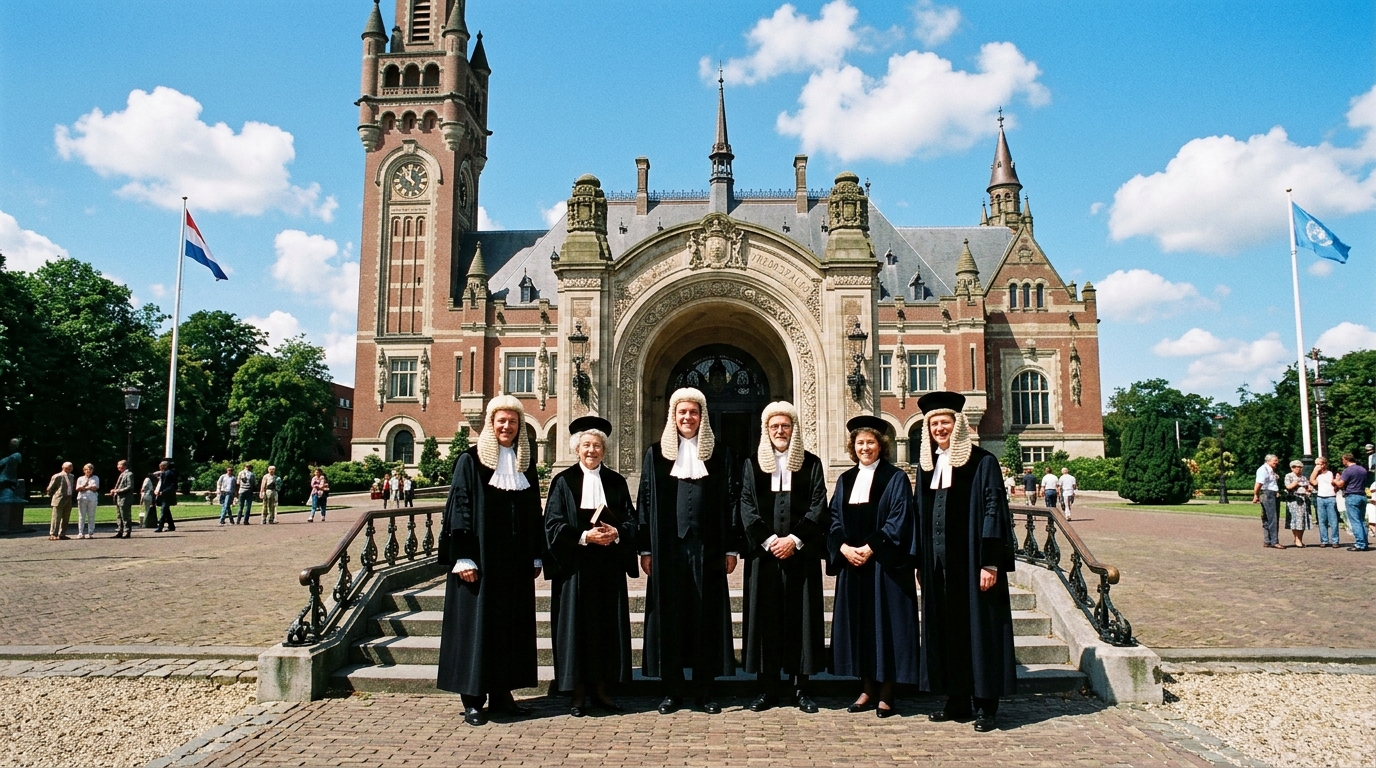
Founding the International Criminal Court 2002: Prosecuting Global Crimes
The entry into force of the Rome Statute in 2002, establishing the first permanent court for genocide, crimes against humanity, and war crimes, marked a transformative moment in international law, despite significant geopolitical opposition from the United States and ongoing debates about its jurisdiction and effectiveness.
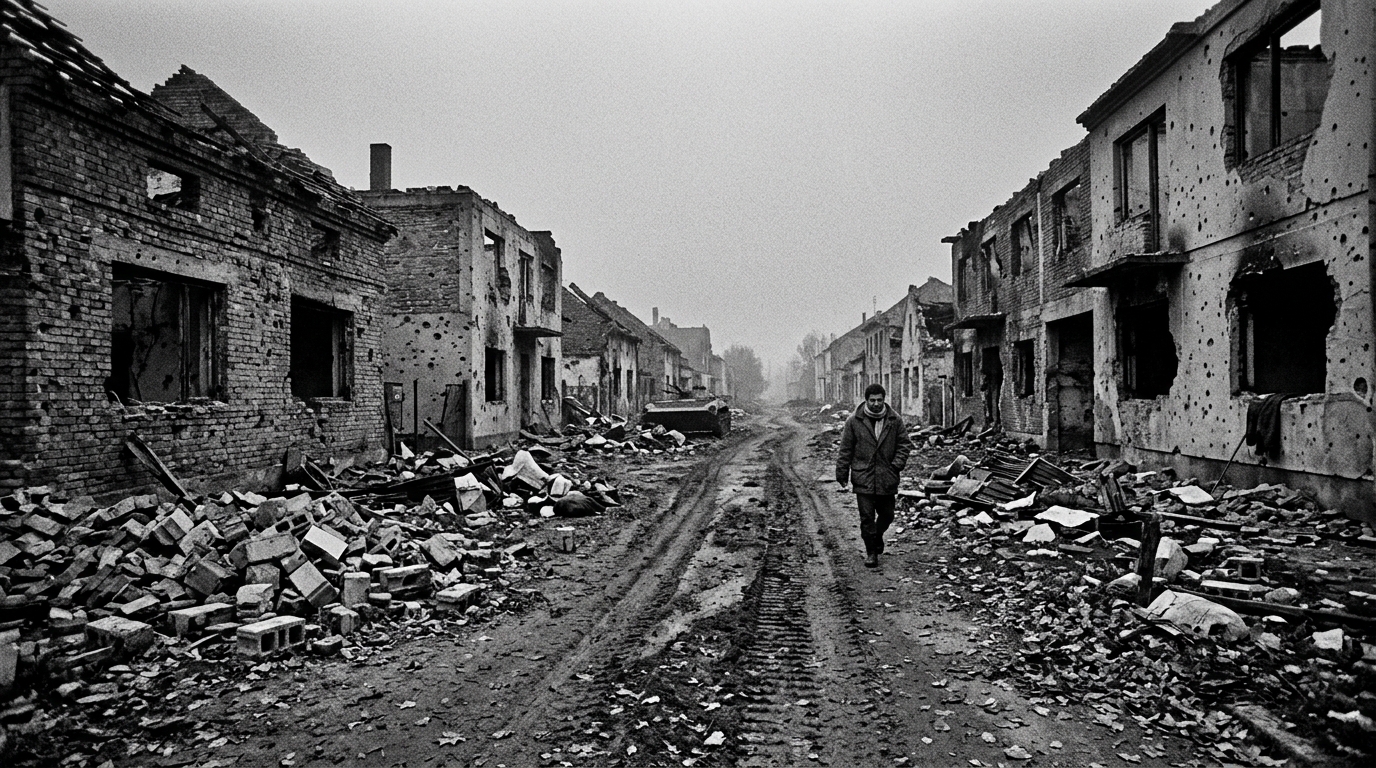
The Croatian War of Independence 1991: The Siege of Vukovar
An analysis of the outbreak of war in Croatia, the brutal three-month siege and fall of Vukovar, and the establishment of UN protected zones.
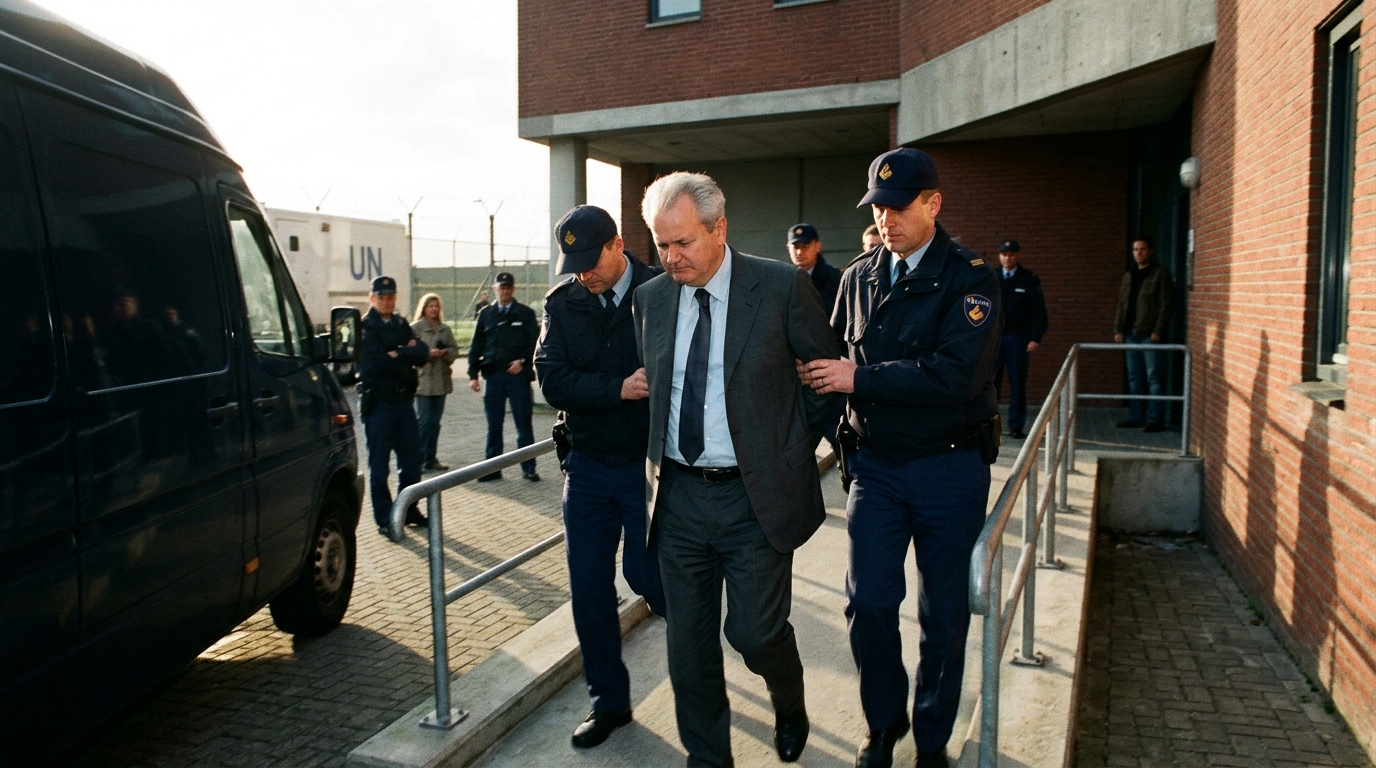
The Extradition of Slobodan Milosevic to The Hague: A Legal Milestone
The arrest and dramatic transfer of the former president to the ICTY on Vidovdan 2001, triggering a political crisis in Yugoslavia, marked a pivotal moment in international justice and post-conflict transition.
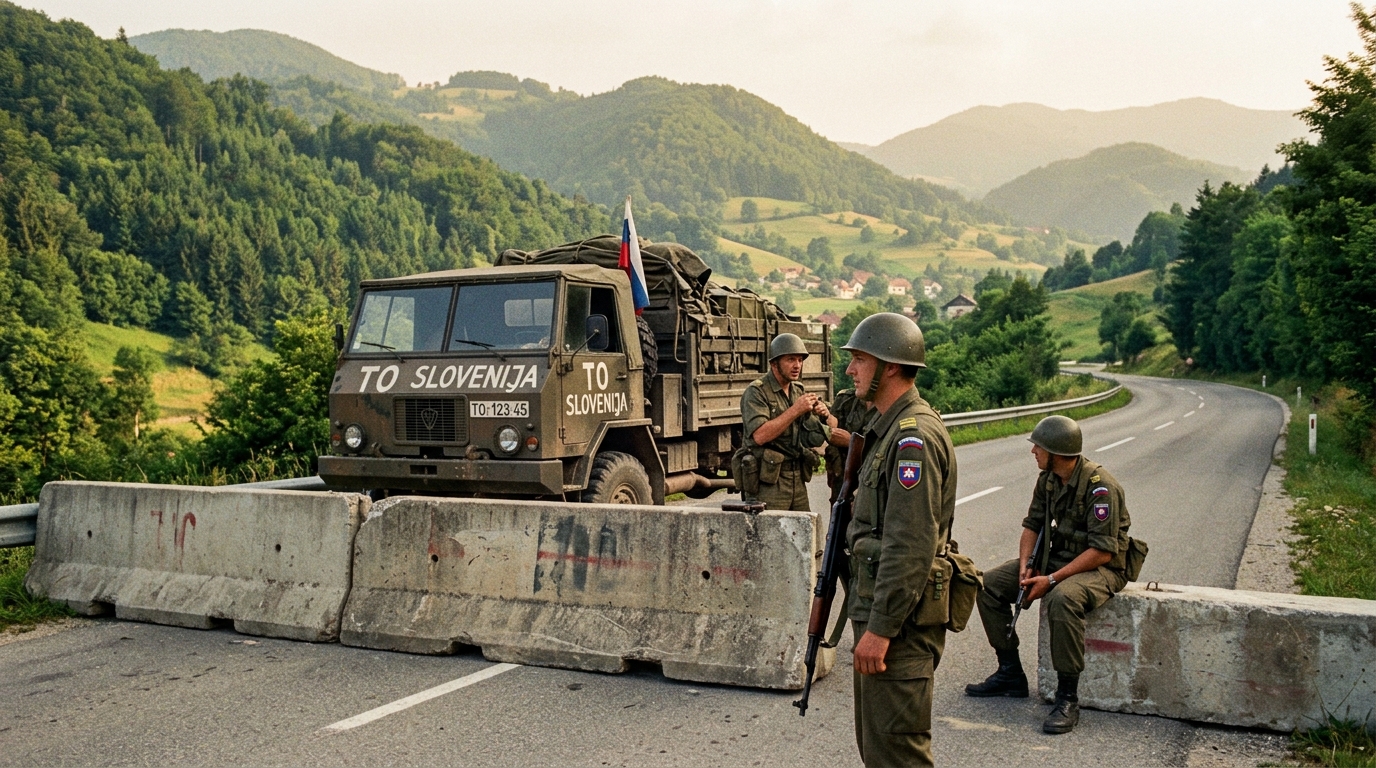
The Ten-Day War in Slovenia 1991: The Outbreak of the Yugoslav Conflicts
The brief clash between Slovenian Territorial Defense forces and the Yugoslav People's Army, marking the beginning of the Yugoslav wars.
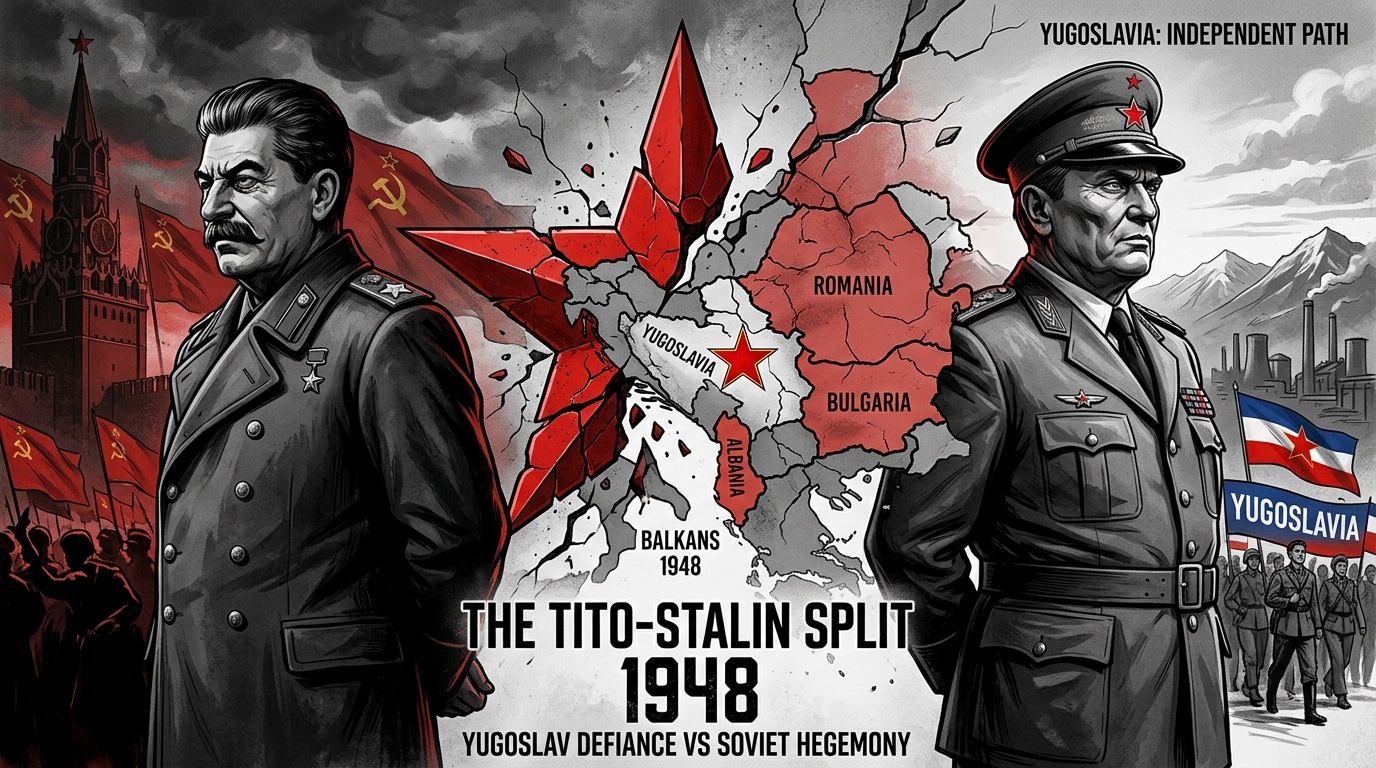
The Soviet-Yugoslav Split of 1948: How Tito Defied Stalin
An analysis of the biggest ideological and political earthquake in the communist world: how Yugoslavia said 'no' to Stalin and survived Soviet threats.
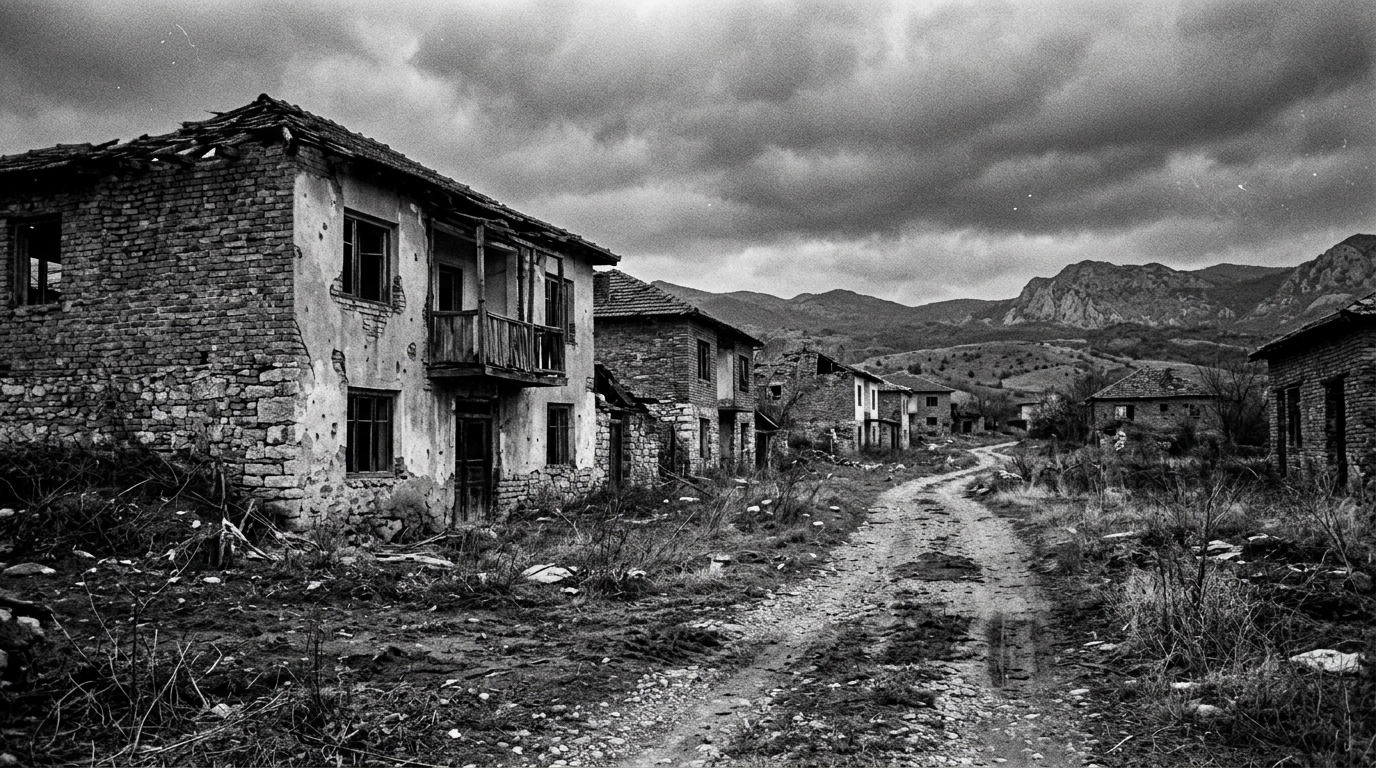
The 2001 Insurgency in Macedonia: The Ohrid Framework Agreement
A comprehensive historical and geopolitical analysis of the 2001 ethnic Albanian NLA uprising in Macedonia, the intensive international mediation efforts by NATO and the EU, and the subsequent signing of the Ohrid Framework Agreement, which introduced significant constitutional and political reforms to expand minority rights and prevent a wider Balkan conflict.
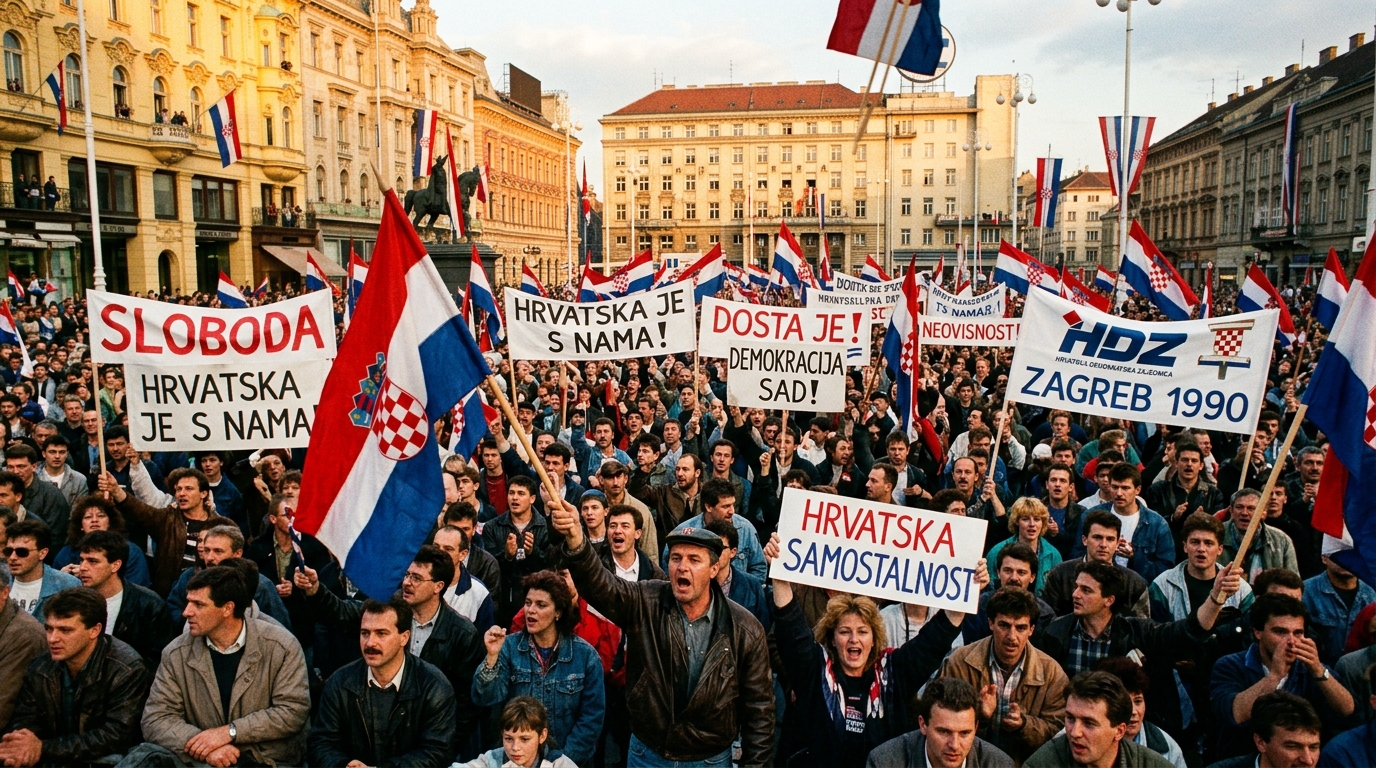
The 1990 Yugoslav Elections: Rise of Nationalism and Prelude to Breakup
The first multi-party elections in the Yugoslav republics that sealed the fate of the federation, bringing secessionist and nationalist elites to power.
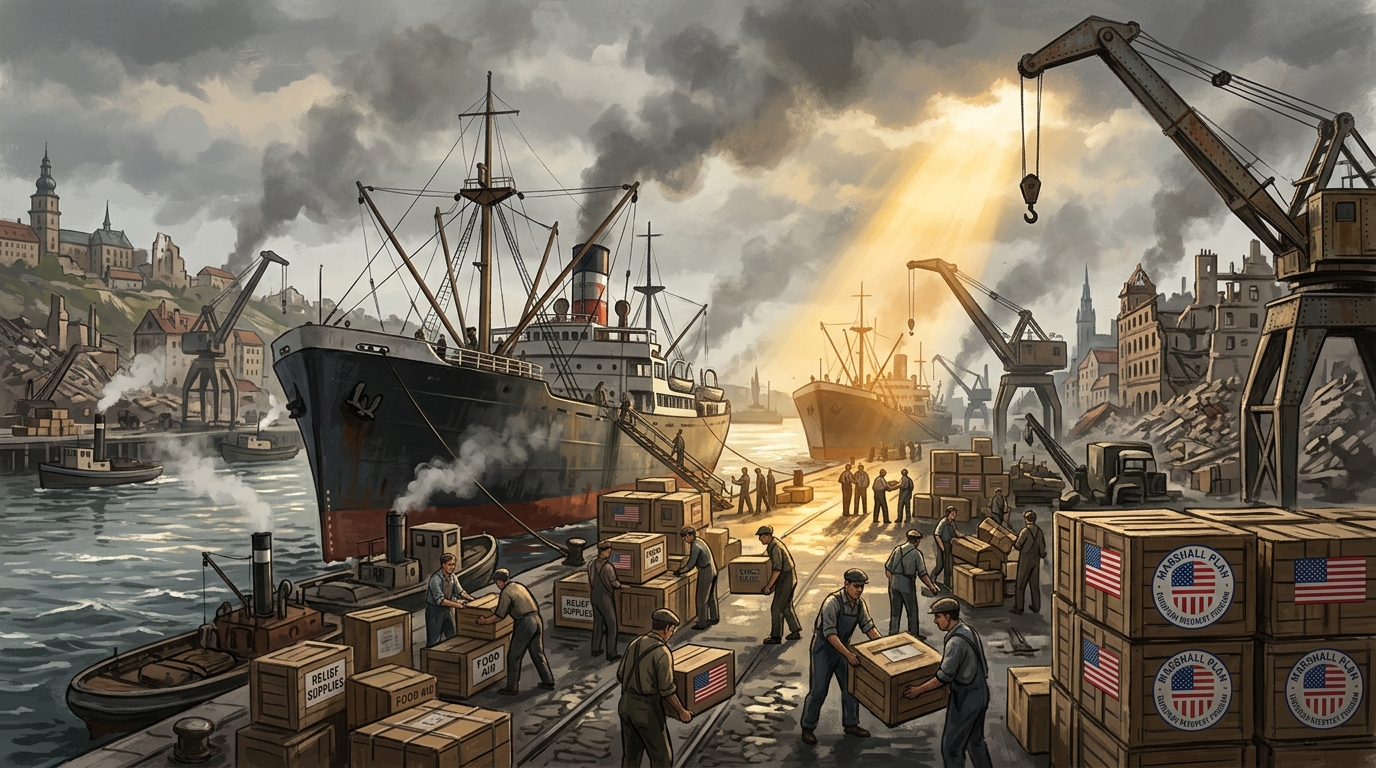
The Marshall Plan: Rebuilding Europe and Securing the Western Block
An analysis of the largest economic recovery program in history and its role in preventing the spread of Soviet influence in Western Europe.
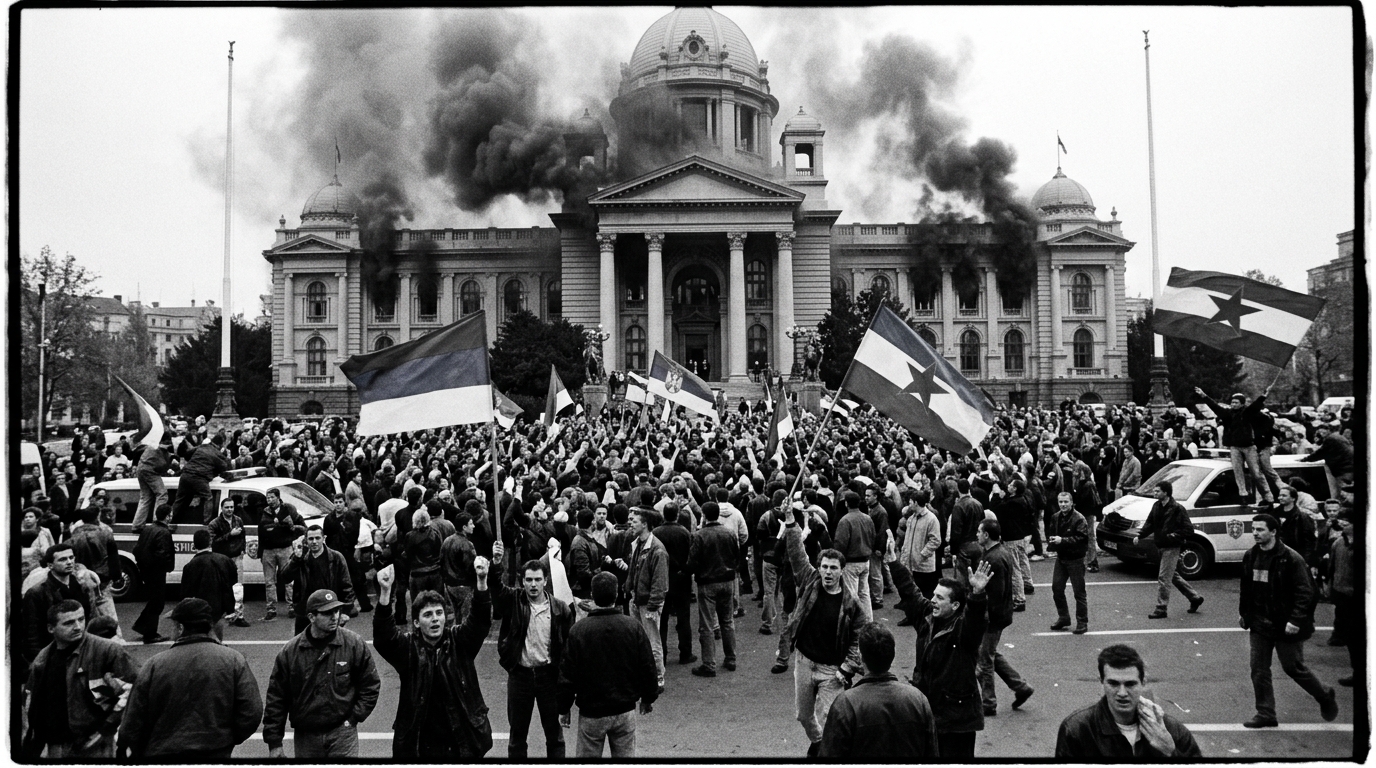
The Fall of Slobodan Milosevic: The October 5th Revolution in Belgrade
A comprehensive analysis of the October 5th Revolution in Belgrade, detailing the historical context, the Milosevic regime's decline, the coordinated efforts of the opposition, the pivotal moments of mass protest, and the profound geopolitical and domestic consequences that reshaped Serbia and the wider Balkan region.

The Truman Doctrine: Launching the Policy of Containment and the Cold War
How Harry Truman's historic 1947 speech laid the foundation for American foreign policy and defined the global confrontation with communism.