Key Takeaways
- The 2015 crisis exposed the fragility of the Schengen Area and the critical lack of a cohesive, equitable EU-wide asylum policy, leading to a fundamental re-evaluation of shared sovereignty.
- Chancellor Angela Merkel’s controversial decision to suspend the Dublin Regulation for Syrian asylum seekers was a pivotal humanitarian and political moment that profoundly altered Germany's demographic, social, and political landscape, sparking both admiration and fierce criticism.
- The crisis served as a primary catalyst for the unprecedented surge of populist and nationalist movements across Central and Eastern Europe, and significantly strengthened existing Eurosceptic sentiments in Western Europe, fundamentally reshaping the continent's political discourse.
- It highlighted the EU's geopolitical vulnerabilities, particularly its reliance on external actors like Turkey to manage migration flows, creating complex diplomatic dependencies and ethical dilemmas.
- The crisis illuminated deep divisions within the European Union regarding national sovereignty, burden-sharing, and the interpretation of shared European values, leading to years of internal institutional friction and reform efforts.
Historical Context and Origins
The 2015 European Migrant Crisis did not occur in a vacuum; it was the culmination of long-standing regional instability, the systemic failure of existing international legal frameworks, and a complex interplay of "push" and "pull" factors. At its heart lay the devastating Syrian Civil War, which had, by 2015, entered its fourth year, displacing an unprecedented number of people. What began in 2011 as a series of peaceful protests against the Assad regime quickly escalated into a multi-faceted conflict involving state actors, rebel groups, and eventually, international powers and extremist organizations like ISIS. By 2015, the conflict had claimed hundreds of thousands of lives and forced over half of Syria's pre-war population from their homes. Millions found precarious refuge in neighboring countries—Turkey hosted over 2 million, Lebanon nearly 1.5 million (a quarter of its population), and Jordan over 600,000. Conditions in these overcrowded, underfunded camps and informal settlements were rapidly deteriorating, marked by dwindling aid, lack of educational opportunities, limited work permits, and growing despair, making onward movement an increasingly attractive, if perilous, option.
Beyond Syria, other protracted conflicts and dire humanitarian situations in the broader Middle East and Africa also contributed significantly to the flows. Large numbers of asylum seekers originated from Afghanistan, fleeing the ongoing insurgency and instability following the NATO intervention; from Iraq, due to the resurgence of ISIS and sectarian violence; and from Eritrea, a highly repressive state characterized by forced conscription and human rights abuses. These multiple origins underscore the diverse motivations and desperate circumstances driving individuals towards Europe.
The crisis was also profoundly exacerbated by the erosion of the Dublin Regulation, a cornerstone of EU asylum policy. Introduced in 1990 and updated several times (most recently Dublin III in 2013), this framework stipulated that responsibility for processing asylum claims fell to the first EU member state an asylum seeker formally entered. The underlying principle was to prevent "asylum shopping" and ensure a single member state was responsible. However, as hundreds of thousands began arriving daily in Greece and Italy, these nations were utterly overwhelmed. Their administrative capacities, reception facilities, and economic infrastructures were insufficient to process, house, and integrate such massive influxes. The regulation’s failure was twofold: it imposed an unbearable burden on peripheral states, and it lacked any effective mechanism for mandatory burden-sharing among other EU members. This critical flaw led to systematic non-enforcement; frontline states often tacitly or overtly allowed migrants to proceed northward without registration, effectively incentivizing their movement towards the more prosperous economies of Germany and Sweden, which were perceived as having more robust asylum systems and better integration prospects. The consequence was a de facto breakdown of internal EU borders and a profound challenge to the integrity of the Schengen Area.
Historical Precedents and European Asylum Policy Evolution
To truly understand the 2015 crisis, it is essential to examine the historical trajectory of European asylum policies and earlier migration waves that shaped the continent's response mechanisms. Europe has a long history of migration, both internal and external, but its modern asylum framework largely emerged from the ashes of World War II.
Post-World War II Refugee Conventions: The 1951 Geneva Convention Relating to the Status of Refugees, born out of the displacement of millions in Europe, established the fundamental principle of non-refoulement – that no one should be returned to a country where they face persecution. This bedrock international law, alongside the 1967 Protocol, laid the moral and legal foundation for modern asylum systems. European nations, many having experienced mass displacement, adopted these principles into national laws, but initially, the focus was primarily on refugees from Eastern Bloc countries during the Cold War.
Post-Colonial Migration and "Guest Worker" Programs: The post-war economic boom in Western Europe led to severe labor shortages. From the 1950s to the 1970s, countries like Germany, France, and the UK actively recruited "guest workers" (Gastarbeiter) from Southern Europe, Turkey, and North Africa. This was largely economic migration, often intended to be temporary, but many workers settled permanently, bringing their families. Simultaneously, former colonial powers experienced significant migration from their ex-colonies (e.g., Algerians to France, Indians/Pakistanis to the UK). These waves, while distinct from asylum, created diverse societies and highlighted initial challenges in integration, often leading to social tensions and nascent anti-immigrant sentiment.
The Balkan Wars (1990s): The conflicts in former Yugoslavia in the 1990s represented Europe's largest refugee crisis prior to 2015. Hundreds of thousands of Bosnians, Croats, and Kosovars sought refuge, primarily in Germany, Austria, and Scandinavia. This period saw the first large-scale activation of temporary protection mechanisms within the EU and tested the nascent Dublin system. While it was a significant influx, it was largely contained within Europe, involved populations often seen as ethnically "closer," and did not involve the same scale of irregular maritime crossings or the same geopolitical complexities as the 2015 crisis. The memory of these refugees, and the subsequent difficulties in their integration or repatriation, influenced later policy discussions.
The Schengen Agreement (1985) and its Expansion: The Schengen Area, which abolished internal border controls, was a landmark achievement for European integration, facilitating free movement for citizens and goods. However, it also inherently shifted the burden of external border control to the peripheral states. Without robust common external border management and a fair asylum burden-sharing mechanism, Schengen was vulnerable. The Dublin Regulation was intended to complement Schengen by managing asylum applications, but its design flaws became glaringly apparent in a high-volume crisis. By 2015, the confluence of persistent regional conflicts, the promise of free movement within Europe, and the inherent weaknesses of the Dublin system created a perfect storm for an unprecedented humanitarian and political crisis.
Timeline of Events and Key Moments
The trajectory of the 2015 crisis was characterized by a rapid escalation from a localized issue in the Mediterranean to an existential crisis for the European Union, unfolding over a critical few months.
| Date | Event | Significance |
|---|---|---|
| April 2015 | Lampedusa Shipwreck | On April 19, an overloaded fishing boat carrying an estimated 800-900 migrants capsized off the coast of Libya, bound for Lampedusa. The tragedy resulted in over 800 confirmed deaths, making it one of the deadliest maritime disasters in the Mediterranean in recent history. It dramatically highlighted the perilous nature of the central Mediterranean route and prompted calls for increased search-and-rescue operations, though these calls often met with political resistance. |
| August 2015 | Death of Alan Kurdi | On September 2, the lifeless body of three-year-old Syrian boy Alan Kurdi washed ashore on a beach near Bodrum, Turkey, after the inflatable dinghy carrying his family capsized. The haunting image, widely circulated by international media, instantly became a powerful symbol of the human cost of the crisis, mobilizing global public opinion, especially in Europe, and intensifying pressure on governments to act. It profoundly influenced public discourse and spurred humanitarian responses. |
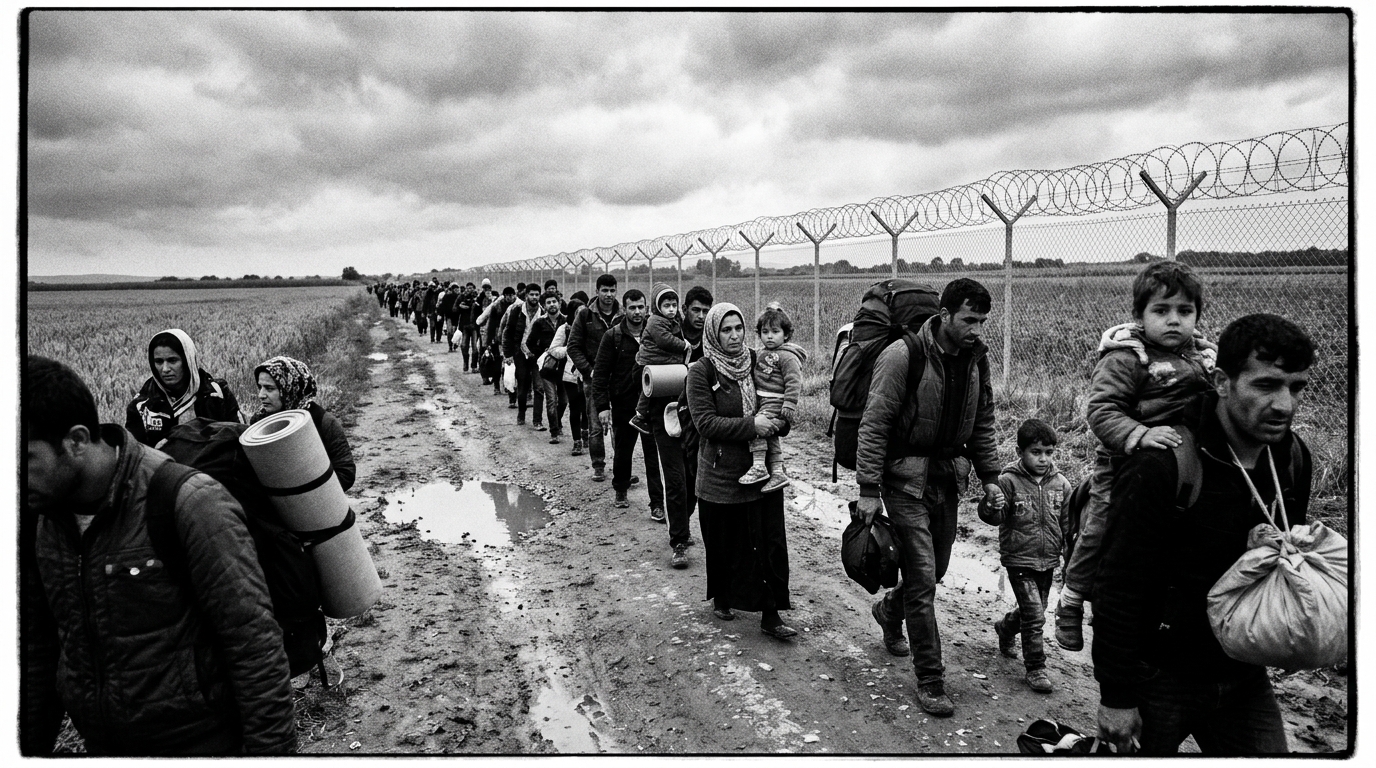
| Sept 4, 2015 | The Budapest Train Crisis | Thousands of refugees, many fleeing violence in Syria, Afghanistan, and Iraq, found themselves stranded at Keleti railway station in Budapest, Hungary, after Hungarian authorities blocked their onward journey to Western Europe, citing Dublin Regulation rules. Faced with deteriorating conditions and a lack of humanitarian support, approximately 1,200 migrants decided to abandon the station and began walking along a motorway towards the Austrian border. This impromptu march, covered live by international media, put immense pressure on Austria and Germany. |
| Sept 5, 2015 | Merkel's "Open Door" | In response to the unfolding humanitarian situation at the Hungarian border and mounting international pressure, German Chancellor Angela Merkel, in coordination with Austrian Chancellor Werner Faymann, made the pivotal decision to allow the thousands of migrants stranded in Hungary to enter Germany. Critically, Germany announced it would suspend the application of the Dublin Regulation for Syrian asylum seekers, effectively allowing them to apply for asylum in Germany regardless of their country of first entry into the EU. This decision was met with both widespread humanitarian acclaim and severe political criticism, irrevocably altering the crisis's trajectory. |
| November 2015 | Rise of Border Controls | Following the Paris terror attacks on November 13, some of the attackers were found to have potentially used the migrant routes into Europe. This event dramatically intensified security concerns, leading to an immediate tightening of borders across Europe. France, Germany, Sweden, Austria, and others reintroduced temporary border controls, effectively suspending parts of the Schengen Agreement and marking a significant retreat from the principle of free movement within the EU. |
| March 2016 | EU-Turkey Deal | After months of negotiations, the European Union and Turkey reached a controversial agreement aimed at stemming the flow of irregular migrants across the Aegean Sea. Under the deal, all new irregular migrants arriving on Greek islands from Turkey would be returned to Turkey. For every Syrian returned, the EU committed to resettling one Syrian refugee directly from Turkey. In exchange, Turkey received substantial financial aid (€6 billion), visa liberalization talks, and accelerated EU accession negotiations. While it significantly reduced arrivals, it drew widespread criticism from human rights organizations for ethical and legal concerns regarding refoulement and the treatment of asylum seekers. |
Geopolitical Consequences and Aftermath
The fallout from 2015 reshaped the European political map, creating deep fissures within the Union and forcing a fundamental re-evaluation of its core principles and operational mechanisms. The most immediate and visible consequence was the severe strain placed upon the Schengen Area. The principle of free movement, a crowning achievement of European integration, came under unprecedented pressure. Member states, citing national security concerns (exacerbated by the Paris terror attacks in November 2015) and the inability to manage uncontrolled flows, began reintroducing temporary internal border controls. This de facto suspension, though framed as temporary, fundamentally undermined the trust and solidarity within the Schengen framework and raised serious questions about its future viability without robust external border protection and equitable burden-sharing.
Furthermore, the crisis acted as a "force multiplier" for right-wing populist and nationalist parties across the continent. In Hungary, Prime Minister Viktor Orbán utilized the crisis to cement his Fidesz party's power, constructing a national identity narrative centered on the "defense of Christian Europe" against an "invasion" of Muslim migrants. This rhetoric was translated into concrete action with the construction of extensive razor-wire fencing along Hungary's borders with Serbia and Croatia. Similar narratives gained traction in Poland (Law and Justice party), the Czech Republic, and Slovakia, which collectively formed the Visegrád Group, steadfastly refusing mandatory EU relocation quotas. This created a profound ideological and practical split within the EU; Western European states, particularly Germany and Sweden, often prioritized humanitarian responsibilities and the spirit of international refugee law, while the Visegrád Group emphasized national sovereignty, cultural homogeneity, and security concerns. The legacy of this friction persists, manifesting in the EU’s ongoing struggles to achieve consensus on a New Pact on Migration and Asylum, which continues to be debated and reformed without full agreement.
The crisis also highlighted the EU's geopolitical vulnerabilities and its reliance on external actors. The EU-Turkey Deal was a pragmatic, yet controversial, response that demonstrated Europe's willingness to outsource border management to a non-EU country. While effective in reducing arrivals via the Aegean Sea, it granted Turkey significant diplomatic leverage over the EU, raising concerns about human rights and the instrumentalization of migration for political gain. This dependency underscored a broader trend where managing migration became a tool in complex international relations, rather than solely a humanitarian or domestic policy issue.
Economically, the crisis resulted in significant financial outlays for reception, processing, and integration. While some analyses pointed to potential long-term economic benefits from an influx of younger workers, the immediate costs were substantial, leading to budget reallocations and new funding mechanisms for front-line states and humanitarian aid. Socially, integration challenges became prominent, with debates over language acquisition, cultural assimilation, and access to housing and employment fueling public anxiety and political polarization in many host countries.
Analysis of Key Actors and Decisive Actions
The 2015 crisis saw several key figures and institutions make decisions that fundamentally shaped its course and consequences.
Angela Merkel and "Wir schaffen das"
German Chancellor Angela Merkel’s decision on September 5, 2015, to suspend the Dublin Regulation for Syrian asylum seekers and allow thousands to enter Germany—summarized by her famous phrase "Wir schaffen das" (We can manage this)—remains one of the most debated and defining political moves of the 21st century. Her action was driven by a blend of humanitarian conviction, a commitment to international law, and a pragmatic assessment that the uncontrolled flow of people from Hungary was a humanitarian catastrophe demanding immediate intervention. Proponents lauded it as a moral imperative, a powerful gesture of human dignity, and a demonstration of Germany’s constitutional commitment to asylum (Article 16a of the Basic Law). They argued it was an act of leadership when other nations faltered, reflecting Germany's post-war identity.
Critics, however, contend that it created an uncontrolled "pull factor," incentivizing more people to make the perilous journey, and overwhelmed Germany's public services and social infrastructure. Domestically, it led to a significant surge in support for the far-right Alternative für Deutschland (AfD) party, which capitalized on public anxieties about immigration, security, and cultural identity. Merkel's popularity initially dipped, and her long-standing political dominance was challenged. The decision fractured her conservative CDU/CSU alliance and ignited a continent-wide debate about sovereignty, humanitarianism, and the limits of liberal democracy. Despite the backlash, Merkel consistently defended her decision, often framing it as a necessary and humane response to an exceptional situation, while subsequently working to secure the EU-Turkey deal to control future flows.
The Role of Turkey
Turkey, under President Recep Tayyip Erdoğan, moved from a passive observer to a primary broker of European stability during the crisis. Geographically positioned at the crossroads of Europe and Asia, and bordering Syria, Turkey became the largest refugee-hosting nation in the world, with over 3 million Syrians by 2015. This immense responsibility provided Erdoğan with significant diplomatic leverage. The EU-Turkey Deal of March 2016 exemplified this. Turkey leveraged its position to secure substantial financial aid (€6 billion), expedited discussions on visa liberalization for Turkish citizens, and reinvigorated, albeit stalled, EU accession talks.
While the deal dramatically reduced the number of irregular arrivals in Greece, it was highly controversial. Human rights organizations criticized it for potentially violating international law on non-refoulement, arguing that Turkey was not a safe third country for asylum seekers. The deal also transformed EU-Turkey relations into a transactional arrangement, where the management of migration became a tool in broader geopolitical bargaining, demonstrating how migration could be used as a diplomatic lever in regional statecraft, sometimes at the expense of humanitarian principles.
The Stance of the Visegrád Group
The countries of the Visegrád Group—Hungary, Poland, Slovakia, and the Czech Republic—adopted a markedly different approach from Western European states. Led by Hungary’s Prime Minister Viktor Orbán, these nations staunchly opposed mandatory refugee relocation quotas, arguing that such policies infringed on national sovereignty and posed a threat to their cultural and social cohesion. Orbán, in particular, became a vocal critic of Merkel’s "open-door" policy, framing the influx as an existential threat to Europe’s Christian identity. His government constructed a fortified border fence along Hungary's southern frontier, deployed military personnel, and passed stringent anti-migration laws. This firm stance resonated with a significant portion of their electorates and effectively solidified a Central European bloc resistant to Brussels' mandates on migration. This opposition exposed a fundamental ideological rift within the EU, pitting values of solidarity and human rights against national sovereignty, border security, and cultural preservation, a debate that continues to shape EU policymaking.
Greece and Italy: On the Frontlines
As the primary points of entry into the EU, Greece and Italy bore the brunt of the initial influx. Both countries, already struggling with severe economic crises (Greece's sovereign debt crisis was ongoing), found their administrative and humanitarian infrastructures pushed to breaking point. Greek islands like Lesbos became overcrowded reception centers, overwhelmed by daily arrivals. Italy, particularly the island of Lampedusa, faced similar pressures from the Central Mediterranean route. The failure of other EU member states to provide adequate support or share the burden effectively left these frontline nations isolated, unable to implement the Dublin Regulation, and struggling to provide humane conditions, which often led to migrants being waved through to continue their journey north. Their experience highlighted the structural inequities of the EU asylum system and the severe limitations of a policy reliant solely on first-entry responsibility.
Socio-Economic Impact and Integration Challenges
The arrival of over a million refugees and migrants in Europe, predominantly in 2015-2016, posed significant socio-economic challenges and opportunities for host countries, particularly Germany and Sweden, but also for societies across the EU.
Immediate Strain on Public Services: The initial phase of the crisis placed immense pressure on public services. Housing, often scarce and expensive, became a critical issue, leading to the repurposing of gymnasiums, abandoned buildings, and temporary shelters. Education systems faced the immediate task of enrolling thousands of children with diverse linguistic and educational backgrounds. Healthcare systems experienced increased demand, often for complex trauma-related conditions or previously unaddressed chronic illnesses. Local municipalities, often with limited budgets and staff, were on the front lines of managing these immediate needs.
Labor Market Integration: One of the most significant long-term challenges was labor market integration. While some argued that an influx of young, motivated individuals could help offset aging populations and fill labor shortages, the reality proved more complex. Many refugees arrived with limited language skills, qualifications not recognized in Europe, or professional experiences that didn't directly translate. Legal barriers to employment in the initial asylum process, coupled with bureaucratic hurdles, further delayed entry into the workforce. This led to higher unemployment rates among recent arrivals compared to the native population, creating a reliance on social welfare systems and fueling public debates about the economic costs of immigration. However, over time, as language acquisition and vocational training programs improved, integration rates saw gradual improvement in some sectors, particularly in low-skilled labor and specific industries facing shortages.
Social Cohesion and Cultural Tensions: The rapid demographic shift in certain areas generated social tensions and cultural debates. Concerns about cultural differences, religious practices, and perceived threats to national identity became prominent, particularly in countries with limited prior experience of large-scale, non-European immigration. This was exploited by populist political movements, leading to a rise in xenophobia and hate crimes in some areas. Public discourse often polarized between those advocating for multiculturalism and those emphasizing assimilation or stricter controls. Neighbourhood-level challenges, such as housing segregation and limited social interaction between native and new populations, also emerged, underscoring the long-term nature of achieving genuine social cohesion.
Demographic Shifts and Long-term Benefits: Despite the challenges, the influx of refugees also brought potential long-term benefits. In countries like Germany, with critically low birth rates and an aging workforce, the arrival of younger populations could mitigate demographic decline and sustain social welfare systems in the future. Refugees often demonstrate high entrepreneurial spirit, establishing businesses and contributing to local economies. Their presence has also spurred innovation in integration policies, language education, and social support services. However, realizing these benefits requires sustained investment in integration programs, combating discrimination, and fostering inclusive societies, a process that continues years after the initial crisis.
Trivia and Lesser-Known Facts
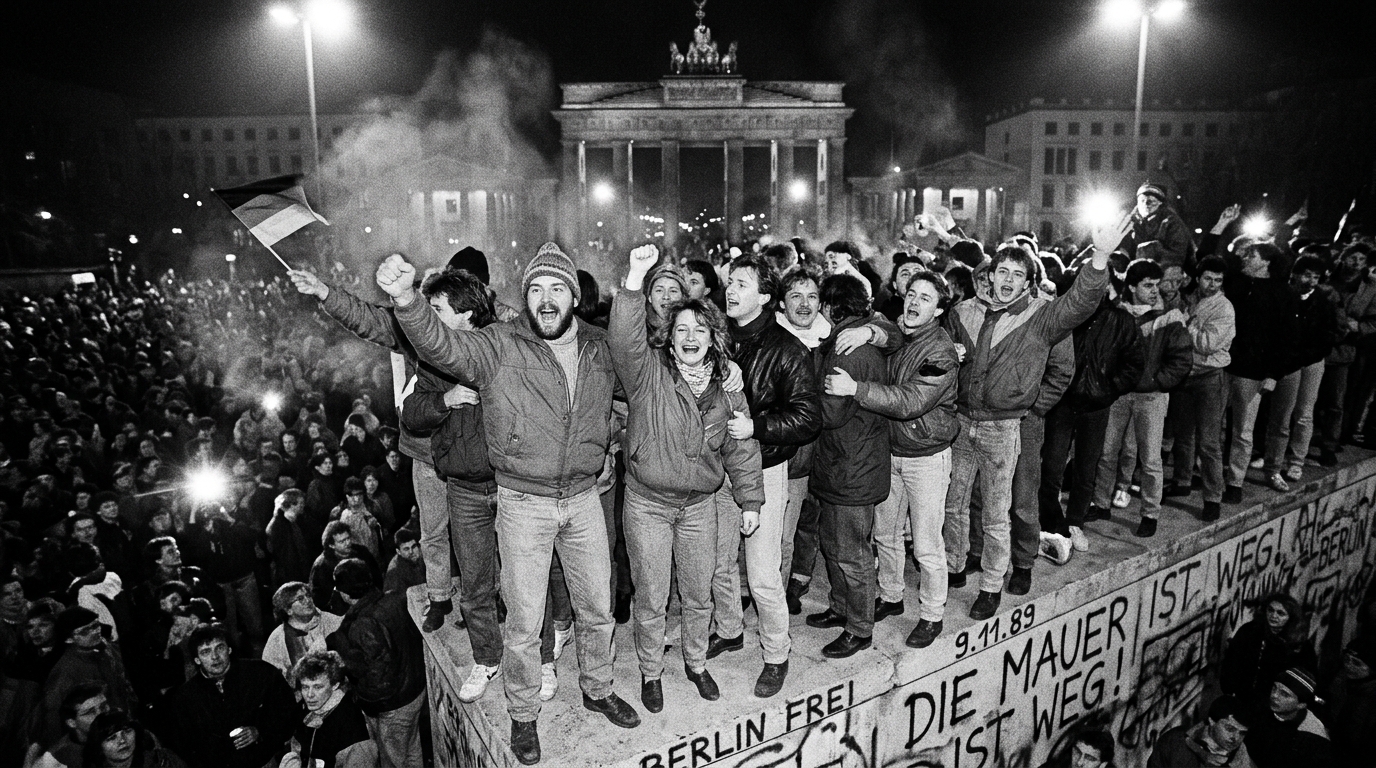
- The "Iron Curtain" 2.0: Hungary’s decision to erect a 175-kilometer razor-wire fence along its border with Serbia in late 2015, followed by another fence on its border with Croatia, was a deeply symbolic act. It was the first time an EU state had built such a barrier since the fall of the Berlin Wall, effectively symbolizing the end of an era of open borders and reintroducing a physical division within what was ostensibly a zone of free movement. The fences, criticized internationally, became a tangible manifestation of the "fortress Europe" mentality.
- The "Train Station Welcome": In stark contrast to the hardening of borders, a poignant scene unfolded in Munich, Germany, in September 2015. Thousands of citizens gathered at the Hauptbahnhof (main train station) to greet refugees arriving by train from Hungary and Austria. They offered applause, water, food, clothes, toys, and often emotional support. This grassroots humanitarian effort, widely documented, showcased a powerful outpouring of public empathy and voluntarism, directly challenging the xenophobic narratives and demonstrating a different face of European society.
- NGO Operations and the "Criminalization of Solidarity": During the peak of the crisis, non-governmental organizations (NGOs) played a crucial role, often filling the void left by state authorities in providing humanitarian aid and launching search-and-rescue operations in the Aegean Sea and Central Mediterranean. Organizations like Doctors Without Borders (MSF), Sea-Watch, and SOS Méditerranée saved tens of thousands of lives. However, these operations increasingly became subject to intense legal scrutiny and political pressure, with some activists facing charges of "facilitating illegal immigration." This trend, dubbed the "criminalization of solidarity," sparked fierce debate about humanitarian ethics versus border enforcement.
- Germany's Willkommenskultur (Welcome Culture) and its Reversal: Initially, Germany cultivated a strong Willkommenskultur, a culture of welcome, particularly evident in the "Train Station Welcome." This was reflected in public discourse, media coverage, and the efforts of countless volunteers. However, as the numbers grew and challenges mounted, this initial enthusiasm began to wane. Reports of increased crime (though often statistically exaggerated or misattributed), coupled with the New Year's Eve sexual assaults in Cologne (attributed largely to migrant men), led to a significant shift in public sentiment and political discourse, moving from Willkommenskultur to more restrictive asylum policies and a focus on integration requirements.
- The "Forgotten" Mediterranean Route: While the Balkan Route dominated headlines due to its overland nature and direct impact on Central Europe, the Central Mediterranean route (from Libya to Italy) continued to be highly active and deadly. In 2016, it became the primary route for irregular crossings to Europe after the EU-Turkey deal closed the Aegean. This route, characterized by dangerous crossings on flimsy boats organized by ruthless smugglers, continued to claim thousands of lives, underscoring the multifaceted nature of the crisis and the persistent desperation driving migration.
References and Literature
- The European Union's Response to the Migrant Crisis: Official European Parliament briefing on the legislative and humanitarian shifts between 2015 and 2018, providing an institutional perspective on policy developments and challenges.
- The New Odyssey: The Story of the European Refugee Crisis by Patrick Kingsley (2016): A detailed, immersive, and empathetic on-the-ground account of the journey taken by refugees through the Balkan route, offering critical insights into individual experiences and the human scale of the crisis.
- Foreign Affairs: Europe’s Refugee Crisis (Various Authors, 2015-2016): A scholarly collection of analyses and opinion pieces from leading experts and policymakers regarding the geopolitical impact of the 2015 mass movement on EU institutions, member states, and international relations.
- Migration Policy Institute (MPI) - The 2015 European Migration Crisis: An Overview: An excellent resource for data, policy analysis, and expert commentary on the crisis's causes, responses, and long-term implications. MPI offers numerous reports and articles on the subject.
- The UNHCR (United Nations High Commissioner for Refugees) - Reports on the European Refugee and Migrant Crisis: The UNHCR provides comprehensive statistical data, protection guidelines, and humanitarian updates from their operations across Europe and along migration routes, offering an invaluable statistical and humanitarian perspective.
Footnotes & Explanations
- The Dublin Regulation is a treaty that was signed in Dublin, Ireland, on 15 June 1990. It was replaced by a subsequent Dublin II Regulation (2003) and Dublin III Regulation (2013), which were in force during the 2015 crisis. ↩
- The Visegrád Group refers to the cultural and political alliance of four Central European states: the Czech Republic, Hungary, Poland, and Slovakia. ↩
- "Wir schaffen das" is a German phrase meaning "We can do it" or "We can manage this," famously uttered by Chancellor Angela Merkel in August 2015 in response to the growing number of refugees entering Germany. ↩