Country: India
Collection of geopolitical papers, conflicts, and diplomatic crises involving India.
Published Chronicles & Analyses
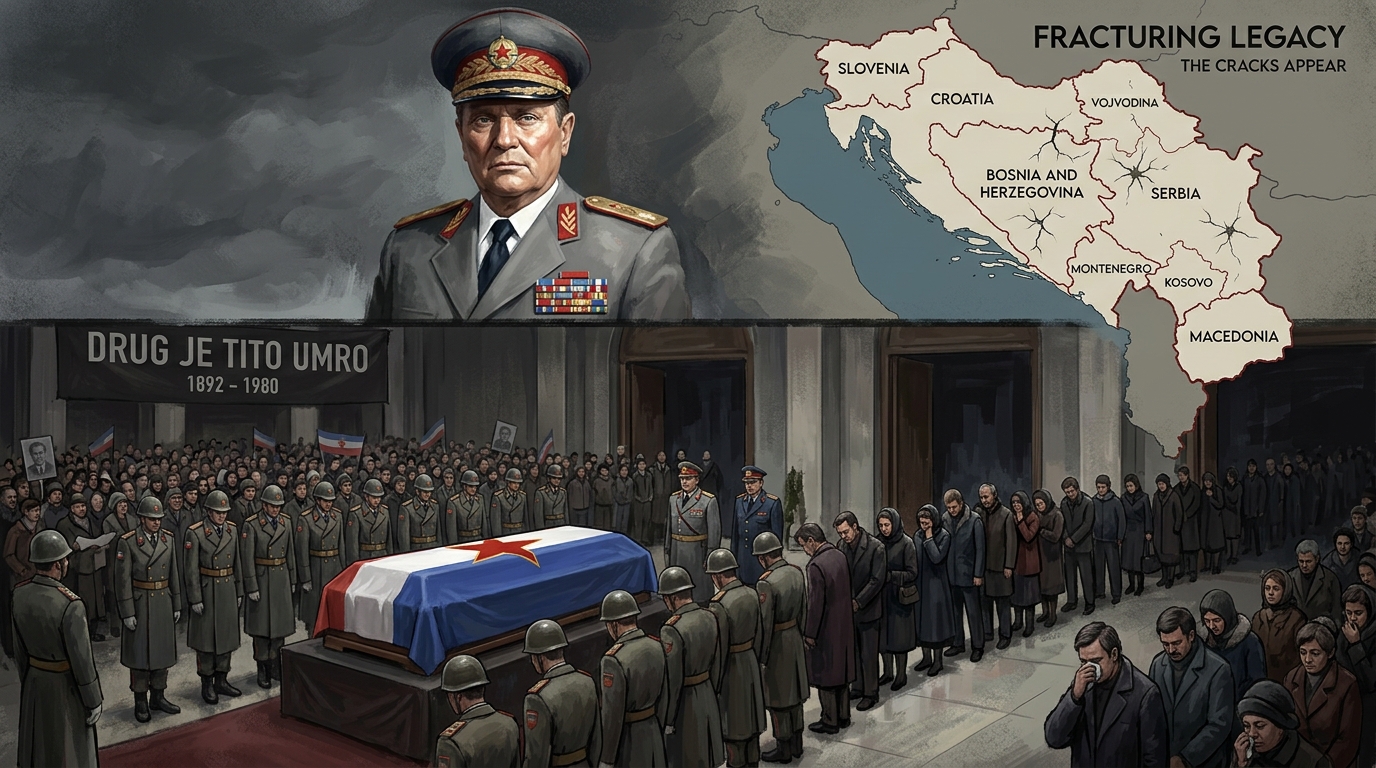
The Death of Tito in 1980: The Beginning of the End for Yugoslavia
The passing of Yugoslavia's lifetime president, the end of the Non-Aligned golden era, and the beginning of the economic and political collapse.
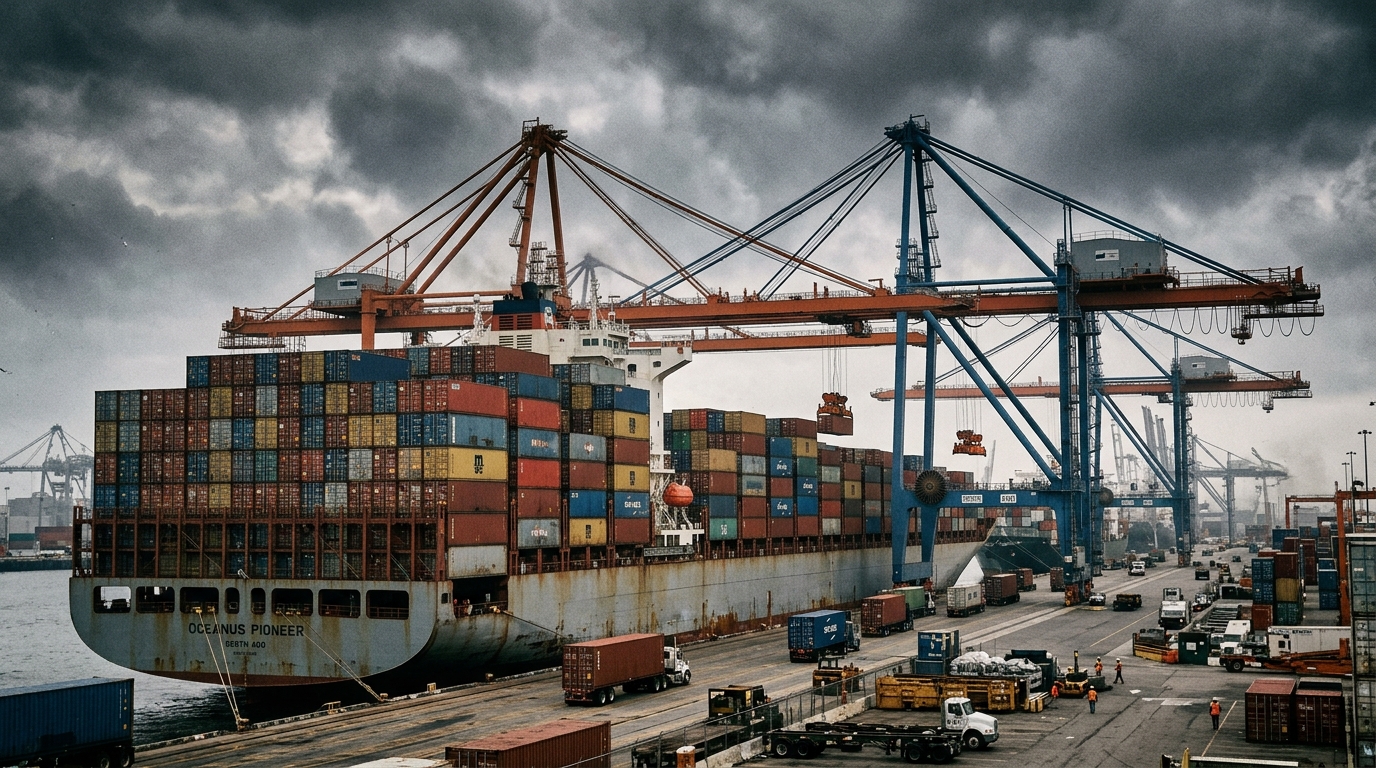
The US-China Trade War of 2018: Beginning of Economic Decoupling
The US-China trade war of 2018 marked a definitive shift in global economic and geopolitical relations, transcending traditional trade disputes to encompass a structural struggle over technological supremacy, intellectual property, and future global leadership. This article details the historical context, key events, geopolitical implications, and the profound legacy of a conflict that initiated a new era of economic decoupling and systemic rivalry.
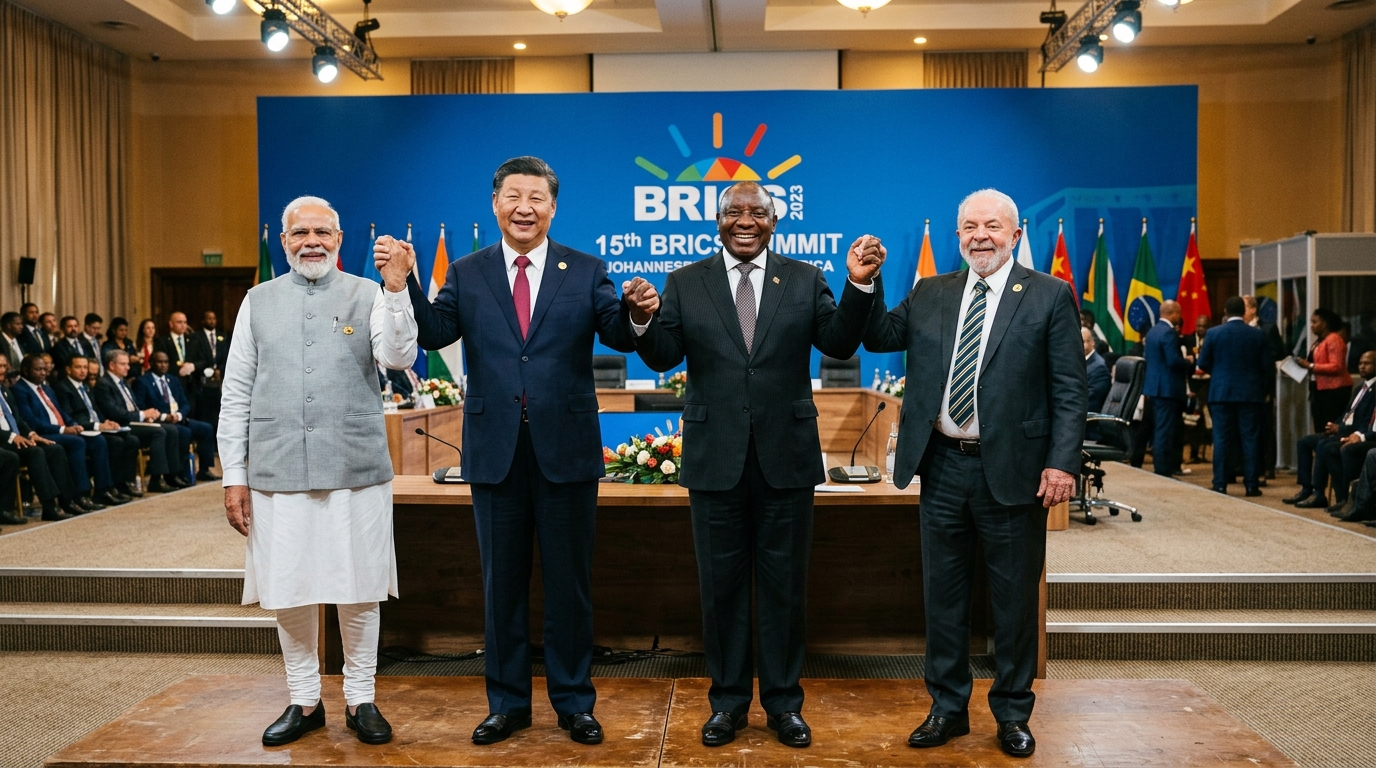
The 2023 BRICS Expansion in Johannesburg: Building a Multipolary Bloc
The admission of Saudi Arabia, Iran, Egypt, and UAE into the bloc, challenging the financial hegemony of G7-led institutions and signaling a significant recalibration of global power structures.
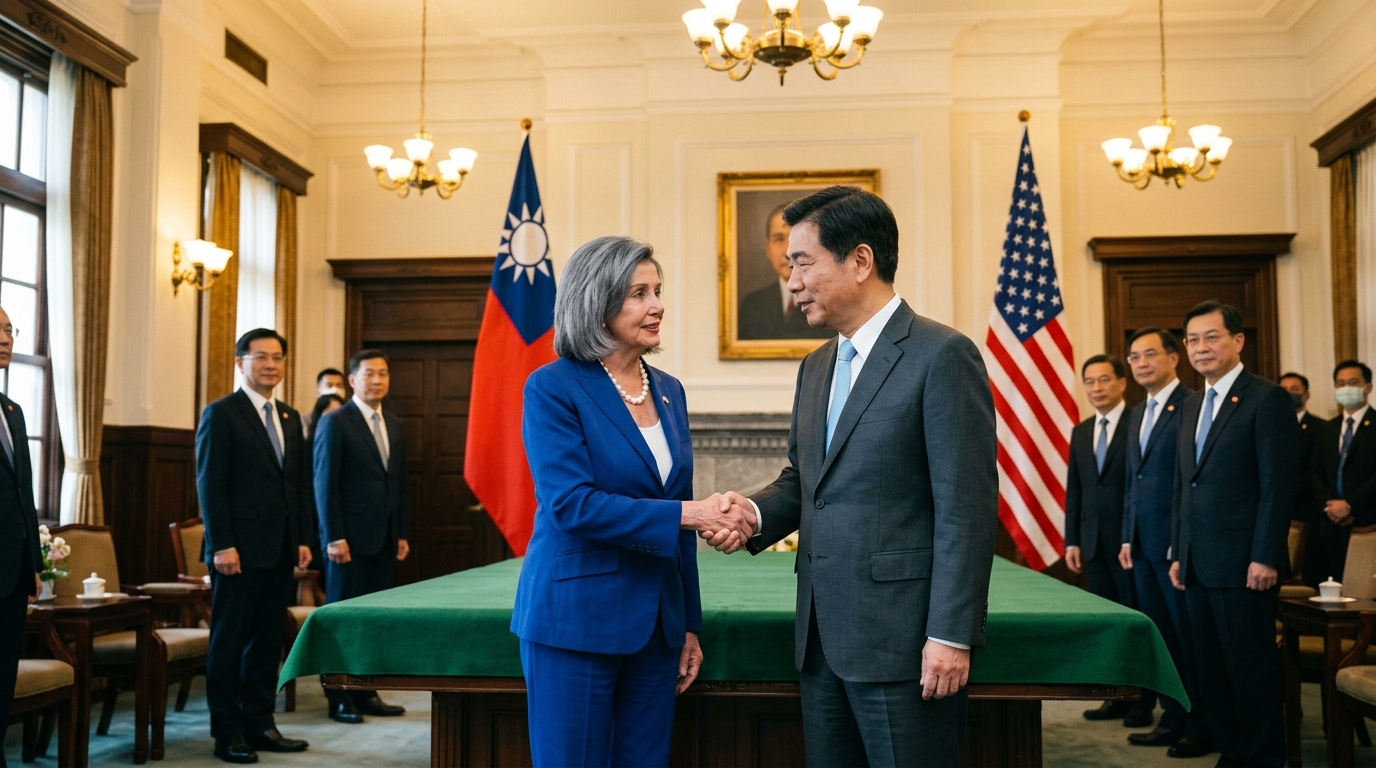
Nancy Pelosi's Visit to Taiwan in 2022: Military Drills and Superpower Friction
The House Speaker's visit to Taipei, provoking major military drills and encirclement exercises by the Chinese PLA around the island, significantly escalating cross-strait tensions and altering the regional security landscape.

The Financial War Against Russia: Sanctions, Asset Freezes, and SWIFT Ban
A comprehensive analysis of the unprecedented financial statecraft deployed against Russia in 2022, detailing the freezing of Central Bank foreign reserves, exclusion from SWIFT, and the systemic decoupling of its financial sector, alongside its historical precedents, geopolitical implications, and long-term legacy.
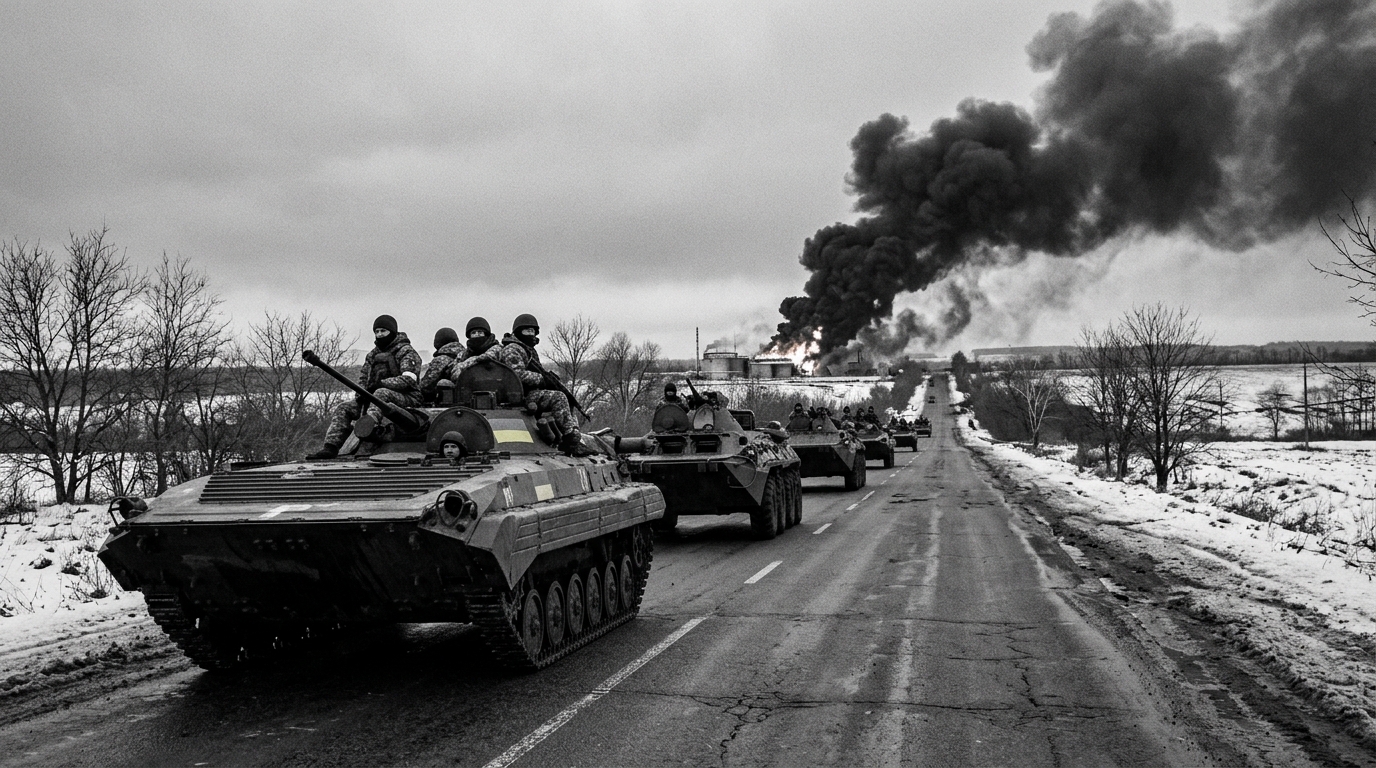
The 2022 Russian Invasion of Ukraine: Outbreak of Large-Scale European War
A comprehensive analysis of Russia's full-scale invasion of Ukraine in 2022, detailing its historical roots, the opening campaigns, geopolitical fallout, the roles of key actors, and its profound impact on global security and international law. This article explores the military strategies, diplomatic failures, economic consequences, and the evolving historiography of the largest conventional conflict in Europe since World War II.
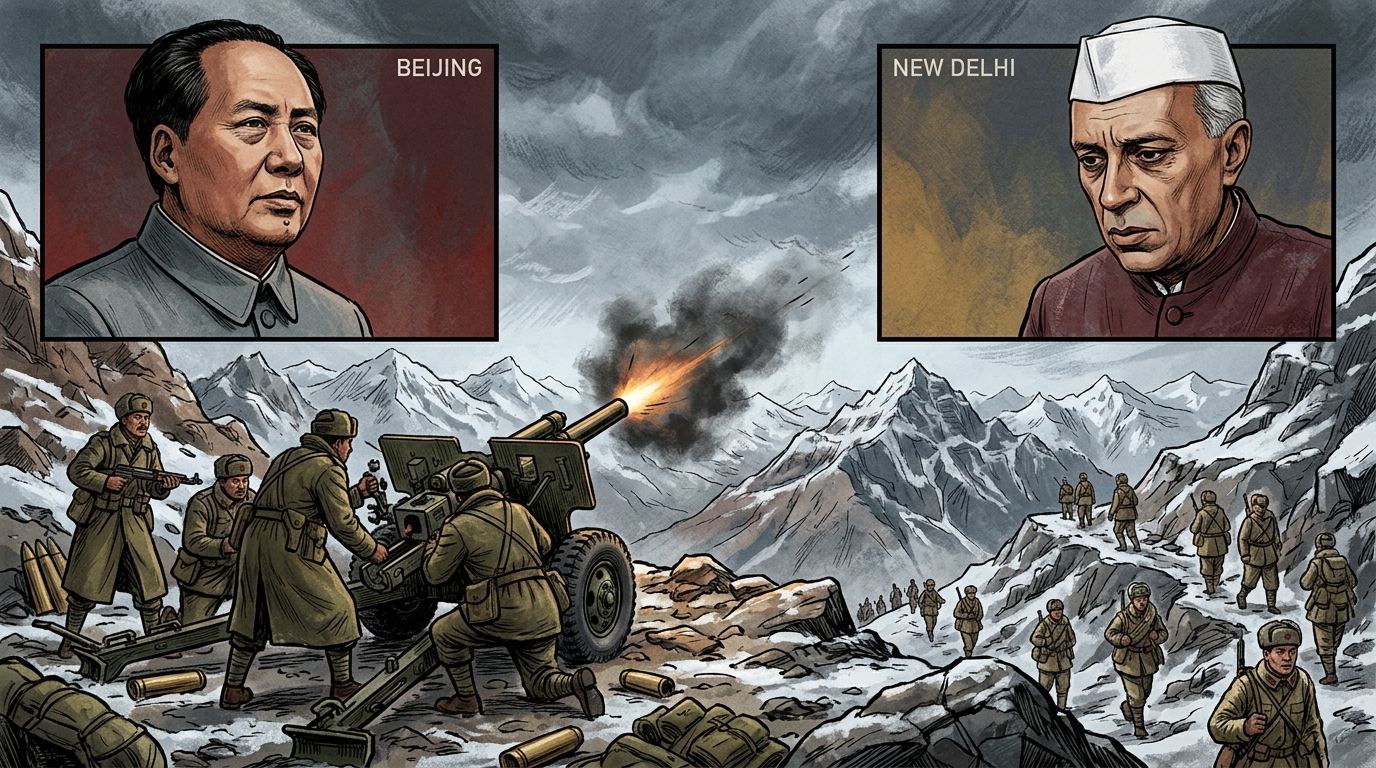
The Sino-Indian War of 1962: Clash on the Roof of the World
The brief but intense border conflict in the Himalayas that damaged relations between Asia's two giants and altered the balance of power.
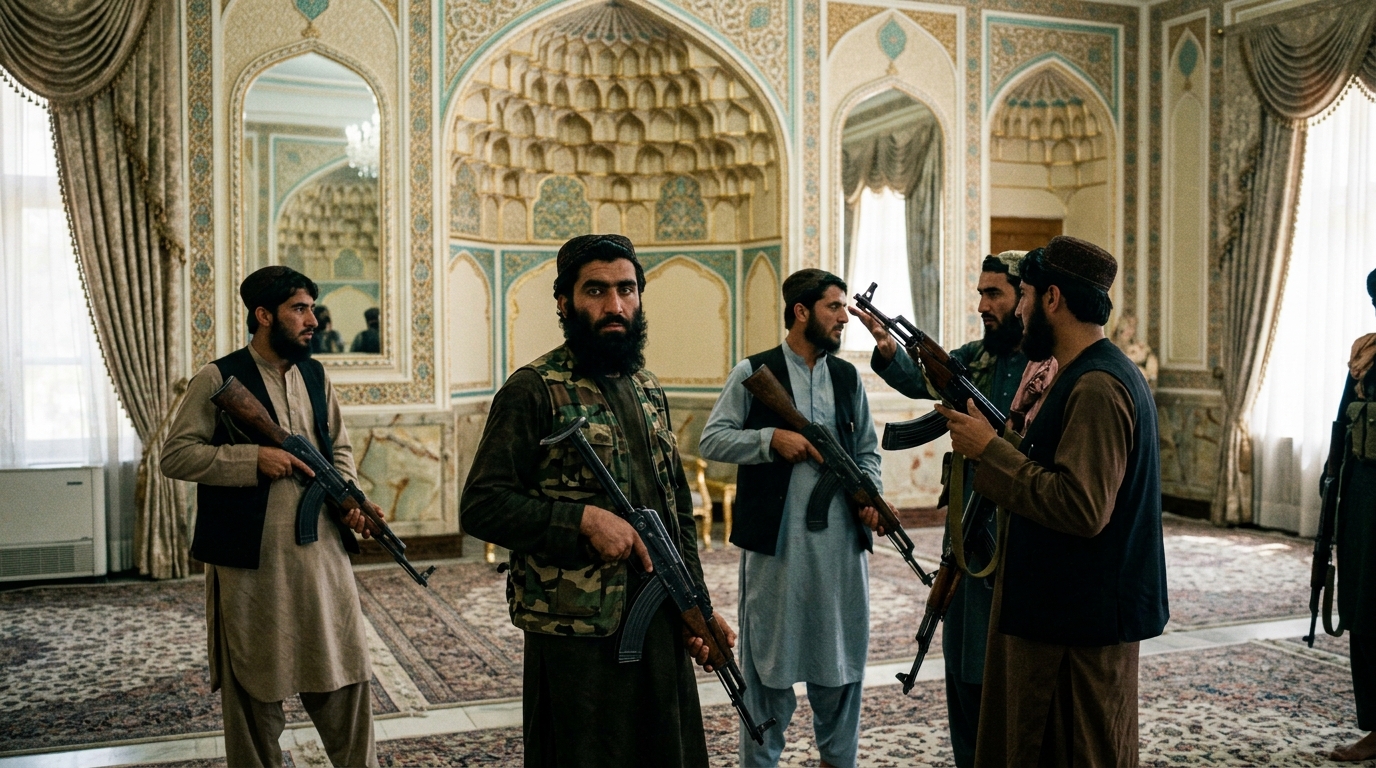
The 2021 US Withdrawal from Afghanistan: Return of the Taliban and End of a 20-Year War
An in-depth analysis of the 2021 US withdrawal from Afghanistan, examining the historical context of the two-decade conflict, the rapid collapse of the Western-backed Afghan state, the return of Taliban governance, and the profound geopolitical, socio-economic, and humanitarian consequences.
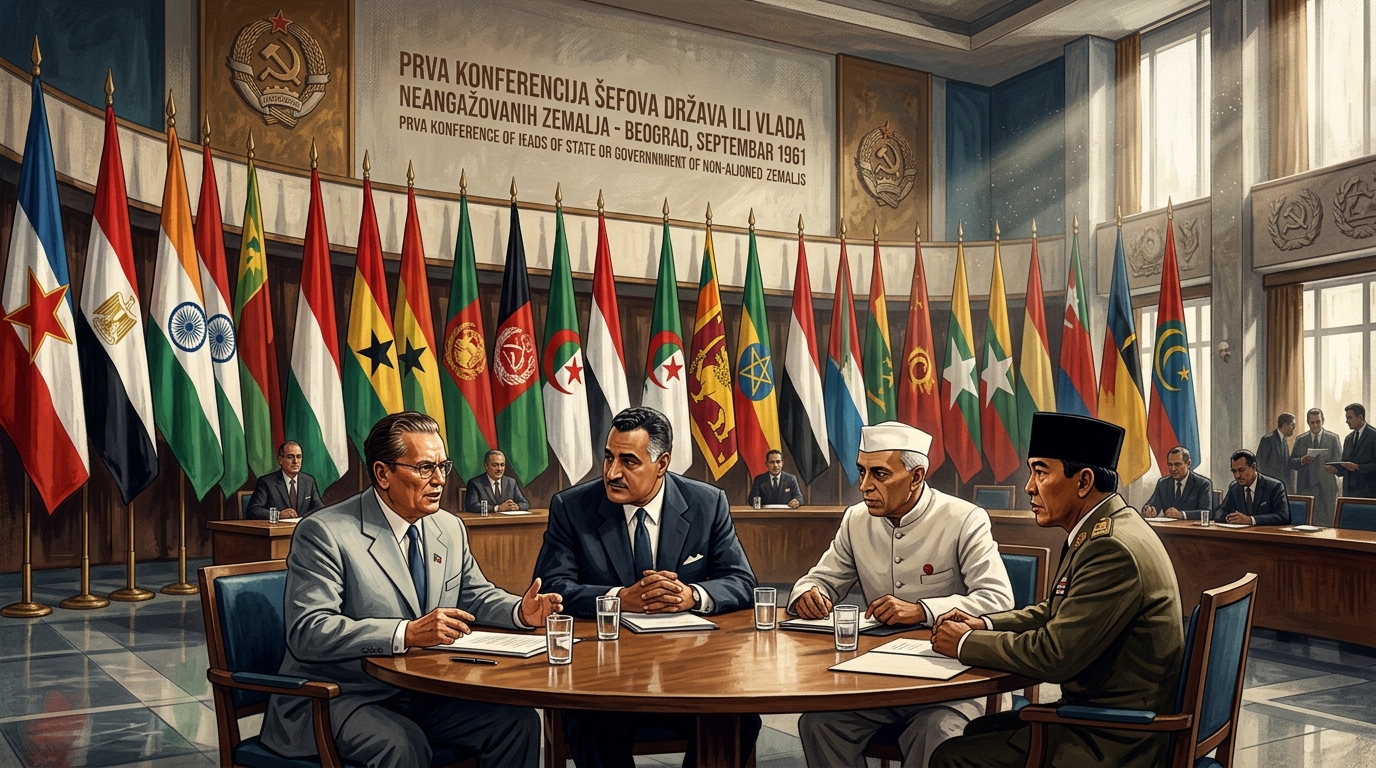
The Belgrade Conference of 1961: Founding the Non-Aligned Movement
The historic summit in Belgrade where 25 nations offered an alternative to the bloc division of the world, creating the Non-Aligned Movement.
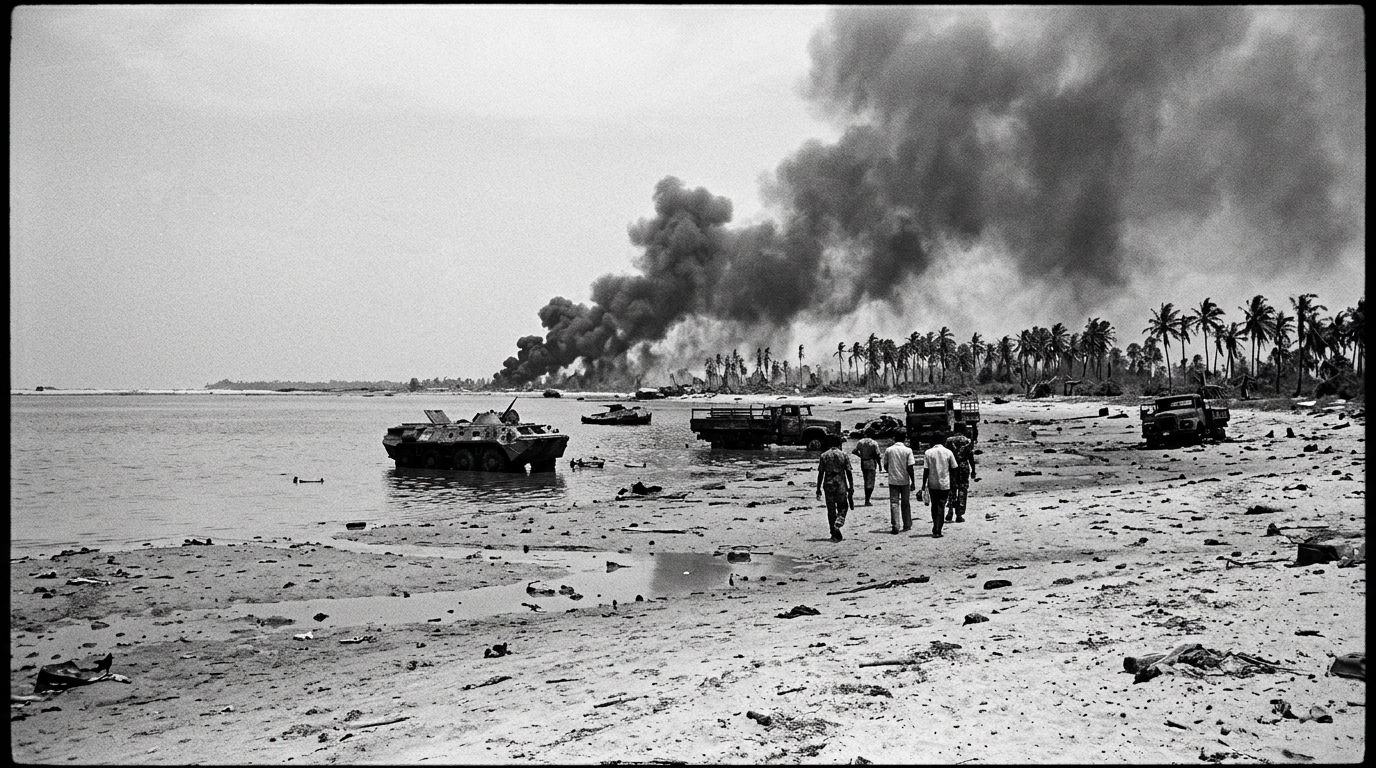
The End of the Sri Lankan Civil War in 2009: Defeat of the Tamil Tigers
The comprehensive military defeat of the Liberation Tigers of Tamil Eelam (LTTE) in 2009 marked a pivotal moment in global counter-insurgency, but its aftermath continues to spark debates on human rights, geopolitical realignments, and the complex challenges of post-conflict reconciliation in Sri Lanka.
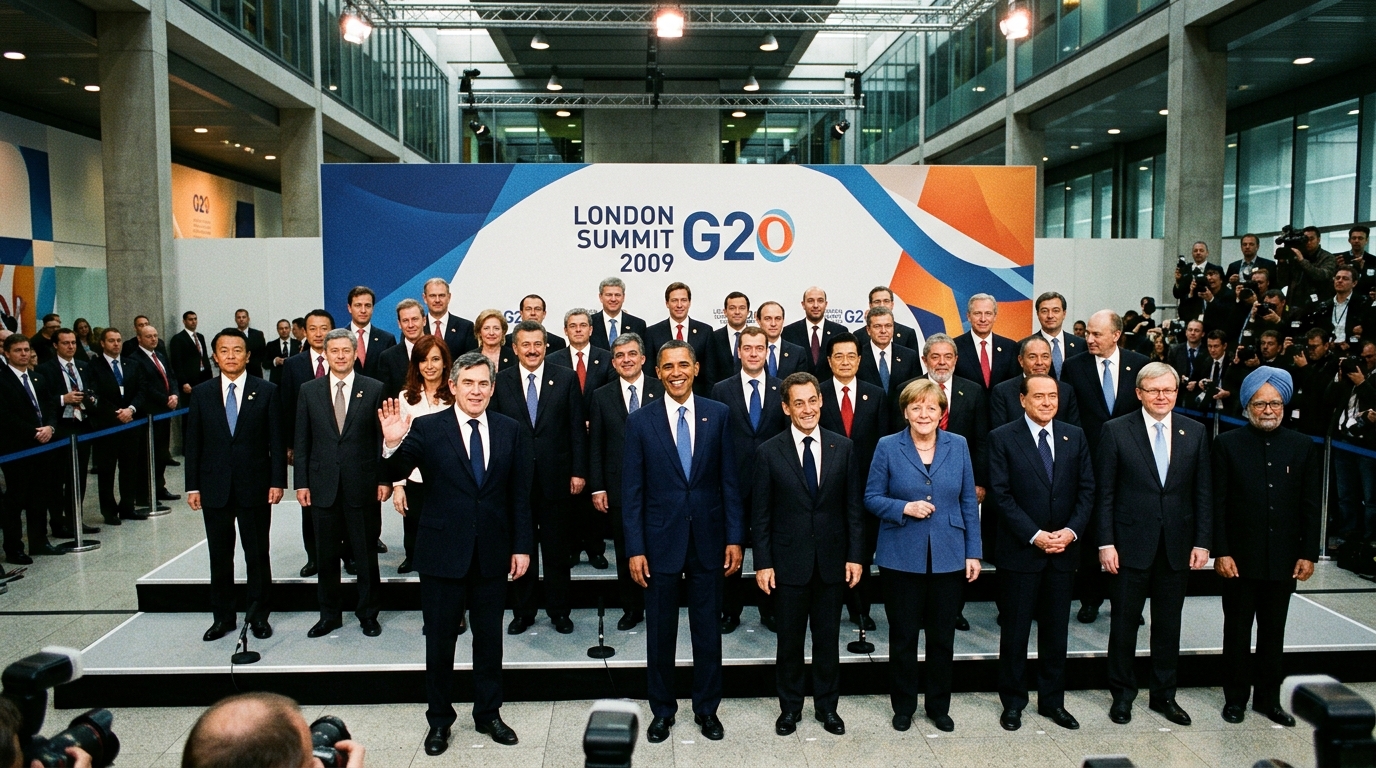
The 2009 London G20 Summit: Restructuring Global Economic Governance
An in-depth analysis of how the meeting of the world's 20 major economies decisively surpassed the G8, deploying a trillion-dollar package to manage the financial crisis and fundamentally reshaping global economic governance and power dynamics.
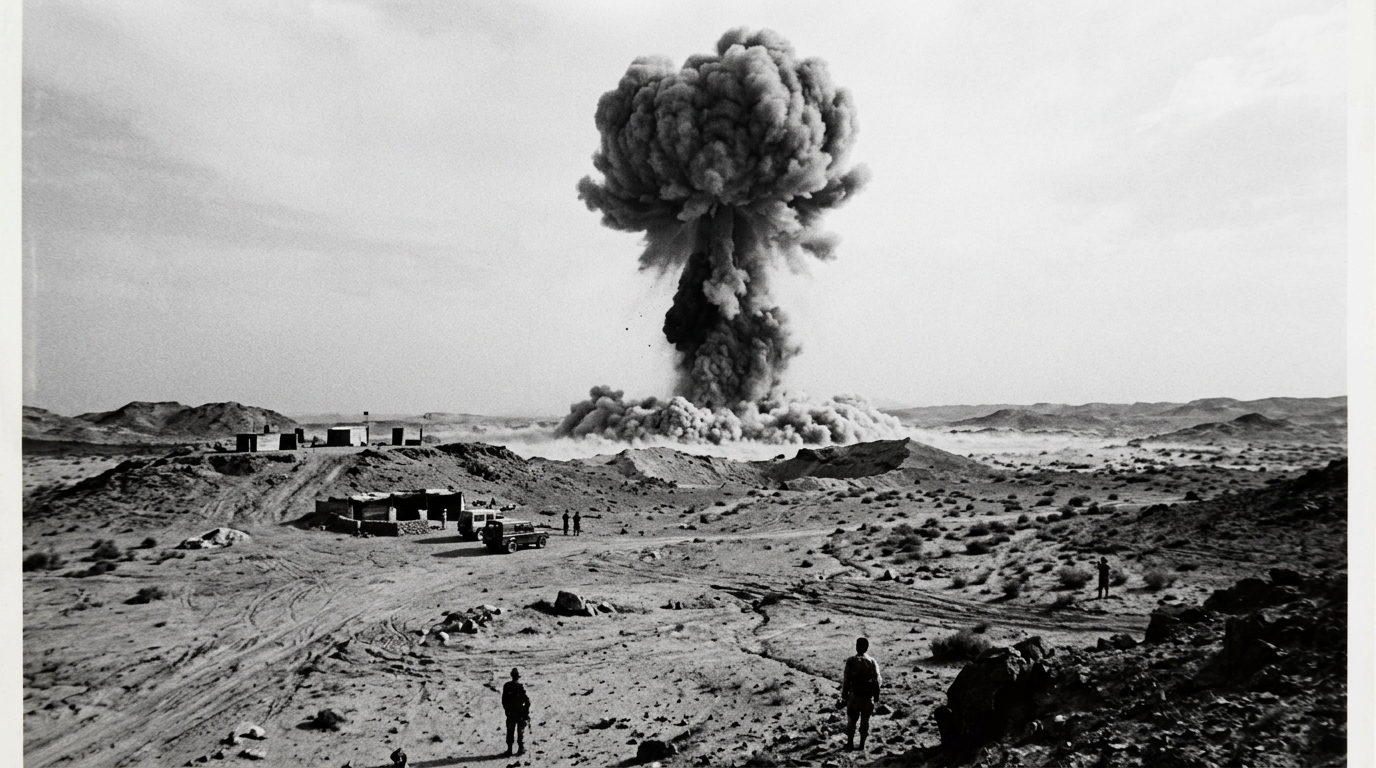
Nuclear Testing on the Subcontinent 1998: India and Pakistan Go Atomic
India's Pokhran-II underground nuclear tests and Pakistan's swift response with the Chagai-I tests, establishing both as nuclear-armed states.

The Election of Barack Obama in 2008: A Shift Toward Multilateral Diplomacy
The historic victory of Barack Obama in 2008 marked a profound repudiation of the Bush Doctrine, signaling a deliberate and comprehensive shift in US foreign policy from unilateralism to a revitalized multilateral diplomacy. This article explores the historical context, key moments, geopolitical consequences, intellectual underpinnings, and long-term legacy of this pivotal election.

The 2008 Global Financial Crisis: Geopolitical Slump of Western Hegemony
The subprime mortgage meltdown, the collapse of Lehman Brothers, and the resulting shift that boosted China's stature as a global creditor and challenged the foundations of Western economic models.
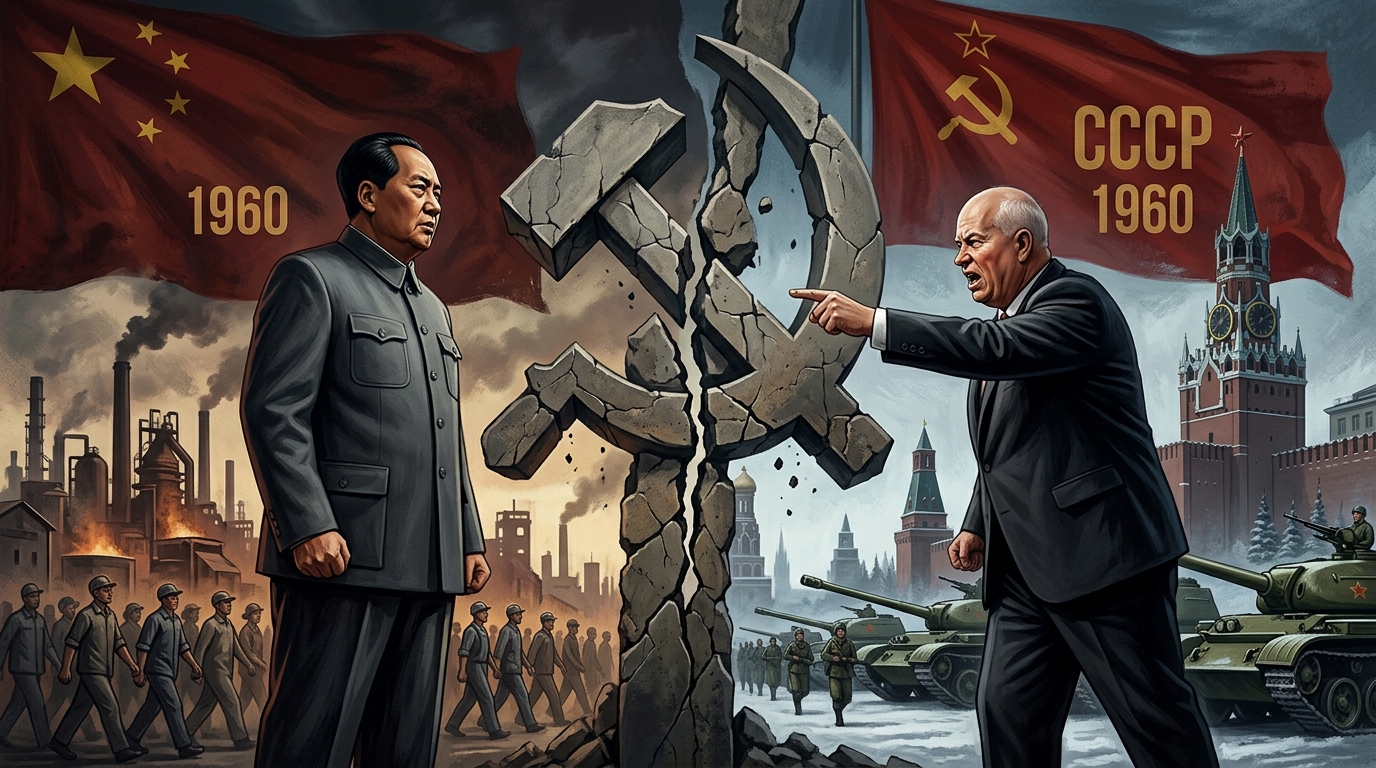
The Sino-Soviet Split: The Great Schism of the Communist World
How the two largest communist regimes in the world turned from close allies into bitter enemies and geopolitical rivals.
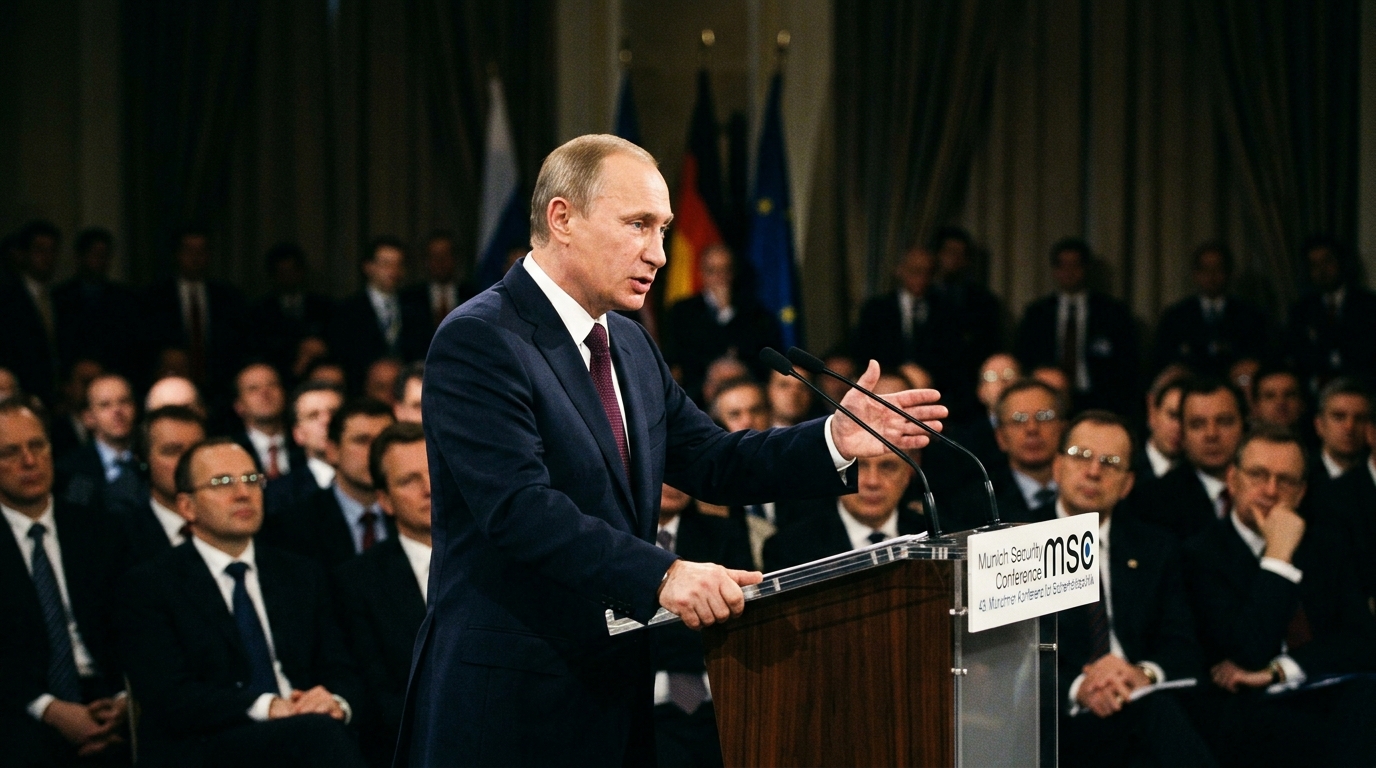
Vladimir Putin's 2007 Munich Speech: The Rejection of the Unipolar World
Vladimir Putin's landmark 2007 address at the Munich Security Conference, where he vehemently criticized perceived US dominance and unilateralism, is widely regarded as a pivotal moment marking Russia's definitive break from post-Cold War integration with the West and the formal articulation of a new, confrontational foreign policy centered on multipolarity. This speech laid the groundwork for Russia's assertive actions in the subsequent decades.

The COVID-19 Pandemic and Vaccine Geopolitics: A Struggle for Influence
The declaration of a global pandemic, lockdowns, disputes over virus origins, and the deployment of vaccines as tools of diplomatic leverage.
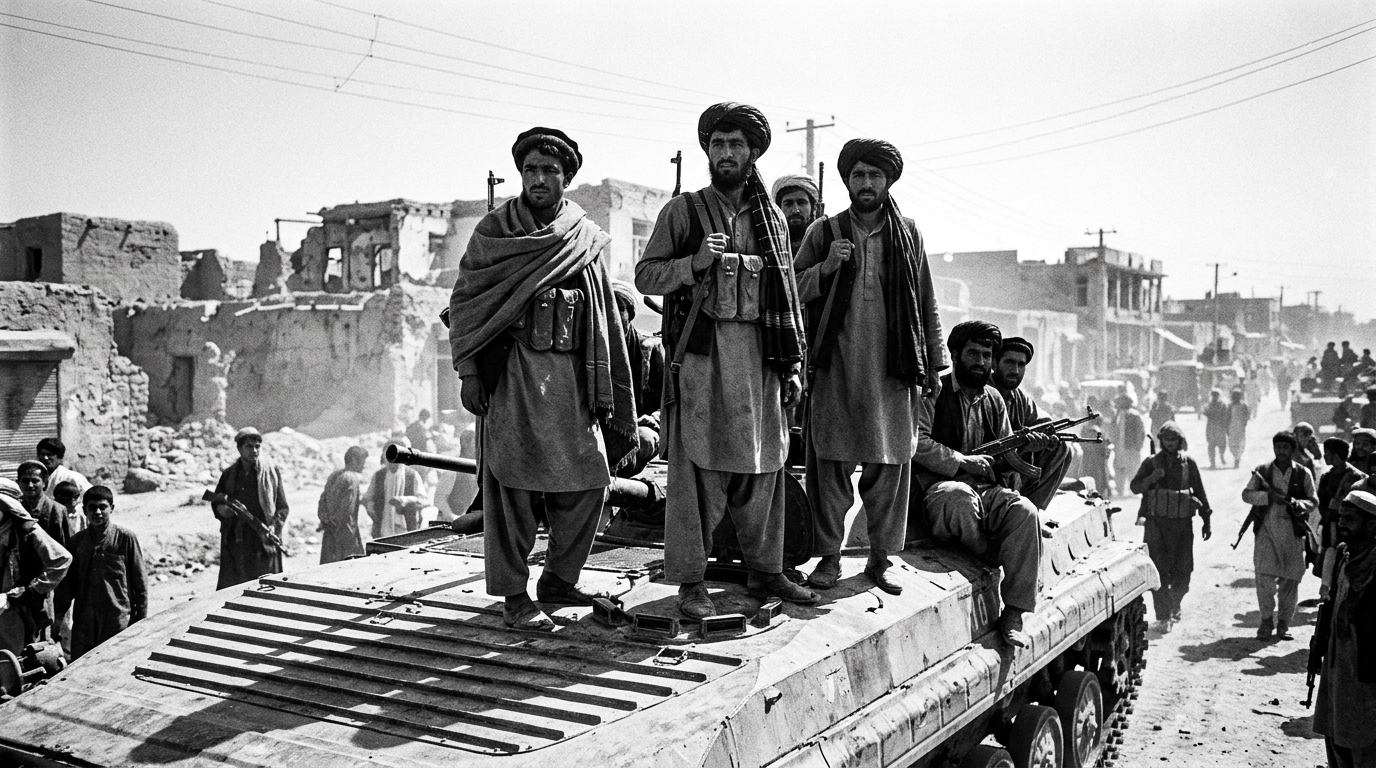
The Rise of the Taliban in Afghanistan 1996: The Islamic Fundamentalist Order
A comprehensive analysis of how the fundamentalist Taliban militia captured Kabul in 1996, enforced a strict interpretation of Sharia law, and transformed Afghanistan into a safe haven for Al-Qaeda, detailing the historical, geopolitical, and socio-economic factors at play.
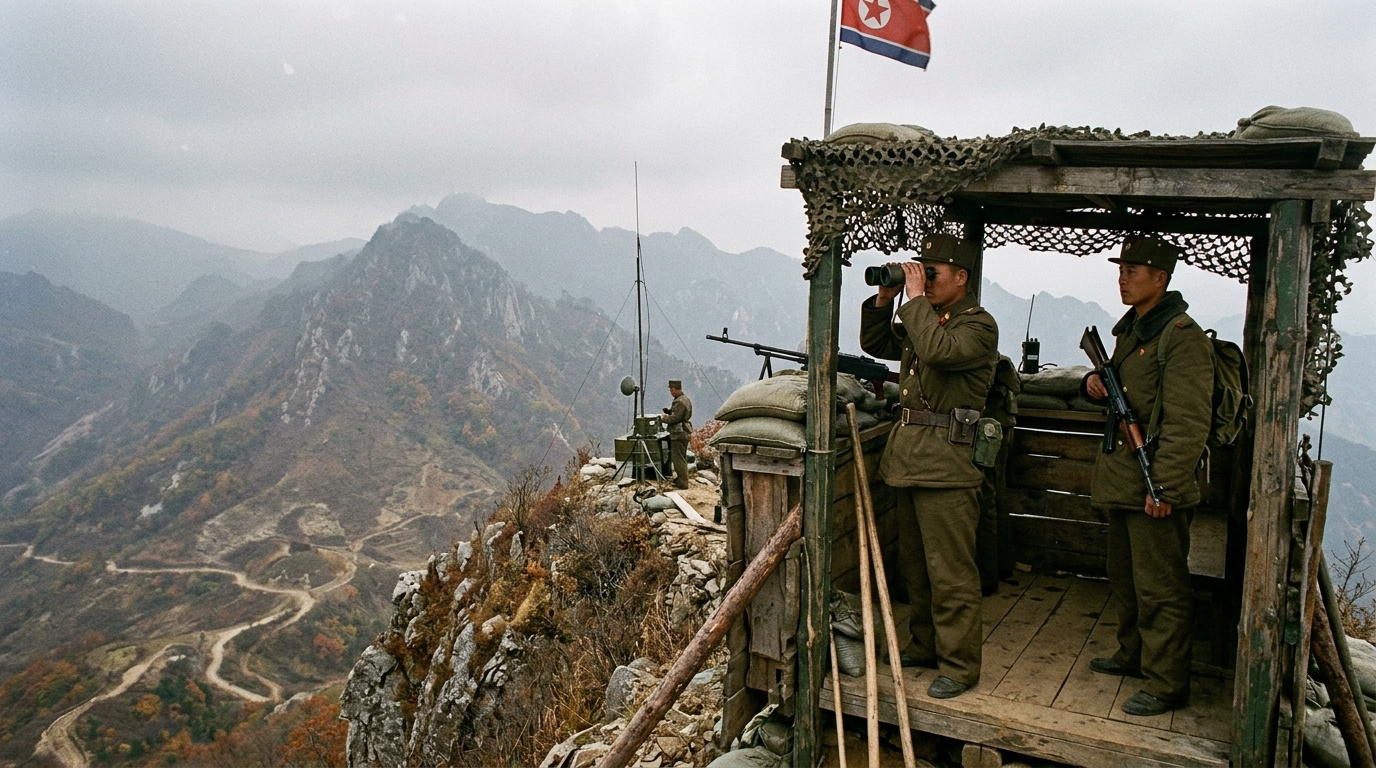
North Korea's First Nuclear Test in 2006: Joining the Atomic Club
Pyongyang's seismic 2006 underground nuclear explosion defied international warnings, shattered diplomatic frameworks, and profoundly reshaped the security architecture of Northeast Asia and the global non-proliferation landscape, marking North Korea's irreversible emergence as a de facto nuclear state.
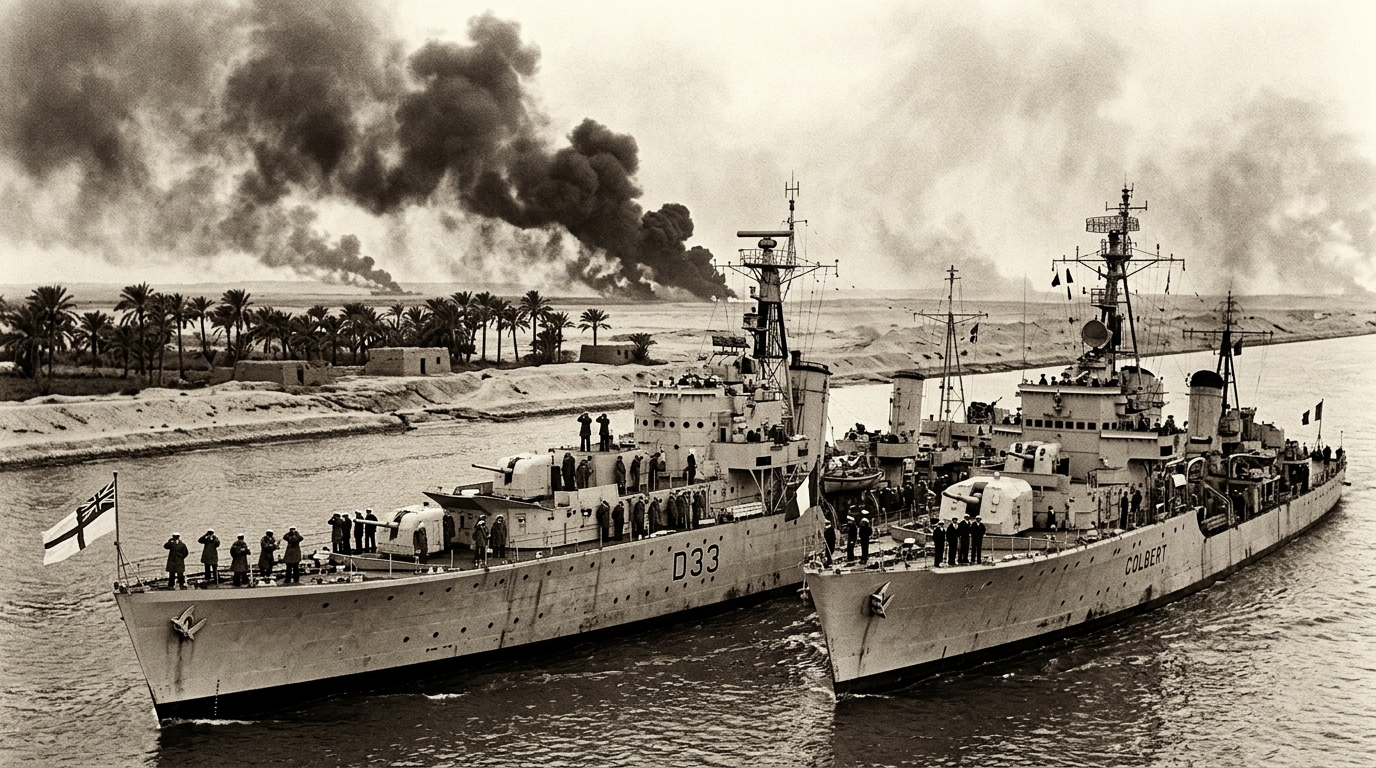
The Suez Crisis of 1956: The Eclipse of Colonial Empires
The Suez Crisis of 1956 was a pivotal geopolitical event, marked by the nationalization of the Suez Canal, a tripartite military intervention by Britain, France, and Israel, and the subsequent diplomatic crisis that irrevocably accelerated the decline of European colonial empires and fundamentally reshaped the Cold War's global dynamics. It exposed the limitations of traditional European power projection and solidified the bipolar world order dominated by the United States and the Soviet Union.

Edward Snowden's 2013 Leaks: Exposing the NSA's Global Surveillance Network
An in-depth analysis of how defense contractor Edward Snowden leaked top-secret documents, revealing the NSA's PRISM and global mass metadata surveillance programs, and the profound geopolitical and legal aftermath that reshaped the global discourse on digital privacy and national security.
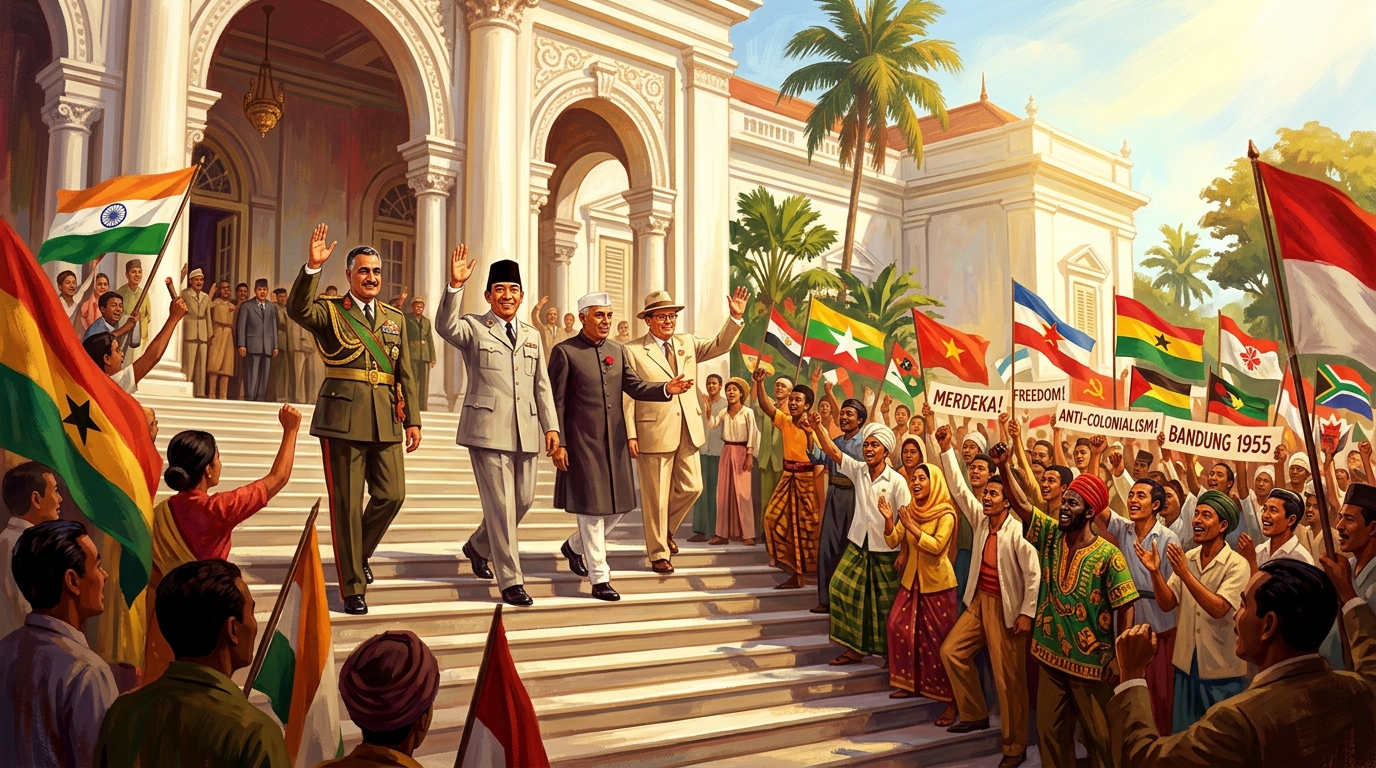
The Bandung Conference of 1955: The Awakening of the Third World
The historic gathering of Asian and African leaders in Indonesia that laid the foundations of anti-colonialism and the Non-Aligned Movement.
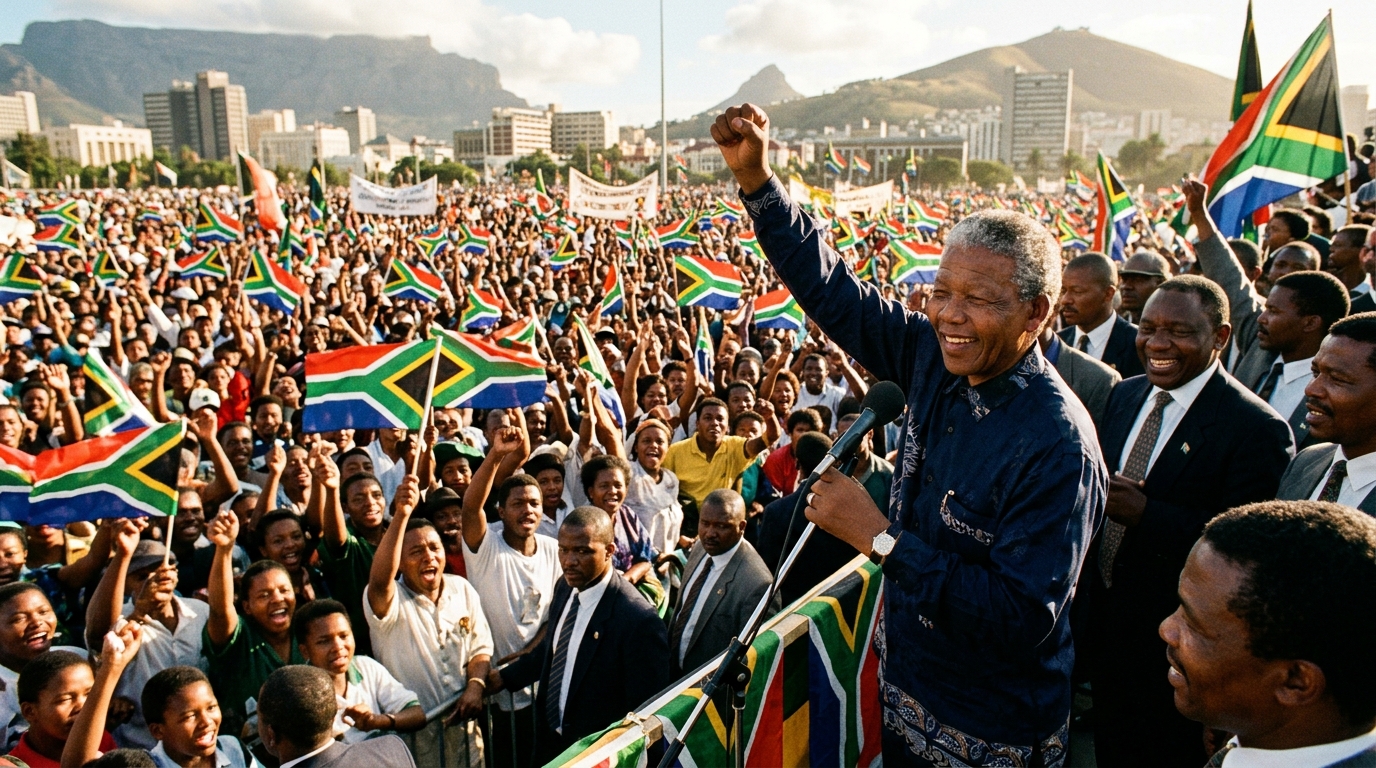
The End of Apartheid in South Africa 1994: The Victory of Nelson Mandela
A comprehensive analysis of the dismantling of South Africa's apartheid system, the historic 1994 democratic elections, and Nelson Mandela's pivotal role in national reconciliation and nation-building amidst complex internal and global pressures.
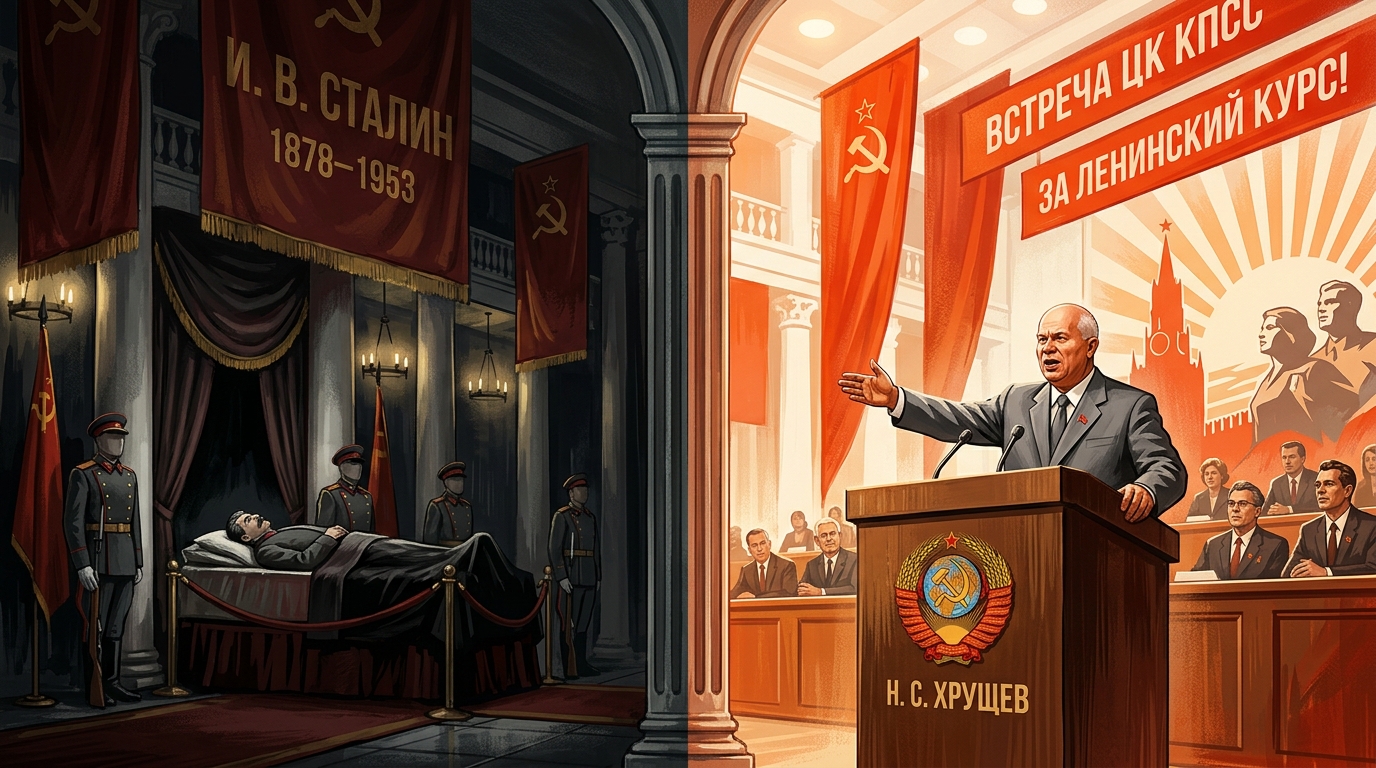
The Death of Stalin and the Khrushchev Thaw in the Soviet Union
The end of Joseph Stalin's iron rule, the elimination of Beria, and the start of the de-Stalinization process under Nikita Khrushchev.
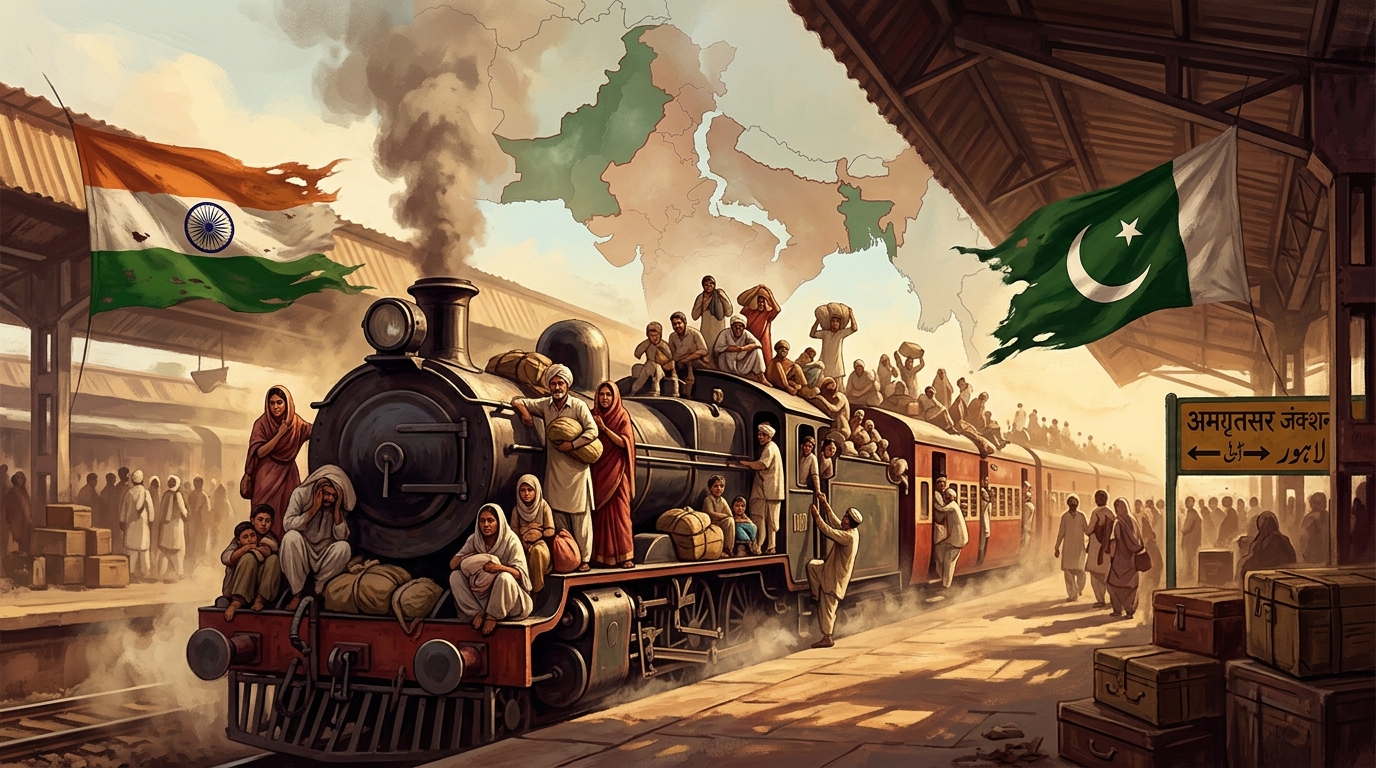
The Partition of India in 1947: The Bloodiest Birth of Nations
The end of British rule on the Indian subcontinent and the geopolitical consequences of a division that triggered mass migration and permanent conflict.
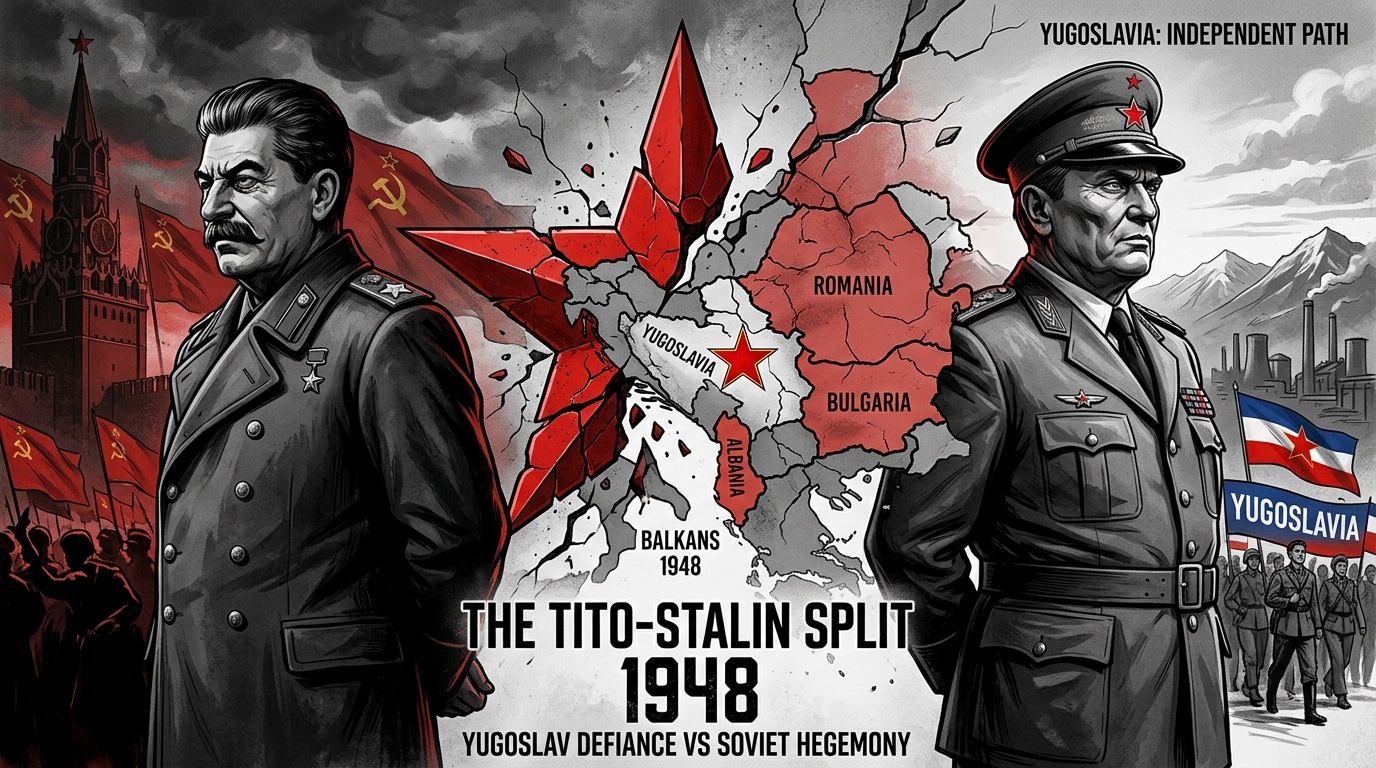
The Soviet-Yugoslav Split of 1948: How Tito Defied Stalin
An analysis of the biggest ideological and political earthquake in the communist world: how Yugoslavia said 'no' to Stalin and survived Soviet threats.
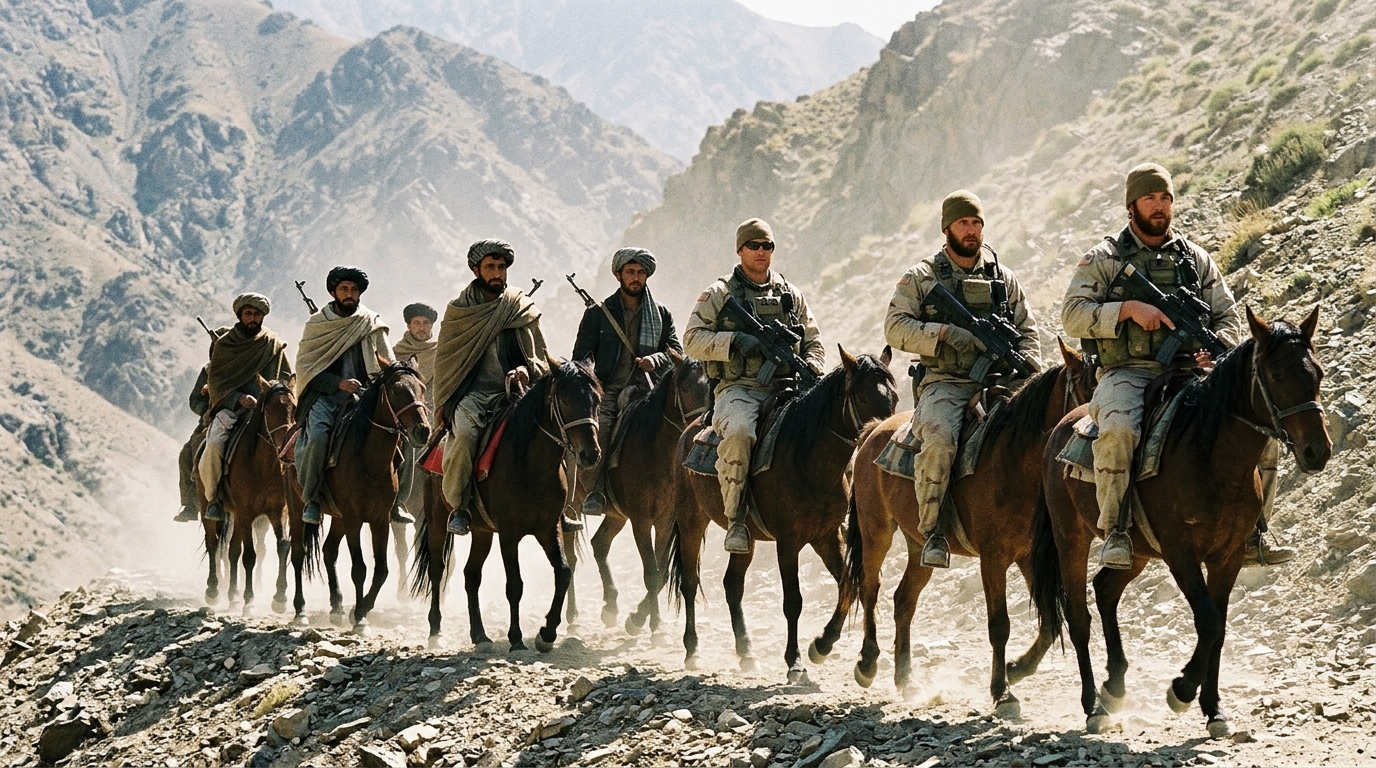
The Invasion of Afghanistan 2001: The Fall of the Taliban and the Longest War
Operation Enduring Freedom: the rapid collapse of the Taliban regime with Northern Alliance ground support, and the installation of a new government. This article details the historical context, military strategy, geopolitical consequences, and long-term legacy of the initial invasion and the subsequent nation-building challenges.