Key Takeaways
- The August 2022 visit represented the highest-level visit by a U.S. official to Taiwan in 25 years, marking a pivotal shift in cross-strait diplomacy.
- China responded with unprecedented military exercises, effectively declaring a 'new normal' that challenged the informal median line in the Taiwan Strait.
- The crisis underscored the hardening of U.S.-China relations and the transition from strategic ambiguity to a more volatile era of competitive posturing.
Historical Context and Origins
The geopolitical architecture of the Taiwan Strait has remained one of the most volatile points of friction in the international order since the conclusion of the Chinese Civil War in 1949. For over seven decades, the island of Taiwan has functioned as a self-governed democracy, while the People’s Republic of China (PRC) has maintained an unwavering commitment to "reunification," by force if necessary. Understanding the depth of this friction requires a journey back to the very foundations of the modern Chinese state and the evolution of U.S. foreign policy in Asia.
The Chinese Civil War and the Retreat to Taiwan: The conflict between the Nationalist Kuomintang (KMT) forces led by Chiang Kai-shek and Mao Zedong's Communist Party of China (CPC) culminated in the KMT's retreat to Taiwan (then Formosa) in 1949. Chiang’s Republic of China (ROC) government re-established itself in Taipei, maintaining its claim as the legitimate government of all China. Beijing, for its part, declared the founding of the People’s Republic of China and considered Taiwan a renegade province that would eventually be brought under mainland control. This unresolved civil war laid the groundwork for the enduring cross-strait dispute.
U.S. Policy Evolution: From Recognition to Ambiguity: Initially, the United States recognized the ROC government in Taipei as the legitimate representative of China. However, the exigencies of the Cold War and the strategic imperative of engaging Beijing against the Soviet Union led to a profound shift. President Richard Nixon's historic visit to China in 1972 paved the way for the "Shanghai Communiqué," which acknowledged, but did not endorse, Beijing's "One China" principle—that there is only one China and Taiwan is part of it. Full diplomatic relations between the U.S. and the PRC were established in 1979, necessitating the derecognition of the ROC government in Taiwan.
To balance this shift, the U.S. Congress passed the Taiwan Relations Act (TRA) in 1979. This landmark legislation effectively became the bedrock of unofficial U.S.-Taiwan relations. The TRA mandates that the U.S. "consider any effort to determine the future of Taiwan by other than peaceful means... a threat to the peace and security of the Western Pacific area and of grave concern to the United States." It also commits the U.S. to provide Taiwan with "arms of a defensive character" and "to maintain the capacity of the United States to resist any resort to force or other forms of coercion that would jeopardize the security, or the social or economic system, of the people on Taiwan." This carefully crafted language formed the basis of "strategic ambiguity," a policy designed to deter both a premature declaration of independence by Taiwan (which Beijing would view as a casus belli) and a unilateral invasion by the PRC (by leaving open the possibility of U.S. military intervention).
The Erosion of Strategic Ambiguity: While enduring for decades, this delicate balance began to fray, particularly in the 2010s and 2020s. Under the leadership of President Xi Jinping, China adopted an increasingly assertive foreign policy, characterized by the pursuit of the "Great Rejuvenation of the Chinese Nation" and the "Chinese Dream." This vision explicitly lists the integration of Taiwan as a non-negotiable objective, with Xi repeatedly stating that the "Taiwan question cannot be passed down from generation to generation." Beijing's military modernization, including significant advancements in naval and air power, and its escalating "grey-zone" tactics against Taiwan (e.g., frequent air incursions, naval patrols crossing the median line), reflected a growing capability and willingness to project power across the strait.
Simultaneously, in the United States, a bipartisan consensus emerged that viewed China as the primary "strategic competitor" and a rising authoritarian threat to the liberal international order. Concerns over human rights in Xinjiang and Hong Kong, intellectual property theft, and aggressive behavior in the South China Sea hardened U.S. attitudes. Within this climate, Nancy Pelosi, serving as the Speaker of the House—a position of immense symbolic and political weight, third in the line of presidential succession—announced her intention to visit Taipei as part of an Asian tour. This decision was not merely a diplomatic gesture but a significant signal of American resolve in the face of growing authoritarian encroachment in the Indo-Pacific, albeit one that generated considerable internal debate within the U.S. administration itself regarding its timing and potential consequences. The last U.S. House Speaker to visit Taiwan was Newt Gingrich in 1997, a visit that also drew strong condemnation from Beijing but did not elicit the same scale of military response, reflecting both China's dramatically enhanced capabilities and its sharpened geopolitical assertiveness over the intervening 25 years.
Historical Precedents and Parallels
The 2022 Pelosi visit and China's subsequent military drills were not without historical precedent, though the scale and nature of the Chinese response marked a significant escalation. Comparing this crisis to previous Taiwan Strait confrontations provides critical context for understanding its long-term implications.
The First and Second Taiwan Strait Crises (1954-1955 and 1958)
These early crises stemmed from the PRC's attempts to "liberate" Taiwan and the small, Nationalist-held offshore islands of Kinmen (Quemoy) and Matsu.
- First Crisis (1954-1955): Triggered by PLA shelling of Kinmen and Matsu, the U.S. responded by signing the Mutual Defense Treaty with the Republic of China (Taiwan) in December 1954, committing to Taiwan's defense. President Dwight D. Eisenhower also sought and received congressional authorization for the use of U.S. military force to protect Taiwan and its adjacent islands. This crisis saw the U.S. deploying significant naval assets to the region, including aircraft carriers, and even tacitly threatening the use of tactical nuclear weapons to deter a full-scale PRC invasion.
- Second Crisis (1958): Again focused on Kinmen and Matsu, this crisis involved intense artillery duels and naval engagements. The U.S. directly supported the ROC military, providing advanced weaponry and escorting supply convoys to the islands. U.S. air superiority was decisive, preventing the PLA from achieving its objectives. Ultimately, the crisis de-escalated into an alternating-day shelling policy, establishing a kind of uneasy status quo.
Key takeaway: In these early crises, the U.S. demonstrated overt military commitment to Taiwan's defense and possessed overwhelming military superiority in the region. The PLA's capabilities were limited, and its objectives were often confined to psychological warfare and testing U.S. resolve.
The Third Taiwan Strait Crisis (1995-1996)
This crisis is the most direct and relevant historical parallel to the 2022 events. It was triggered by the U.S. decision to grant a visa to ROC President Lee Teng-hui for a "private" visit to his alma mater, Cornell University, in June 1995. Beijing, viewing Lee's visit as a dangerous step towards formal Taiwanese independence, reacted with fury.
- Chinese Response: The PLA conducted a series of "missile tests" and large-scale live-fire military exercises in the waters surrounding Taiwan. These drills included ballistic missile launches that impacted waters close to Taiwan's major ports, aiming to intimidate the island and influence Taiwan's first direct presidential election in March 1996.
- U.S. Response: The U.S. responded decisively by deploying two aircraft carrier battle groups—the USS Nimitz and the USS Independence—to the region. The Nimitz transited the Taiwan Strait itself, a highly symbolic and powerful demonstration of U.S. resolve and freedom of navigation. This move sent an unmistakable signal to Beijing that the U.S. would not tolerate military coercion against Taiwan.
Key Differences and Parallels with 2022:
| Feature | 1995-1996 Crisis | 2022 Pelosi Visit Crisis |
|---|---|---|
| Trigger | ROC President Lee Teng-hui's visit to the U.S. | U.S. House Speaker Nancy Pelosi's visit to Taiwan. |
| Chinese Capability | PLA was significantly less modernized; primarily a land-based force. Limited precision strike capability. | PLA vastly modernized; multi-domain capabilities (air, navy, missiles, cyber, space). Demonstrated precision and encirclement. |
| Chinese Drills | Missile tests and large-scale exercises; less sophisticated, no full encirclement. | Multi-day, multi-zone encirclement drills, live-fire exercises, ballistic missiles over Taiwan, naval/air incursions. |
| U.S. Response | Direct deployment of two aircraft carrier battle groups through the Strait. Clear, overt military deterrence. | USS Ronald Reagan carrier strike group maintained presence in the Western Pacific but did not directly enter exercise zones. More circumspect. |
| "Median Line" | Largely respected. | Systematically and repeatedly breached, effectively erased as an unofficial buffer. |
| Geopolitical Context | Post-Cold War, U.S. unipolar moment. China less integrated globally. | Heightened U.S.-China rivalry, "Indo-Pacific strategy." China a major economic and military power. |
| Outcome | Crisis de-escalated, Taiwan proceeded with democratic elections. Status quo largely maintained. | "New normal" of increased Chinese military presence and pressure around Taiwan. Status quo fundamentally altered. |
The 2022 crisis thus represents a qualitative leap in China's capacity to project power and a strategic shift in its approach to Taiwan. Unlike 1996, the U.S. did not directly challenge China's exercise zones with its own military assets in a similar overt manner, reflecting both a changed balance of power and a desire to avoid direct confrontation in highly sensitive areas.
Timeline of Events and Key Moments
The escalation of the crisis followed a rapid, high-stakes trajectory, characterized by escalating rhetoric, strategic posturing, and ultimately, unprecedented military action.
| Date | Key Event | Description |
|---|---|---|
| July 19, 2022 | First reports of Pelosi's potential Taiwan visit. | Financial Times reports Speaker Pelosi plans to visit Taiwan in August. This immediately sparks an internal debate within the Biden administration, with President Biden publicly stating, "The military thinks it's not a good idea right now." |
| July 28, 2022 | Xi Jinping's warning to President Biden. | During a phone call, Chinese President Xi Jinping tells U.S. President Joe Biden that "those who play with fire will perish by it" regarding Taiwan, signaling Beijing's extreme displeasure and red lines. |
| July 29, 2022 | Speaker Pelosi departs on an Asian tour; Taiwan is initially excluded from the official itinerary. | Pelosi begins her multi-nation Asian tour (Singapore, Malaysia, South Korea, Japan). The official itinerary initially omits Taiwan, maintaining an air of suspense, but widespread speculation continues. |
| August 1, 2022 | Chinese military warnings intensify. | Chinese state media and officials issue stark warnings, including threats of military countermeasures. China's Eastern Theater Command releases a propaganda video showcasing military readiness. |
| August 2, 2022 | Pelosi lands in Taipei, defying intense warnings from the Chinese Foreign Ministry. | Speaker Pelosi's U.S. Air Force C-40C military transport plane (SPAR19) lands at Songshan Airport in Taipei at approximately 10:43 PM local time. This act is a direct defiance of Beijing's repeated and escalating warnings, becoming the highest-level U.S. visit in 25 years. The flight itself becomes the most tracked in Flightradar24's history, with over 700,000 global users monitoring its indirect route from Kuala Lumpur, designed to avoid the South China Sea. |
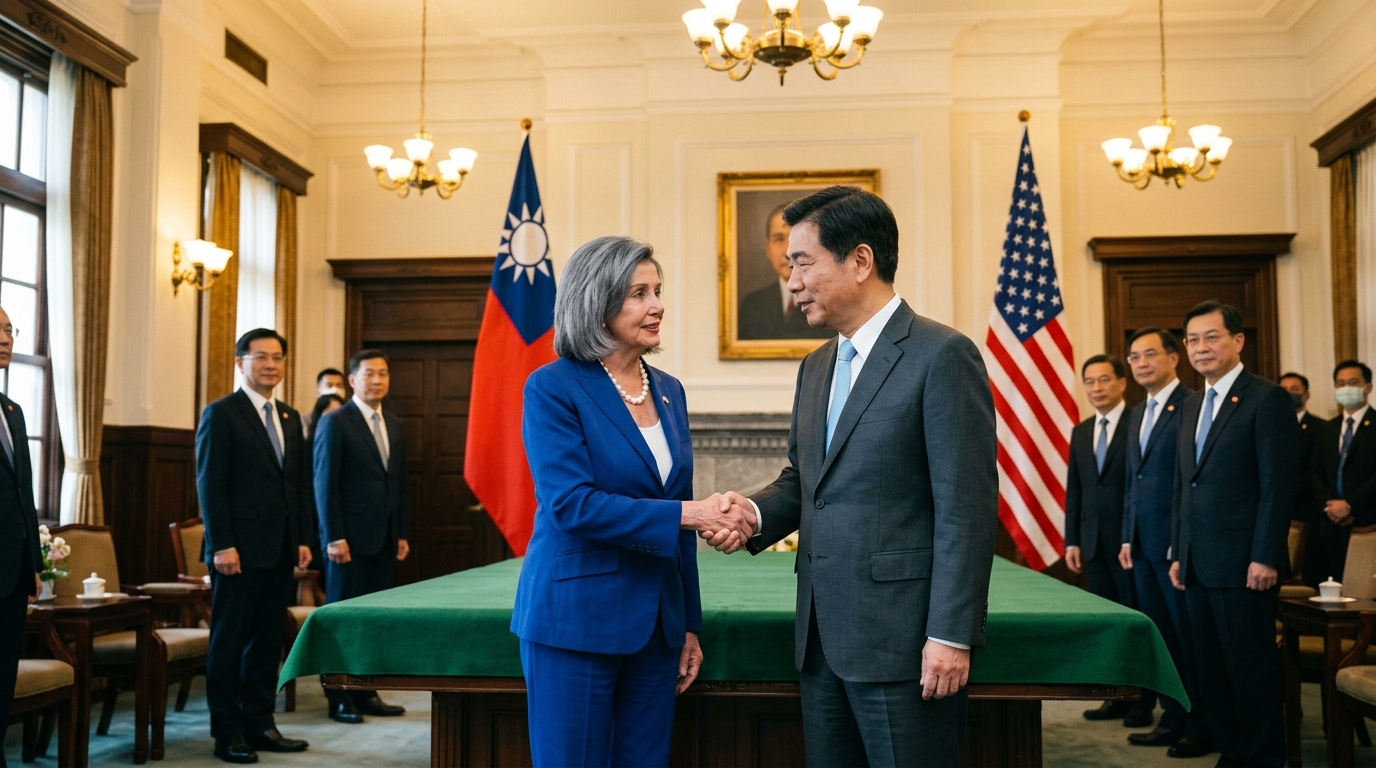
| August 3, 2022 | Pelosi meets with President Tsai Ing-wen and addresses the Legislative Yuan. | Pelosi holds high-profile meetings with Taiwanese President Tsai Ing-wen, affirming unwavering U.S. commitment to Taiwan's democracy and self-defense. She addresses the Legislative Yuan, emphasizing shared democratic values and condemning authoritarianism. China's Foreign Minister Wang Yi denounces the visit as a "manic, irresponsible and highly irrational act." |
| August 4, 2022 | The PLA begins massive, live-fire military exercises in six zones surrounding Taiwan. | In response to Pelosi's departure, the PLA launches unprecedented military exercises, effectively surrounding Taiwan. These drills involve live ammunition, naval vessels, and combat aircraft, with six designated exclusion zones, some overlapping Taiwan's territorial waters and airspace. The exercises simulate a blockade and invasion. |
| August 5, 2022 | China imposes sanctions, Taiwan faces cyberattacks. | China imposes sanctions on Pelosi and her immediate family. Taiwan's government agencies, including the Presidential Office, Ministry of Foreign Affairs, and Ministry of National Defense, report a significant increase in cyberattacks and information warfare operations, with public screens across Taiwan displaying pro-Beijing and anti-Pelosi messages. |
| August 7, 2022 | Exercises continue, including ballistic missile launches that pass over Taipei. | The PLA continues its military drills, showcasing advanced capabilities. Multiple Dongfeng series ballistic missiles are launched, some reportedly flying directly over Taiwan's capital, Taipei, at high altitudes, and others landing in Japan's Exclusive Economic Zone (EEZ), drawing condemnation from Tokyo. |
| August 8, 2022 | Initial exercises conclude, but military pressure persists. | China announces the formal conclusion of the largest-ever drills but immediately declares further "regular" military patrols and exercises, signaling a sustained increase in military pressure around Taiwan. |
The visit was met with immediate, visceral condemnation from Beijing. The Chinese government characterized the landing as a "malicious provocation" and a "gross interference in China's internal affairs," accusing the U.S. of violating its "One China" principle. The unprecedented scale and duration of the military exercises sent a clear message: China possessed the capability and the political will to dramatically escalate pressure on Taiwan.
"Those who play with fire will perish by it. It is hoped that the US will be clear-eyed about this." — Statement from the Chinese Ministry of Foreign Affairs, reiterated and amplified throughout the crisis.
Geopolitical Consequences and Aftermath
The immediate aftermath of the visit was a fundamental alteration of the status quo in the Taiwan Strait. The military exercises initiated by the People's Liberation Army (PLA) were not merely symbolic; they served as a dress rehearsal for a potential blockade or invasion, demonstrating a qualitative shift in China's operational capabilities and strategic intent.
The End of the Median Line
For decades, the "median line"—an informal maritime boundary located roughly halfway between the coasts of mainland China and Taiwan—served as a crucial, albeit unofficial, buffer zone. It was initially conceived by a U.S. Air Force general in the 1950s to prevent accidental clashes and was largely respected by both sides through tacit agreement. Taiwanese forces would generally operate to the east of the line, and PLA forces to the west.
The 2022 exercises shattered this convention. Chinese aircraft and naval vessels systematically and repeatedly crossed the median line, entering what Taiwan considers its restricted waters and even conducting drills within Taiwan’s contiguous zone. This aggressive posture effectively rendered the median line obsolete, signaling a permanent increase in military pressure. Subsequent to the visit, Chinese military incursions across the line became routine, narrowing the reaction time for Taiwan’s air defense forces and forcing Taipei to maintain a higher state of combat readiness. This erosion of a longstanding de-escalation mechanism significantly heightens the risk of accidental encounters and miscalculation, moving the strategic interaction from a "status quo" to a "new normal" defined by persistent Chinese military presence closer to Taiwan.
Economic and Technological Fallout
The crisis accelerated "de-risking" strategies among Western nations, particularly concerning global supply chains. Taiwan produces the vast majority of the world's most advanced semiconductors (fabricated by Taiwan Semiconductor Manufacturing Company, or TSMC), which are indispensable for everything from smartphones and artificial intelligence to defense systems. The blockade drills highlighted the extreme vulnerability of the global supply chain to conflict in the region.
- Semiconductor Dependency: The global economy's reliance on TSMC became starkly apparent. A disruption in chip supply from Taiwan would cripple industries worldwide, leading to economic recession and potential national security risks for technologically advanced nations.
- "De-risking" vs. "Decoupling": The Pelosi visit catalyzed policy discussions in the U.S. and Europe towards "de-risking" – diversifying supply chains away from over-reliance on any single region, particularly one as geopolitically fraught as the Taiwan Strait. While not a full "decoupling" from China, it spurred efforts to build resilience.
- Policy Responses: The U.S. accelerated the CHIPS and Science Act, passed shortly after Pelosi's visit, allocating billions to bolster domestic semiconductor research and manufacturing. Similarly, the European Union moved forward with its own EU Chips Act. Japan also announced significant investments to attract chip manufacturers, including TSMC itself, to set up facilities within its borders.
- Direct Economic Measures: In addition to military pressure, Beijing imposed punitive economic measures on Taiwan, banning imports of certain Taiwanese agricultural products and seafood, ostensibly due to phytosanitary concerns. These actions were aimed at inflicting economic pain and signaling China's willingness to use economic coercion.
The long-term economic fallout suggests a gradual but persistent reshaping of global manufacturing and technology supply chains, driven by geopolitical concerns rather than purely economic efficiency.
Shifting Regional Security Dynamics
The Pelosi visit and China's response had profound implications for regional security architectures, accelerating existing trends and forging new alignments.
- Japan's Response: Tokyo, having had five Chinese ballistic missiles land in its Exclusive Economic Zone (EEZ) during the drills, reacted with strong condemnation. The crisis solidified a growing consensus within Japan that "a Taiwan contingency is a Japan contingency." This led to an acceleration of Japan's defense buildup, including plans to acquire counter-strike capabilities and a significant increase in its defense budget, moving away from its post-war pacifist stance. It also pushed Japan into closer security cooperation with the U.S. and other like-minded partners.
- South Korea and ASEAN: South Korea, while expressing concern, maintained a more cautious diplomatic stance, carefully balancing its strategic alliance with the U.S. against its significant economic ties with China. Member states of ASEAN (Association of Southeast Asian Nations) generally called for de-escalation and stressed the importance of peace and stability in the region, reflecting their own vulnerabilities to regional conflict and their preference for non-alignment in superpower rivalries.
- Quad and AUKUS: The crisis underscored the strategic importance of existing security groupings like the Quad (U.S., Japan, Australia, India) and AUKUS (Australia, U.K., U.S.). These alliances, focused on Indo-Pacific security and counterbalancing China's influence, found renewed purpose and urgency in the face of Beijing's escalating assertiveness.
- Increased Militarization: Across the Indo-Pacific, the crisis prompted many nations to re-evaluate their defense postures, potentially leading to increased defense spending, arms acquisitions, and closer military cooperation with the United States. The perceived threat from China's growing military might became more tangible, fueling a regional arms race.
Analysis of Key Actors and Decisive Actions
The actions and reactions of the primary protagonists—Nancy Pelosi, Xi Jinping, and Tsai Ing-wen—were critical in shaping the crisis and its immediate aftermath.
Nancy Pelosi: Symbolic Diplomacy and Democratic Solidarity
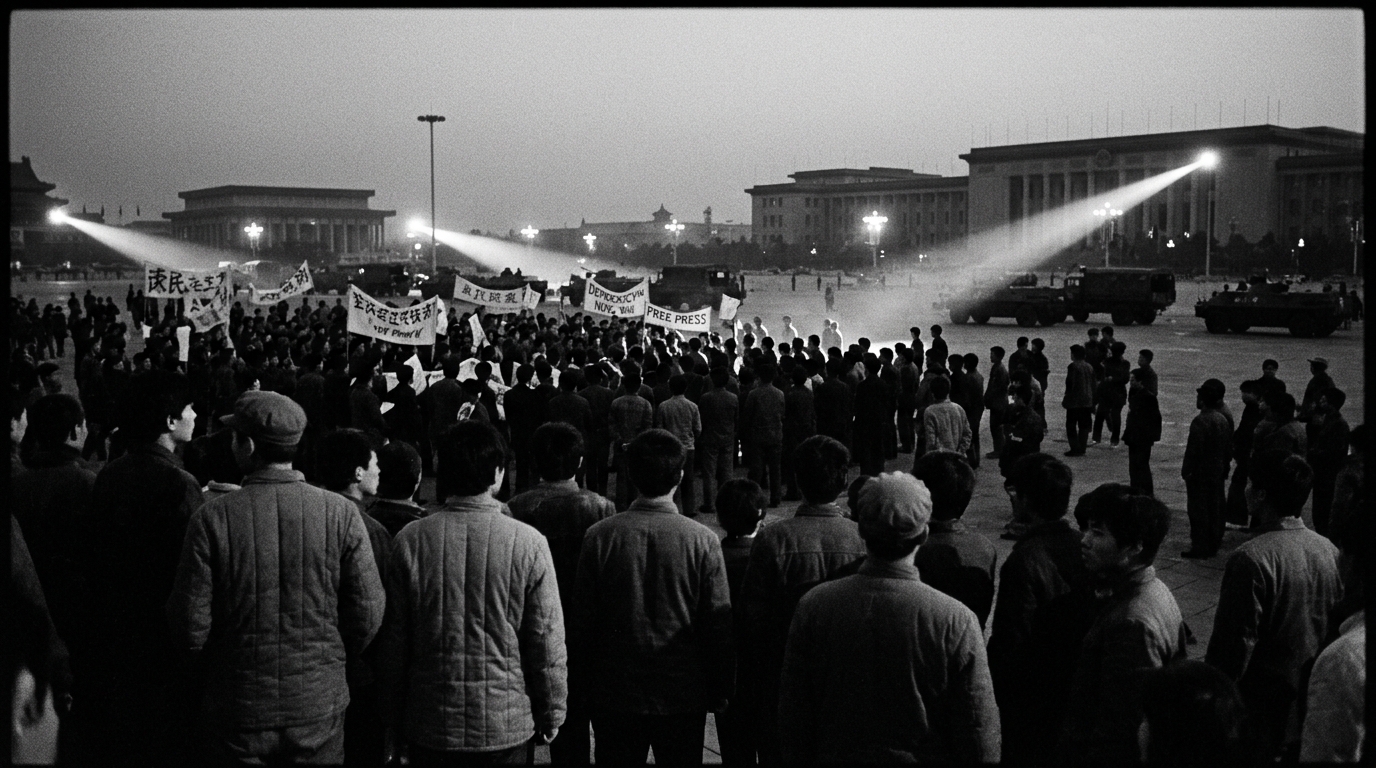
Speaker Pelosi’s visit was deeply rooted in her long-standing commitment to human rights and democracy, particularly in relation to China. Throughout her career, she had been a vocal critic of the Chinese Communist Party (CCP), notably unfurling a banner in Tiananmen Square in 1991 commemorating victims of the 1989 crackdown, and consistently meeting with dissidents and the Dalai Lama. For Pelosi, the Taiwan visit was a culmination of this legacy, a powerful demonstration that the United States would not be intimidated by "red lines" drawn by Beijing and would stand in solidarity with democratic allies.
- Motivations: Beyond her personal convictions, Pelosi aimed to reaffirm the U.S. commitment to the Taiwan Relations Act and to demonstrate tangible support for Taiwan’s vibrant democracy. Her visit signaled that the U.S. Congress, a co-equal branch of government, would exercise its prerogative in foreign policy and would not be dictated to by an authoritarian power.
- Internal Debate: The trip generated considerable debate within the U.S. establishment. While some, including members of the Biden administration, expressed reservations about the timing, fearing it would provoke a crisis and divert attention from the war in Ukraine, proponents argued that yielding to Chinese threats would embolden Beijing's expansionism elsewhere and undermine U.S. credibility. Pelosi herself asserted her right to travel, viewing any cancellation under Chinese pressure as a concession that would weaken democratic resolve globally.
- Impact: By successfully completing the visit, Pelosi achieved a powerful symbolic victory. It highlighted U.S. commitment to democratic values, rallied support for Taiwan globally, and arguably strengthened the island's international standing. It also put Beijing on the defensive, forcing it to react forcefully and reveal the extent of its military capabilities and intentions.
Xi Jinping: Managing Domestic Expectations and Projecting Strength
For Chinese President Xi Jinping, the Pelosi visit presented a significant political challenge, especially coming just months before the crucial 20th Party Congress where he was expected to secure an unprecedented third term. Having positioned himself as the strong leader who would "solve" the Taiwan question and oversee China’s "national rejuvenation," a failure to react decisively to what Beijing viewed as a severe violation of its sovereignty would have been perceived as a sign of weakness among the Chinese nationalist base and within the CCP elite.
- The "Red Line": Beijing had communicated in no uncertain terms that Pelosi's visit would be a "red line." The intense rhetoric was partly a result of miscalculation, having likely underestimated Pelosi’s determination, but also reflected a genuine belief that such a high-level visit by a U.S. official challenged the core tenets of the "One China" principle.
- Demonstrating Resolve: The subsequent military exercises were calibrated to demonstrate overwhelming strength to a domestic audience and to Taiwan, while carefully avoiding an outright kinetic conflict that neither side was prepared to sustain. The scale, duration, and proximity of the drills showcased the PLA's advanced capabilities, particularly its ability to enforce a blockade and project power across the strait. It also served as a training exercise for potential future operations.
- Domestic Narrative: Chinese state media played a crucial role in shaping public opinion, portraying Pelosi's visit as a grave insult orchestrated by "American imperialists" and the PLA's response as a righteous and victorious defense of national sovereignty. This narrative reinforced Xi's image as a strong, unwavering leader protecting China's core interests.
Tsai Ing-wen: The Measured Response and Sustaining Democratic Resilience
Taiwanese President Tsai Ing-wen played a crucial role in managing the crisis with a combination of steadfast resolve and measured diplomacy. Her administration navigated the immense pressure from Beijing while reaffirming Taiwan's democratic identity and seeking international support.
- Welcoming the Visit: Tsai's government officially welcomed Pelosi, framing the visit as a routine occurrence for an elected leader from a friendly nation and a testament to the robust U.S.-Taiwan relationship. This approach avoided inflammatory rhetoric that could have been used by Beijing to further justify an immediate escalation.
- Maintaining Calm: During the intense military drills, Tsai’s administration prioritized calm and transparency. It provided regular updates on PLA activities, reassured its citizens, and demonstrated to the international community that Taiwan is a responsible stakeholder committed to preserving regional peace and the status quo, rather than being a provocateur.
- Reinforcing Identity: The crisis also provided an opportunity for Tsai to reinforce Taiwan’s distinct democratic identity, contrasting it with mainland China’s authoritarian system. Her engagement with Pelosi underscored the shared values between Taiwan and democratic nations, strengthening calls for international solidarity.
- Global Appeals: Tsai’s government actively engaged with international partners, condemning China’s aggressive military actions and highlighting the threat posed to international shipping lanes and global trade, particularly concerning semiconductors.
International Reactions and Geopolitical Realignments
The Pelosi visit and the subsequent military escalation reverberated across the globe, prompting varied reactions and accelerating existing geopolitical realignments. The crisis underscored the interconnectedness of global security and economy, highlighting how an event in the Taiwan Strait could trigger cascading effects worldwide.
United States
While the Biden administration initially expressed concerns about the timing of Pelosi’s visit, it ultimately defended her right to travel and condemned China's disproportionate response. The crisis reinforced a bipartisan hardening of U.S. policy towards China, emphasizing competition over cooperation. It also pushed the administration to reiterate its commitment to the "One China" policy (as distinct from Beijing's "One China" principle), while simultaneously affirming its obligations under the Taiwan Relations Act. The U.S. maintained a significant, albeit circumspect, military presence in the region, with the USS Ronald Reagan carrier strike group operating in the Philippine Sea, demonstrating readiness without directly entering China's exercise zones. The crisis invigorated the Indo-Pacific strategy, underscoring the urgency of strengthening alliances and partnerships in the region.
Japan
Japan's reaction was particularly strong, as some of China's ballistic missiles landed in its Exclusive Economic Zone (EEZ). This direct impact on its sovereign waters, coupled with the proximity of Taiwan to Japan's Ryukyu Islands (including Okinawa, which hosts a major U.S. military base), fundamentally altered Japan's strategic calculus. The crisis solidified Prime Minister Fumio Kishida’s government's view that "a Taiwan contingency is a Japan contingency." This led to an acceleration of Japan's defense buildup, including plans for acquiring long-range counter-strike capabilities and a commitment to significantly increase its defense budget to 2% of GDP, marking a historic shift away from its post-World War II pacifist stance. Japan also intensified security cooperation with the U.S., Australia, and other partners, recognizing that stability in the Taiwan Strait is directly linked to its own security.
Australia
Australia, a key U.S. ally and a member of the Quad and AUKUS security pacts, expressed deep concern over China's military escalation. While reaffirming its "One China" policy, Canberra called for de-escalation and emphasized the importance of maintaining peace and stability in the Taiwan Strait. The crisis reinforced Australia's commitment to its enhanced defense capabilities through AUKUS and its broader Indo-Pacific strategy, aimed at countering China's growing regional influence.
European Union and NATO
The response from European nations was more varied, reflecting differing levels of economic dependence on China and geopolitical priorities. Generally, the EU and its member states, along with NATO, called for de-escalation, reiterated the importance of freedom of navigation, and stressed that peace and stability across the Taiwan Strait are crucial for global security and economic prosperity. While most European nations adhere to a "One China" policy, there was growing concern over China's aggressive posture and the implications for international maritime law. The crisis served as a wake-up call, highlighting Europe's vulnerability to supply chain disruptions and the broader challenge posed by China's assertive foreign policy to the rules-based international order.
Southeast Asia (ASEAN)
ASEAN nations, geographically proximate to the potential conflict zone, adopted a cautious stance. Their statements primarily called for restraint and dialogue, emphasizing the imperative of maintaining peace and stability in the region. ASEAN members are sensitive to balancing relations with both the U.S. and China, and they typically prefer to avoid taking sides in superpower rivalries. However, the crisis underscored their vulnerability to disruptions in vital shipping lanes and the potential for regional destabilization.
Global South and United Nations
Many nations in the Global South maintained neutrality, prioritizing non-interference in internal affairs and economic development over geopolitical alignments. United Nations Secretary-General António Guterres called for de-escalation, urging all parties to respect the principles of the UN Charter and maintain peace and security.
Implications for Global Order
The Pelosi visit and its aftermath solidified the perception of an increasingly bifurcated global order, with heightened U.S.-China competition. It demonstrated the erosion of international norms (like the median line), the growing risk of miscalculation in vital strategic areas, and the direct linkage between geopolitical tensions and global economic stability, particularly in critical sectors like technology. The crisis accelerated a broader reassessment of global supply chains, national security priorities, and alliance structures, pushing nations to prepare for a more contested and unpredictable future.
Domestic Repercussions and Public Opinion
The crisis generated significant domestic reactions within China, Taiwan, and the United States, each shaped by distinct political systems, national narratives, and societal values.
In China: Reinforced Nationalism and Party Authority
In mainland China, the Pelosi visit was portrayed by state media as a severe provocation orchestrated by the U.S. to undermine China's sovereignty. The Communist Party of China (CCP) effectively utilized the incident to rally nationalist sentiment and reinforce President Xi Jinping's image as a strong leader defending China's core interests.
- Propaganda Blitz: State media outlets launched an aggressive propaganda campaign, framing Pelosi's visit as a direct challenge to the "One China" principle and an insult to the Chinese nation. Online platforms were flooded with nationalist rhetoric, calls for "reunification," and praise for the PLA's swift and decisive military response.
- Public Opinion: While not independently verifiable, public opinion, as reflected in tightly controlled social media, largely supported the government's strong reaction. There was a palpable sense of anger at the perceived disrespect from the U.S. and pride in the PLA's demonstration of force. This nationalist fervor served to consolidate support for the CCP and Xi Jinping, particularly ahead of the 20th Party Congress.
- Internal Stability: For the CCP, managing the Taiwan issue is intrinsically linked to its legitimacy. A weak response could have been perceived as a failure to uphold national dignity, potentially leading to domestic discontent. The robust military drills and diplomatic condemnations aimed to demonstrate unwavering resolve and maintain internal stability.
In Taiwan: Resolve Amidst Apprehension
In Taiwan, reactions were a mix of gratitude for Pelosi's show of solidarity, pride in their democratic identity, and apprehension regarding the heightened military threat from Beijing.
- Democratic Affirmation: The visit was widely seen by the Taiwanese government and many citizens as a powerful affirmation of their vibrant democracy and a counter to China's attempts to isolate the island. President Tsai Ing-wen and her administration skillfully navigated the diplomatic tightrope, welcoming Pelosi while maintaining a calm and measured response to Beijing's military aggression.
- Increased Threat Perception: While the visit itself was generally welcomed, the subsequent PLA drills undeniably increased the sense of threat and urgency among the Taiwanese populace. The systematic incursions across the median line and missile launches brought the reality of potential conflict closer to home. This led to discussions about Taiwan's own defense capabilities, reserve training, and civil defense preparedness.
- Reinforced Identity: Paradoxically, Beijing's aggressive actions often strengthen a distinct Taiwanese identity, pushing more people away from the idea of "one China" and towards the embrace of Taiwan as a sovereign, democratic entity. The crisis reinforced the narrative that Taiwan stands for democratic values in the face of authoritarian pressure.
In the United States: Bipartisan Support and Strategic Debate
In the United States, Pelosi's visit garnered broad bipartisan support for her right to travel and for standing up to China, despite initial executive branch reservations.
- Congressional Prerogative: Many members of Congress, from both parties, praised Pelosi for asserting congressional prerogative in foreign policy and demonstrating American resolve. They argued that allowing Beijing to dictate U.S. officials' travel itineraries would set a dangerous precedent and embolden China.
- Strategic Ambiguity Debate: The crisis reignited the long-standing debate within U.S. foreign policy circles regarding "strategic ambiguity" versus "strategic clarity." Proponents of clarity argued that the Pelosi visit, followed by a robust Chinese response, demonstrated that ambiguity might no longer be a sufficient deterrent. Critics maintained that such high-profile visits risked unnecessary escalation without fundamentally altering China's long-term objectives.
- Public Awareness: The crisis significantly raised public awareness in the U.S. about the geopolitical importance of Taiwan, its critical role in global supply chains, and the escalating U.S.-China rivalry. It further cemented the view of China as a primary strategic challenge.
In sum, the Pelosi visit served as a potent catalyst, intensifying existing domestic narratives, solidifying political positions, and mobilizing public sentiment in all three key actors, thereby cementing the "new normal" in the Taiwan Strait.
Trivia and Lesser-Known Facts
- The Flight Path: Due to the palpable threat of PLA interference and the need to ensure maximum security, Pelosi’s U.S. Air Force plane, SPAR19, took an extraordinary, circuitous route from Kuala Lumpur to Taipei. Instead of flying directly over the South China Sea, which would have taken roughly three hours, the aircraft flew east towards Indonesia, then north along the eastern coast of the Philippines, and finally west towards Taiwan. This prolonged journey, designed to avoid Chinese air defenses and potential intercepts, took over seven hours.
- The Global Attention: The unusual flight path and the intense geopolitical drama made Pelosi’s flight one of the most-watched events in modern history. According to flight-tracking service Flightradar24, over 700,000 people tracked Pelosi’s aircraft in real-time as it made its way to Taipei, making it the most-tracked flight in the history of the platform, briefly crashing its servers due to unprecedented demand.
- Cyber Warfare: Beyond the kinetic military drills, the crisis saw a significant escalation in cyber warfare. During the visit, both Taiwan and the United States reported a massive spike in cyberattacks, targeting everything from government websites (including the Presidential Office and Ministry of National Defense) to local digital signage in 7-Eleven stores, which were hacked to display anti-Pelosi messages and pro-unification slogans. These attacks demonstrated China's multi-domain approach to coercion.
- The Significance of the USS Ronald Reagan: While the PLA's exercises were designed to "encircle" Taiwan, the U.S. did not directly send its aircraft carrier strike group, led by the USS Ronald Reagan, into the immediate exercise zones. The carrier maintained a presence in the Philippine Sea, demonstrating readiness and regional presence without directly challenging the Chinese drills, a strategic decision to avoid immediate kinetic confrontation while upholding freedom of navigation.
- Taiwan's Civil Defense Preparedness: In the lead-up to and during the crisis, Taiwan's government took steps to reassure its population and enhance civil defense awareness. This included public service announcements on emergency preparedness, air raid drills, and discussions about strategic stockpiling and maintaining societal resilience in the face of potential conflict or blockade.
References and Literature
- Council on Foreign Relations - The Taiwan Strait Crisis - An in-depth analysis of the legislative and military history governing the U.S.-Taiwan relationship and its evolving dynamics.
- The Diplomat - China's New Normal in the Taiwan Strait - A journalistic deep-dive into how the 2022 drills changed maritime traffic protocols and strategic norms in the region.
- Foreign Affairs - The Strategy of Denial - A seminal work by Elbridge Colby detailing the defensive challenges faced by the U.S. military in the Western Pacific and the strategic implications of a potential conflict over Taiwan.
- Center for Strategic and International Studies (CSIS) - China Power Project - Provides detailed data and analysis on China's military capabilities, including its naval and air forces, and projections for a Taiwan contingency.
- Brookings Institution - Taiwan Policy - Offers diverse perspectives on U.S. policy toward Taiwan, cross-strait relations, and regional security.
Footnotes & Explanations
- U.S. Department of State, "U.S. Relations With Taiwan," 2022 Fact Sheet. ↩
- Ministry of National Defense, Republic of China (Taiwan), "Report on PLA Activities," August 2022. ↩
- The White House, "Statement from President Joseph R. Biden, Jr. on the Taiwan Relations Act at 40," April 10, 2019. ↩
- Xinhua News Agency, "Xi stresses realizing national rejuvenation, peaceful reunification of motherland," January 2, 2019. ↩
- Flightradar24, "Pelosi's flight becomes most tracked flight of all time," August 3, 2022. ↩