Key Takeaways
- The 2008 election represented a fundamental rejection of the Bush Doctrine's emphasis on pre-emptive war and unilateral action, signaling a transition toward a collaborative, multilateral foreign policy framework.
- Barack Obama’s campaign successfully articulated a 'Global American' identity, positioning the US as a partner rather than a hegemon to address complex transnational challenges like climate change, nuclear proliferation, and global economic instability.
- The election served as a profound soft-power reset, repairing strained transatlantic alliances, renewing engagement with international institutions, and signaling a new diplomatic approach toward the Muslim world and emerging powers.
- Obama's foreign policy sought to re-legitimize American leadership through engagement and shared responsibility, while navigating persistent national security threats and the enduring temptations of unilateral power.
Historical Context and Origins
The election of Barack Obama in 2008 was not merely a domestic political transition; it was a systemic response to the exhausted credibility and unsustainable trajectory of American foreign policy following the September 11, 2001, terrorist attacks. The preceding eight years under President George W. Bush were fundamentally shaped by the "Bush Doctrine"—a foreign policy framework rooted in a robust assertion of American exceptionalism, the concept of pre-emptive strikes against perceived threats, the ambitious promotion of democracy through military intervention (particularly in the Middle East), and a noted skepticism toward and occasional sidestepping of international institutions and alliances. This doctrine, born from the shock of 9/11 and the perceived need for decisive action, initially garnered significant domestic support, but its long-term implementation proved deeply divisive both at home and abroad.
By 2008, the geopolitical landscape was defined by the protracted and increasingly unpopular insurgency in Iraq, which had devolved into sectarian violence and cast a long shadow over American military power and strategic foresight. The ambitious nation-building project had stalled, costing thousands of American lives and trillions of dollars, while fueling anti-American sentiment globally. Concurrently, the initial success in Afghanistan had been overshadowed by the resurgence of the Taliban and the persistent challenge of al-Qaeda, leading to a broadening recognition of the limits of military solutions alone. A widening chasm had emerged between Washington and its traditional European allies, many of whom openly disagreed with the rationale and execution of the Iraq War, the treatment of detainees at Guantanamo Bay, and the perceived unilateral approach to global challenges. These allies, particularly France and Germany, felt alienated by what they saw as an assertive and often dismissive American stance towards international norms and collective security.
Domestically, the financial crisis of 2008 further exacerbated the perception that the United States had overreached its economic and military capabilities, linking the profligacy of foreign wars to the instability of the domestic economy. The American public was weary of war, wary of burgeoning national debt, and increasingly disillusioned with the efficacy of military-first solutions to complex global problems. This confluence of factors—military quagmire, diplomatic isolation, and economic vulnerability—created fertile ground for a candidate who promised a radical departure from the status quo.
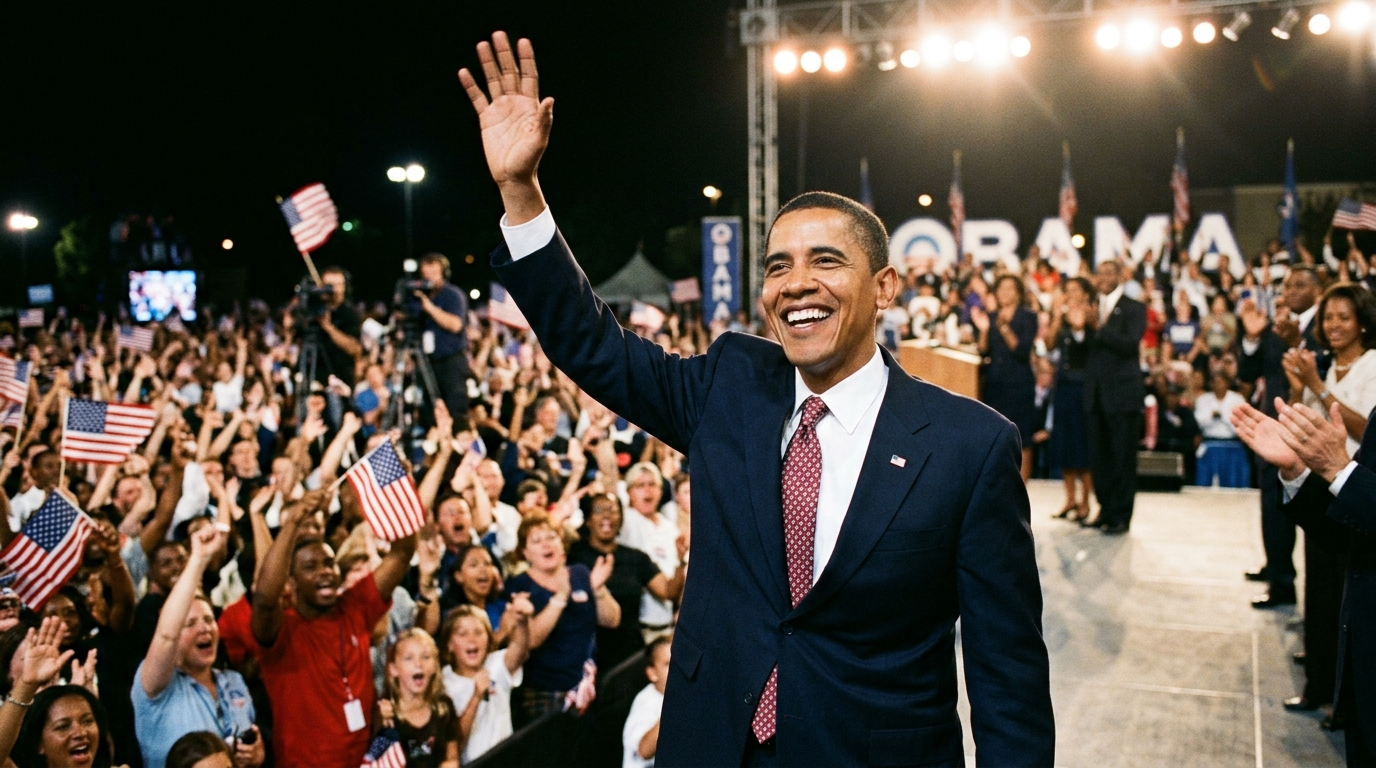
Barack Obama’s campaign masterfully tapped into this national fatigue and widespread desire for change. He framed his candidacy as a necessary "reset" for American global standing, promising to restore respect for American leadership through engagement rather than imposition. His rhetoric of "change" was inherently diplomatic, promising to replace the perceived arrogance of power with the power of example, emphasizing shared values, collective action, and a renewed commitment to international law and institutions. This vision offered a stark contrast to the existing paradigm and resonated powerfully with a public yearning for both competence and a moral recalibration of America's role in the world.
Historical Precedents & Intellectual Foundations of Obama's Foreign Policy
Obama's foreign policy vision, though presented as a "new beginning," was deeply rooted in specific historical precedents and intellectual traditions within American statecraft. Far from being a revolutionary break from all past norms, it represented a strategic re-emphasis and synthesis of established doctrines, carefully tailored for the post-9/11 world.
One prominent intellectual current was Liberal Internationalism, a tradition often associated with Woodrow Wilson. This school of thought posits that global stability and prosperity are best achieved through international cooperation, the rule of law, multilateral institutions, and the promotion of democracy and human rights. Obama echoed this sentiment by advocating for a strengthening of the United Nations, a revival of transatlantic alliances, and engagement with international norms, explicitly moving away from the Bush administration's tendency to bypass such frameworks. His call for global problem-solving through collective action on issues like climate change and nuclear proliferation directly invoked this liberal ideal.
However, Obama's approach was not purely idealistic. It also incorporated elements of Realism, the school of thought championed by figures like George F. Kennan and Hans Morgenthau, which emphasizes national interest, power dynamics, and a cautious approach to intervention. The retention of Robert Gates as Secretary of Defense, a seasoned realist from the Republican establishment, underscored this pragmatic streak. Obama understood the enduring nature of power politics and the necessity of maintaining robust military capabilities, even as he sought to redefine their application. His administration's continued use of drone warfare, targeted special operations, and a strategic "pivot" to Asia demonstrated a recognition of hard power's utility, albeit within a broader diplomatic context.
A more nuanced, yet profoundly influential, intellectual foundation came from Reinhold Niebuhr's Christian Realism. Niebuhr, whose works Obama cited as influential, argued against both utopian idealism and cynical nihilism, emphasizing the inherent limits of human power and the inevitability of moral ambiguity in political action. This resonated with Obama's cautious approach to foreign intervention, his acknowledgment of unintended consequences, and his belief that even well-intentioned actions could lead to tragic outcomes. It informed his understanding that America, despite its unique power, was not exempt from self-interest or the challenges of its own moral authority, thus necessitating humility and prudence in its global engagement.
Furthermore, Obama’s foreign policy drew from the concept of "smart power", popularized by scholars like Joseph Nye. This approach advocates for the judicious combination of hard power (military and economic might) with soft power (cultural appeal, diplomatic influence, and the attraction of one's values and policies). Obama’s emphasis on diplomacy, cultural exchange, and the repair of America's image abroad—culminating in efforts like his Cairo speech—was a direct application of this "smart power" doctrine, aiming to enhance American influence not just through coercion but through attraction and persuasion.
In essence, Obama's foreign policy was a sophisticated blend of these traditions: leveraging the liberal internationalist framework to re-legitimize American leadership and foster cooperation, grounding it with realist calculations of power and national interest, and tempering both with the Niebuhr-inspired humility regarding American exceptionalism and the limits of intervention. This intellectual synthesis provided the theoretical bedrock for the strategic shift that would define his presidency.
Timeline of Events and Key Moments
The trajectory of the 2008 election was shaped by pivotal moments that not only defined the candidates' stances on international relations but also reflected the evolving public mood and global expectations. These events illuminated Obama's unique foreign policy vision and set the stage for his administration's diplomatic pivot.
| Date | Event | Geopolitical Significance |
|---|---|---|
| October 2002 | Obama's Chicago Anti-War Speech | While not yet a national figure, this speech as an Illinois state senator established his early and consistent opposition to the Iraq War. It became a foundational credential against Hillary Clinton's initial support for the war, framing it as a "dumb war" and demonstrating a strategic foresight that resonated with voters disillusioned by the conflict. It signaled a departure from the bipartisan consensus on intervention. |
| February 2007 | Obama announces candidacy | Centered his campaign early and decisively on ending the Iraq War, reversing the Bush Doctrine, and restoring America's global standing. His platform inherently linked domestic renewal with a reformed foreign policy, arguing that overextension abroad undermined strength at home. |
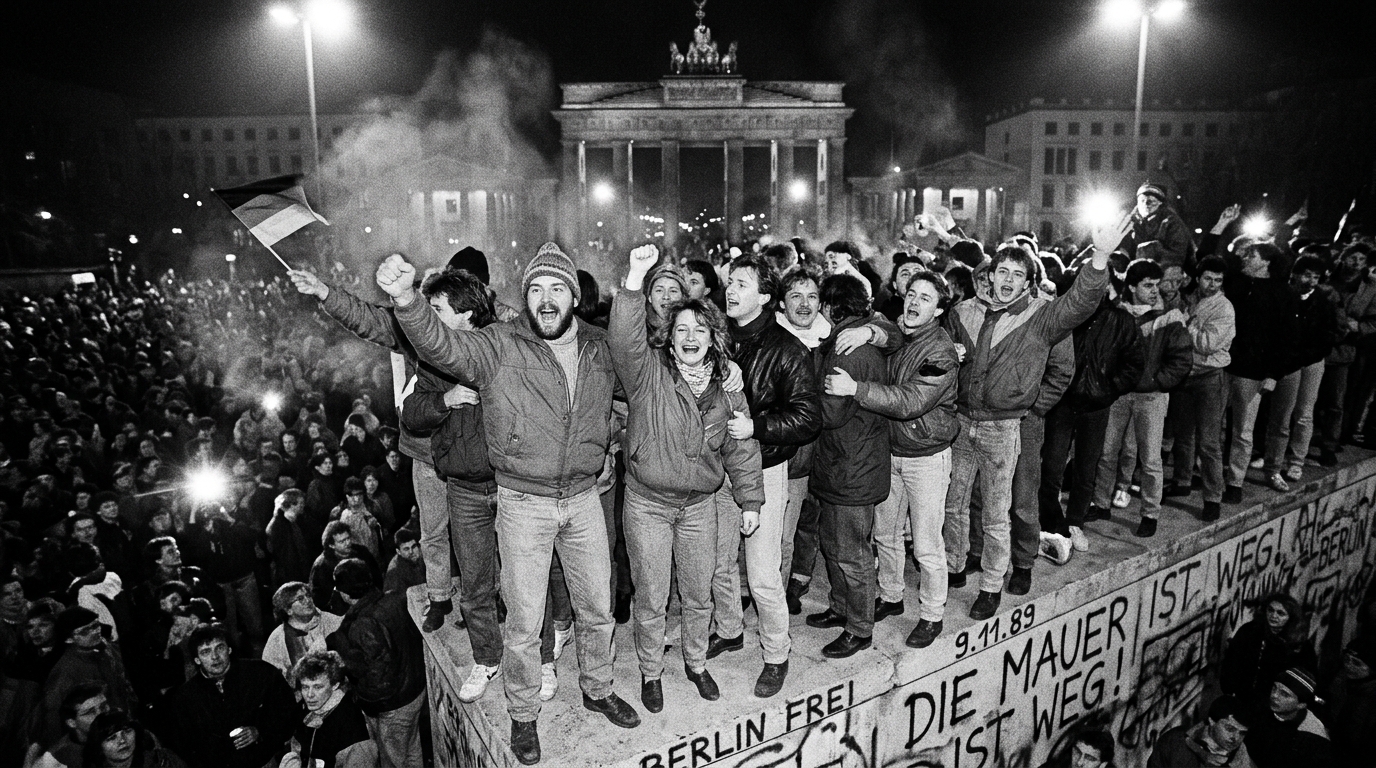
| July 2008 | Obama’s Berlin Speech | Delivered to an immense crowd of 200,000 at the Brandenburg Gate, this speech solidified his image as a globalist leader and a symbol of renewed American engagement. He explicitly called for a revival of transatlantic alliances and a shared commitment to global challenges, effectively showcasing his "soft power" appeal and contrasting his vision with the perceived unilateralism of the Bush era. It was a pre-presidency declaration of a multilateralist intent. |
| September 2008 | Lehman Brothers collapse & Financial Crisis | While a domestic economic crisis, its global ramifications profoundly shifted the foreign policy discussion. It highlighted the interconnectedness of the global economy and necessitated a collaborative, multilateral response, underscoring Obama's argument for shared responsibility and international cooperation on transnational issues, thereby weakening arguments for isolationism or unilateral economic policy. |
| November 2008 | Election Day victory | Represented a clear mandate for a fundamental foreign policy shift away from the Bush Doctrine. His victory was widely interpreted globally as a rejection of unilateralism and an embrace of diplomacy and international partnership, providing significant soft power leverage from day one of his administration. |
| January 2009 | Inauguration | Formalized the transition, with Obama's inaugural address emphasizing a commitment to "extend a hand" to adversaries and allies alike, signaling a clear "diplomacy-first" approach. This immediate rhetorical pivot was crucial for setting the tone for his administration's foreign policy priorities and signaling a new era of engagement. |
The Berlin Speech of July 2008, delivered against the historic backdrop of the Brandenburg Gate, remains the definitive moment of his campaign’s foreign policy framing. Addressing a crowd of 200,000 people, a testament to his global appeal even before taking office, Obama declared, "The walls between old allies on either side of the Atlantic cannot stand." This powerful statement explicitly called for a revival of the post-WWII alliance architecture and a shared commitment to tackling global challenges from climate change to terrorism. It was a strategic move to contrast his inclusive, collaborative vision with the perceived isolationism and unilateralism of the Bush era, and it resonated deeply with a European public eager for a new kind of American leadership. This speech demonstrated not only Obama's rhetorical prowess but also his profound understanding of the power of symbolism in international relations.
Geopolitical Consequences and Aftermath
The immediate consequence of Obama's victory was palpable, giving rise to what was widely termed the "Obama Effect"—a measurable and almost instantaneous surge in global confidence in US leadership and a dramatic improvement in America's image abroad. Polls conducted worldwide, from Europe to the Middle East, showed unprecedented levels of optimism regarding the future of US foreign policy. The administration moved quickly to honor campaign commitments and signal a new direction. One of the most significant was the intent to responsibly withdraw combat forces from Iraq, a process that began almost immediately and culminated in the full withdrawal of US troops by December 2011, aligning with a central promise of his campaign.
Multilateral Engagement and Institutional Revival
The Obama administration decisively moved to re-engage with and strengthen the international institutions that had been sidelined or actively challenged by the preceding administration. This involved:
- Renewed involvement with the UN: A fundamental shift away from the "Coalition of the Willing" model towards a consensus-based, UN-centric approach to global problems. The US rejoined the UN Human Rights Council, signed the Arms Trade Treaty, and generally sought to operate within international legal frameworks, enhancing the legitimacy of its actions.
- Engagement with the Muslim World: Best exemplified by his landmark 2009 Cairo speech, titled "A New Beginning." This speech sought to move past the binary framework of the "War on Terror" by acknowledging historical grievances, advocating for mutual respect, and emphasizing common ground on issues like education, economic development, and cultural exchange. While its long-term impact was mixed due to the complexities of the region (e.g., the Arab Spring), it fundamentally reset the tone of US engagement.
- Climate Diplomacy: Elevating climate change from a peripheral environmental issue to a central pillar of national security and foreign policy. This paved the way for renewed US leadership in international climate negotiations, culminating in efforts like the Copenhagen Accord in 2009 and later the landmark Paris Agreement in 2015, reversing years of American reticence on the issue.
- Nuclear Non-Proliferation: A renewed emphasis on reducing the global nuclear threat. This led to the negotiation of the New START Treaty with Russia to reduce strategic offensive arms and the pivotal Iran nuclear deal (Joint Comprehensive Plan of Action - JCPOA), an unprecedented multilateral diplomatic effort aimed at preventing Iran from developing nuclear weapons.
The Pivot to Asia and Global Realignment
The diplomatic reset was not limited to the West or the Middle East. The 2008 election laid the conceptual groundwork for what would eventually be termed the "Pivot to Asia" (later rebranded as the "Rebalance to Asia"). This strategic shift acknowledged that the geopolitical and economic center of gravity was increasingly moving away from the Middle East and Europe toward the dynamic and rapidly growing Asia-Pacific region. This rebalance required:
- Strengthening Alliances: Reinvigorating alliances with traditional partners like Japan, South Korea, Australia, and the Philippines, emphasizing their role in regional security and stability.
- Engaging Emerging Powers: Developing deeper relationships with rising powers like India, Indonesia, and Vietnam, recognizing their growing influence and importance in the global order.
- Economic Re-engagement: Advancing trade agreements, most notably the Trans-Pacific Partnership (TPP), designed to establish high-standard trade rules and strengthen economic ties across the region, albeit TPP ultimately faced domestic headwinds.
- Diplomacy with China: Navigating a complex relationship with China, seeking cooperation on global issues like climate change and nuclear proliferation, while also robustly addressing areas of disagreement such as human rights and maritime territorial disputes in the South China Sea.
This "pivot" represented a fundamental recalibration of American strategic priorities, aiming to ensure US relevance and influence in the 21st century's most economically dynamic region, moving beyond the post-9/11 preoccupation with counter-terrorism. The Obama administration sought to craft a complex web of multilateral trade and security partnerships, recognizing that America's future prosperity and security were intrinsically linked to the stability and openness of the Asia-Pacific.
Analysis of Key Actors and Decisive Actions
The success of Obama’s foreign policy agenda rested on a distinct intellectual shift led by his key appointees, most notably Hillary Clinton as Secretary of State and Robert Gates (retained from the Bush administration) as Secretary of Defense. This blend of personalities and policy orientations was crucial in signaling both continuity and change, reassuring the foreign policy establishment while charting a new course.
Hillary Clinton, as the nation's chief diplomat, spearheaded the outreach to allies and adversaries alike. Her extensive travel as Secretary of State—visiting 112 countries, more than any previous Secretary—underscored the administration’s commitment to direct, personal diplomacy. Clinton’s background as a former First Lady and Senator gave her immediate credibility on the global stage, allowing her to rebuild relationships strained during the Bush years. She was instrumental in advocating for "smart power," emphasizing the integration of development, diplomacy, and defense. Her focus areas included strengthening democratic institutions, promoting women's rights, and advocating for a robust American presence in emerging markets.
The decision to retain Robert Gates as Secretary of Defense was a masterstroke of political and strategic calculation. Gates, a Republican and former CIA Director with deep experience across multiple administrations, provided a crucial bipartisan anchor. His presence signaled to the military-industrial complex, to skeptical Republicans, and to foreign capitals that the shift to multilateralism would be orderly, pragmatic, and security-conscious, not naive or isolationist. Gates played a vital role in managing the drawdowns in Iraq and the surge in Afghanistan, providing a steady hand on military operations while simultaneously advocating for better integration of diplomatic and development tools alongside military might. His insights often tempered more liberal impulses within the White House, ensuring a grounded, realistic approach to national security.
This "realist-liberal" synthesis was decisive. Obama himself articulated this blend, often referring to his approach as "pragmatic idealism." By keeping Gates, Obama signaled that military strength remained a cornerstone of American power, but that its application would be more judicious and integrated into a broader diplomatic strategy. Clinton’s presence, conversely, provided the necessary political gravitas and diplomatic energy to navigate the skepticism of the foreign policy establishment and re-energize America’s soft power.
Other key actors also played significant roles:
- Susan Rice, first as Ambassador to the UN and later as National Security Advisor, championed multilateralism and humanitarian intervention, particularly in Libya. Her tenure at the UN was critical in restoring US engagement with the organization.
- Samantha Power, as a human rights advocate and later UN Ambassador, pushed for a more morally engaged foreign policy, though often balancing these ideals with the practical constraints of power.
- Dennis Ross, a veteran Middle East diplomat, helped shape the administration's approach to the Israeli-Palestinian conflict and Iran.
The decision to prioritize diplomacy was not just a moral choice; it was also a strategic and financial calculation. The United States, burdened by two expensive wars and a severe financial crisis, could no longer bear the financial and human cost of acting as a solitary global policeman. Obama’s team believed that collective action and shared responsibility would lead to more sustainable outcomes and a more legitimate exercise of American power. This shift was encapsulated in the administration’s National Security Strategy documents, which consistently emphasized diplomacy, development, and defense in equal measure.
Challenges and Critiques of Multilateralism
While the Obama administration explicitly embraced multilateralism as its guiding foreign policy principle, its implementation was not without significant challenges and attracted various critiques from across the political spectrum. The transition from rhetoric to reality often revealed the inherent complexities and limitations of a purely collaborative approach.
One primary challenge was the slowness and inherent compromises of multilateralism. Working through international institutions like the UN or NATO required extensive consultation, negotiation, and often concessions to diverse national interests. This process could be agonizingly slow, particularly when urgent action was perceived as necessary. Critics argued that this approach sometimes led to "lowest common denominator" policies or inaction, especially in crises like the Syrian civil war, where the Security Council's divisions, particularly with Russia and China, often paralyzed effective international responses.
Another critique focused on the perceived erosion of American exceptionalism and leadership. Some argued that by emphasizing shared responsibility and deference to international norms, Obama was implicitly diminishing America's unique role as a global superpower. Hawks and neo-conservatives, accustomed to the more assertive posture of the Bush years, saw this as a retreat from global leadership and a dangerous abandonment of American interests. They contended that in a dangerous world, American power, unilaterally applied if necessary, was the only reliable guarantor of stability.
The "red line" dilemma in Syria became a potent symbol of these challenges. When President Obama declared that the use of chemical weapons by the Assad regime would cross a "red line" necessitating military action, and then subsequently stepped back from unilateral strikes in favor of pursuing a diplomatic solution through Russia to dismantle Syria's chemical weapons arsenal, it was hailed by some as a triumph of diplomacy but decried by others as a failure of resolve that emboldened adversaries and weakened American credibility. This episode highlighted the tension between multilateral consultation and decisive action.
Furthermore, the administration's use of covert operations and drone warfare was often seen by critics as a contradiction to its stated multilateralist and rule-of-law principles. While these actions were framed as targeted counter-terrorism efforts, conducted within existing legal frameworks, they raised significant ethical and legal questions regarding sovereignty, civilian casualties, and accountability. Critics argued that such practices, while effective in neutralizing specific threats, undermined the very "power of example" that Obama championed, creating a gap between declared values and practical application.
The rise of non-state actors and hybrid warfare also presented a test for multilateralism. Dealing with groups like ISIS, which operated across national borders and exploited ungoverned spaces, required nimble, often kinetic responses that multilateral institutions were not always equipped to provide swiftly. The coalition against ISIS, while multilateral, still relied heavily on American leadership and military might, underscoring the enduring need for US capabilities even within a collaborative framework.
Finally, the administration faced the inherent difficulty of managing diverse expectations. Allies welcomed the return to multilateralism but often had their own national interests at heart, leading to friction. Adversaries continued to challenge US interests regardless of the diplomatic tone. And emerging powers, while engaging with the US, often sought to reshape the international order in ways that challenged existing American prerogatives. This meant that even with a renewed commitment to engagement, the US faced a complex and often resistant global landscape, demonstrating that a shift in diplomatic approach, while significant, could not unilaterally resolve all global challenges.
Trivia and Lesser-Known Facts
- The "Cairo" Pivot: Few analysts at the time fully appreciated the meticulous planning behind Obama’s 2009 Cairo speech, "A New Beginning." The speech was drafted with extensive input from a diverse group of historians, theologians, and cultural experts, both American and Arab, to ensure that Obama’s rhetoric specifically addressed historical grievances and cultural sensitivities rather than just modern geopolitical disputes. It aimed to be a deeply informed attempt to reframe the narrative between the West and the Muslim world.
- The Transition Team's Blueprint: Obama’s transition team, even before he was sworn into office, began crafting the foundational framework for the Iran nuclear deal (the precursor to the JCPOA). This reflected a long-term, strategic commitment to non-proliferation through multilateral pressure and engagement, rather than a reactive policy. Key advisors were already engaged in back-channel discussions and scenario planning for a diplomatic solution to Iran's nuclear program.
- The "No-Drama Obama" Philosophy in Foreign Policy: The campaign’s internal mantra, "No Drama Obama," was rigorously applied to foreign policy decision-making. This meant emphasizing long-form strategic planning, thorough interagency review, and a preference for deliberation over impulsive reactions. The goal was to avoid the reactive, 24-hour news cycle diplomacy that had characterized parts of the early 2000s, promoting instead a calm, steady, and predictable approach to complex international challenges.
- Nobel Peace Prize Controversy: Obama's receipt of the Nobel Peace Prize in October 2009, less than a year into his presidency and with a relatively short record of foreign policy achievements, sparked widespread debate. The Nobel Committee cited his "extraordinary efforts to strengthen international diplomacy and cooperation between peoples." While many saw it as an endorsement of his new approach, critics argued it was premature and idealistic, given the ongoing wars in Afghanistan and Iraq.
- The "Apology Tour" Misconception: A persistent criticism, particularly from conservative circles, labeled Obama's early diplomatic overtures (like the Cairo speech) as an "apology tour." However, a careful review of his speeches reveals that he consistently asserted American strength and ideals, while acknowledging past mistakes and expressing humility. His aim was not to apologize for America but to restore its moral authority by showing a willingness to engage critically with its own history and actions.
- Influence of Personal Background: Obama's unique personal background—born in Hawaii, raised partially in Indonesia, with a Kenyan father and an American mother—was often highlighted as a factor contributing to his innate understanding of diverse cultures and his multilateral worldview. This personal narrative lent authenticity to his message of global citizenship and bridge-building.
References and Literature
- The Audacity of Hope (2006) by Barack Obama: A foundational text detailing Obama's political philosophy and worldview prior to his presidency, including his thoughts on American power and international relations.
- Dreams from My Father (1995) by Barack Obama: Provides crucial insights into Obama's personal background and its shaping influence on his global perspective.
- Foreign Affairs: "The Obama Doctrine" (Various Authors): A collection of academic analyses and essays dissecting the transition from Bush-era unilateralism to the Obama administration's foreign policy approach.
- The National Archives: Obama White House Foreign Policy Records 2008-2016: Official government records, speeches, and press briefings documenting the evolution and implementation of diplomatic strategy.
- The Pivot: The Future of American Statecraft in Asia by Kurt Campbell (2016): Provides an insider's perspective and detailed analysis of the strategic shift towards the Asia-Pacific region initiated during the Obama administration.
- Duty: Memoirs of a Secretary at War by Robert M. Gates (2014): Offers a critical yet insightful account from the perspective of Obama's Secretary of Defense, detailing the challenges and internal dynamics of implementing foreign and military policy.
- Hard Choices by Hillary Rodham Clinton (2014): Provides a comprehensive account of her tenure as Secretary of State, detailing the diplomatic initiatives and challenges faced during the Obama administration.
- The World As It Is: A Memoir of the Obama White House by Ben Rhodes (2018): An intimate account from a close aide, offering insights into the ideological underpinnings and execution of Obama's foreign policy.
Footnotes & Explanations
- The "Bush Doctrine" generally refers to the policy of pre-emptive war, unilateral action, and the promotion of democracy through force, as articulated notably in the 2002 National Security Strategy. ↩
- The Berlin Speech was attended by an estimated 200,000 people, underscoring the significant international appeal of Obama's candidacy during the 2008 election race. ↩