Country: Hungary
Collection of geopolitical papers, conflicts, and diplomatic crises involving Hungary.
Published Chronicles & Analyses
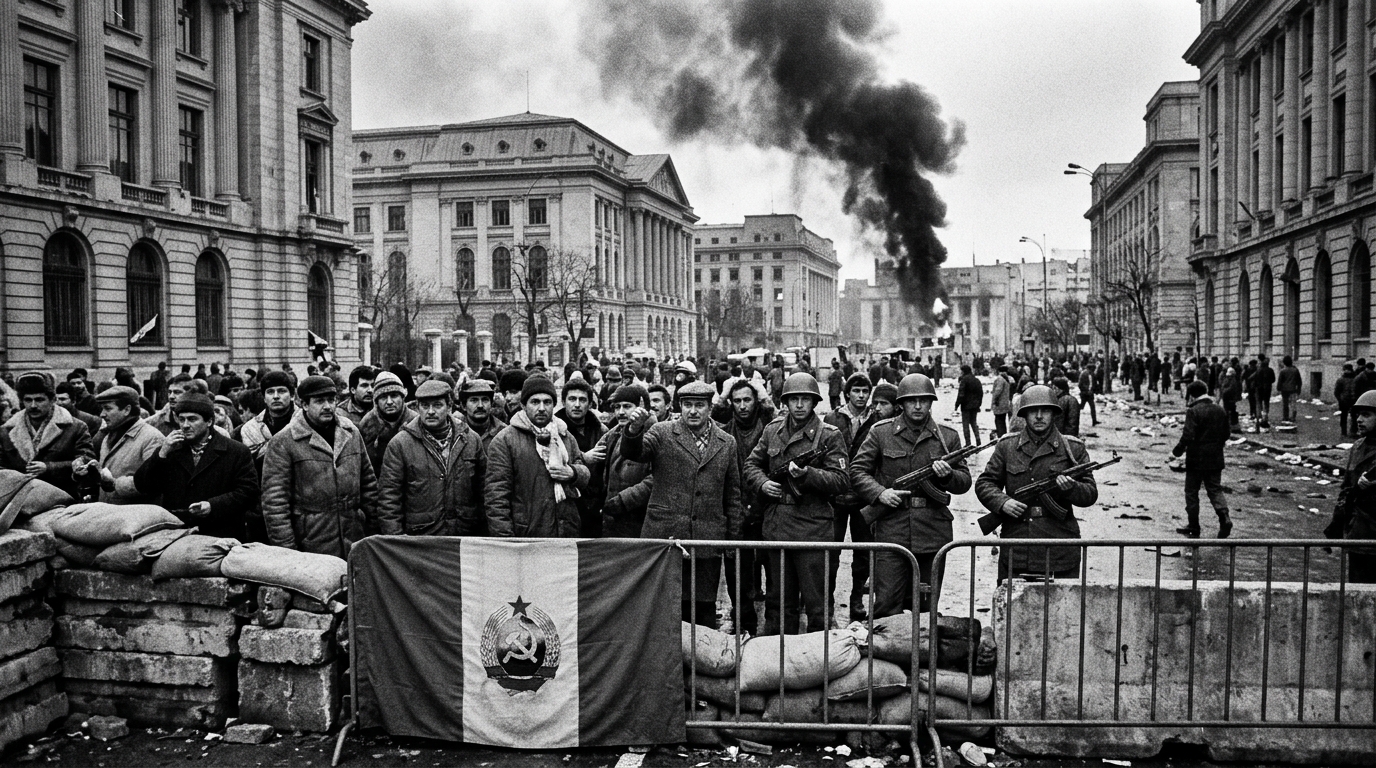
The Romanian Revolution of 1989: The Violent Fall of Ceausescu
The only violent revolution in the Eastern Bloc: the popular uprising in Timisoara and Bucharest, the flight of Ceausescu, and his execution.
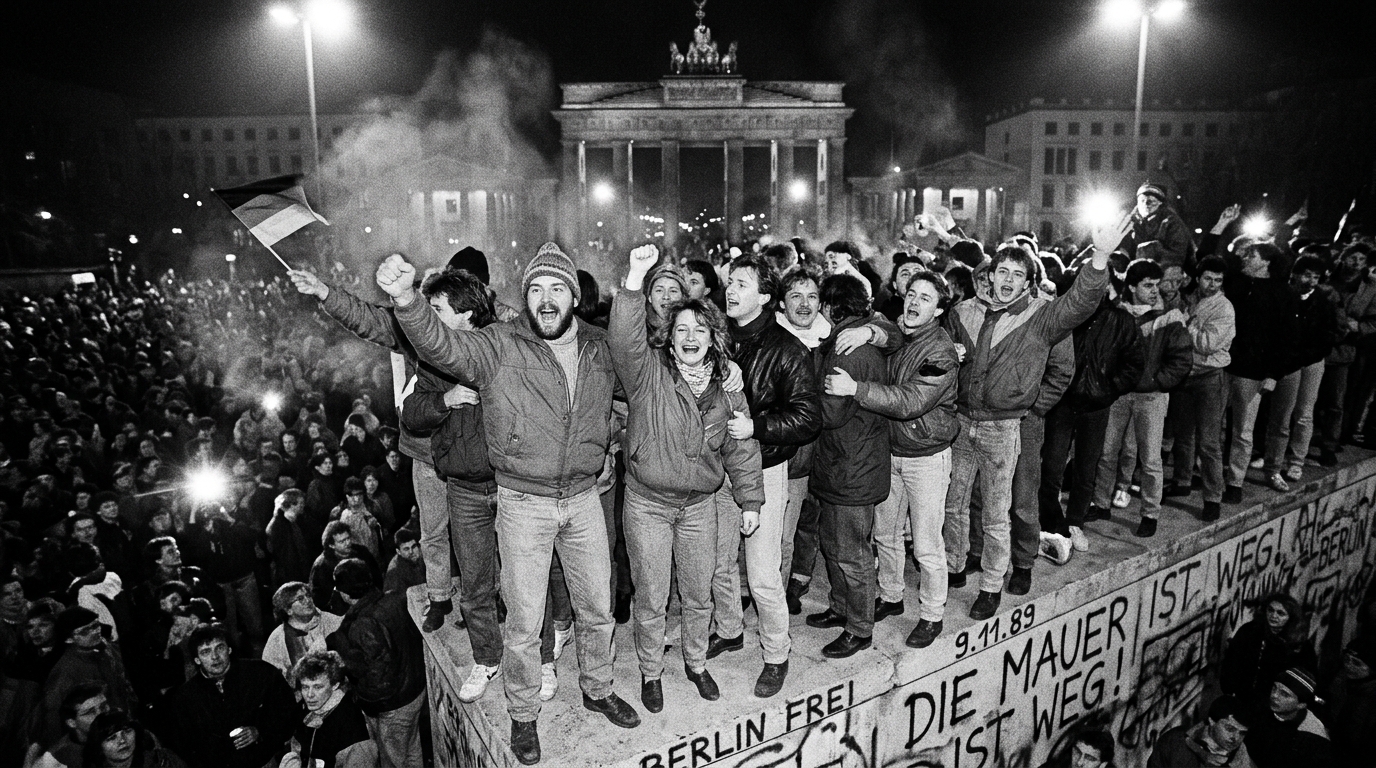
The Fall of the Berlin Wall in 1989: The Collapse of the Iron Curtain
The historic scenes in November 1989 as citizens brought down the wall, marking the symbolic end of communist rule in Eastern Europe.
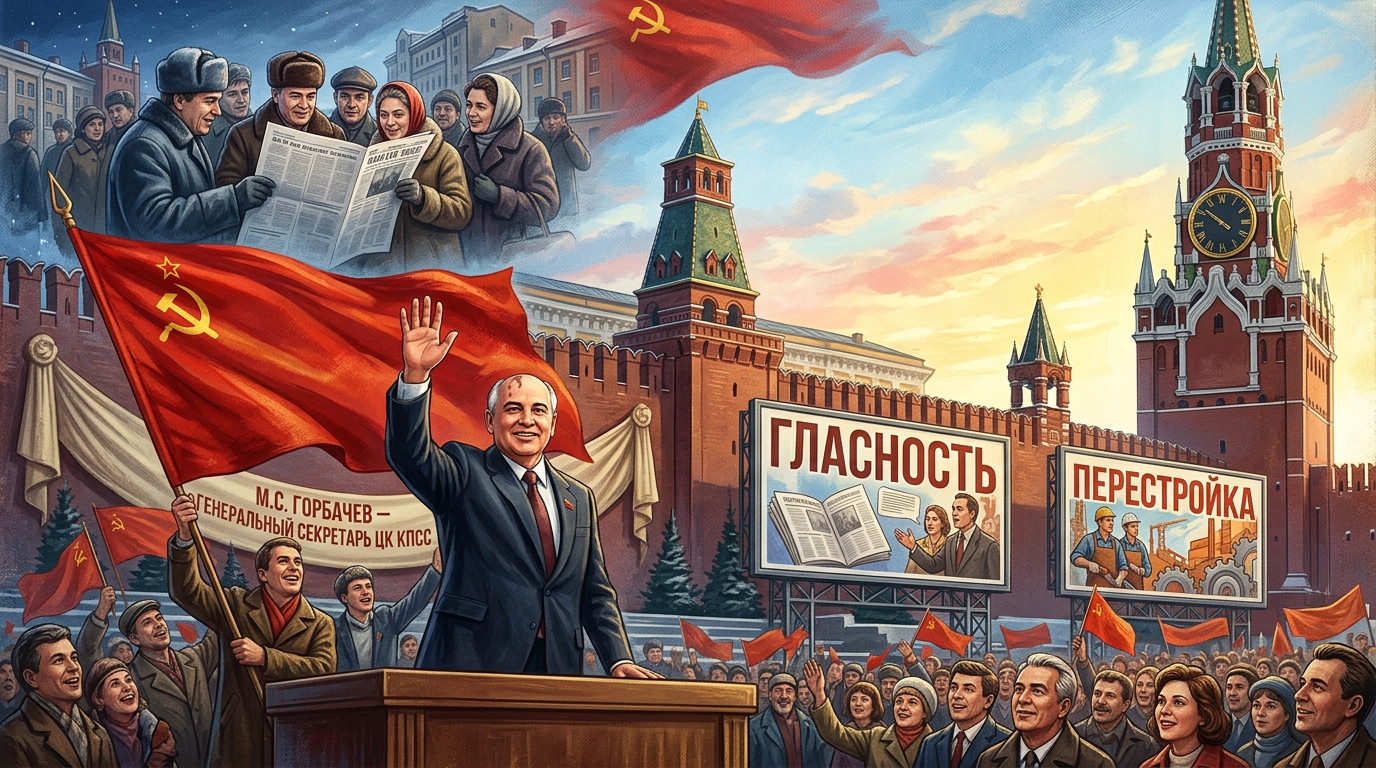
The Rise of Mikhail Gorbachev in 1985: Launching Glasnost and Perestroika
The election of the youngest General Secretary in Soviet history, his attempts to reform the rigid Soviet system, and the unexpected path to dissolution.
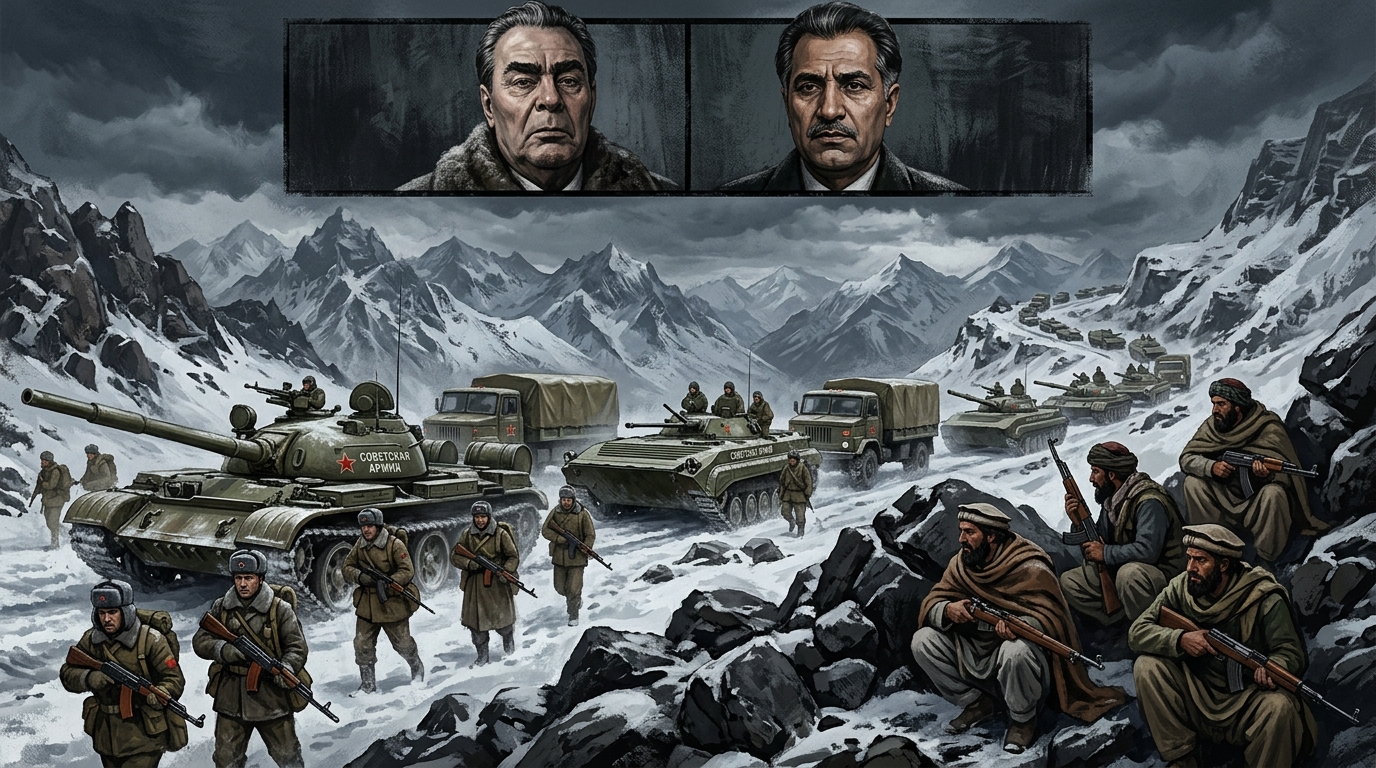
The Soviet Invasion of Afghanistan in 1979: Entering the Soviet Vietnam
The entry of Soviet troops to support a communist regime, the US arming of the Mujahideen, and the beginning of a decade-long war.
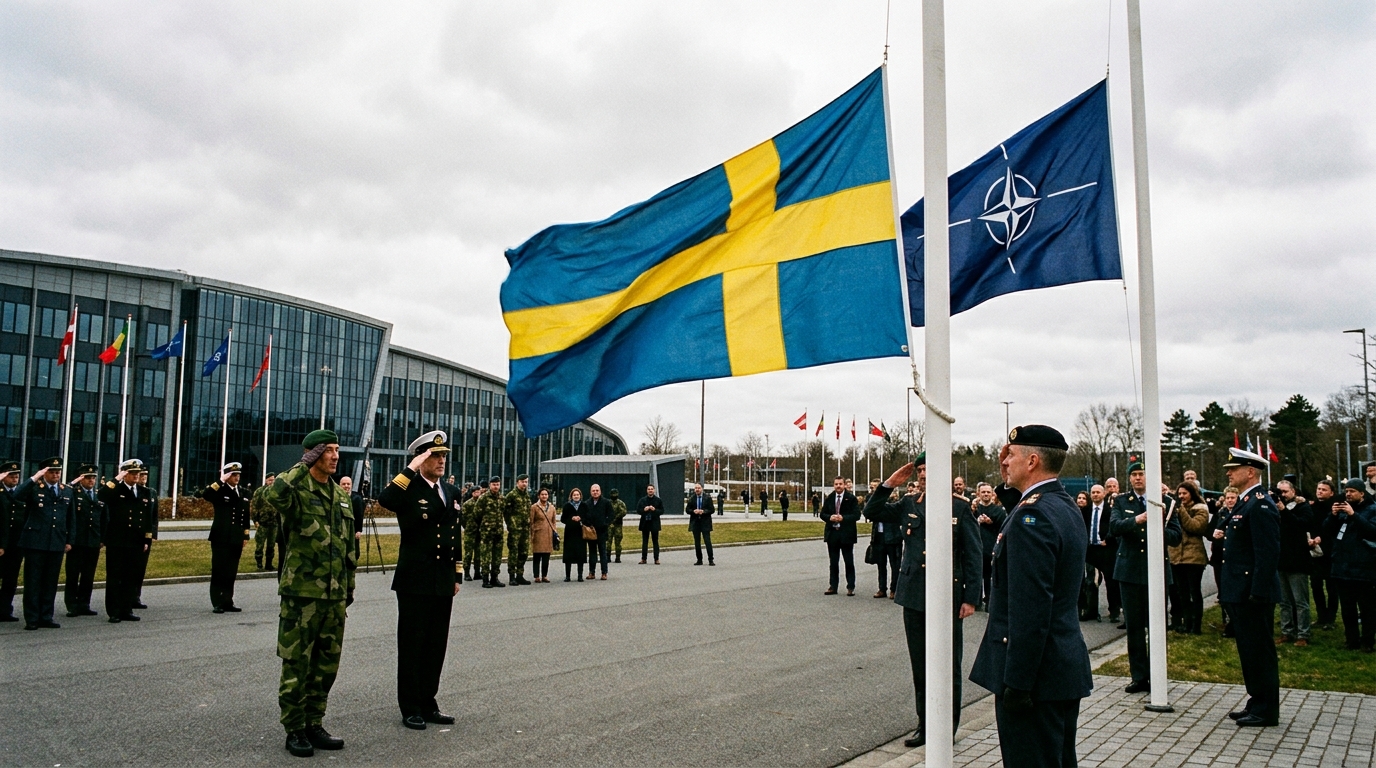
Sweden Joins NATO in 2024: The End of Two Centuries of Non-Alignment
Sweden's accession to NATO in 2024 concludes two centuries of non-alignment, reshaping the Baltic Sea security landscape and profoundly influencing Northern European geopolitics following the formal deposit of its instrument of accession.
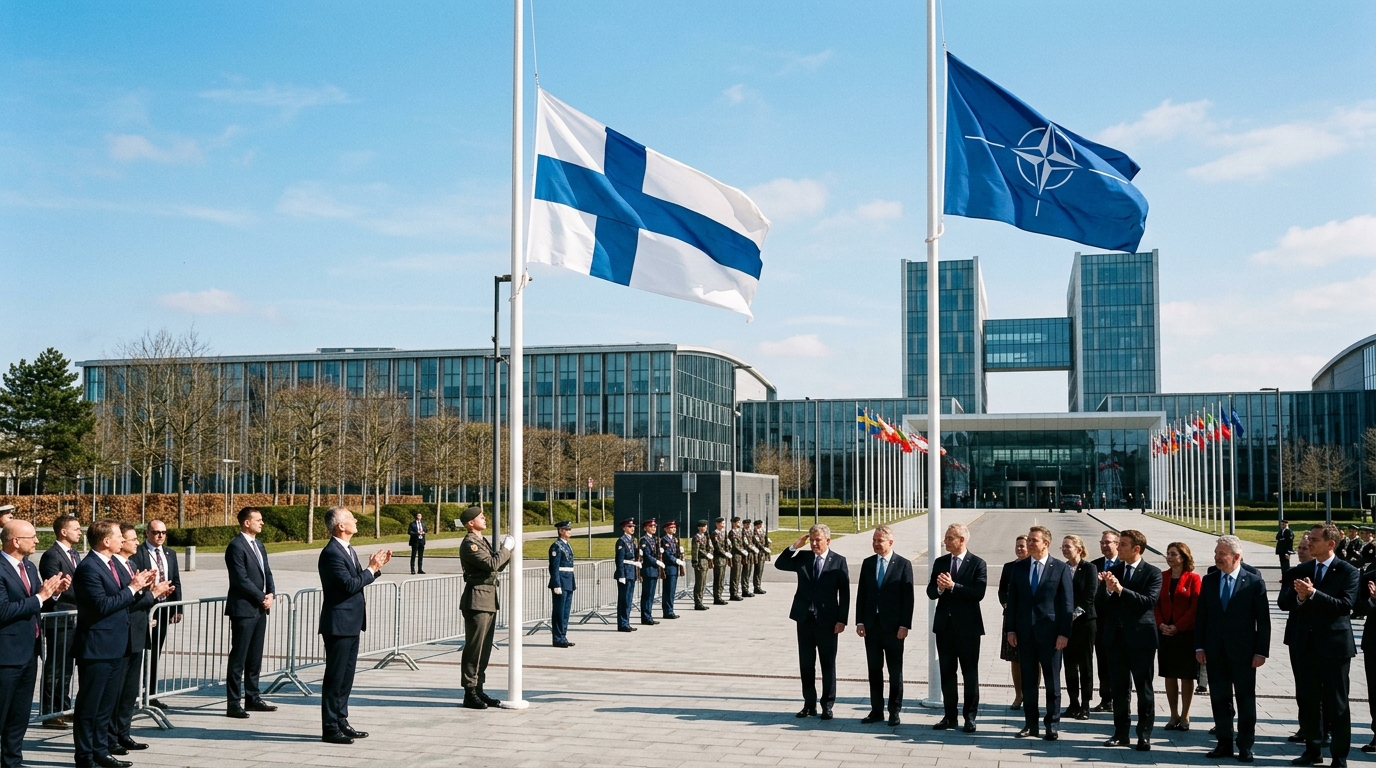
Finland Joins NATO in 2023: Ending Decades of Military Neutrality
Helsinki's rapid and historic shift away from non-alignment in response to the Ukraine war, fundamentally reshaping European security by doubling NATO's direct land border with Russia and transforming the strategic landscape of the Baltic and Arctic regions.
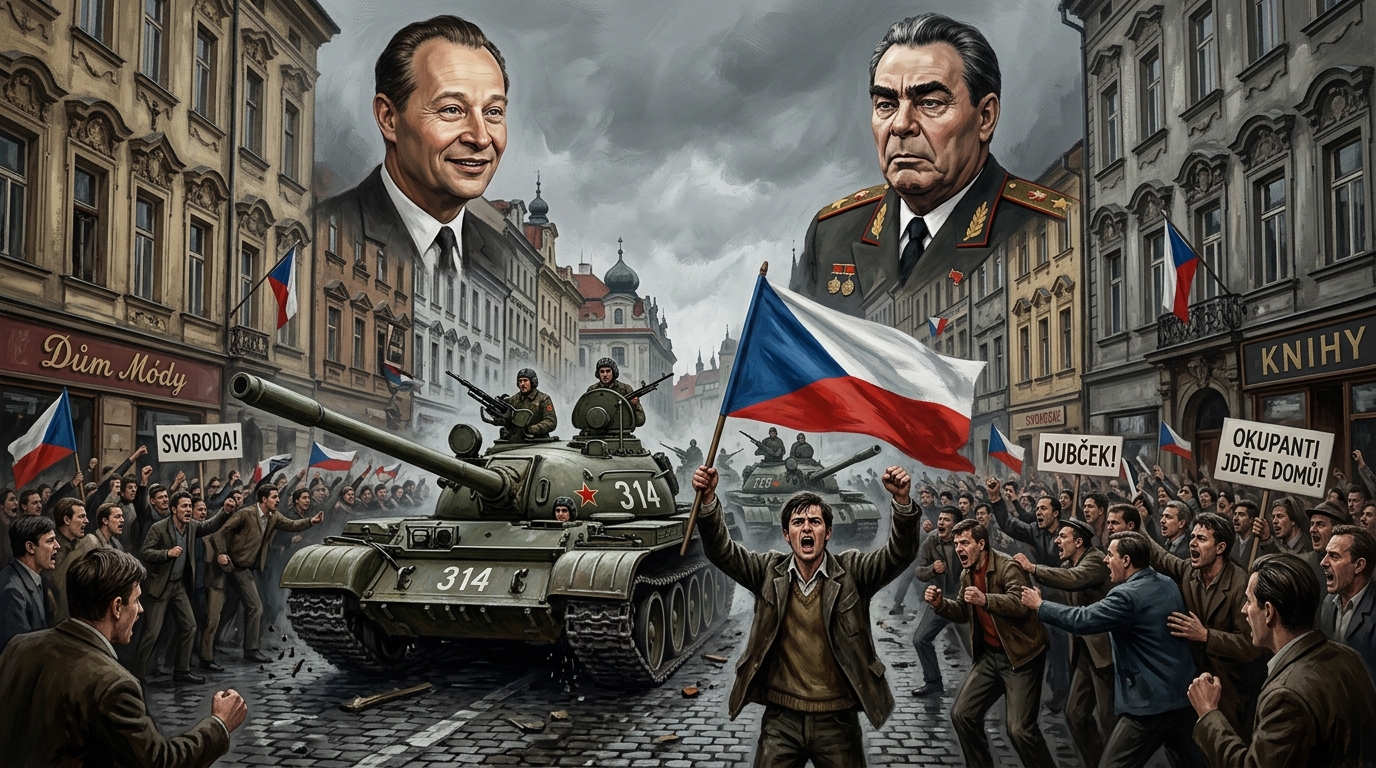
The Prague Spring of 1968: The Warsaw Pact Invasion of Czechoslovakia
The attempts to reform socialism ('socialism with a human face') in Czechoslovakia and Moscow's brutal response by sending Warsaw Pact troops.
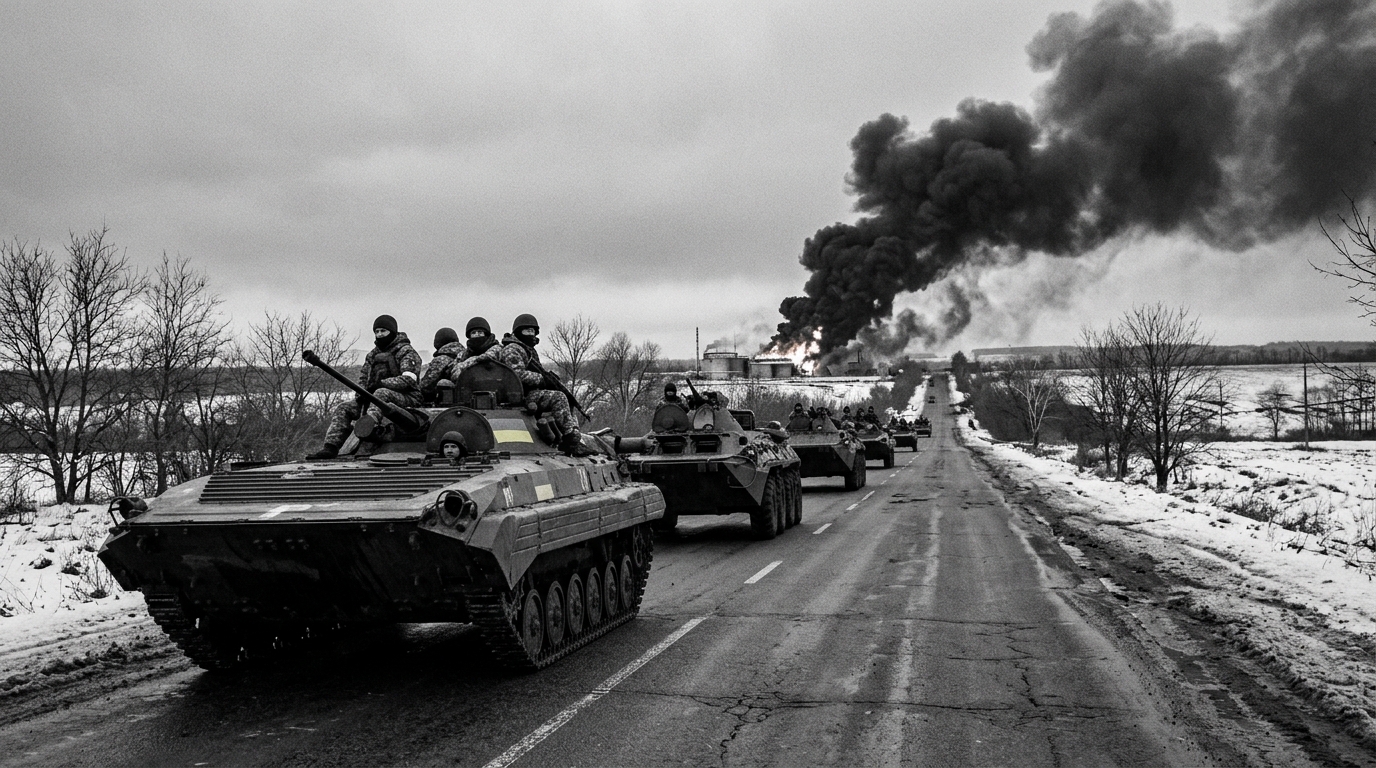
The 2022 Russian Invasion of Ukraine: Outbreak of Large-Scale European War
A comprehensive analysis of Russia's full-scale invasion of Ukraine in 2022, detailing its historical roots, the opening campaigns, geopolitical fallout, the roles of key actors, and its profound impact on global security and international law. This article explores the military strategies, diplomatic failures, economic consequences, and the evolving historiography of the largest conventional conflict in Europe since World War II.
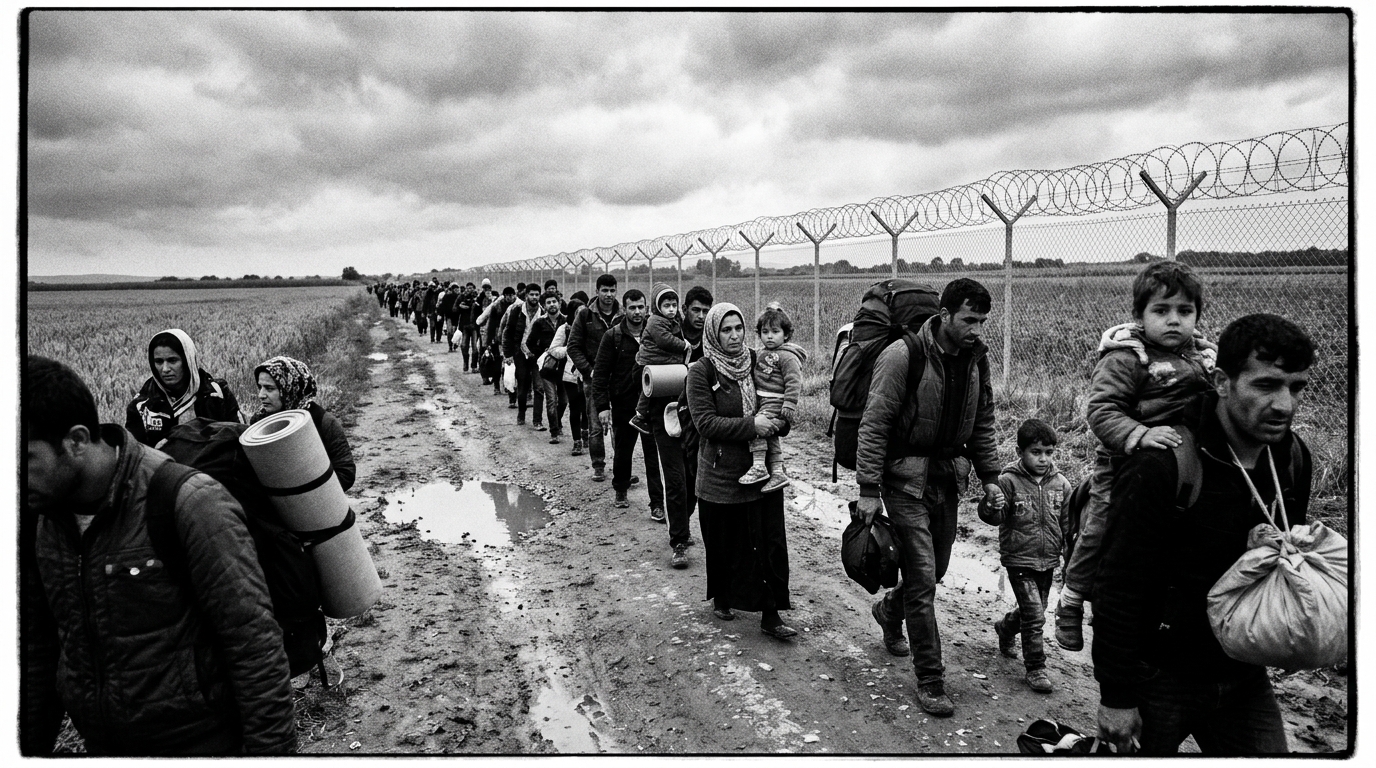
The 2015 European Migrant Crisis: A Million Refugees Seek Asylum
An in-depth analysis of the 2015 European Migrant Crisis, detailing its complex origins in regional instability, the collapse of EU asylum frameworks, Chancellor Merkel's pivotal 'Wir schaffen das' decision, the profound geopolitical realignment within the EU, the rise of nationalist movements, and the lasting socio-economic challenges of integration.
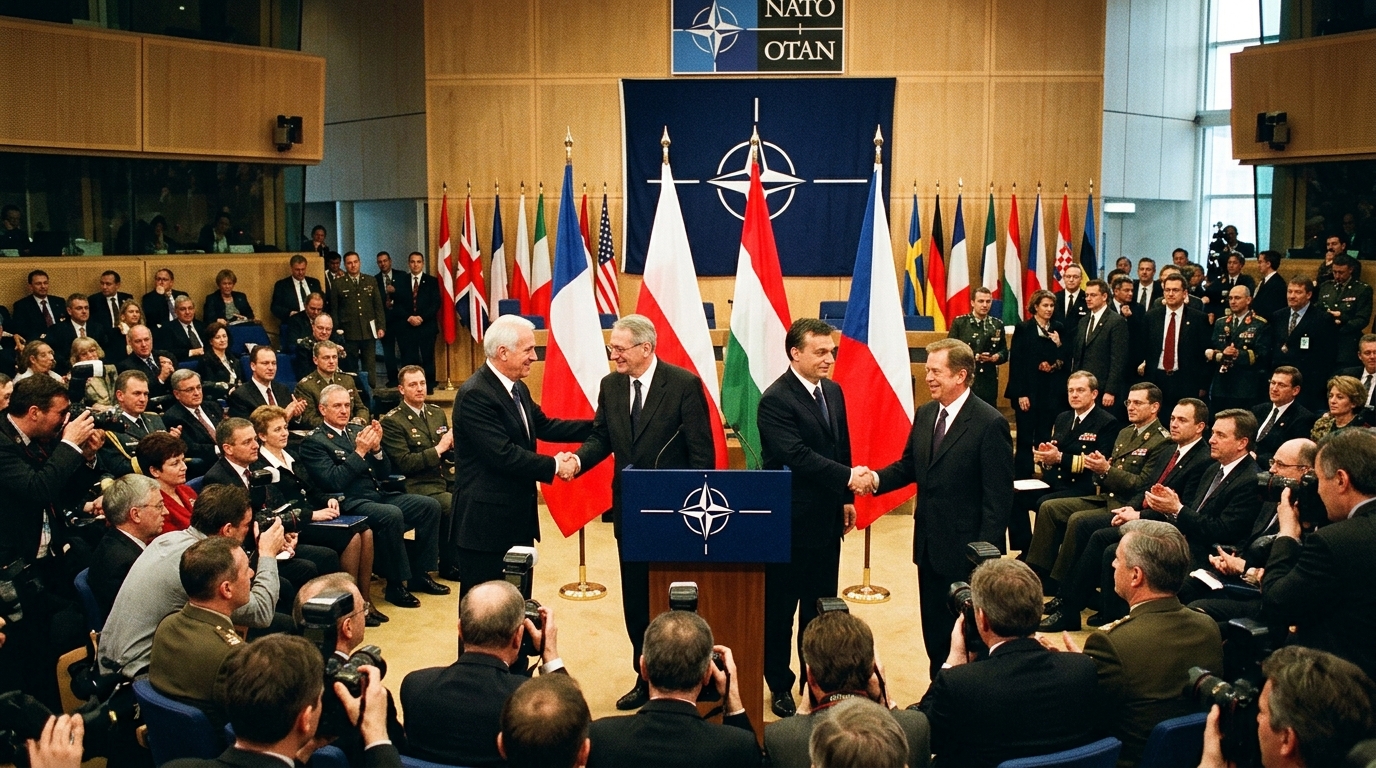
First Eastern Enlargement of NATO 1999: Advancing Toward Russian Borders
The admission of Poland, Hungary, and the Czech Republic into NATO, reshaping European security and drawing strong objections from Moscow.
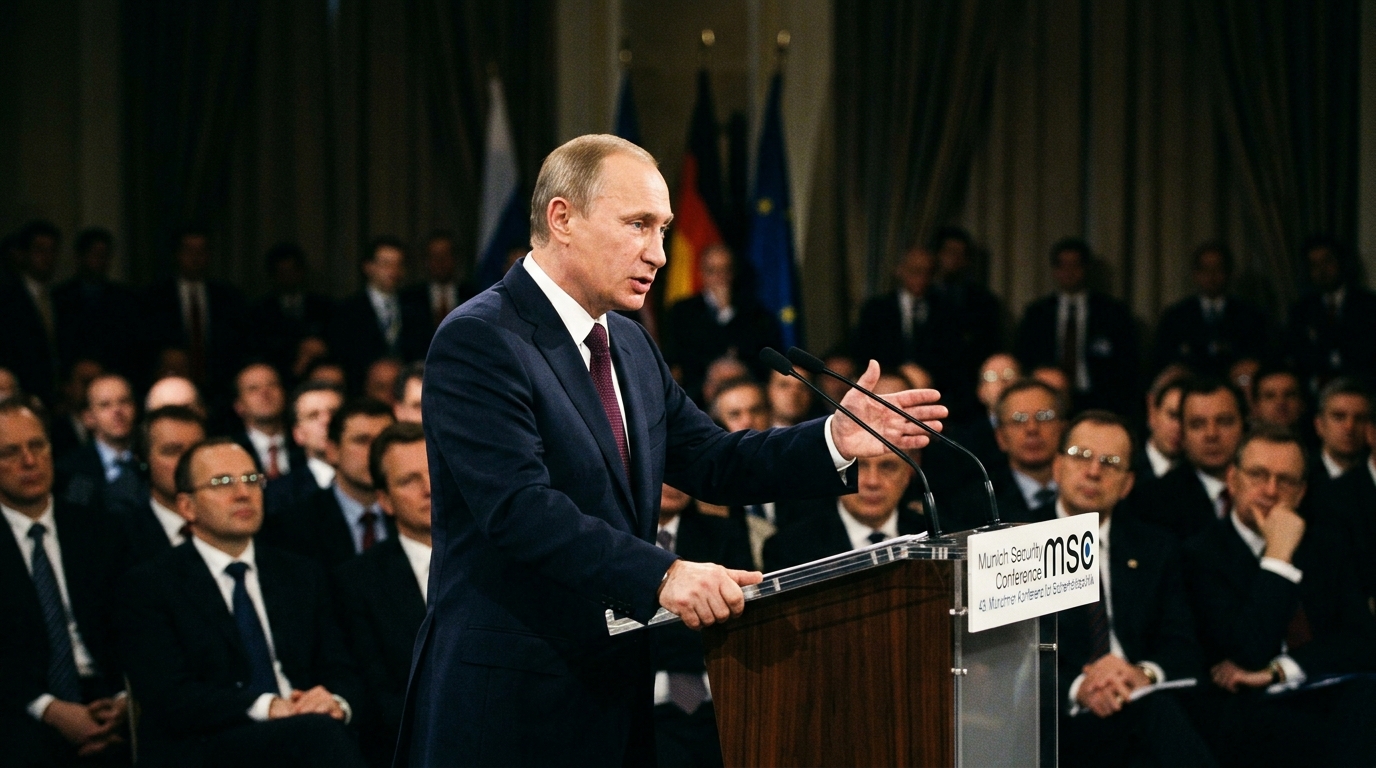
Vladimir Putin's 2007 Munich Speech: The Rejection of the Unipolar World
Vladimir Putin's landmark 2007 address at the Munich Security Conference, where he vehemently criticized perceived US dominance and unilateralism, is widely regarded as a pivotal moment marking Russia's definitive break from post-Cold War integration with the West and the formal articulation of a new, confrontational foreign policy centered on multipolarity. This speech laid the groundwork for Russia's assertive actions in the subsequent decades.
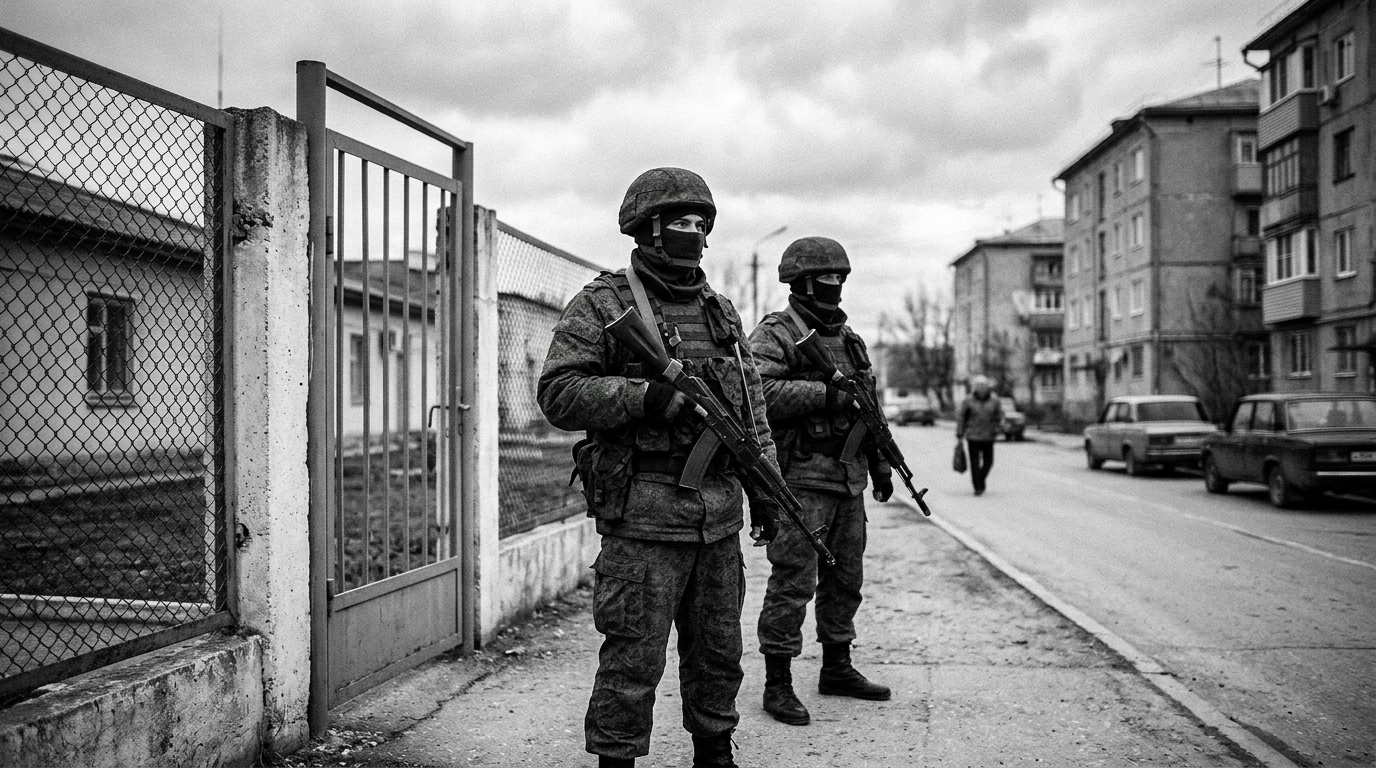
The Annexation of Crimea by Russia in 2014: Redrawing European Borders
The appearance of 'little green men' in Crimea, the flash referendum, and the formal treaty absorbing the peninsula into the Russian Federation.

The COVID-19 Pandemic and Vaccine Geopolitics: A Struggle for Influence
The declaration of a global pandemic, lockdowns, disputes over virus origins, and the deployment of vaccines as tools of diplomatic leverage.
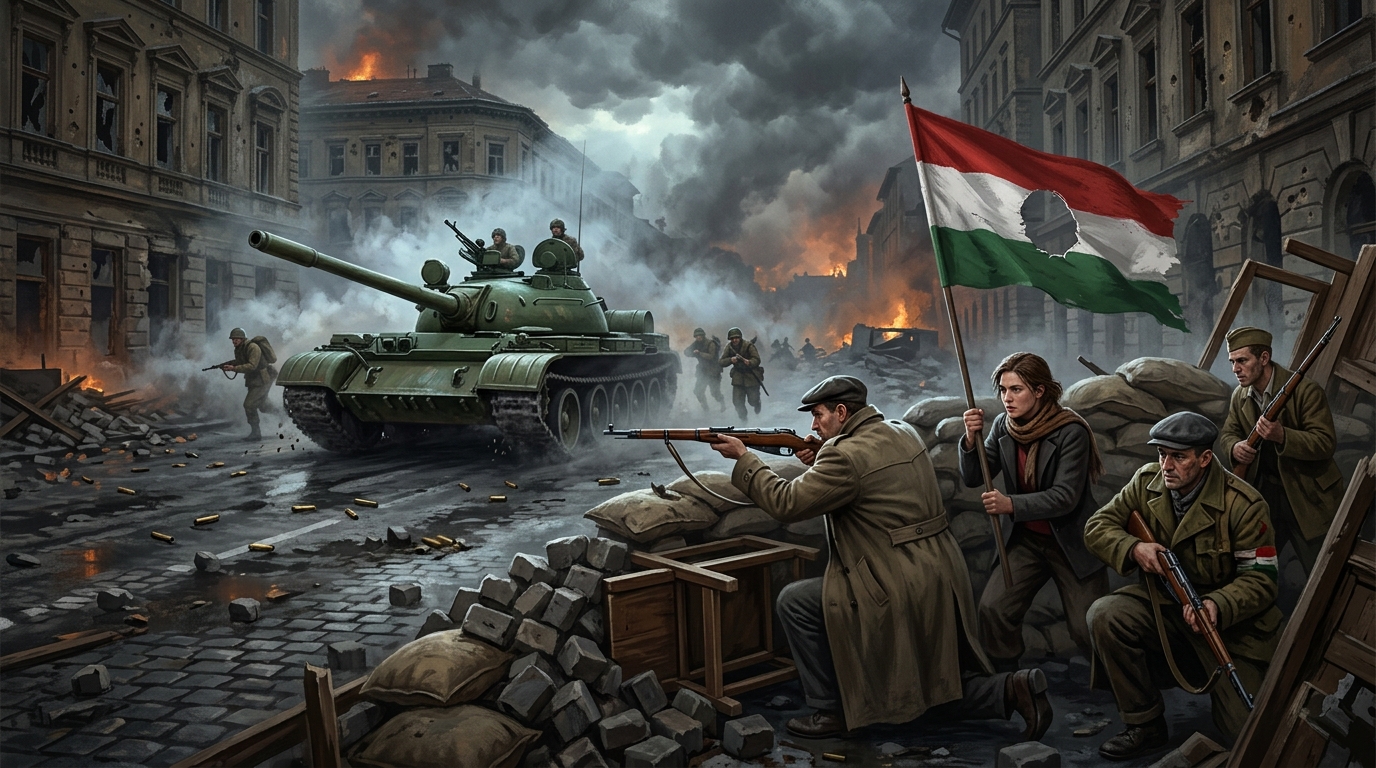
The Hungarian Revolution of 1956: Soviet Tanks in Budapest
A popular uprising against Soviet control, the attempt to establish a multi-party democracy, and the brutal military response of the Red Army.
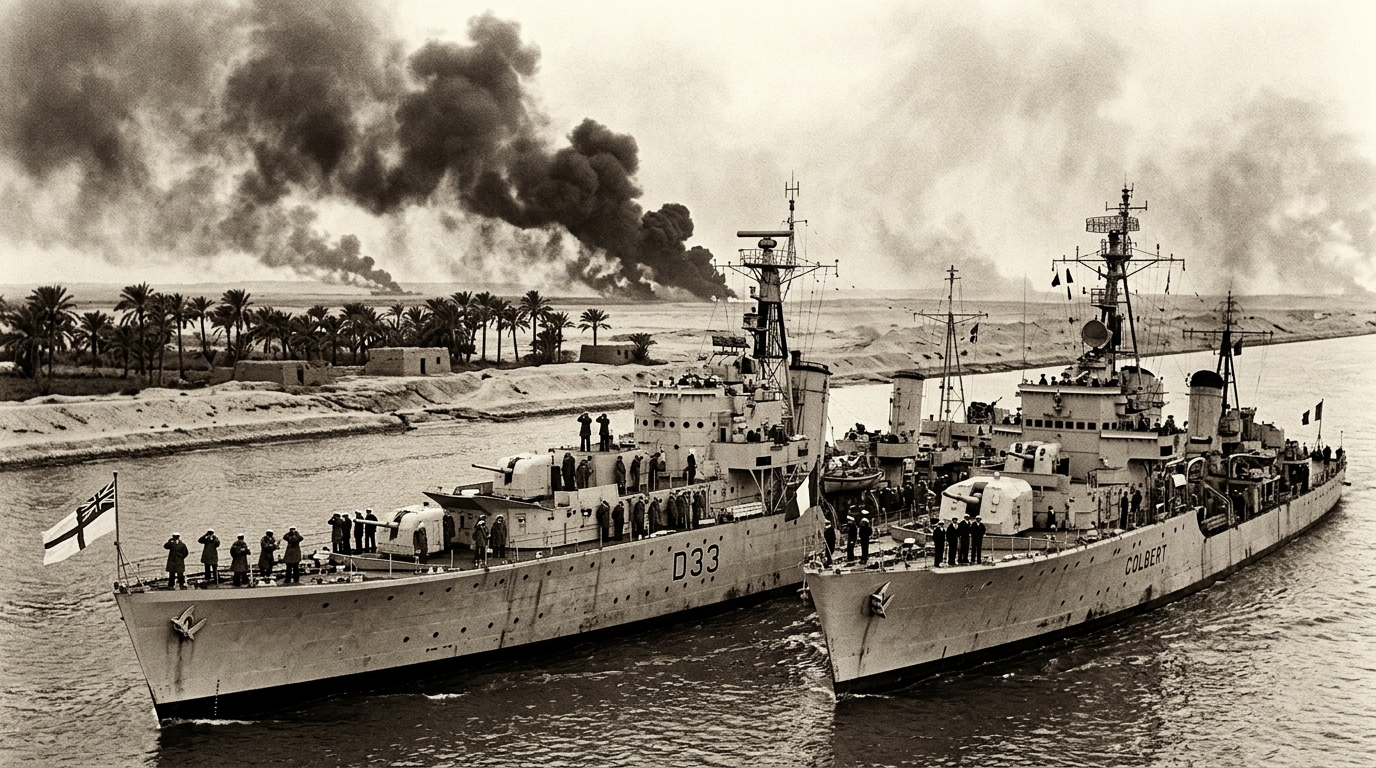
The Suez Crisis of 1956: The Eclipse of Colonial Empires
The Suez Crisis of 1956 was a pivotal geopolitical event, marked by the nationalization of the Suez Canal, a tripartite military intervention by Britain, France, and Israel, and the subsequent diplomatic crisis that irrevocably accelerated the decline of European colonial empires and fundamentally reshaped the Cold War's global dynamics. It exposed the limitations of traditional European power projection and solidified the bipolar world order dominated by the United States and the Soviet Union.
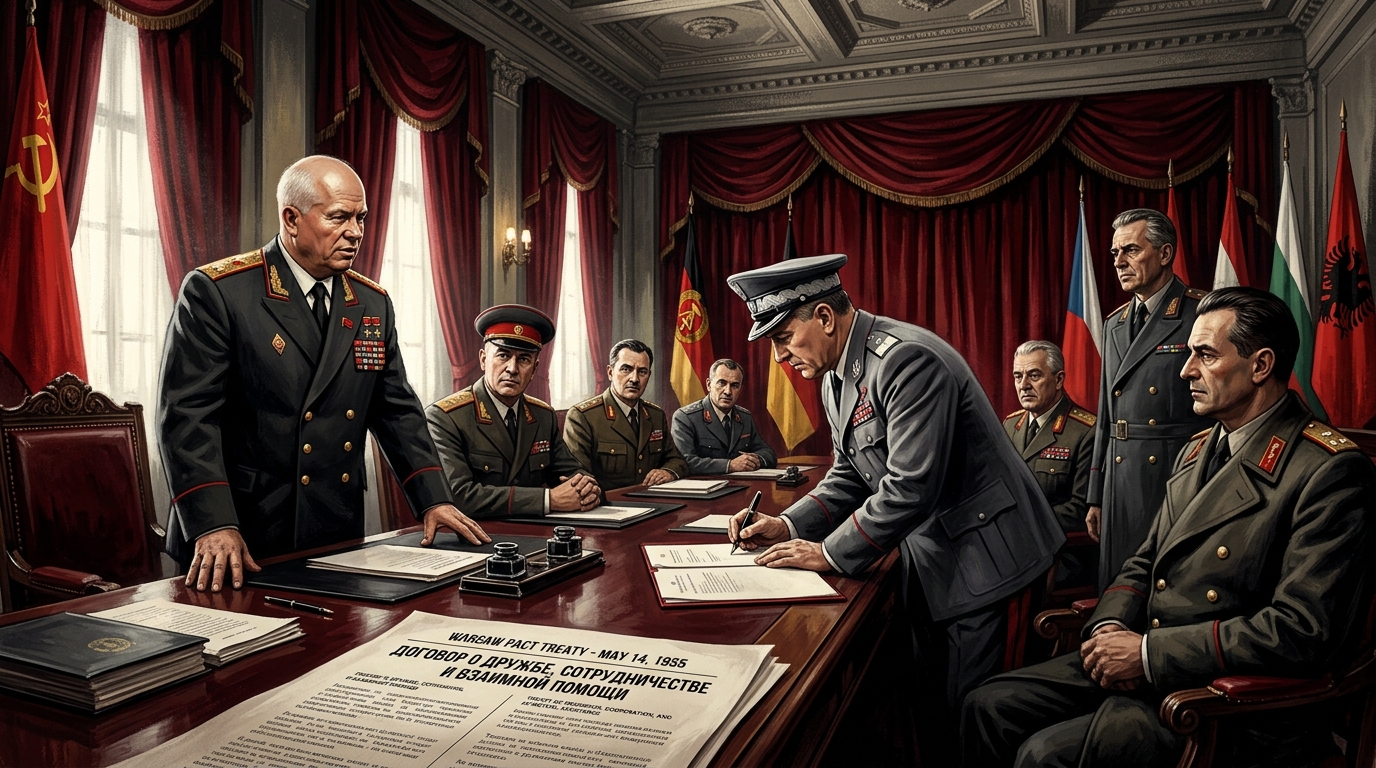
The Warsaw Pact of 1955: The Soviet Military Response to the West
The creation of the Eastern Bloc military alliance in response to the remilitarization of West Germany and its entry into NATO.
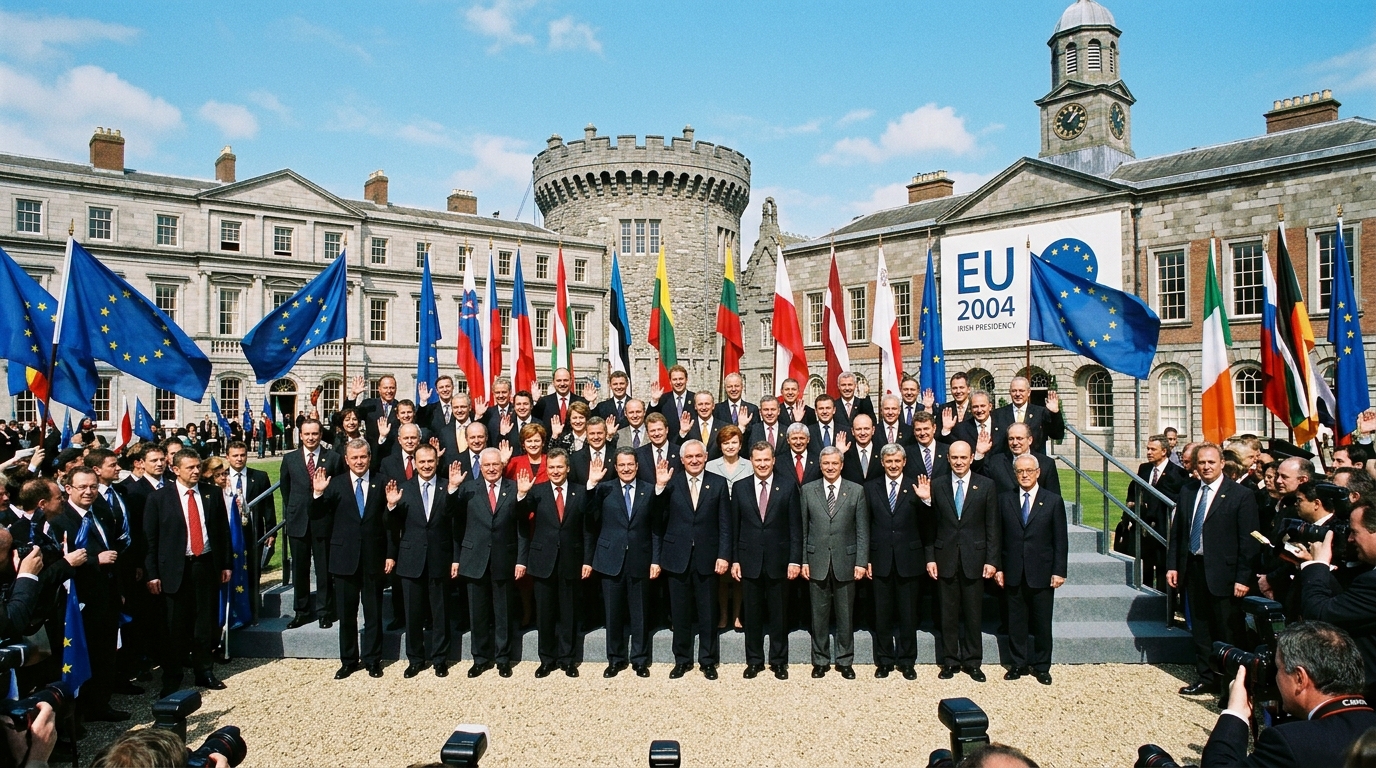
The 2004 Big Bang Enlargement of the European Union
The 2004 Big Bang Enlargement of the European Union, a monumental post-Cold War undertaking, saw the admission of 10 new member states, predominantly from Central and Eastern Europe. This transformative event not only unified a continent artificially divided for half a century but also fundamentally reshaped the EU's institutional dynamics, economic landscape, and geopolitical standing, marking a pivotal moment in European integration history.
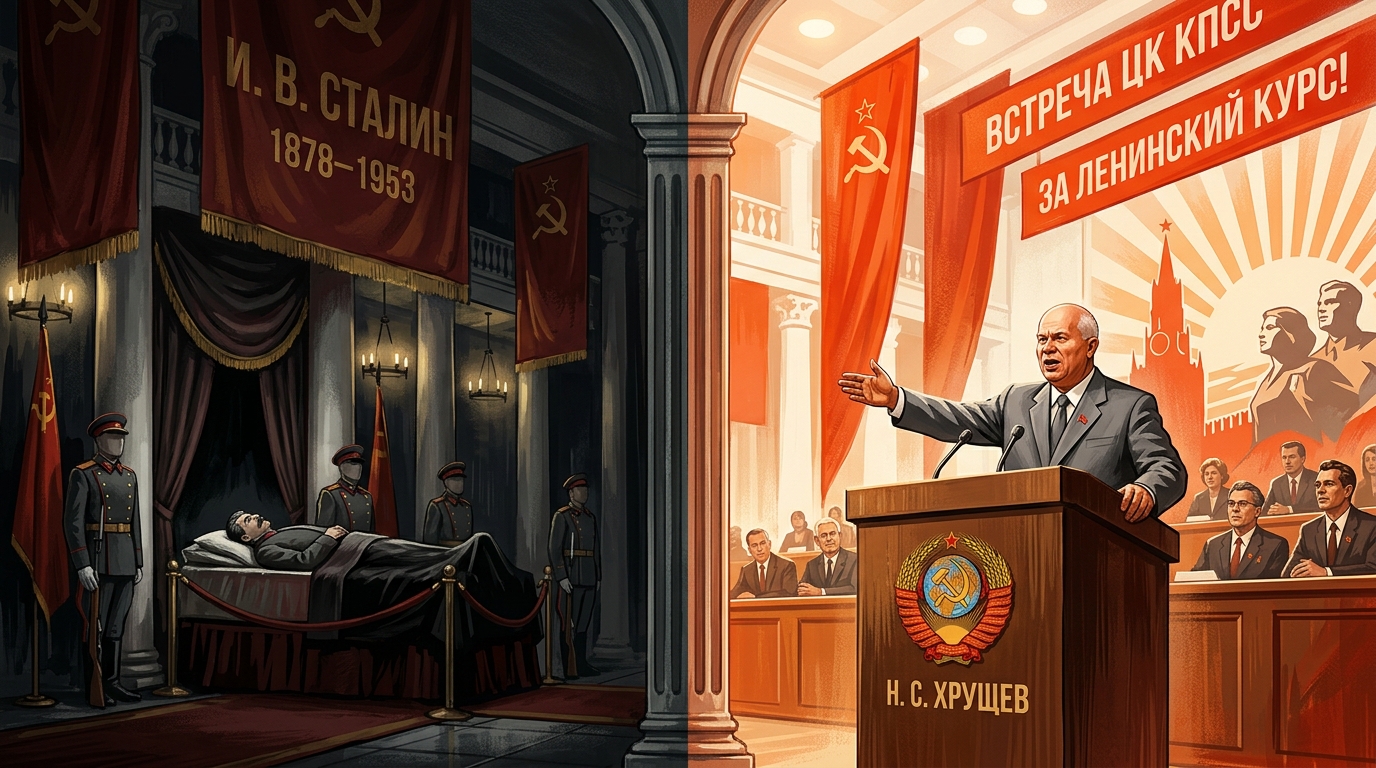
The Death of Stalin and the Khrushchev Thaw in the Soviet Union
The end of Joseph Stalin's iron rule, the elimination of Beria, and the start of the de-Stalinization process under Nikita Khrushchev.
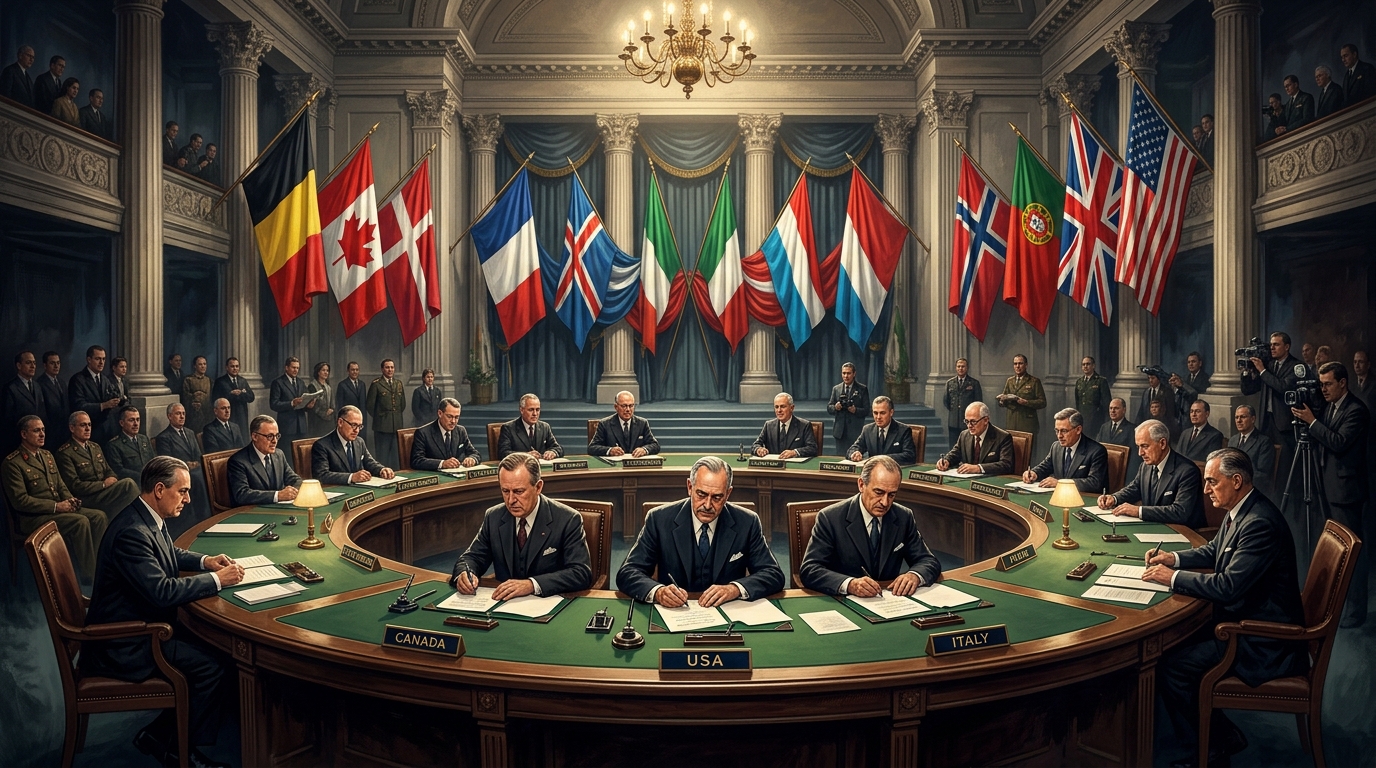
The Formation of NATO in 1949: Establishing the Western Alliance
The founding of the North Atlantic Treaty Organization and the establishment of collective defense as the core pillar of Western security.
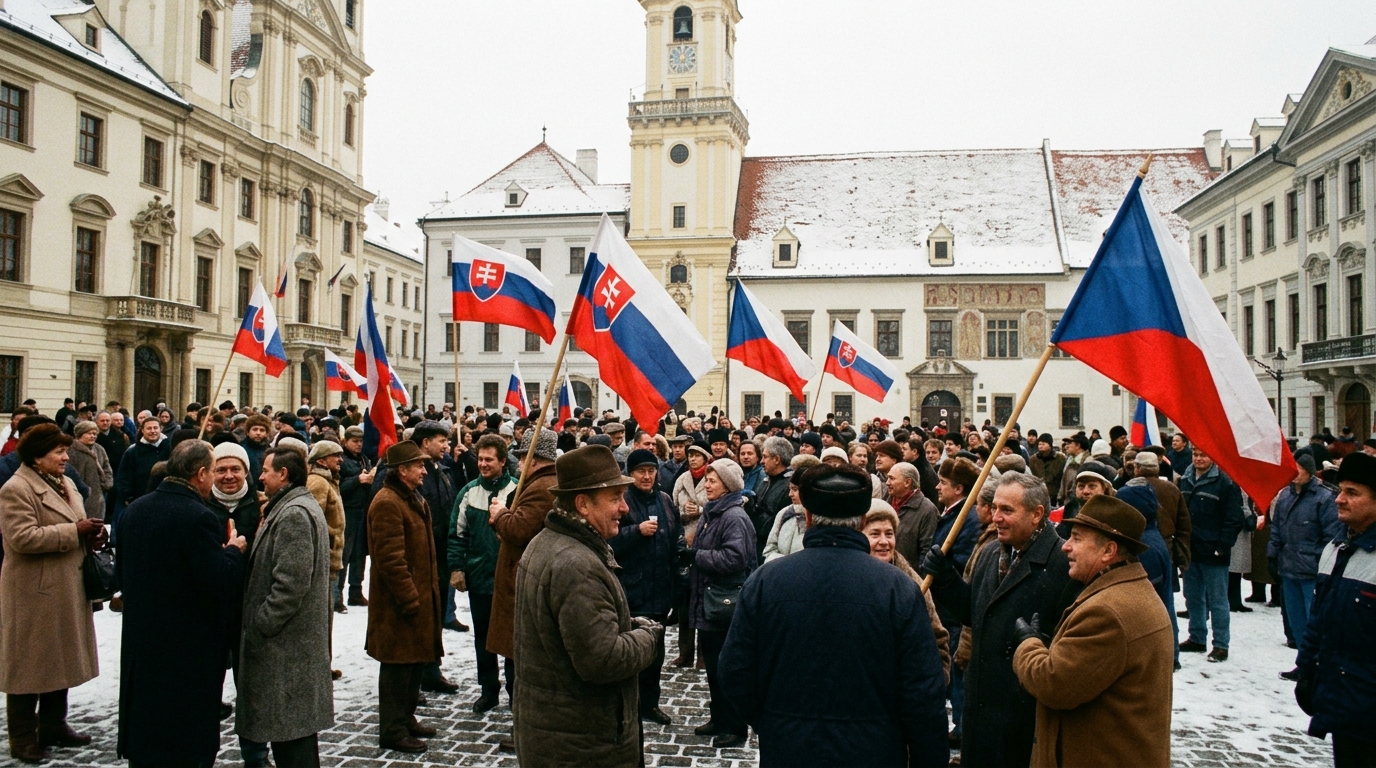
The Velvet Divorce 1993: The Peaceful Separation of Czechoslovakia
A model case of a peaceful and democratic split of a federation in Eastern Europe without a single shot fired.
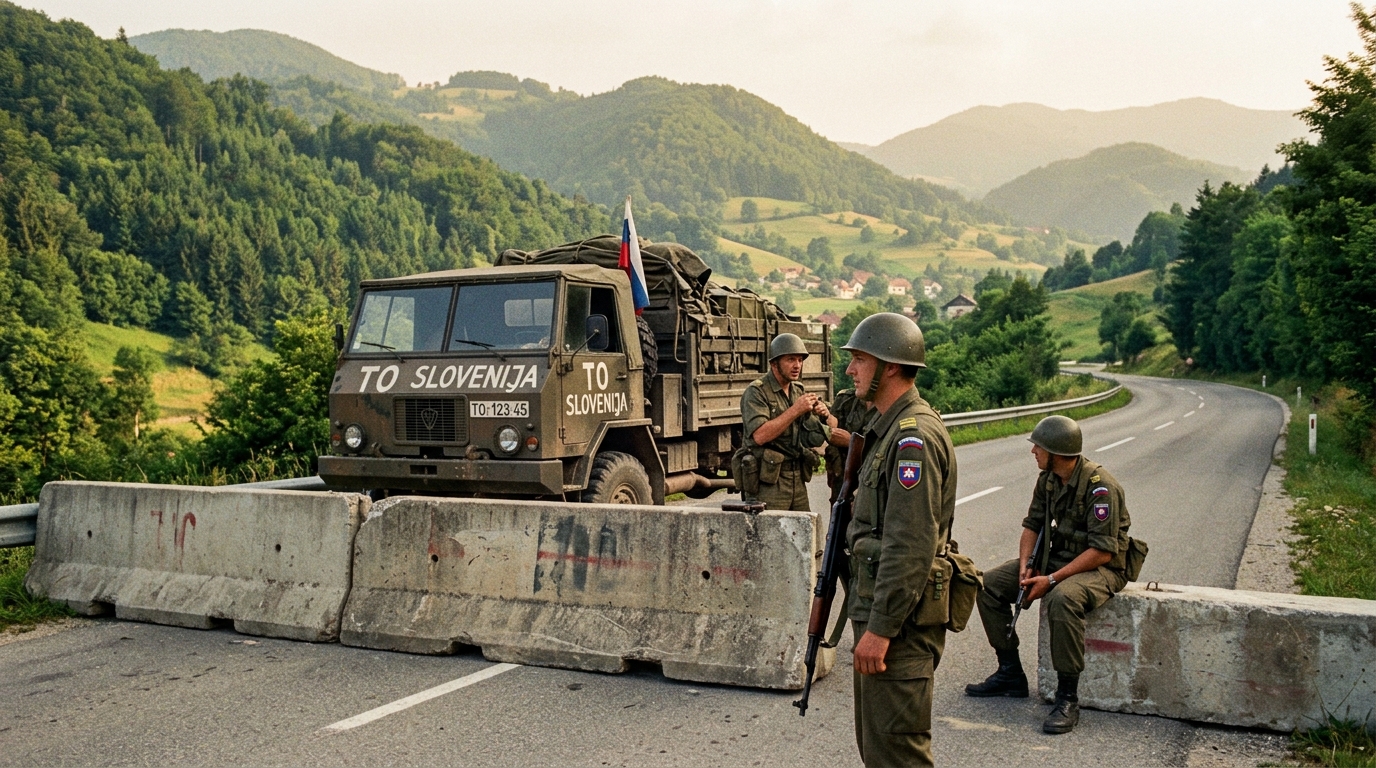
The Ten-Day War in Slovenia 1991: The Outbreak of the Yugoslav Conflicts
The brief clash between Slovenian Territorial Defense forces and the Yugoslav People's Army, marking the beginning of the Yugoslav wars.
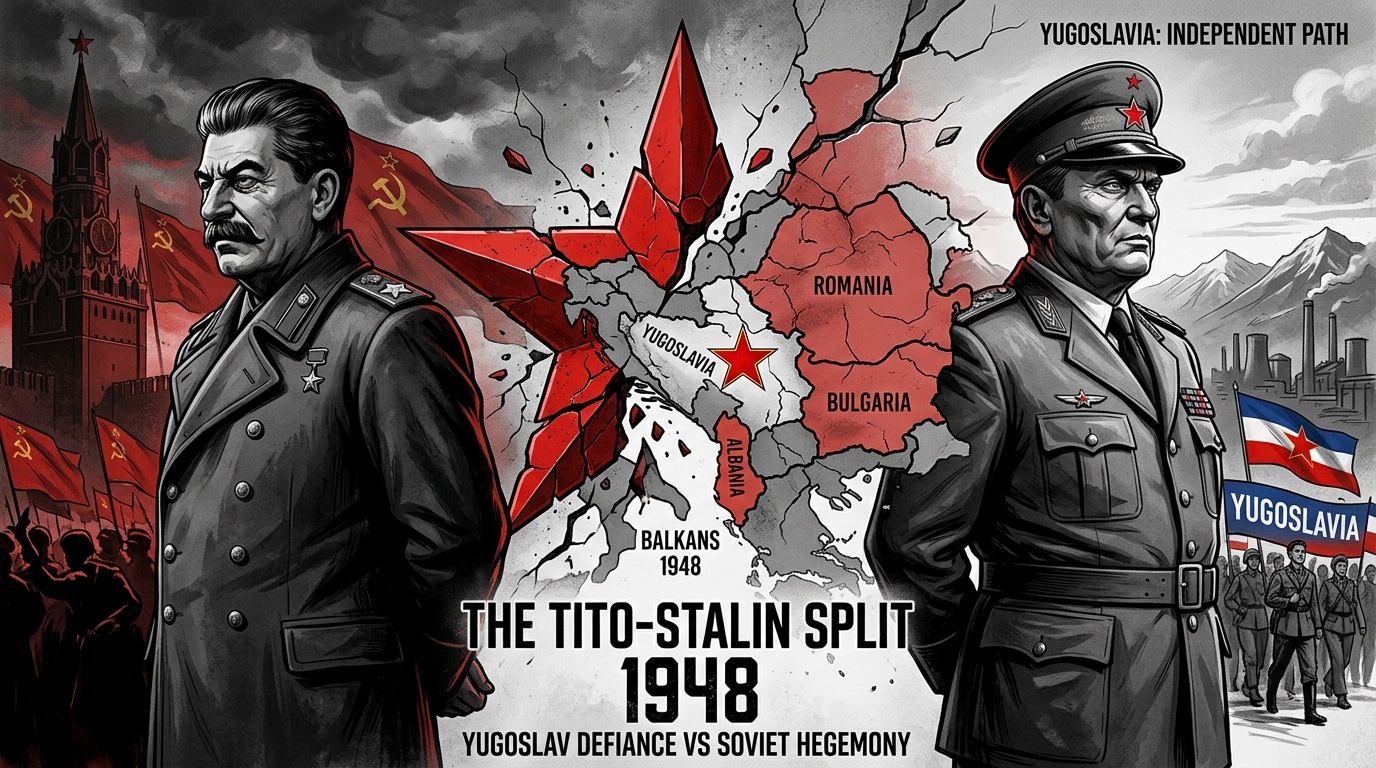
The Soviet-Yugoslav Split of 1948: How Tito Defied Stalin
An analysis of the biggest ideological and political earthquake in the communist world: how Yugoslavia said 'no' to Stalin and survived Soviet threats.
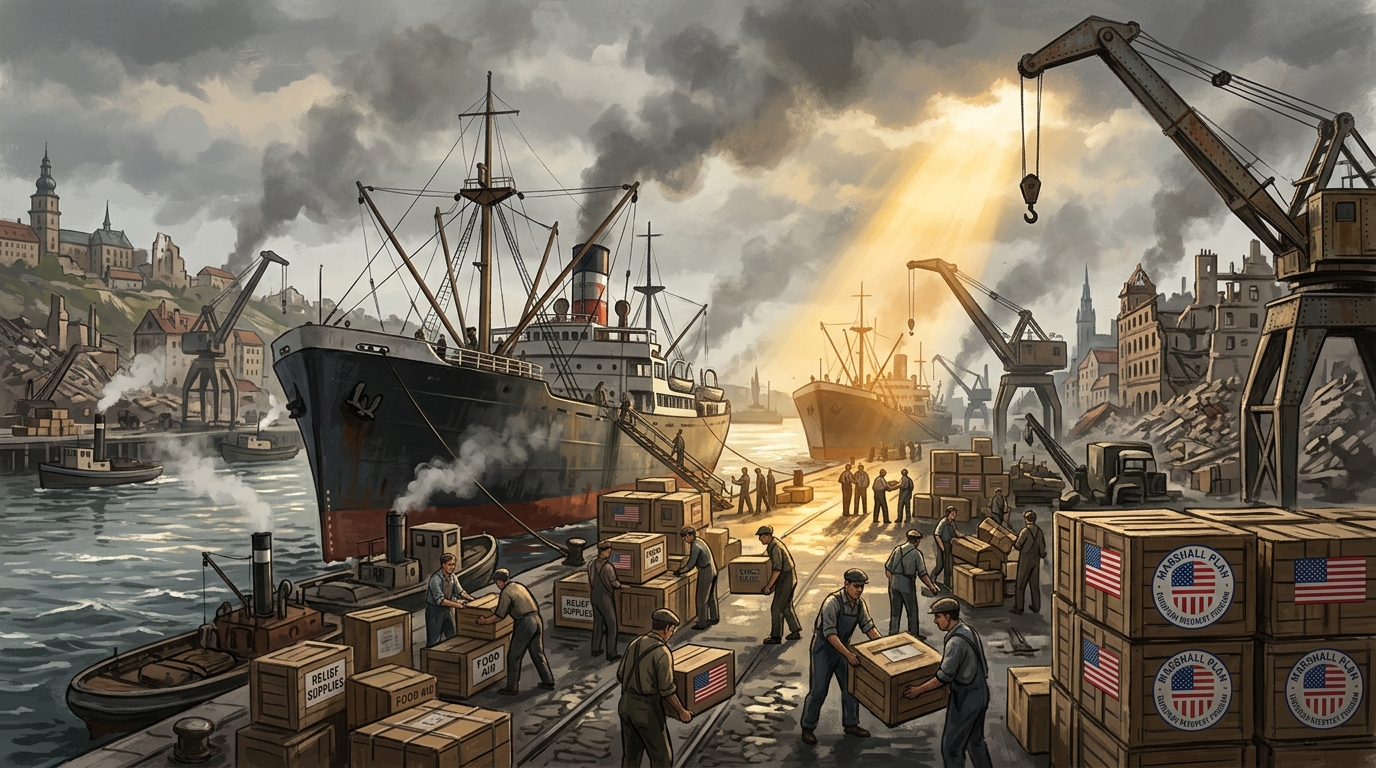
The Marshall Plan: Rebuilding Europe and Securing the Western Block
An analysis of the largest economic recovery program in history and its role in preventing the spread of Soviet influence in Western Europe.
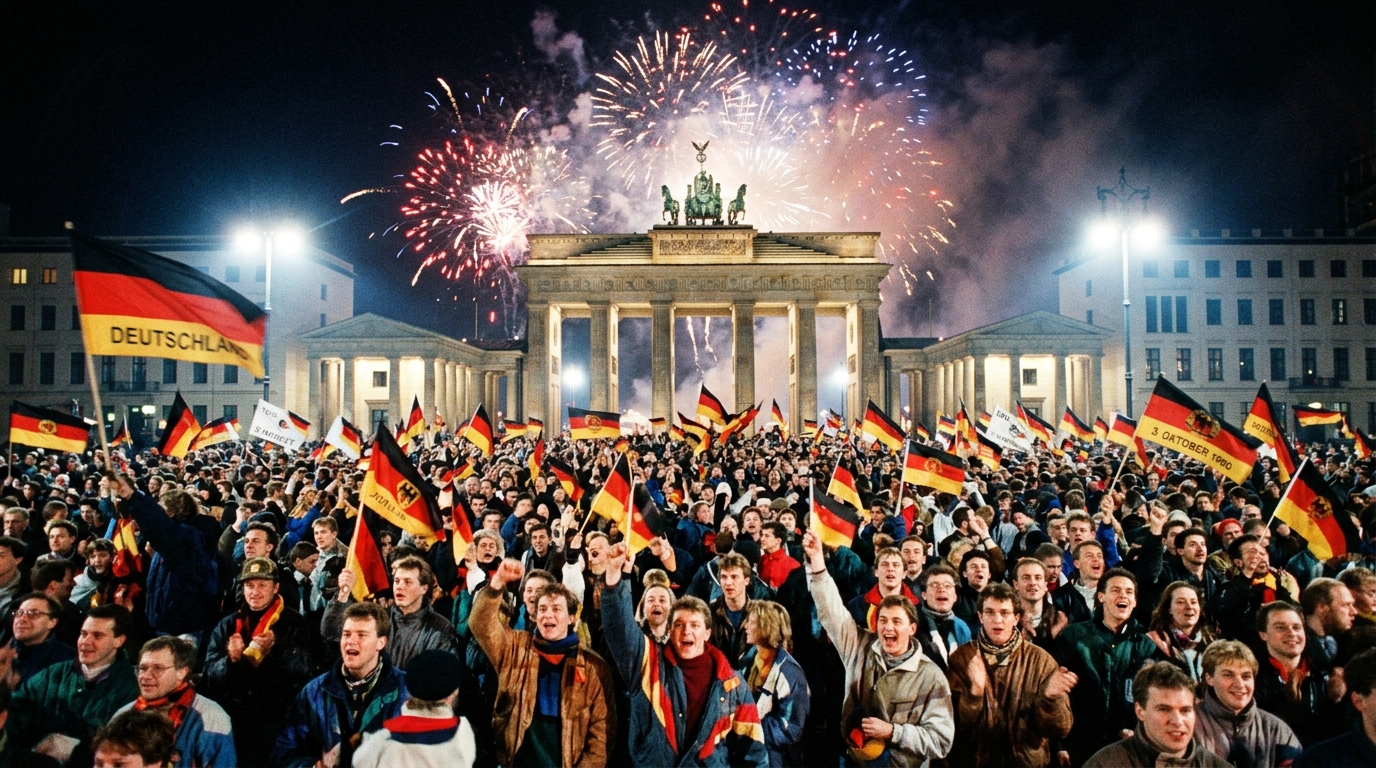
German Reunification in 1990: Rebirth of an European Giant
The political and diplomatic negotiations under the Two Plus Four Agreement that enabled the integration of East Germany into the FRG.
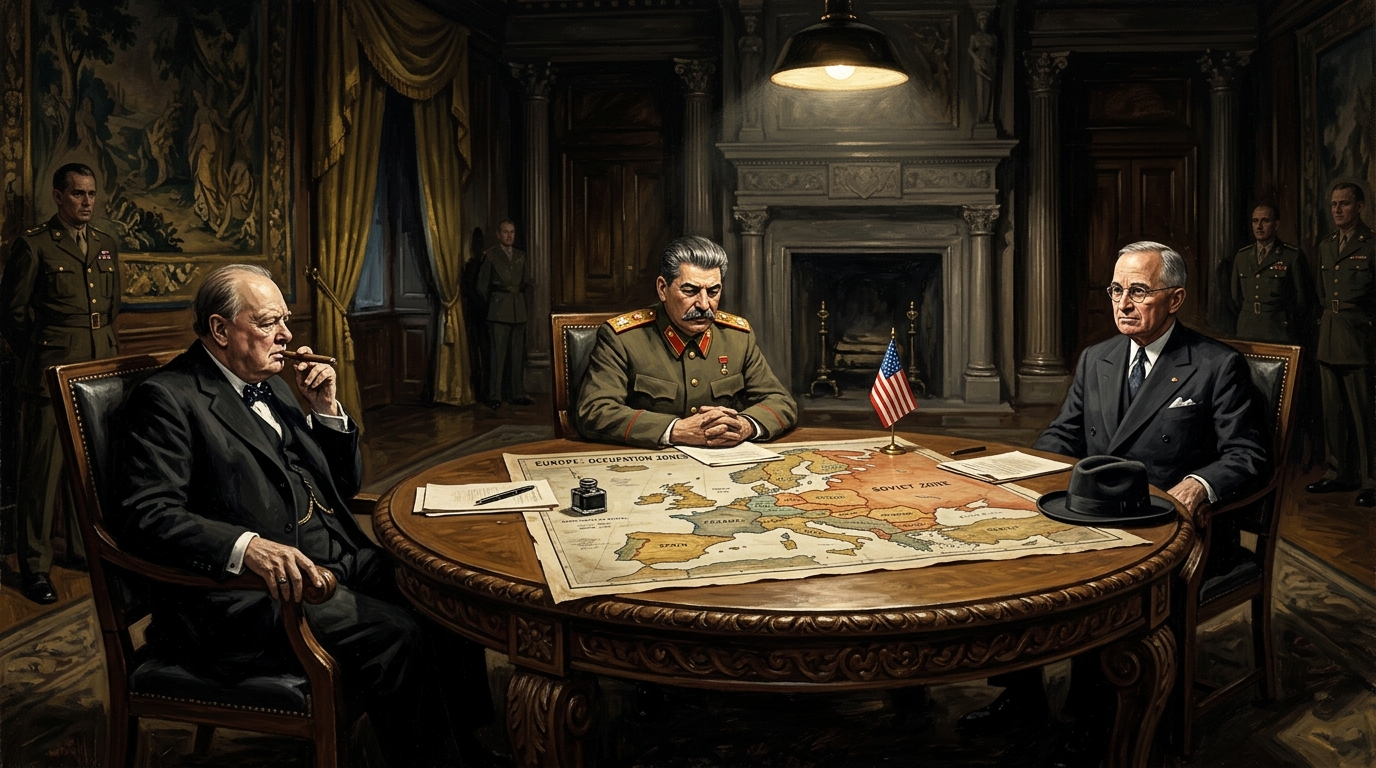
The Potsdam Conference: The Division of Europe and the Dawn of the Cold War
A detailed analysis of the 1945 Potsdam Conference, the final meeting of the Big Three and the beginning of the geopolitical split of Europe.