Key Takeaways
- The 2004 enlargement was the single largest expansion in EU history, integrating ten diverse nations and bridging the deep East-West divide created by the Iron Curtain.
- It profoundly altered the EU’s institutional architecture and decision-making processes, necessitating significant reforms to maintain governability within a much larger and more heterogeneous bloc.
- The accession process served as a powerful engine for political and economic transformation in candidate states, requiring the rigorous adoption of the acquis communautaire and fostering democratic consolidation and market reforms.
- Geopolitically, the enlargement solidified the EU's role as a major global actor, extending its zone of stability and prosperity eastward and recalibrating its relationship with Russia and other neighbors.
- The event triggered significant socio-economic shifts, including increased labor mobility, substantial structural fund transfers, and the challenge of integrating diverse economies and social systems.
Historical Context and Origins
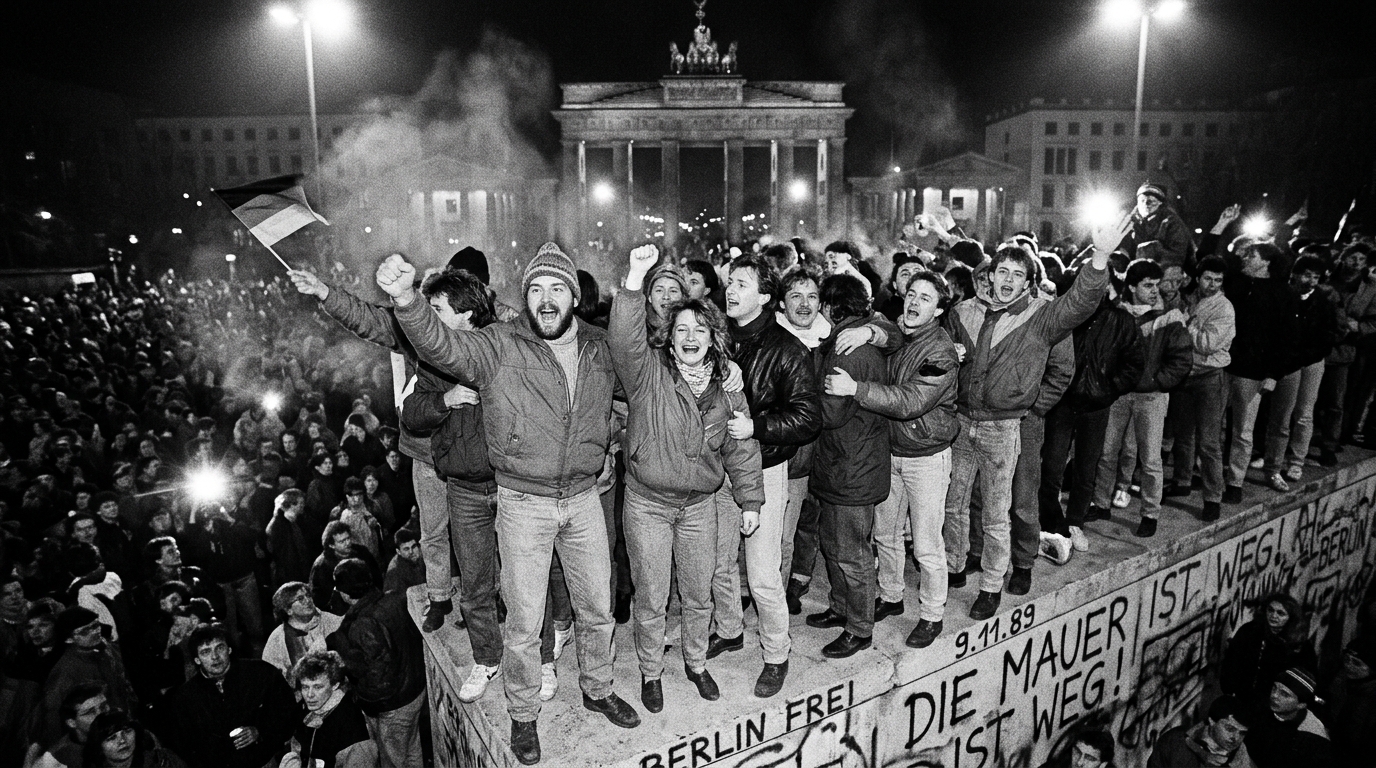
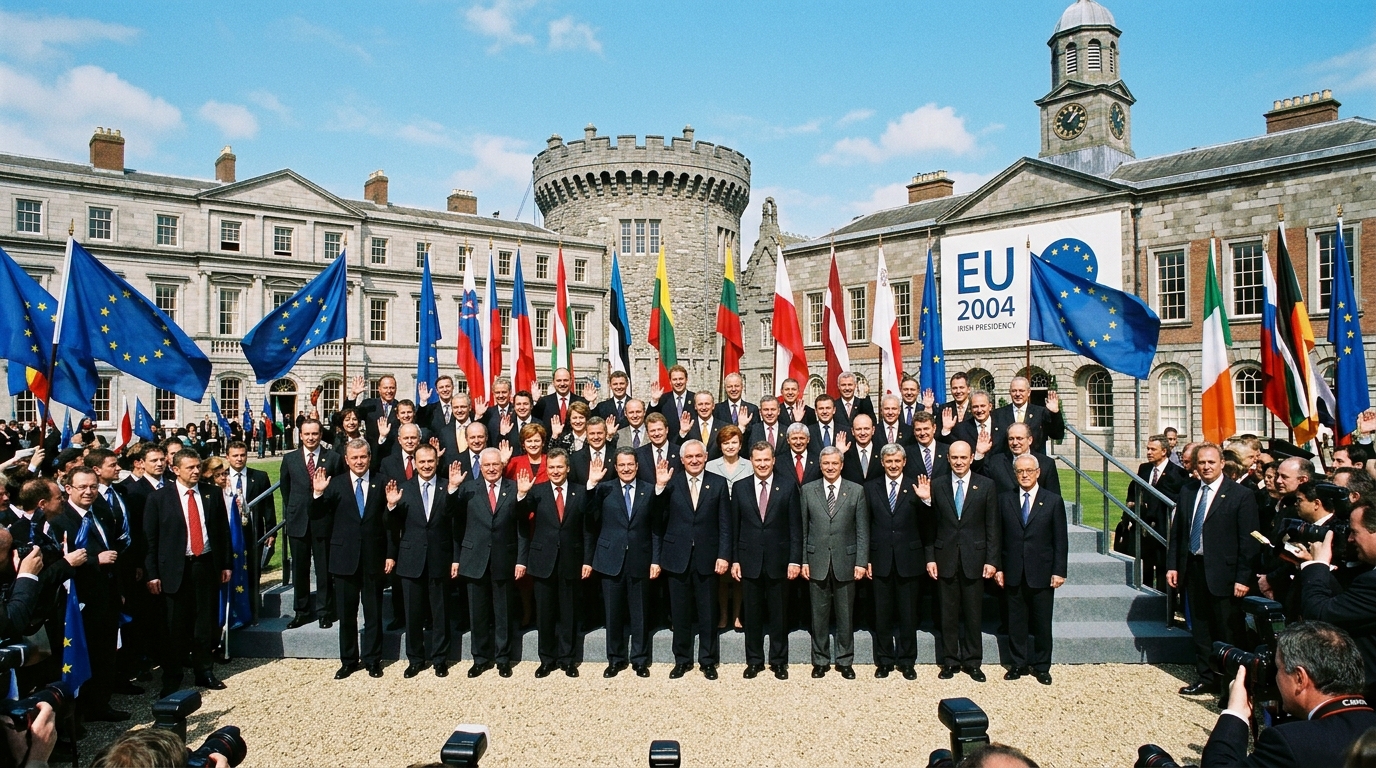
The expansion of the European Union on May 1, 2004, stands as arguably the most ambitious and symbolically potent geopolitical project of the post-Cold War era. Often referred to as the "Big Bang" enlargement, this monumental event saw ten countries—Cyprus, the Czech Republic, Estonia, Hungary, Latvia, Lithuania, Malta, Poland, Slovakia, and Slovenia—officially join the bloc. This was far more than a mere bureaucratic expansion; it was a profound historical act, a deliberate attempt to heal the scars of a continent artificially cleaved by the Iron Curtain and to fulfill the "Return to Europe" aspiration that had defined the foreign policy and national identity of Central and Eastern European (CEE) states since the fall of the Berlin Wall in 1989.
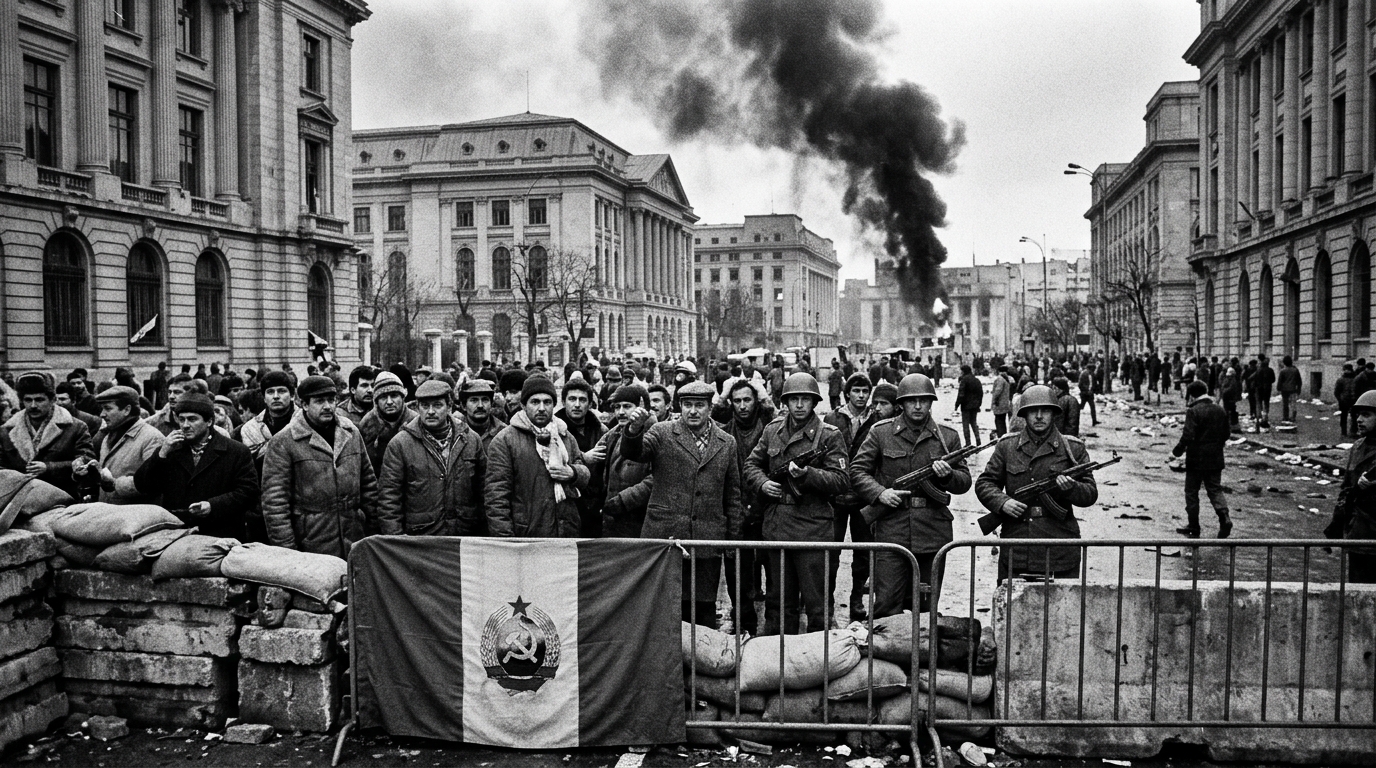
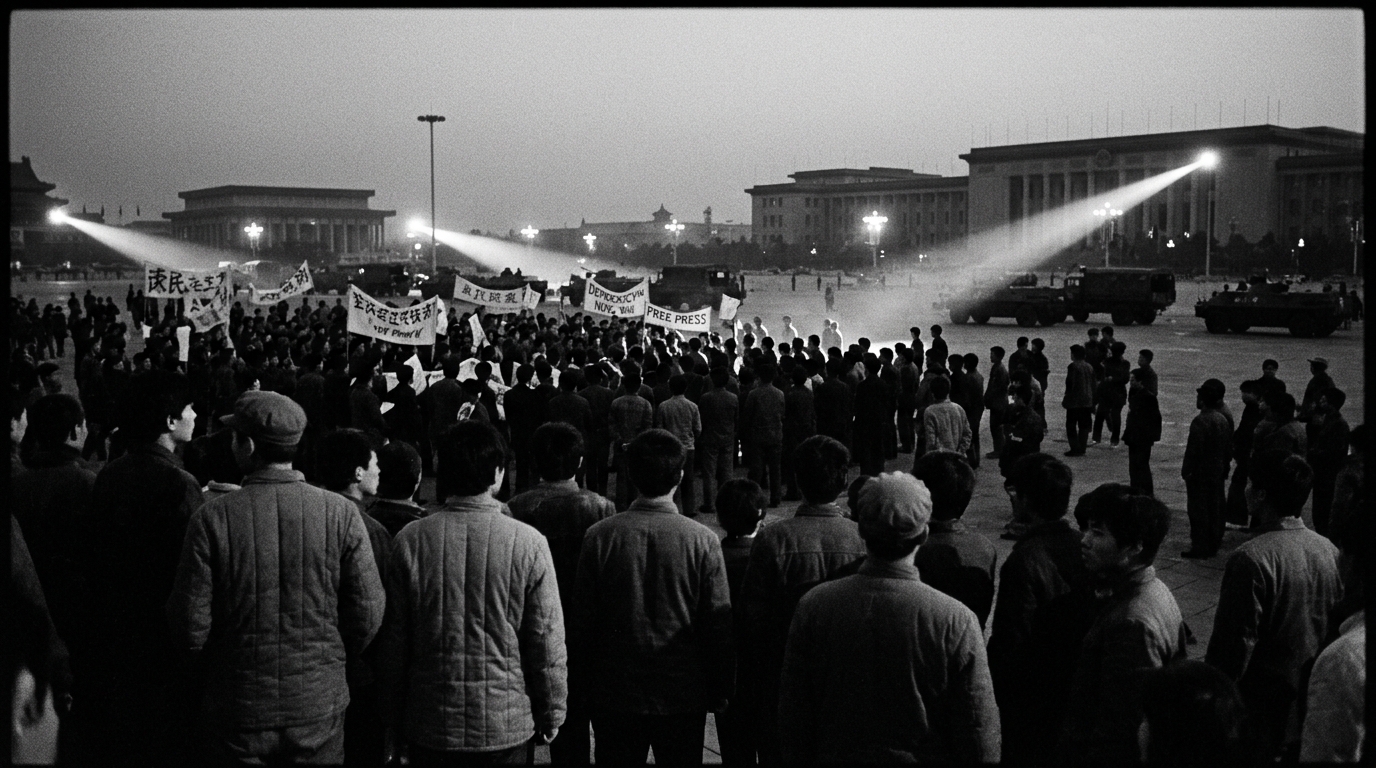
The roots of this enlargement lie deep in the geopolitical shifts of the late 20th century. For nearly half a century, Europe had been divided into two ideological and economic spheres: the democratic, market-oriented West, largely coalesced around the European Economic Community (EEC), and the communist East, dominated by the Soviet Union and its satellite states. The collapse of communism, symbolized by the fall of the Berlin Wall, unleashed a tidal wave of geopolitical uncertainty and economic instability across the former Eastern Bloc. The newly independent states faced the daunting task of transitioning from centrally planned economies to market democracies, often burdened by outdated infrastructure, environmental degradation, and the legacy of authoritarian rule.
For these nations, particularly the Visegrád Four (Poland, Hungary, Czech Republic, and Slovakia) and the Baltic States, membership in the burgeoning European Union became the "north star"—the ultimate validation of their democratic credentials, a powerful engine for economic modernization, and a crucial security guarantee against potential Russian resurgence. The specter of historical instability, coupled with the desire for sovereignty and self-determination after decades of Soviet domination, fueled an intense drive towards Western integration.
For the existing EU member states, the rationale for enlargement was multifaceted. Primarily, it was seen as a strategic imperative to project stability eastward, creating a vast, integrated market that would prevent the kinds of nationalist conflicts and economic dislocations that had decimated the continent in the 20th century. Germany, sharing a direct border with several candidate countries, was a particularly strong advocate, viewing enlargement as both a moral duty and an economic opportunity. There was also a strong ethical component: the belief that the "family of European nations" could not truly be whole while its eastern half remained outside its democratic and economic embrace. The EU aimed to consolidate a zone of peace, prosperity, and shared democratic values across the entire continent, embodying the very ideals upon which the European project was founded.
The foundational requirements for this expansion were established at the Copenhagen European Council in June 1993, which laid out the "Copenhagen Criteria." These stipulated that any state wishing to join must possess:
- Political Criteria: Stable institutions guaranteeing democracy, the rule of law, human rights, and respect for and protection of minorities. This encompassed free and fair elections, separation of powers, and robust civil liberties.
- Economic Criteria: A functioning market economy capable of coping with competitive pressure and market forces within the Union. This required liberalization, privatization, and macroeconomic stability.
- Administrative and Institutional Capacity: The capacity to take on the obligations of membership, including adherence to the aims of political, economic, and monetary union. Crucially, this meant the ability to implement the acquis communautaire—the accumulated body of EU law, which by 2004 comprised over 80,000 pages of legislation.
These criteria transformed the enlargement process from a purely political decision into a rigorous, conditionality-based exercise, demanding deep-seated structural reforms from candidate countries. It was, in essence, a profound process of state-building and societal transformation, guided and scrutinized by Brussels.
Timeline of Events and Key Moments
The path to 2004 was marked by a decade of rigorous negotiation, legal harmonization, complex institutional maneuvering, and immense political will on both sides of the former Iron Curtain.
| Year | Milestone |
|---|---|
| 1989 | Fall of the Berlin Wall; end of communist regimes in Central and Eastern Europe, sparking initial aspirations for Western integration. |
| 1991 | Signing of Association Agreements (Europe Agreements) with Poland, Hungary, and Czechoslovakia, establishing closer political and economic ties and hinting at future membership. |
| 1993, June | Copenhagen European Council formally establishes the membership criteria (Copenhagen Criteria), providing a clear roadmap for candidate countries. |
| 1995 | The EU launches the "Pre-Accession Strategy," offering financial aid (PHARE program) and technical assistance to help candidates prepare for membership. |
| 1997, July | The European Commission publishes Agenda 2000, a comprehensive communication outlining the administrative, budgetary, and agricultural reforms needed within the existing EU to prepare for enlargement, and identifying the first wave of candidates. |
| 1998, March | Formal accession negotiations begin with the first wave of candidates: Cyprus, the Czech Republic, Estonia, Hungary, Poland, and Slovenia. |
| 1999, Dec | Helsinki European Council formally invites the remaining candidate countries—Bulgaria, Latvia, Lithuania, Malta, Romania, and Slovakia—to begin accession negotiations, signaling a broader commitment to Eastern enlargement. |
| 2000, Dec | The Nice European Council concludes negotiations on institutional reforms to prepare the EU for a larger membership (Nice Treaty), modifying voting weights, Commission size, and qualified majority voting (QMV) procedures. |
| 2002, Dec | The Copenhagen European Council concludes accession negotiations with 10 candidate countries (Cyprus, Czech Republic, Estonia, Hungary, Latvia, Lithuania, Malta, Poland, Slovakia, Slovenia), marking the decisive political agreement. |
| 2003, Apr | Signing of the Treaty of Accession in Athens, Greece, by the 15 existing member states and the 10 acceding countries. This legally cemented the agreement. |
| 2003, May-Aug | Referendums on EU membership held in most acceding countries, all resulting in overwhelming public support for joining the Union. |
| 2004, May 1 | Official accession of 10 new members to the European Union, marking the "Big Bang" enlargement. |
Throughout this period, the European Commission, under the leadership of President Romano Prodi (1999–2004), took the lead in coordinating the technical aspects of the accession, particularly through Commissioner for Enlargement Günter Verheugen. Prodi's tenure was defined by the relentless pursuit of this expansion. He recognized that while the political desire for enlargement was strong, the technical requirements—specifically the adoption of the acquis communautaire—were an immense administrative and legislative burden on the incoming states. The Commission's role involved monitoring, providing technical assistance, and mediating disputes across the 31 negotiating chapters, ranging from agriculture and environment to justice and home affairs. This complex process often involved difficult compromises and derogations to accommodate the unique circumstances of each candidate.
Geopolitical Consequences and Aftermath
The integration of the "Visegrád Four" (Poland, Hungary, Czech Republic, and Slovakia), the Baltic States, Slovenia, Cyprus, and Malta fundamentally altered the European landscape. Overnight, the EU’s population increased by approximately 75 million people, and its internal market expanded significantly, pushing its eastern border thousands of miles further into the continent.
Geopolitically, the expansion moved the borders of the EU—and by extension, the democratic sphere of influence—closer to Russia and the Western Balkans. This provided a crucial, indeed existential, sense of security for states like Poland and the Baltic nations, which viewed EU membership as a vital safeguard against potential threats from a post-Yeltsin, increasingly assertive Russia. It effectively drew a new, albeit "soft," geopolitical line in Europe, solidifying the Western orientation of these countries and largely ending Moscow's historical influence over them. This shift, while welcomed in the West, was viewed with suspicion and resentment by Russia, which saw it as an encroachment on its traditional sphere of influence.
However, this shift also sowed the seeds of future friction and complexity within the Union itself. The enlargement transformed the EU into a more heterogeneous organization, encompassing a wider array of historical experiences, economic development levels, and geopolitical priorities. This heterogeneity inevitably made consensus-building among 25 (and later 27/28) members significantly more difficult than it had been with the smaller, more economically similar original group. Debates over the Common Agricultural Policy (CAP), structural funds, and foreign policy became more protracted and complex. The institutional reforms enshrined in the Nice Treaty, designed to prepare the EU for enlargement, were widely seen as insufficient, prompting further discussions that would eventually lead to the Lisbon Treaty (2009).
Economically, the "Big Bang" triggered massive capital flows from Western Europe to the East. Structural and cohesion funds, specifically designed to help new members catch up, poured billions of euros into infrastructure modernization, environmental projects, and agricultural subsidies. This facilitated the integration of supply chains, creating a vast single market that boosted overall European competitiveness and provided significant export opportunities for existing members. Western companies invested heavily in the new member states, attracted by lower labor costs and burgeoning markets, leading to rapid economic growth in many CEE countries. While the "brain drain" of skilled labor from East to West sparked debates regarding labor mobility and social stability in some older member states, the aggregate growth of the enlarged European market provided a powerful counterweight to the emerging economic dominance of Asia and the United States, cementing the EU's position as a major global economic bloc.
The enlargement also fostered a greater sense of shared European identity and purpose, at least initially. For the new members, it was a symbolic homecoming, a return to the broader European family from which they had been forcibly separated. For the older members, it represented the fulfillment of a historical mission to unite the continent in peace and prosperity.
Socio-Economic Transformations and Challenges
The 2004 enlargement unleashed a wave of profound socio-economic transformations across both old and new member states, presenting both immense opportunities and significant challenges.
Economic Convergence and Disparities: The most immediate economic impact was the acceleration of convergence. Billions of euros in structural and cohesion funds flowed into the new member states, channeled into infrastructure development (roads, railways, broadband networks), environmental protection, and human capital investment. This funding, coupled with increased foreign direct investment (FDI) from Western Europe, spurred impressive economic growth rates in countries like Poland, Slovakia, and the Baltic States. Wages rose, living standards improved, and the gap with older member states began to shrink. However, this convergence was not uniform; significant regional disparities often emerged within the new member states themselves, and some sectors adapted more quickly than others. The agricultural sector, in particular, faced difficult reforms to align with the CAP, leading to social dislocations in rural areas.
Labor Mobility and Its Implications: One of the most defining features of the enlargement was the free movement of people. While many "old" member states initially imposed transitional restrictions on labor mobility, countries like the UK, Ireland, and Sweden opened their labor markets immediately. This led to a significant migration of workers, particularly from Poland and the Baltic States, to Western Europe in search of higher wages and better opportunities. This "brain drain" was a mixed blessing: it relieved unemployment pressures in the new member states and sent remittances home, but it also depleted these countries of some of their most dynamic and skilled workers. In the receiving countries, while labor shortages in certain sectors were alleviated and economic growth boosted, concerns arose about "social dumping," pressure on wages for low-skilled workers, and strain on public services. These concerns, often fueled by populist narratives, became a significant political issue, particularly in the UK, contributing to the later Brexit debate.
Integration of Diverse Economies: Integrating ten new economies, ranging from the relatively robust Czech Republic to the smaller Baltic states and Malta/Cyprus, posed considerable challenges. The new members had varying levels of economic development, different regulatory traditions, and often less developed administrative capacities to implement the vast acquis communautaire. Ensuring fair competition, harmonizing product standards, and integrating financial markets required continuous effort and monitoring. The influx of cheap goods and services from the East, while benefiting consumers, sometimes created competitive pressure on specific industries in older member states.
Social and Political Impact: Beyond economics, the enlargement had deep social and political implications. The exposure to Western European norms, values, and consumer culture accelerated social changes in the new member states. While generally positive, this sometimes created generational divides and fueled debates about national identity versus European identity. Politically, the process strengthened democratic institutions and the rule of law in the new members, making them more resilient to internal and external pressures. However, it also, paradoxically, contributed to the rise of Eurosceptic parties in some of these countries, who argued that Brussels was undermining national sovereignty or imposing undesirable cultural norms. The initial euphoria of joining the EU gradually gave way to more pragmatic, and sometimes critical, assessments of membership benefits and costs.
Analysis of Key Actors and Decisive Actions
The success of the 2004 enlargement was the result of sustained effort from a multitude of actors, each playing a critical role in navigating the complex political, economic, and legal landscape.
The figure of Romano Prodi remains central to the 2004 narrative. As Commission President from 1999 to 2004, he steered the bloc through the "finishing line" of negotiations. Prodi was a staunch advocate of "deepening" the EU alongside "widening" it, pushing for the Nice Treaty reforms to ensure that an expanded Union would remain governable. His leadership was crucial in maintaining political momentum and overcoming resistance from various quarters. He famously articulated the strategic vision:
"The enlargement is a historic opportunity to unite our continent, to share our values and to build a stable, prosperous and secure future for all our citizens. It is a moral imperative, a political necessity and an economic opportunity that Europe cannot afford to miss." — Romano Prodi, addressing the European Parliament on the eve of the 2004 expansion.
Crucial to Prodi's efforts was Günter Verheugen, the German Commissioner for Enlargement (1999–2004). Verheugen became the public face of the accession process, traveling extensively to candidate countries, overseeing the negotiations, and pushing through reforms. His diplomatic skills and detailed understanding of the acquis were instrumental in bridging gaps and ensuring that candidate countries met the demanding criteria. He often acted as a sympathetic, yet firm, guide for the aspiring members.
The existing member states, particularly the "old" members like Germany and France, played a complex game of support mixed with hesitation.
- Germany, under Chancellor Gerhard Schröder, was arguably the most ardent proponent of Eastern expansion. Sharing long borders with many CEE nations, Germany viewed enlargement as a moral duty to bridge the gap caused by the Yalta agreement, a strategic imperative for regional stability, and an immense economic opportunity for its own industries to access new markets and supply chains. Schröder's government provided significant political backing and financial support, despite internal concerns about labor market impacts and the costs of cohesion funds.
- France, under President Jacques Chirac, focused more on the institutional implications and the preservation of French influence. Paris was concerned that a larger Union would diminish its relative weight, complicate the Common Agricultural Policy (CAP) (which heavily favored French farmers), and necessitate a more restrictive fiscal policy. France pushed strongly for institutional reforms, such as those embedded in the Nice Treaty, to ensure governability and to safeguard its position within the enlarged bloc. While ultimately supportive, French hesitation often forced compromises that shaped the final institutional setup.
- The United Kingdom, under Prime Minister Tony Blair, was generally supportive of enlargement, often viewing it as a way to dilute federalist tendencies within the EU by introducing more diverse voices and promoting a broader free-market orientation. The UK's decision to open its labor markets immediately to workers from the new member states was a distinctive policy choice that had significant socio-economic repercussions.
The candidate countries themselves were not mere passive recipients of EU largesse. They undertook radical and often painful economic, political, and social reforms—privatizing state industries, liberalizing markets, reforming judiciaries, fighting corruption, and aligning their regulatory frameworks with the complex, bureaucratic requirements of Brussels. This was a process of intense domestic transformation that often tested the limits of political patience and societal resilience in Warsaw, Budapest, Prague, and other capitals. Leaders like Poland's Leszek Miller (Prime Minister during the final stages) and Hungary's Viktor Orbán (early proponent in the 1990s) navigated intricate domestic politics to secure the necessary reforms and public support for accession. Their unwavering commitment, despite the high social costs of transition, was ultimately decisive.
Long-Term Legacy and Modern Historiographical Debates
The 2004 "Big Bang" enlargement stands as a defining moment in the history of European integration, leaving an indelible long-term legacy that continues to shape the continent. Its impact is still debated by historians and political scientists, with perspectives evolving as the EU navigates new challenges.
Consolidation of Peace and Democracy: Perhaps the most significant legacy is the consolidation of peace, stability, and democracy across Central and Eastern Europe. EU membership provided an anchor, ensuring that the nascent democracies established after 1989 would not backslide into authoritarianism or succumb to internal conflicts. It largely ended the historical cycles of conflict that had plagued the region for centuries, integrating these nations into a robust framework of shared values and collective security. This normative power projection remains a key achievement, often cited as a model for global governance.
Institutional Evolution and Governance Challenges: The enlargement profoundly altered the EU's institutional architecture. The Nice Treaty proved to be a temporary fix, and the inherent difficulties of making decisions with 25 (and later 27/28) member states quickly became apparent. The search for a more effective decision-making framework ultimately led to the negotiation and ratification of the Lisbon Treaty (2009), which introduced Qualified Majority Voting (QMV) to more policy areas, streamlined the Commission, and strengthened the role of the European Parliament. However, debates about the EU's "democratic deficit" and the balance between intergovernmental and supranational decision-making intensified in the wake of the enlargement. The sheer diversity of national interests has made achieving consensus on issues like foreign policy, taxation, and immigration increasingly difficult.
Impact on Common Policies and Budget: The accession of primarily agricultural nations to the EU had a significant impact on the Common Agricultural Policy (CAP), necessitating reforms to ensure sustainability and fair distribution of funds. Cohesion policy, designed to reduce regional disparities, also saw its budget and priorities shift substantially eastward. While these policies have demonstrably contributed to economic growth and convergence in new member states, they also represent a considerable budgetary commitment and are a continuous source of debate among member states.
Rise of Euroscepticism and "Illiberal Democracies": While initial public support for EU membership was overwhelmingly positive in the new member states, the long-term legacy has been more complex. In some countries, notably Hungary and Poland, the integration process has been accompanied by a rise in Euroscepticism and, more alarmingly, challenges to the rule of law and democratic norms, which were foundational conditions for their accession. These developments have led to direct confrontations with Brussels, raising fundamental questions about the EU's ability to enforce its core values among its own members and the potential for "backsliding" within the Union. Historians now grapple with whether the enlargement process adequately prepared these countries for sustained democratic governance within the EU framework, or if the emphasis on technical acquis adoption overshadowed deeper cultural and institutional shifts.
Geopolitical Realignment and Relations with Russia: The enlargement undeniably reshaped Europe's geopolitical map. It brought the EU's borders directly to countries like Belarus and Ukraine, intensifying the geopolitical competition between the EU and Russia in their shared neighborhood. While intended to promote stability, the enlargement was perceived by Moscow as an expansion of Western influence and a direct threat to its security interests, contributing to a more assertive and often confrontational Russian foreign policy in the subsequent decades. The events in Ukraine, culminating in the 2022 invasion, underscore the long-term geopolitical implications of this eastward shift.
Future of Enlargement and European Identity: The 2004 enlargement set a powerful precedent for future expansions, notably the accession of Croatia in 2013 and the ongoing, albeit slow, process with Western Balkan states. However, the difficulties encountered post-2004 have led to a more cautious approach to further enlargement, emphasizing deeper reforms and stricter conditionality. The "Big Bang" forced the EU to confront fundamental questions about its identity, its ultimate geographical scope, and the delicate balance between national sovereignty and shared European objectives. Modern historiography increasingly views the 2004 enlargement as a pivotal juncture—a triumph of integration, but also the moment when the EU embarked on a path that would present its most profound internal and external challenges yet.
Trivia and Lesser-Known Facts
- The "Big Bang" Misnomer: While widely referred to as a "Big Bang," implying a sudden, spontaneous event, the process was actually a decade-long grind of intricate negotiation, legal transposition, and painful domestic reforms. The term was used more to describe the sheer scale of the simultaneous accession of ten countries rather than a sudden occurrence.
- Symbolic Unity: May 1, 2004, was chosen to align with the traditional "Labor Day" celebrations across Europe, symbolizing the shared aspirations of workers and citizens across the continent and highlighting the economic integration aspect.
- Multilingualism Explosion: The accession of 10 new members in 2004 required the EU to suddenly manage nine new official languages (Czech, Estonian, Hungarian, Latvian, Lithuanian, Maltese, Polish, Slovak, and Slovenian) in addition to the existing 11. This created one of the largest translation and interpretation challenges in modern diplomatic history, making the EU the organization with the most official languages globally.
- The Cyprus Complication: The inclusion of Cyprus was uniquely complex and remains a "frozen conflict" within the EU. The island remained divided following the 1974 Turkish invasion. The EU eventually admitted the internationally recognized Republic of Cyprus, while the Turkish-occupied northern part of the island (the Turkish Republic of Northern Cyprus, recognized only by Turkey) remained technically outside the EU’s legal reach, creating a peculiar situation where EU law is suspended in part of a member state.
- Referendum Fever: All ten acceding countries held national referendums on EU membership in 2003. Public support was overwhelmingly high, ranging from 66.8% in Malta to 92.4% in Lithuania, demonstrating the strong public desire for integration. This contrasted sharply with the more lukewarm or negative public opinion often seen in referendums in some existing member states.
- The 'Orange Revolution' Connection: While not directly part of the 2004 enlargement, the expansion's proximity to Ukraine and the strengthening of EU norms and democratic aspirations were seen by many as inspirations for the Orange Revolution in Ukraine later in 2004, highlighting the EU's soft power influence in its new neighborhood.
References and Literature
- The European Commission: Enlargement - A History - An official historical overview of the evolution of the EU and its expansion policies, detailing the institutional and political processes.
- The Choice for Europe: Social Purpose and State Power from Messina to Maastricht by Andrew Moravcsik (Cornell University Press, 1998) - A seminal work detailing the institutional and political drivers behind European integration, providing essential context for understanding enlargement.
- Council of the European Union: The 2004 Enlargement - Archive of the accession treaties, diplomatic agreements, and key documents reached during the Copenhagen Summit and leading to the enlargement.
- Post-Communist Europe: A Historical Review by Timothy Garton Ash (Yale University Press, 2004) - A profound analysis of the social and political transitions of Central and Eastern Europe in the late 20th and early 21st centuries, offering insights into the 'Return to Europe' narrative.
- The European Union: Politics and Policies by John McCormick (Westview Press, various editions) - A comprehensive textbook offering detailed analysis of EU institutions, policies, and the impact of enlargement.
- From Lisbon to London: The Political Economy of Enlargement by Jan Zielonka (Manchester University Press, 22007) - An in-depth examination of the political and economic implications of the 2004 enlargement from a critical perspective.
- Europe's Eastern Promise: The EU's Role in Post-Communist Transformation by Milada Anna Vachudova (University of Michigan Press, 2005) - Explores the concept of 'conditionality' and the transformative power of the EU's enlargement policy.
Footnotes & Explanations
- The acquis communautaire refers to the accumulated body of common rights and obligations that bind all member states to the European Union. It is constantly evolving and encompasses all treaties, regulations, directives, decisions, and judicial rulings. ↩
- The Copenhagen Criteria were established at the Copenhagen European Council in 1993 to set out the conditions that all candidate countries must meet to become members of the European Union. These criteria cover political, economic, and administrative standards. ↩
- The PHARE program was one of the three pre-accession instruments financed by the European Union to assist the applicant countries of Central and Eastern Europe in their preparations for joining the EU. ↩
- The Nice Treaty, signed in 2001 and entered into force in 2003, amended the Treaty on European Union and the Treaties establishing the European Communities, primarily to reform the institutional setup of the EU to allow it to cope with the influx of new member states. ↩