Key Takeaways
- The Warsaw Pact was established on May 14, 1955, as a direct reaction to the integration of a rearmed West Germany into NATO via the ratification of the Paris Agreements.
- Beyond its military dimension, the treaty served as a crucial political instrument for the Soviet Union to legitimize the stationing of its troops in Eastern Europe, particularly after the signing of the Austrian State Treaty.
- The alliance institutionalized a bipolar international system, formalizing Soviet hegemony over its satellite states and shaping European security dynamics for over three decades.
Historical Context and Origins
The geopolitical architecture of post-World War II Europe was characterized by an escalating systemic rivalry between the Western Allies and the Soviet Union. As the wartime alliance dissolved into the ideological confrontations of the Cold War, the division of Europe became increasingly institutionalized. The establishment of the North Atlantic Treaty Organization (NATO) in April 1949 marked a decisive step in Western containment policy, creating a collective defense system designed to deter Soviet expansionism.1
For the first half-decade of NATO’s existence, the Soviet Union relied on a network of bilateral treaties of friendship, cooperation, and mutual assistance with its Central and Eastern European satellites to maintain its security sphere. This decentralized system of bilateral "hub-and-spoke" treaties, however, was deemed insufficient by Moscow when the Western powers sought to address the defense deficits of Western Europe by integrating the Federal Republic of Germany (FRG, or West Germany) into their security architecture.
THE ROAD TO WARSAW (1954-1955)
| Date | Event |
|---|---|
| Oct 1954 | Paris Agreements signed (FRG sovereignty/NATO) |
| Mar 1955 | Soviet diplomatic protests & warnings fail |
| May 9, 1955 | West Germany officially joins NATO |
| May 14, 1955 | Warsaw Pact signed by Soviet Bloc nations |
The decisive turning point occurred with the signing of the Paris Agreements in October 1954. These accords amended the 1948 Brussels Treaty, ended the Allied occupation of West Germany, and paved the way for the country's remilitarization and subsequent admission into NATO. To the Soviet leadership, the prospect of a rearmed West Germany integrated into a Western military alliance was an intolerable security threat. The memories of Operation Barbarossa and the devastation of World War II remained deeply embedded in the Soviet strategic consciousness.2
Soviet diplomacy initially attempted to derail the Paris Agreements. In early 1954, during the Berlin Conference of Foreign Ministers, Soviet Foreign Minister Vyacheslav Molotov proposed a pan-European collective security treaty that would exclude the United States. In a surprising diplomatic maneuver on March 31, 1954, the Soviet government even expressed its readiness to join NATO, arguing that its inclusion would strip the alliance of its allegedly aggressive, anti-Soviet character.3 The Western powers swiftly rejected these proposals, recognizing them as efforts to undermine Western solidarity and halt German integration.
Following the ratification of the Paris Agreements by the French Senate in March 1955 and the official entry of West Germany into NATO on May 9, 1955, Moscow resolved to construct its own multilateral military-political alliance. This counter-strategy served a dual purpose: it created a formal military bloc to balance NATO, and it established a legal framework to consolidate and legitimize Soviet political control over its satellite states in Central and Eastern Europe.
Timeline of Events and Key Moments
The creation of the Warsaw Pact unfolded through a series of rapid diplomatic and military coordinations in the spring of 1955, masterminded by the new Soviet leadership under Nikita Khrushchev.
The Path to the Conference: Late 1954 – May 1955
- November 29 – December 2, 1954: The Soviet Union convenes the Moscow Conference of European Countries on Safeguarding Peace and Security in Europe. Attended by Albania, Bulgaria, Czechoslovakia, East Germany, Hungary, Poland (referred to in diplomatic registries of the era under its sovereign state delegation), Romania, and the USSR (with the People's Republic of China attending as an observer), the participants issue a joint declaration warning that the ratification of the Paris Agreements would force them to take joint measures to organize their defense forces.[^4]
- May 5, 1955: The Paris Agreements officially enter into force. The occupation of West Germany ends, and the country regains its sovereignty.
- May 9, 1955: The Federal Republic of Germany formally joins NATO during a ministerial meeting in Paris. This event serves as the immediate catalyst for the Soviet Union to operationalize its defensive alliance plans.
- May 11, 1955: The Conference of European Countries on Safeguarding Peace and Security in Europe opens in the Rada Hall of the Presidential Palace in Warsaw, Poland. The location is chosen deliberately to project solidarity among the Slavic nations and the broader Eastern European socialist states.
The Warsaw Conference and the Signing of the Treaty
The conference was characterized by highly coordinated, scripted proceedings designed to project absolute unity.
WARSAW PACT FOUNDING SIGNATORIES
- Union of Soviet Socialist Republics (USSR)
- Polish People's Republic (Poland)
- Hungarian People's Republic
- Romanian People's Republic
- Czechoslovak Republic
- People's Republic of Bulgaria
- People's Republic of Albania
- German Democratic Republic (GDR)
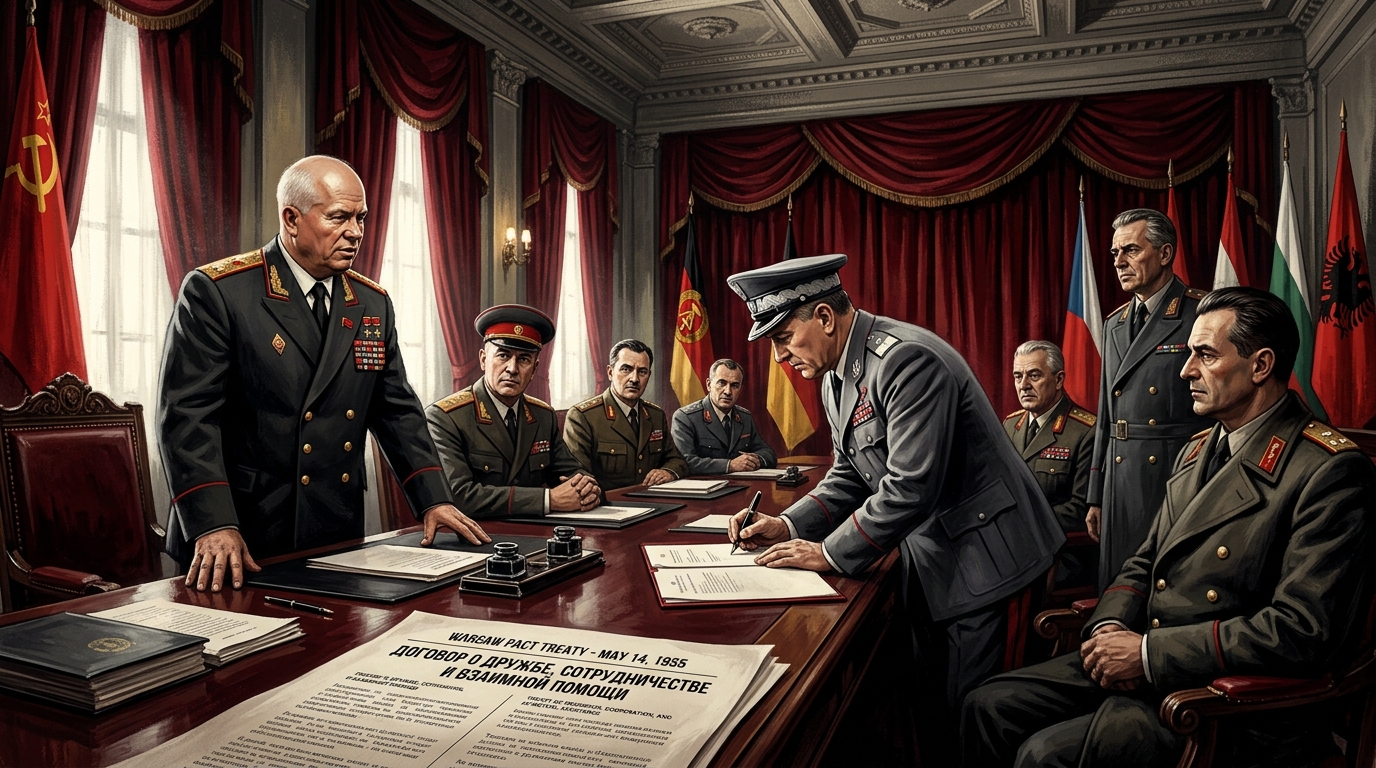
On May 14, 1955, the delegates signed the Treaty of Friendship, Co-operation and Mutual Assistance, which became known historically as the Warsaw Pact. The signatory nations committed themselves to the peaceful settlement of international disputes, consultation on all international issues affecting their common interests, and, most critically under Article 4, immediate collective self-defense in the event of an armed attack on one or more of the member states in Europe.5
"In the event of an armed attack in Europe on one or more of the States Parties to the Treaty by any State or group of States, each State Party to the Treaty shall, in the exercise of the right of individual or collective self-defense, in accordance with Article 51 of the United Nations Charter, afford the State or States so attacked immediate assistance..." — Extract from Article 4 of the Warsaw Treaty, May 14, 1955
The Post-Signing Institutionalization: May – June 1955
- May 15, 1955: Just one day after the signing of the Warsaw Pact, the Allied powers and Austria sign the Austrian State Treaty, establishing Austria as an independent, neutral state. This development highlights the strategic timing of the Warsaw Pact: with Soviet troops legally required to withdraw from Austria, and consequently losing their legal justification for stationing communication-line troops in Hungary and Romania, the newly minted Warsaw Pact provides a fresh legal rationale for keeping Soviet forces deployed in those territories.[^6]
- June 4, 1955: The Presidium of the Supreme Soviet of the USSR ratifies the treaty.
- June 11, 1955: The Warsaw Pact enters into force after all signatory instruments of ratification are deposited with the government of the Polish People's Republic.
- Late June 1955: The establishment of the Joint Armed Forces and the Joint Command occurs, with Soviet Marshal Ivan Konev appointed as the first Supreme Commander of the Unified Forces of the Warsaw Treaty Organization.
Geopolitical Consequences and Aftermath
The establishment of the Warsaw Pact had profound, long-lasting consequences for the structure of international relations, European security, and the internal dynamics of the Eastern Bloc.
Establishment of the Warsaw Pact (May 1955)
- External Consequences
- Internal Consequences
Institutionalization of Bipolarity
The primary external consequence of the Warsaw Pact was the formal consolidation of the bipolar international order. Europe was now explicitly divided into two heavily armed, competing military blocs: NATO in the West and the Warsaw Pact in the East. This division institutionalized the "Iron Curtain" and stabilized the frontlines of the Cold War. It reduced the likelihood of localized, miscalculated conflicts by signaling that any aggression against a minor ally of either superpower would instantly trigger a global thermonuclear confrontation.
Legalization of the Soviet Military Presence
Internally, the Warsaw Pact provided the USSR with an indispensable multilateral legal instrument to justify the indefinite stationing of the Soviet Army in Central and Eastern Europe. This function became urgent following the neutralization of Austria in May 1955. Under the terms of the 1947 Paris Peace Treaties, Soviet troops were stationed in Hungary and Romania solely to maintain communication lines with the Soviet occupation zone in Austria. Once Soviet troops evacuated Austria, Moscow faced the prospect of having no legal right to remain in Hungary and Romania. The Warsaw Pact solved this dilemma, presenting the garrisoning of Soviet troops as a collective defense measure requested by sovereign socialist allies.7
Suppression of Internal Dissent: The Paradox of the Alliance
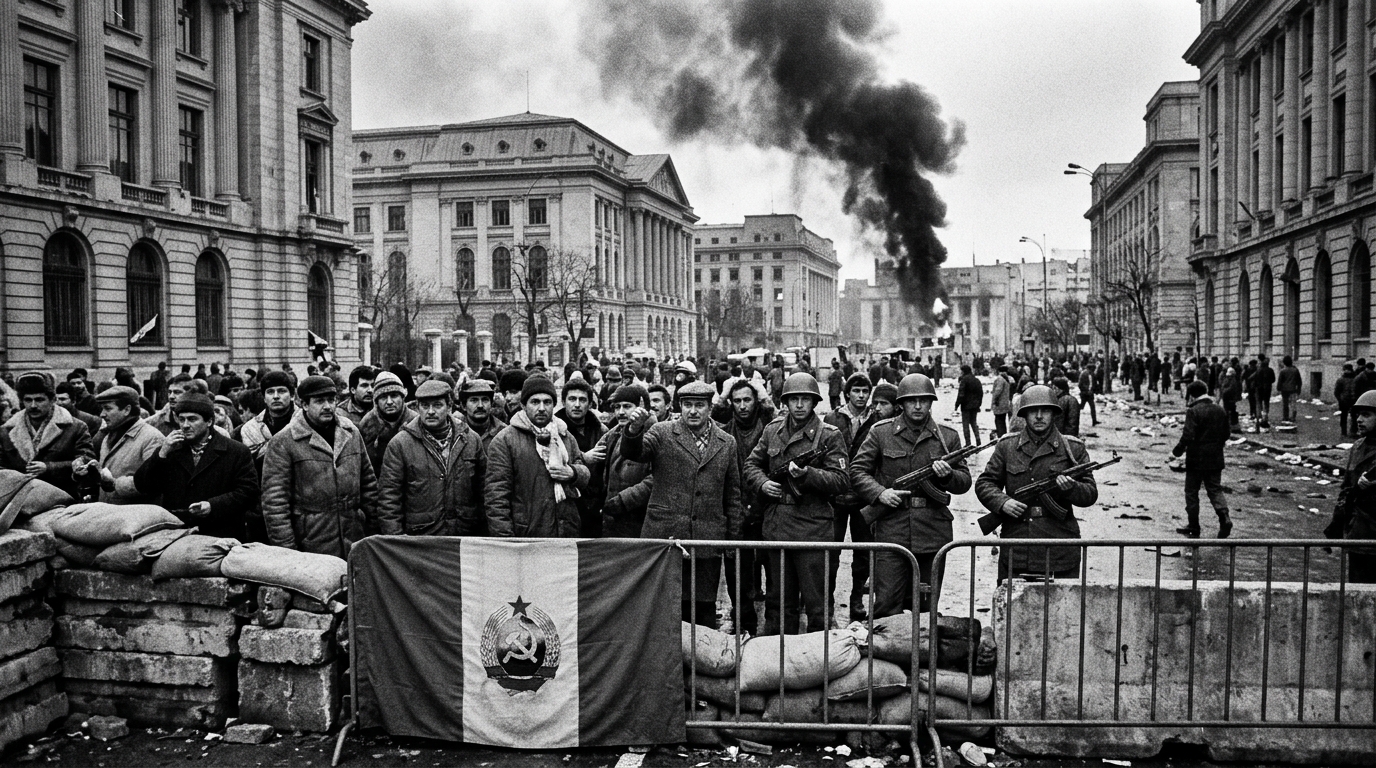
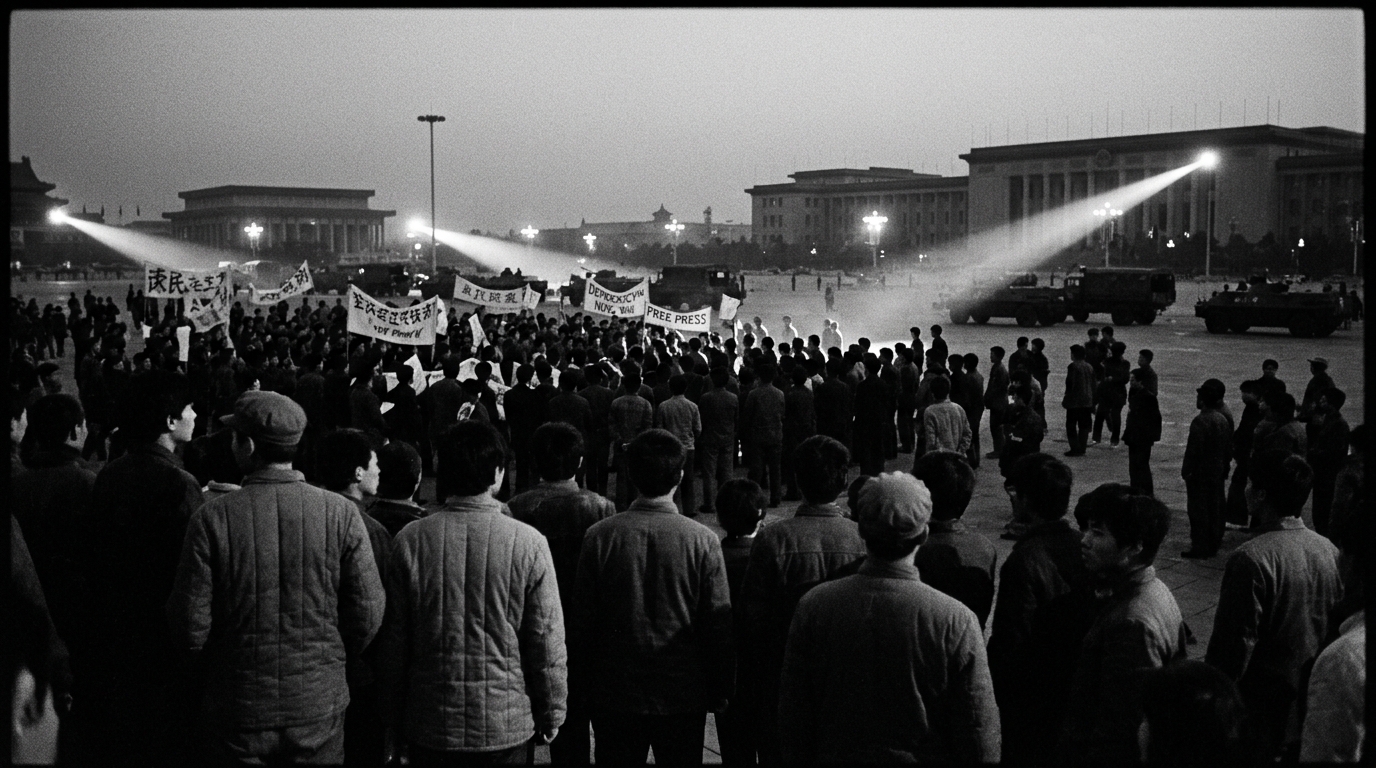
Although ostensibly designed as a defensive alliance against external Western aggression, the Warsaw Pact’s military apparatus was primarily utilized to maintain ideological conformity and suppress political deviations within its own ranks.
The first major test of this internal security function occurred during the Hungarian Revolution of 1956. When Hungarian Prime Minister Imre Nagy announced plans to unilaterally withdraw Hungary from the Warsaw Pact and declare the country’s neutrality, Soviet forces invoked the collective framework of the alliance to launch a military intervention, crushing the uprising under the guise of defending the socialist commonwealth.8
This pattern of internal policing culminated in the 1968 invasion of Czechoslovakia by Warsaw Pact forces to terminate the Prague Spring liberalization program. This action was subsequently rationalized under the "Brezhnev Doctrine," which asserted that the sovereignty of individual socialist states was limited when the survival of socialism in any given country was threatened.
| Year | Target Country | Primary Justification | Resulting Action |
|---|---|---|---|
| 1956 | Hungary | "Counter-revolutionary threat" & threat of Pact withdrawal | Direct Soviet military intervention; execution of Imre Nagy |
| 1968 | Czechoslovakia | Protection of socialist system against "creeping subversion" | Joint Warsaw Pact invasion (excluding Romania) |
| 1981 | Poland | Containment of the Solidarność movement | Coercive pressure leading to the declaration of martial law by Polish authorities |
The German Question and Regional Militarization
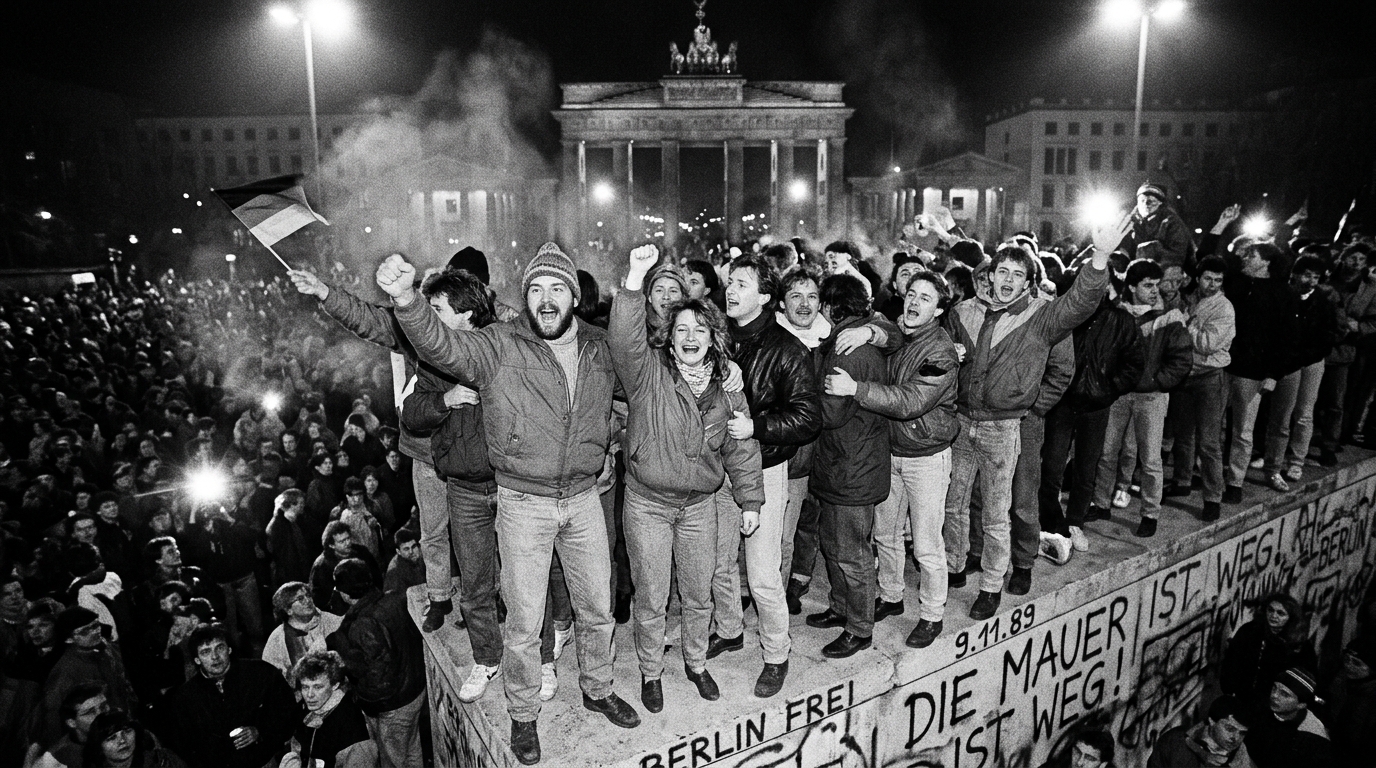
The creation of the Warsaw Pact also catalyzed the official remilitarization of the German Democratic Republic (GDR). Although the GDR was a founding member of the Pact, its military contribution was initially symbolic, as it did not yet possess official armed forces. In January 1956, the GDR established the National People's Army (Nationale Volksarmee, or NVA), which was fully integrated into the Warsaw Pact Command. This formal military buildup cemented the division of Germany and turned the inter-German border into one of the most heavily fortified frontiers in human history.
Analysis of Key Actors and Decisive Actions
The creation of the Warsaw Pact was not merely a reaction to Western policies; it was also a reflection of internal Soviet political transitions and strategic calculations.
THE KHRUSHCHEV DUAL-TRACK STRATEGY
- Track 1: Consolidate Control
- Track 2: Diplomatic Leverage
Nikita Khrushchev: The Architect of Institutional Control
Following the death of Joseph Stalin in March 1953, the Soviet leadership underwent a period of transition, eventually resulting in the consolidation of power by Nikita Khrushchev. Unlike Stalin, who favored informal, highly personalized, and coercive control over satellite leaders, Khrushchev preferred institutionalized mechanisms of hegemony. He recognized that a formal, multilateral treaty would present the Eastern Bloc to the international community as a collection of equal, sovereign nations cooperating voluntarily, thereby enhancing the legitimacy of Soviet foreign policy.9
Khrushchev also used the Warsaw Pact as a strategic bargaining chip. Throughout the mid-1950s, Soviet diplomats repeatedly offered to dissolve the Warsaw Pact if the Western powers agreed to dissolve NATO and replace both with a unified European security system. While the West dismissed these overtures as propaganda, the existence of the Pact provided Khrushchev with a formal, symmetrically structured organization that put the USSR on an equal footing with the United States in diplomatic negotiations.
The Role of Poland and Hungary: Vulnerabilities and Strategic Needs
The Polish government, led by Prime Minister Józef Cyrankiewicz, played a key hosting role in the creation of the Pact. For Poland (referred to in diplomatic circles of the era under its sovereign state delegation), the alliance carried a critical national security dimension: securing its Western border along the Oder-Neisse line. Poland feared that a rearmed, revanchist West Germany, backed by NATO, might attempt to reclaim the former German territories granted to Poland at the Potsdam Conference. The Warsaw Pact, backed by the Soviet nuclear umbrella, offered Poland a vital security guarantee against this perceived threat.10
In Hungary, the political elite under the Stalinist leadership of Mátyás Rákosi welcomed the Pact as a means to solidify their fragile domestic political positions. However, the Hungarian public and reformist elements within the party viewed the Pact as a symbol of Soviet occupation. This tension erupted in 1956, revealing the deep-seated domestic opposition to Soviet-imposed security structures.
Romania's Strategic Divergence
Romania's leadership, initially headed by Gheorghe Gheorghiu-Dej, cooperated fully in the creation of the Warsaw Pact. Romania was eager to demonstrate its loyalty to Moscow in exchange for economic assistance and political stability.
However, Romanian leaders soon began to leverage their position within the Pact to pursue a more autonomous domestic and foreign policy. By emphasizing Romania's adherence to the Pact's defensive principles, Gheorghiu-Dej successfully negotiated the complete withdrawal of Soviet troops from Romanian soil in 1958.11 In subsequent decades, under Nicolae Ceaușescu, Romania consistently charted an independent path within the alliance, refusing to participate in the 1968 invasion of Czechoslovakia and publicly criticizing Soviet military expenditures.
Trivia and Lesser-Known Facts
- The Symmetrical Dissolution Offer: The Warsaw Treaty contained an unusual clause designed for geopolitical leverage. Article 11 stipulated that if a system of collective security were established in Europe and a treaty to that effect were signed, the Warsaw Pact would automatically become null and void. This clause was frequently cited by Soviet diplomats to pressure the West into dismantling NATO.[^12]
- The Sovereign Command Illusion: Although the Warsaw Pact was officially a coalition of equal sovereign states with a joint command, the positions of Supreme Commander and Chief of Staff of the Joint Armed Forces were always held by Soviet officers. Furthermore, the Joint Command was structurally integrated into the General Staff of the Soviet Armed Forces, making the alliance effectively a subsidiary of the Soviet military apparatus.
- Albania's Ideological Departure: Albania was the only founding member to formally withdraw from the Warsaw Pact. Following the Sino-Soviet split, Albania aligned itself with the People's Republic of China, stopped participating in Pact activities in 1961, and officially withdrew in September 1968 to protest the invasion of Czechoslovakia.
- The Hidden "Secret Protocol": Alongside the public Warsaw Treaty, the signatories signed a highly classified "Decision on the Creation of the Unified Command." This secret protocol formally subordinated the national armies of the satellite states to Soviet operational planning, ensuring that in the event of war, national defense ministries would lose command of their own troops to Soviet commanders.[^13]
- The Treaty Language Discrepancies: While the official texts of the treaty were prepared in Russian, Polish, Czech, and German, the Russian version was explicitly designated as the authoritative text in the event of any disputes, reinforcing the hierarchical nature of the alliance.
References and Literature
- Mastny, Vojtech, and Malcolm Byrne, eds. "A Cardboard Castle? An Inside History of the Warsaw Pact, 1955–1991." Central European University Press, 2005. - A comprehensive collection of declassified documents detailing the inner workings and military planning of the Warsaw Pact.
- Gati, Charles. "Failed Illusions: Moscow, Washington, Budapest, and the 1956 Hungarian Revolution." Stanford University Press, 2006. - An in-depth analysis of the 1956 Hungarian crisis and its intersection with Warsaw Pact obligations.
- Soviet Offer to Join NATO, March 31, 1954 - Wilson Center Digital Archive. - Archival record of the Soviet diplomatic note proposing USSR membership in NATO.
- The Warsaw Security Treaty, May 14, 1955 - Yale Law School, Avalon Project. - The complete English translation of the official text of the Warsaw Pact.
---
Footnotes & Explanations
- NATO, The North Atlantic Treaty, Washington D.C., April 4, 1949. ↩
- Vojtech Mastny, The Cold War and Soviet Insecurity: The Stalin Years (Oxford University Press, 1996), pp. 191-193. ↩
- Ministry of Foreign Affairs of the USSR, Note to the Governments of France, the United Kingdom, and the United States on European Security, March 31, 1954. ↩
- Declaration of the Moscow Conference of European Countries, New Times, No. 49 (December 1954). ↩
- Treaty of Friendship, Co-operation and Mutual Assistance, Art. 4, signed May 14, 1955. ↩
- Günter Bischof, Austria in the First Cold War, 1945–55: The Leverage of the Weak (Macmillan, 1999), pp. 148-151. ↩
- Malcolm Mackintosh, The Evolution of the Warsaw Pact, Adelphi Papers, Vol. 9, No. 58 (1969), pp. 3-5. ↩
- Charles Gati, Failed Illusions: Moscow, Washington, Budapest, and the 1956 Hungarian Revolution (Stanford University Press, 2006), pp. 154-156. ↩
- Vladislav M. Zubok, A Failed Empire: The Soviet Union in the Cold War from Stalin to Gorbachev (University of North Carolina Press, 2007), pp. 104-107. ↩
- Douglas Selvage, The Warsaw Pact and the German Question, 1955–1970, German Historical Institute Bulletin, No. 29 (Fall 2001), pp. 112-115. ↩
- Dennis Deletant, Romania and the Warsaw Pact: 1955–1989, Cold War History, Vol. 2, No. 2 (2002), pp. 1-3. ↩
- Treaty of Friendship, Co-operation and Mutual Assistance, Art. 11, signed May 14, 1955. ↩
- Vojtech Mastny and Malcolm Byrne, eds., A Cardboard Castle? An Inside History of the Warsaw Pact, 1955–1991 (Central European University Press, 2005), pp. 27-29. ↩