Decade: 2000s
Explore geopolitical analyses, international crises, and diplomatic developments during the 2000s.
Published Chronicles & Analyses
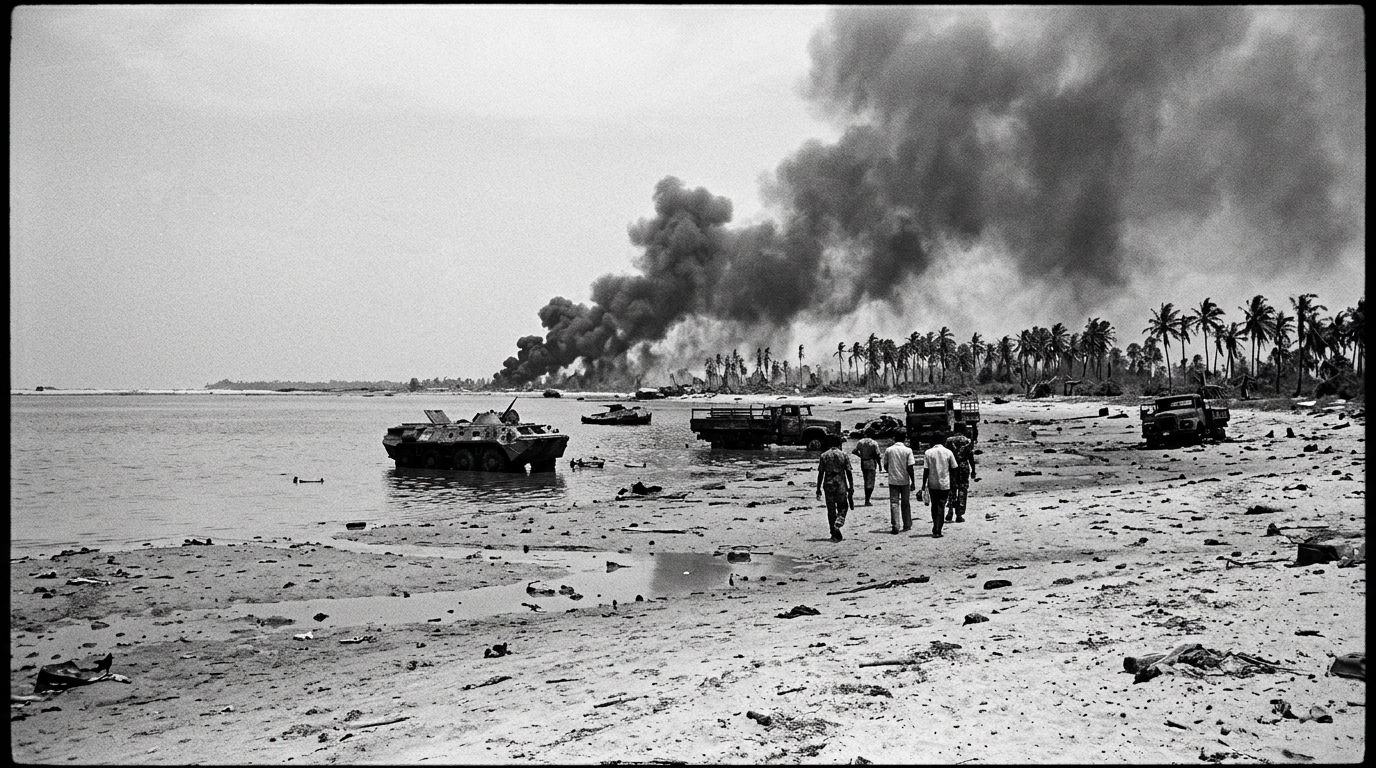
The End of the Sri Lankan Civil War in 2009: Defeat of the Tamil Tigers
The comprehensive military defeat of the Liberation Tigers of Tamil Eelam (LTTE) in 2009 marked a pivotal moment in global counter-insurgency, but its aftermath continues to spark debates on human rights, geopolitical realignments, and the complex challenges of post-conflict reconciliation in Sri Lanka.
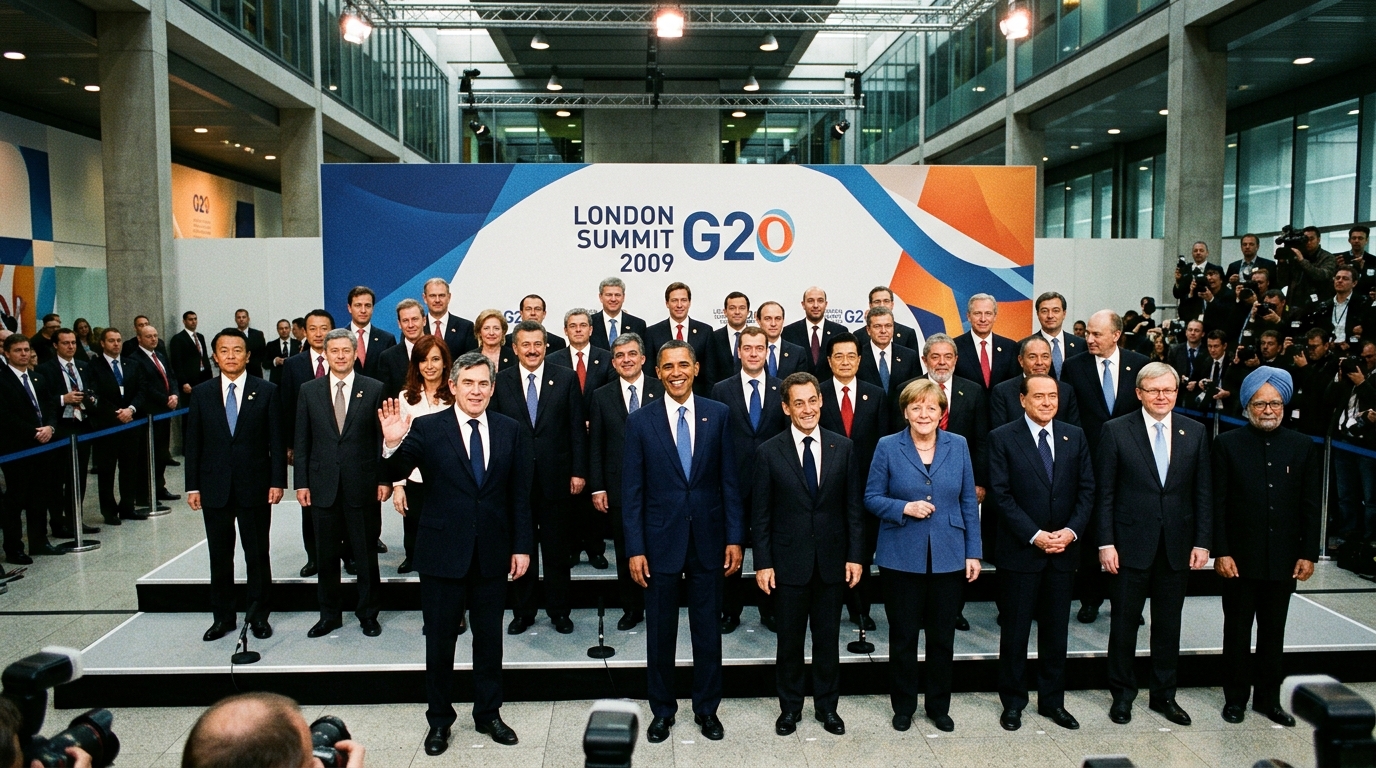
The 2009 London G20 Summit: Restructuring Global Economic Governance
An in-depth analysis of how the meeting of the world's 20 major economies decisively surpassed the G8, deploying a trillion-dollar package to manage the financial crisis and fundamentally reshaping global economic governance and power dynamics.

The Election of Barack Obama in 2008: A Shift Toward Multilateral Diplomacy
The historic victory of Barack Obama in 2008 marked a profound repudiation of the Bush Doctrine, signaling a deliberate and comprehensive shift in US foreign policy from unilateralism to a revitalized multilateral diplomacy. This article explores the historical context, key moments, geopolitical consequences, intellectual underpinnings, and long-term legacy of this pivotal election.

The 2008 Global Financial Crisis: Geopolitical Slump of Western Hegemony
The subprime mortgage meltdown, the collapse of Lehman Brothers, and the resulting shift that boosted China's stature as a global creditor and challenged the foundations of Western economic models.
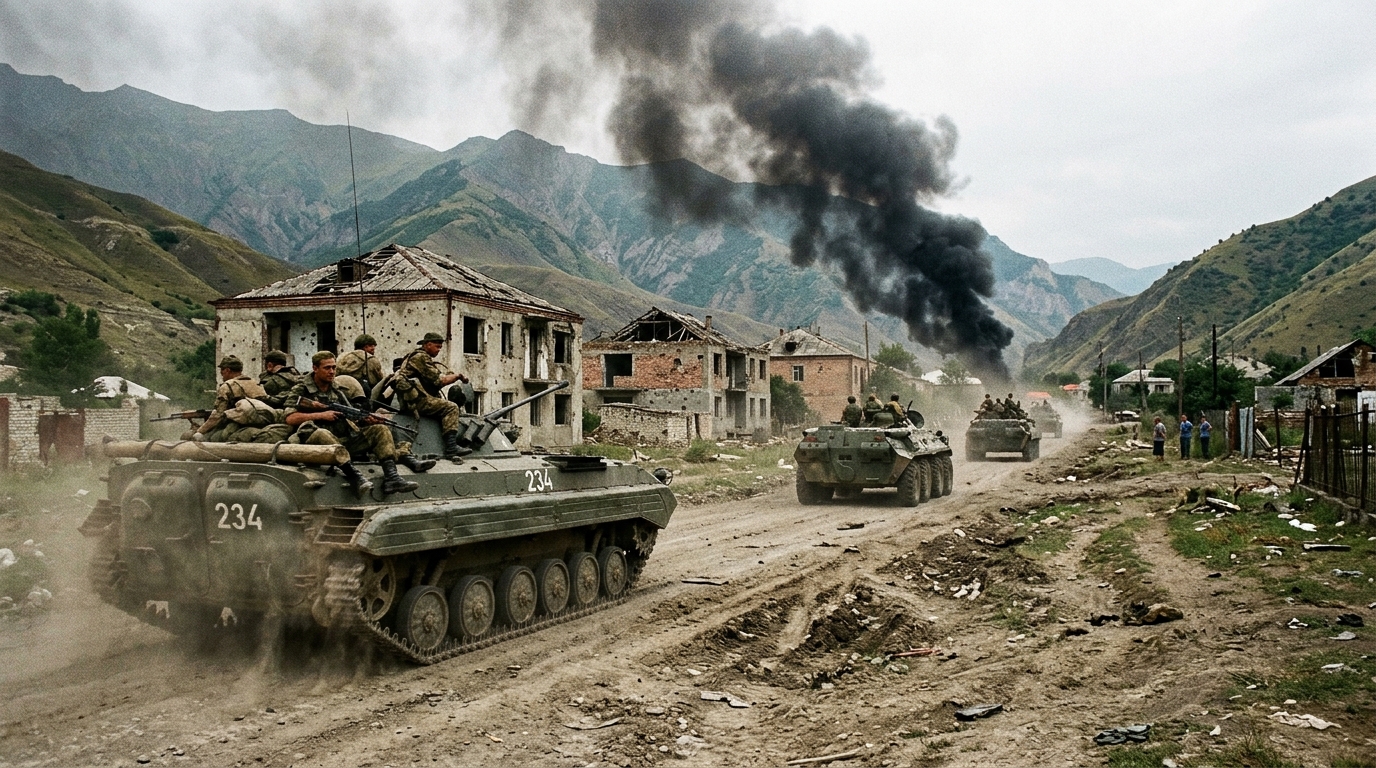
The Russo-Georgian War of 2008: Five Days in South Ossetia
A comprehensive analysis of the 2008 Russo-Georgian War, detailing its deep historical roots, the rapid escalation of hostilities, the geopolitical ramifications for regional security, Russia's strategic motivations, and the profound legacy of the conflict on international relations and military doctrines.
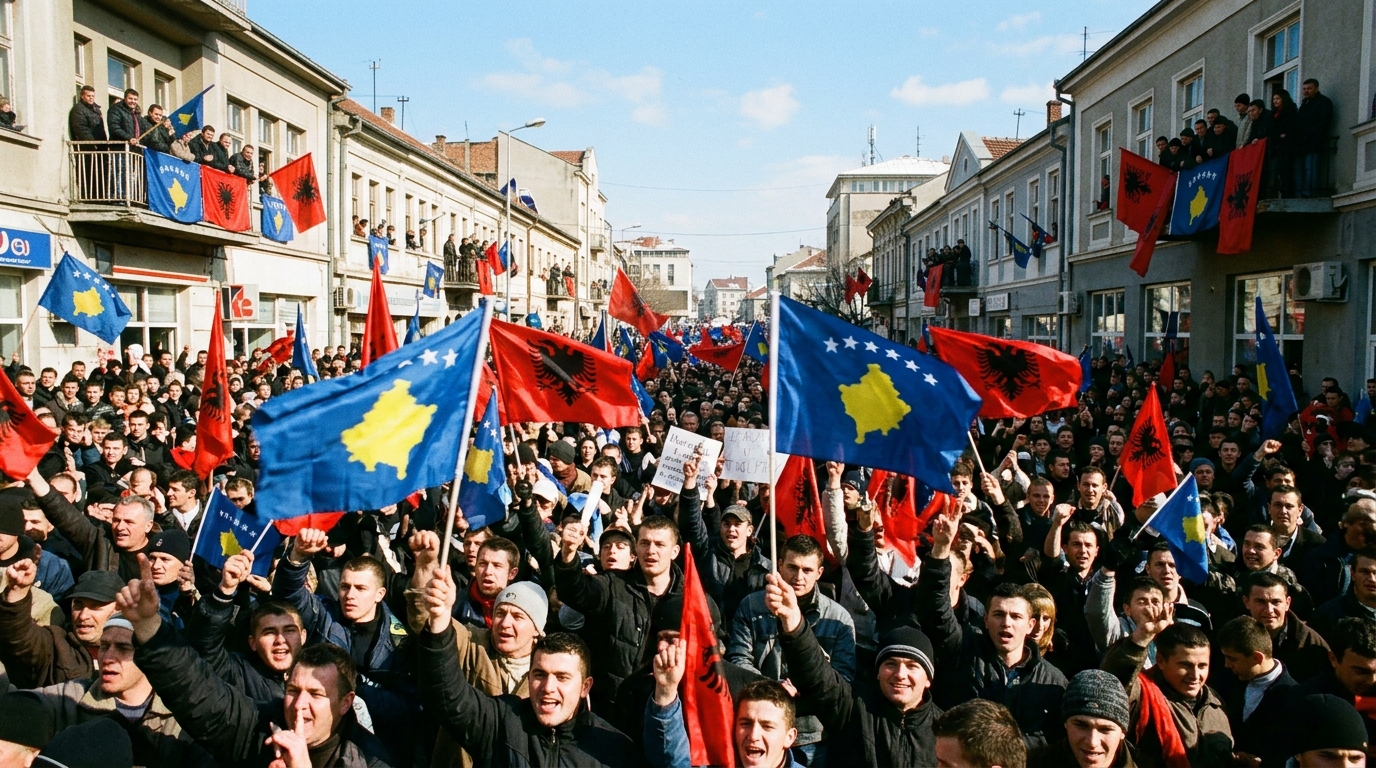
The 2008 Kosovo Declaration of Independence: Geopolitical Dispute
An in-depth analysis of the 2008 Kosovo declaration of independence, exploring its deep historical roots, the complex diplomatic failures, profound geopolitical ramifications, and its lasting impact on international law and state-building in the Balkans. It delves into the interplay of ethno-nationalism, great power rivalries, and the contentious principle of remedial secession.
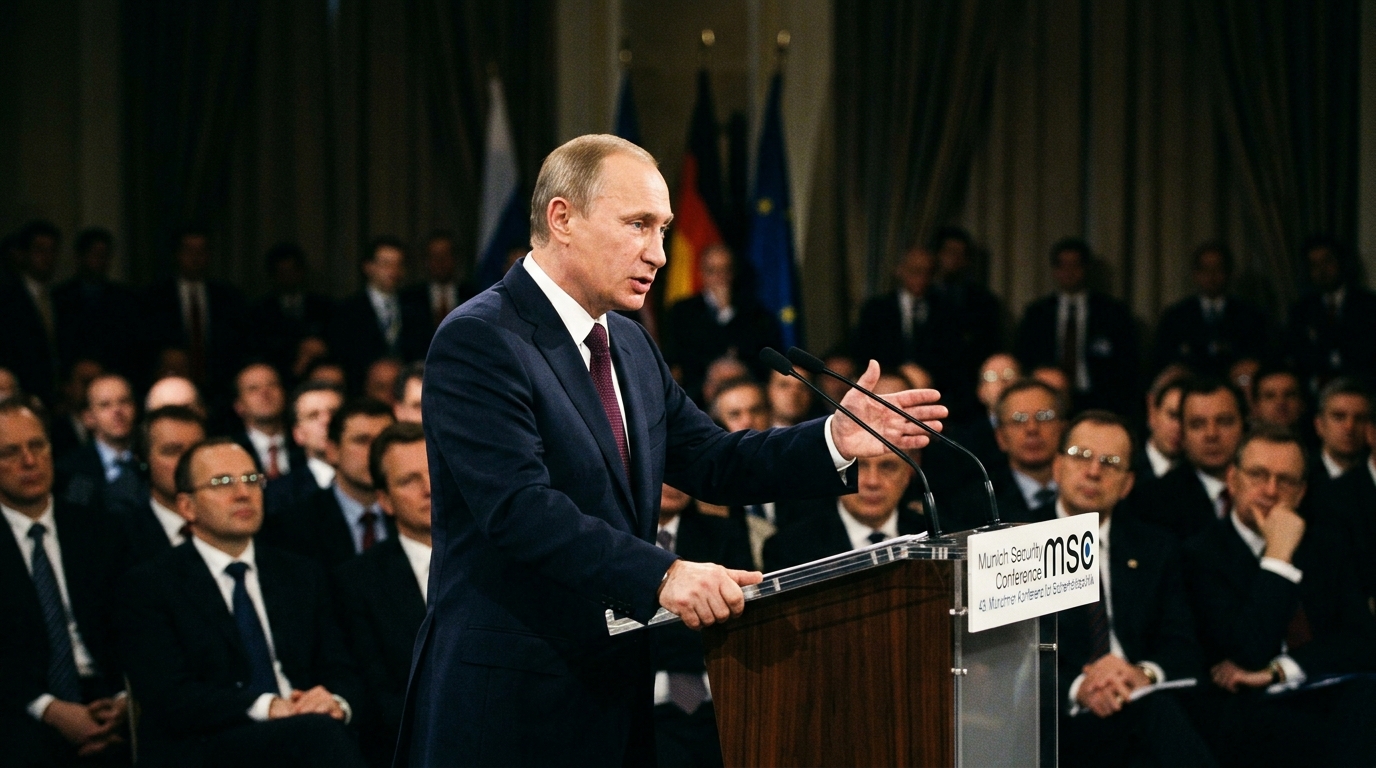
Vladimir Putin's 2007 Munich Speech: The Rejection of the Unipolar World
Vladimir Putin's landmark 2007 address at the Munich Security Conference, where he vehemently criticized perceived US dominance and unilateralism, is widely regarded as a pivotal moment marking Russia's definitive break from post-Cold War integration with the West and the formal articulation of a new, confrontational foreign policy centered on multipolarity. This speech laid the groundwork for Russia's assertive actions in the subsequent decades.

The 2007 Cyber Attacks on Estonia: The First State-Level Cyber War
Massive DDoS attacks targeting Estonian state and financial portals following the relocation of a Soviet monument, prompting NATO policy changes.
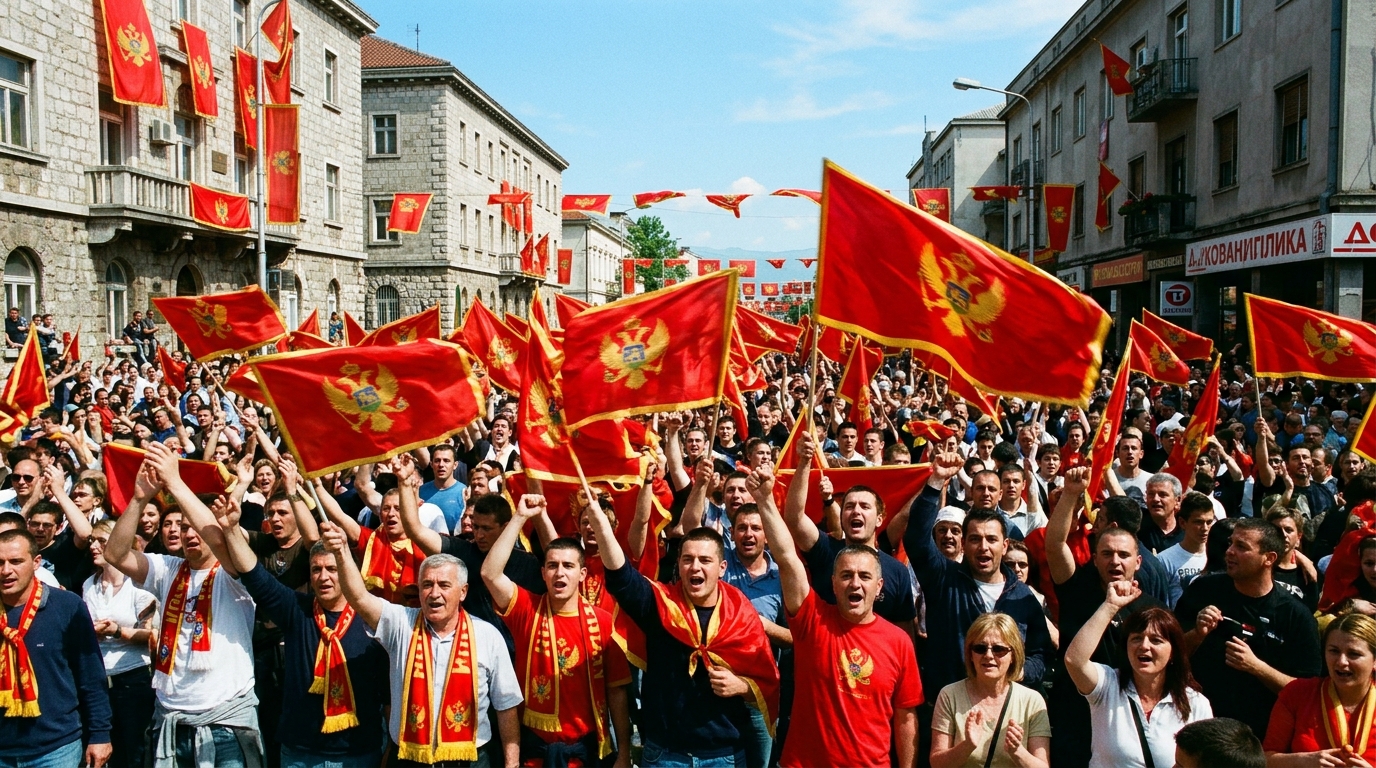
The 2006 Montenegro Independence Referendum: The Quiet Dissolution of SCG
An in-depth analysis of the EU-monitored referendum that delivered Montenegro's independence, meticulously exploring its historical context, key actors, geopolitical implications, and enduring legacy, concluding the final act of Yugoslav dissolution.
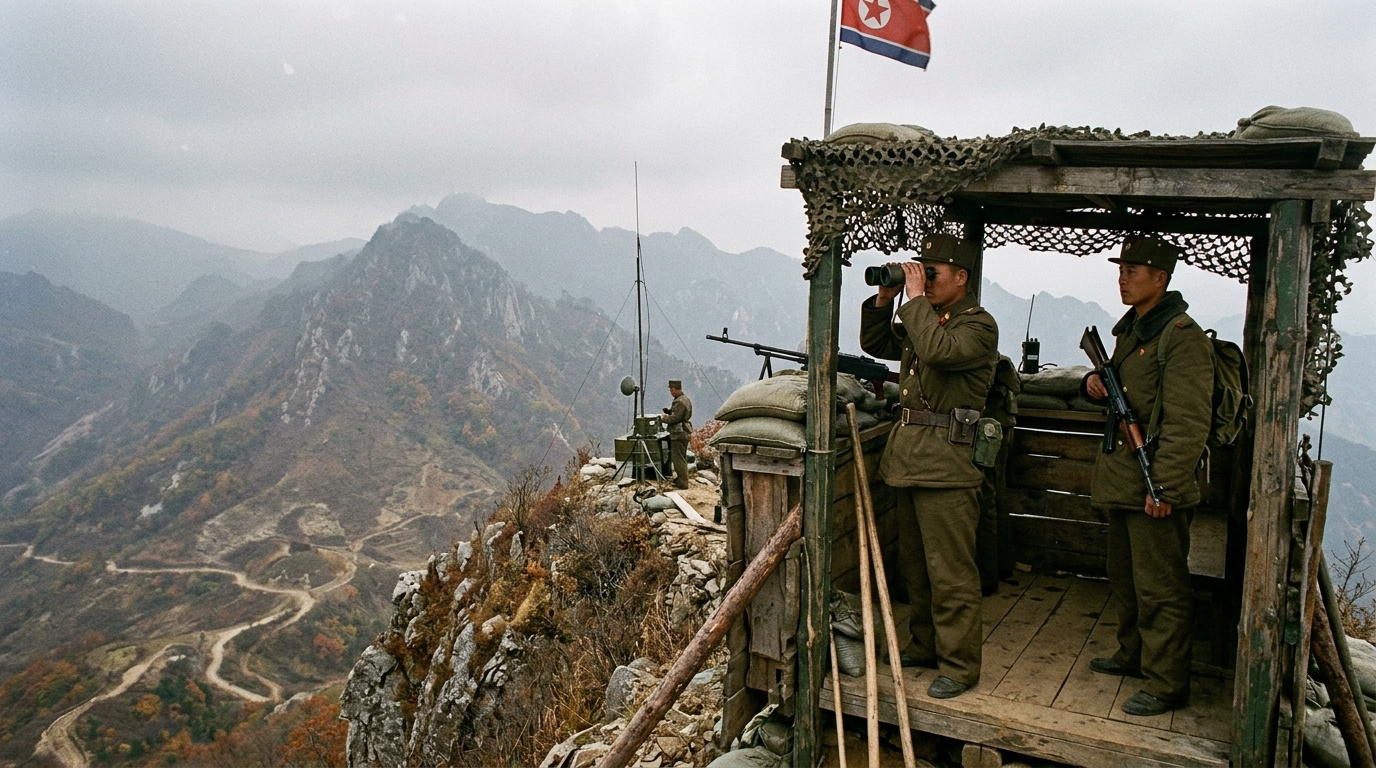
North Korea's First Nuclear Test in 2006: Joining the Atomic Club
Pyongyang's seismic 2006 underground nuclear explosion defied international warnings, shattered diplomatic frameworks, and profoundly reshaped the security architecture of Northeast Asia and the global non-proliferation landscape, marking North Korea's irreversible emergence as a de facto nuclear state.
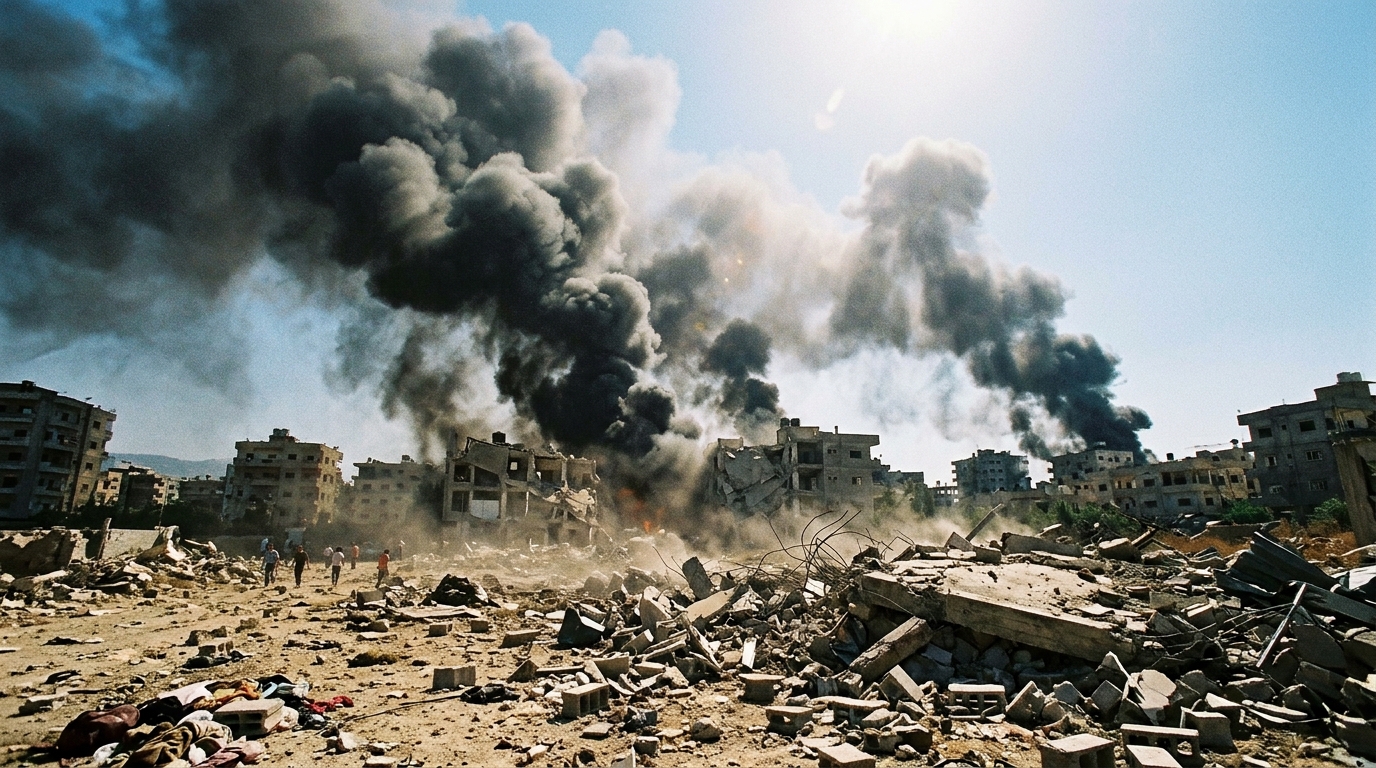
The 2006 Lebanon War: The Israeli Defense Forces vs. Hezbollah
A profound 34-day conflict triggered by a border raid, demonstrating Hezbollah's sophisticated asymmetric resistance against conventional military power and reshaping regional security doctrines.
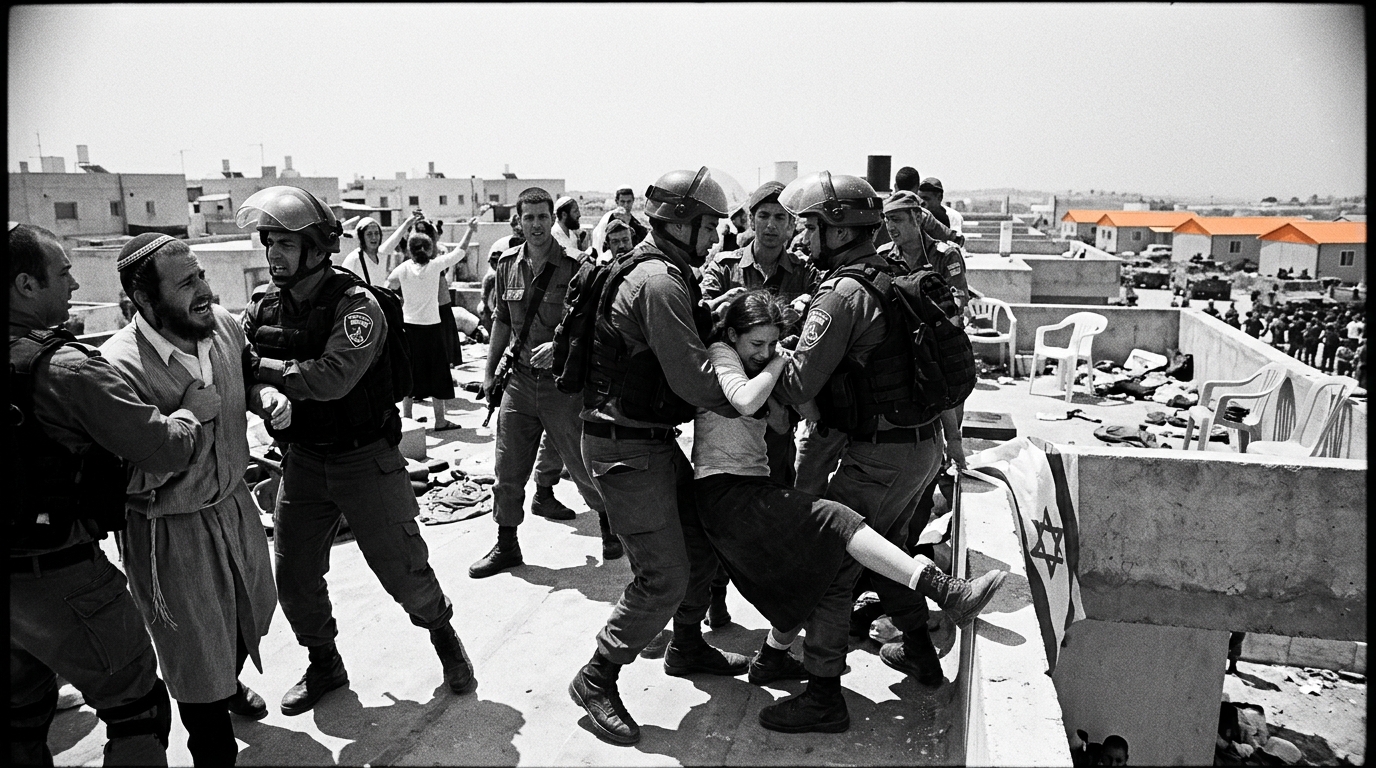
The 2005 Israeli Disengagement from Gaza: Sharon's Unilateral Experiment
The evacuation of all Israeli settlements and military bases from the Gaza Strip, reshaping the dynamics of the Palestinian territory.
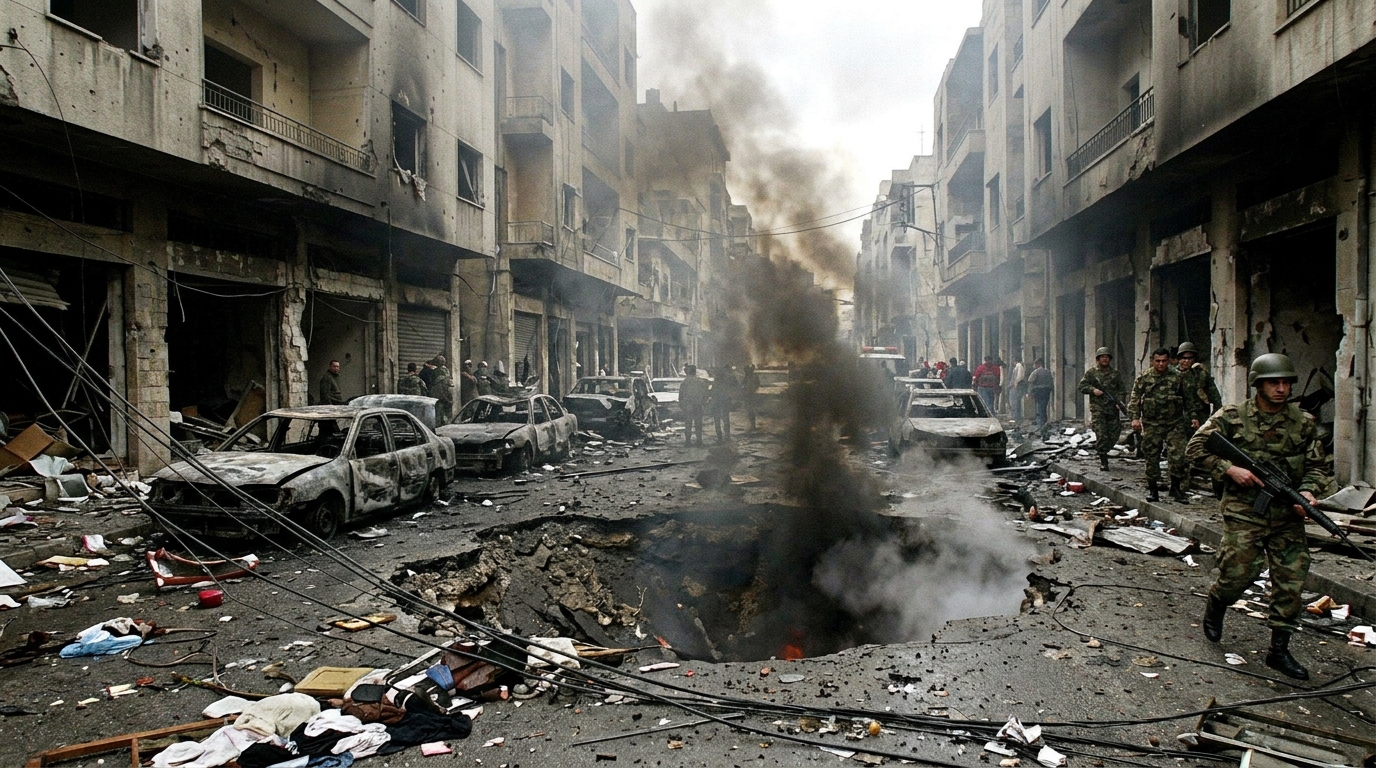
The Assassination of Rafik Hariri 2005: Lebanon's Cedar Revolution
The seismic assassination of former Lebanese Prime Minister Rafik Hariri in 2005, a calculated act of terror, triggered the widespread protests of the Cedar Revolution, irrevocably reshaping Lebanon's political landscape and forcing the dramatic withdrawal of Syrian forces after three decades of military presence. This event exposed deep sectarian divisions, redefined regional alliances, and initiated a landmark international investigation.
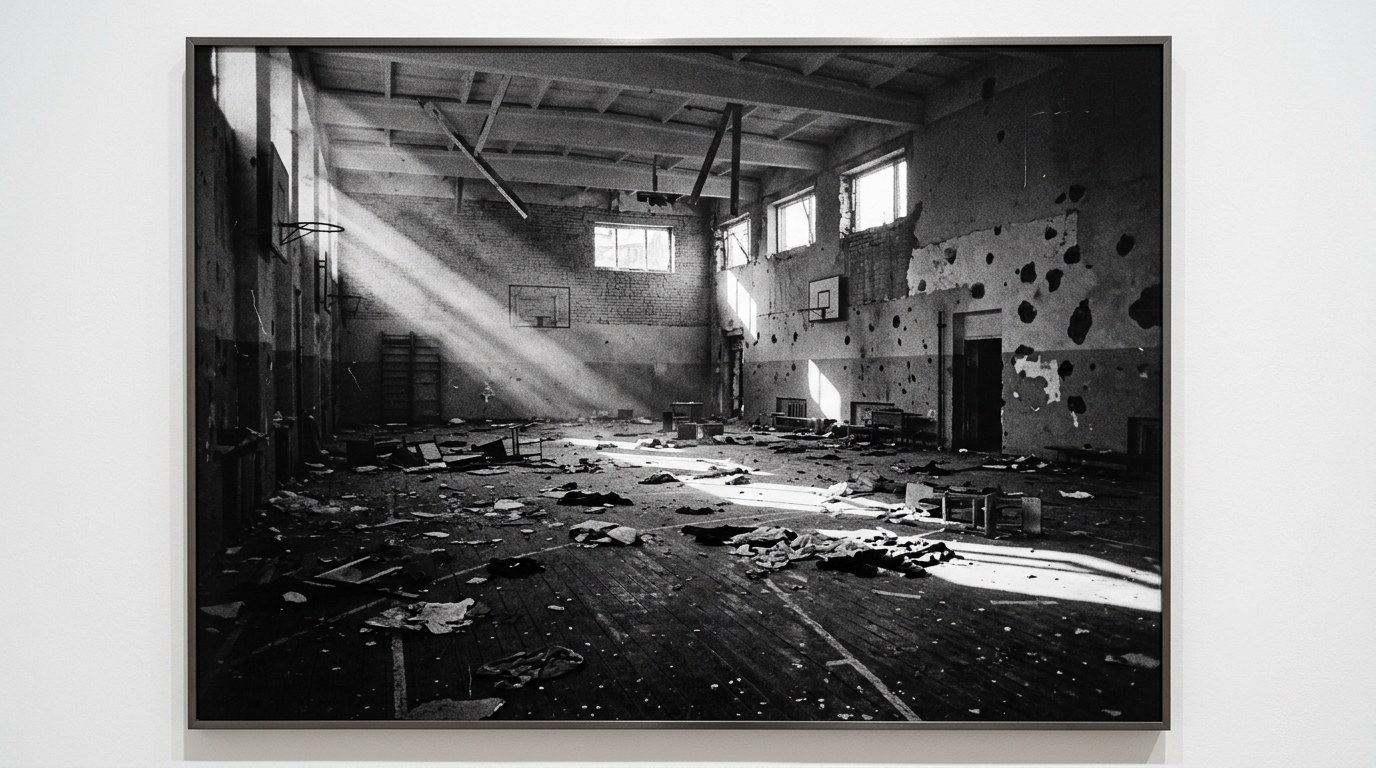
The Beslan School Siege of 2004: Chechen Terror and the Hostage Tragedy
The seizure of a school in North Ossetia by Chechen militants marked a harrowing peak in post-Soviet terror, culminating in a tragic rescue operation that left over 330 dead, including 186 children. This expanded analysis delves into the deep historical roots of the conflict, the intelligence failures, the devastating human cost, and the profound geopolitical and domestic transformations in Russia that followed.
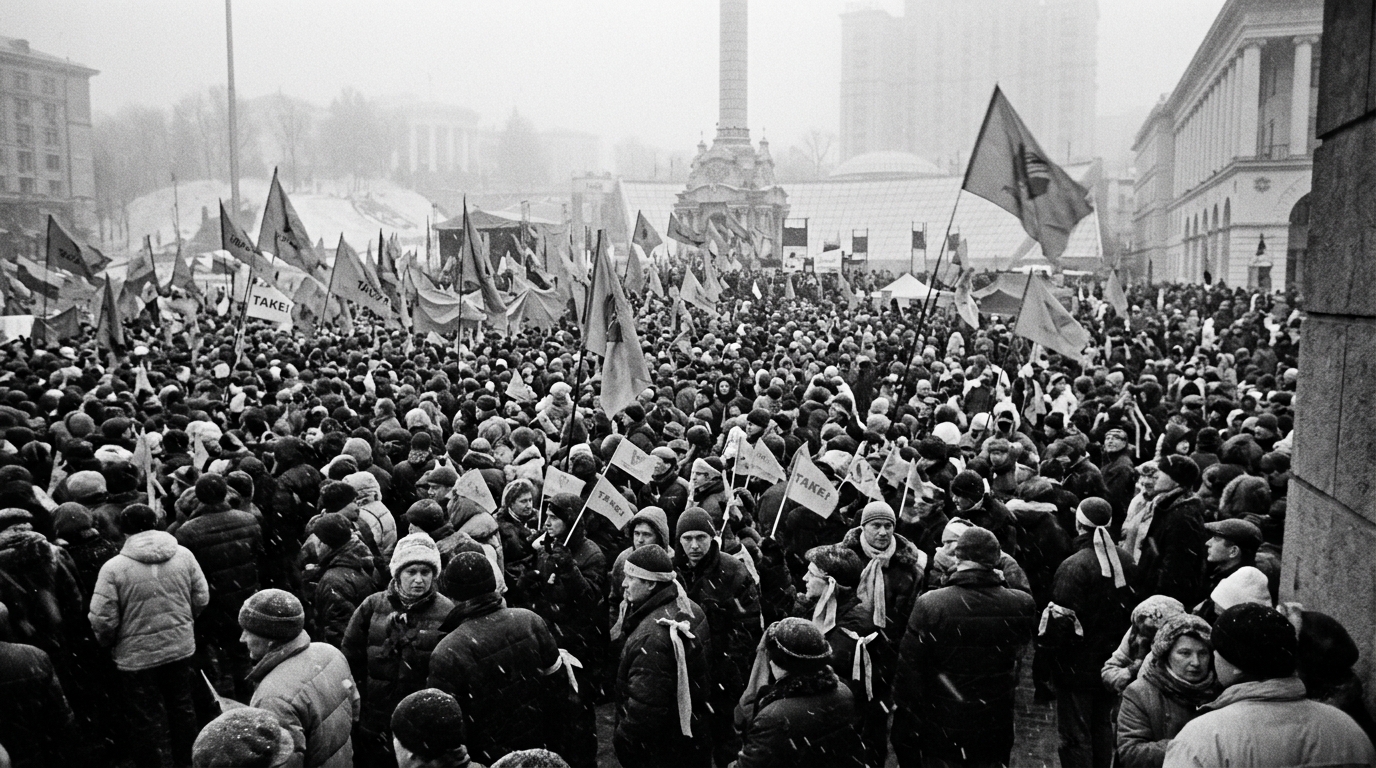
The Orange Revolution in Ukraine 2004: Kyiv's First Stand Against Election Rigging
Mass protests at Kyiv's Maidan following fraudulent election results, the poisoning of Yushchenko, and the court-ordered revote.
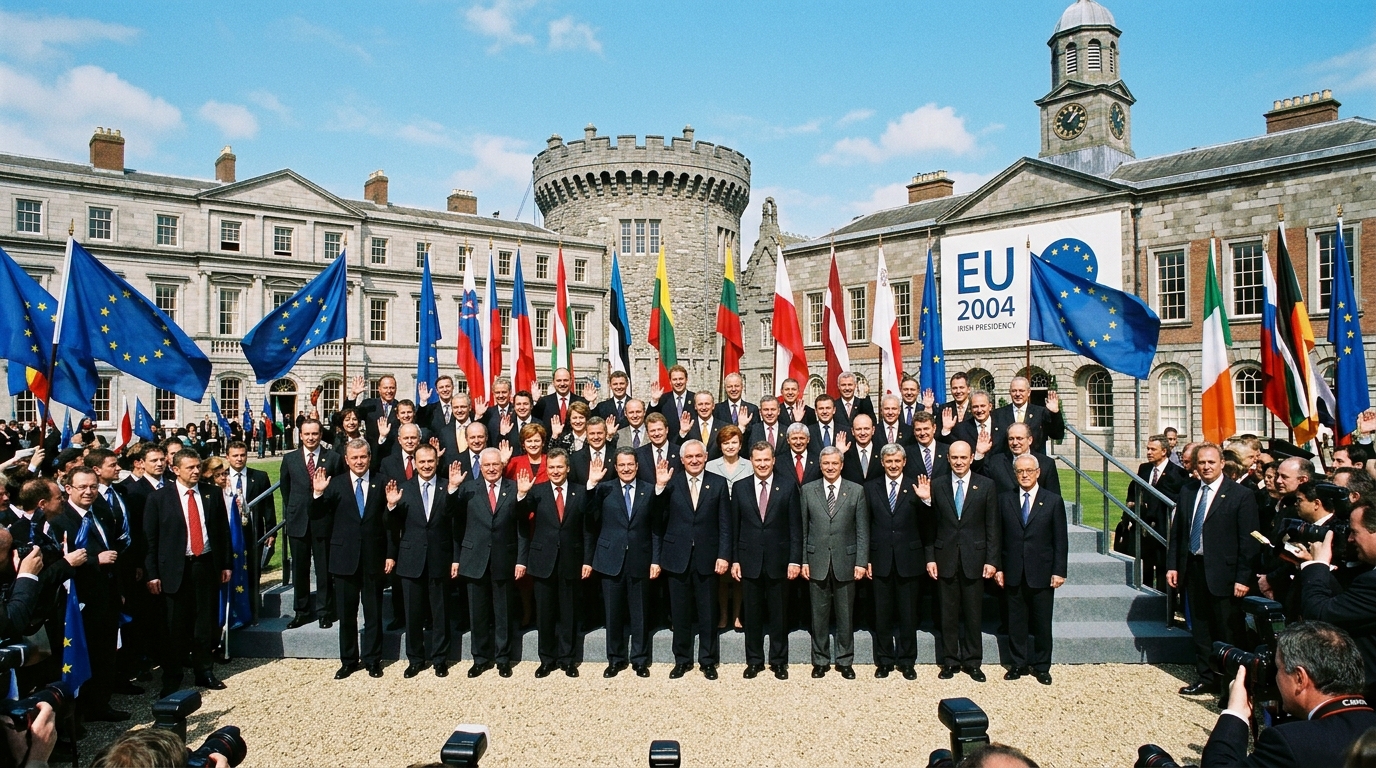
The 2004 Big Bang Enlargement of the European Union
The 2004 Big Bang Enlargement of the European Union, a monumental post-Cold War undertaking, saw the admission of 10 new member states, predominantly from Central and Eastern Europe. This transformative event not only unified a continent artificially divided for half a century but also fundamentally reshaped the EU's institutional dynamics, economic landscape, and geopolitical standing, marking a pivotal moment in European integration history.
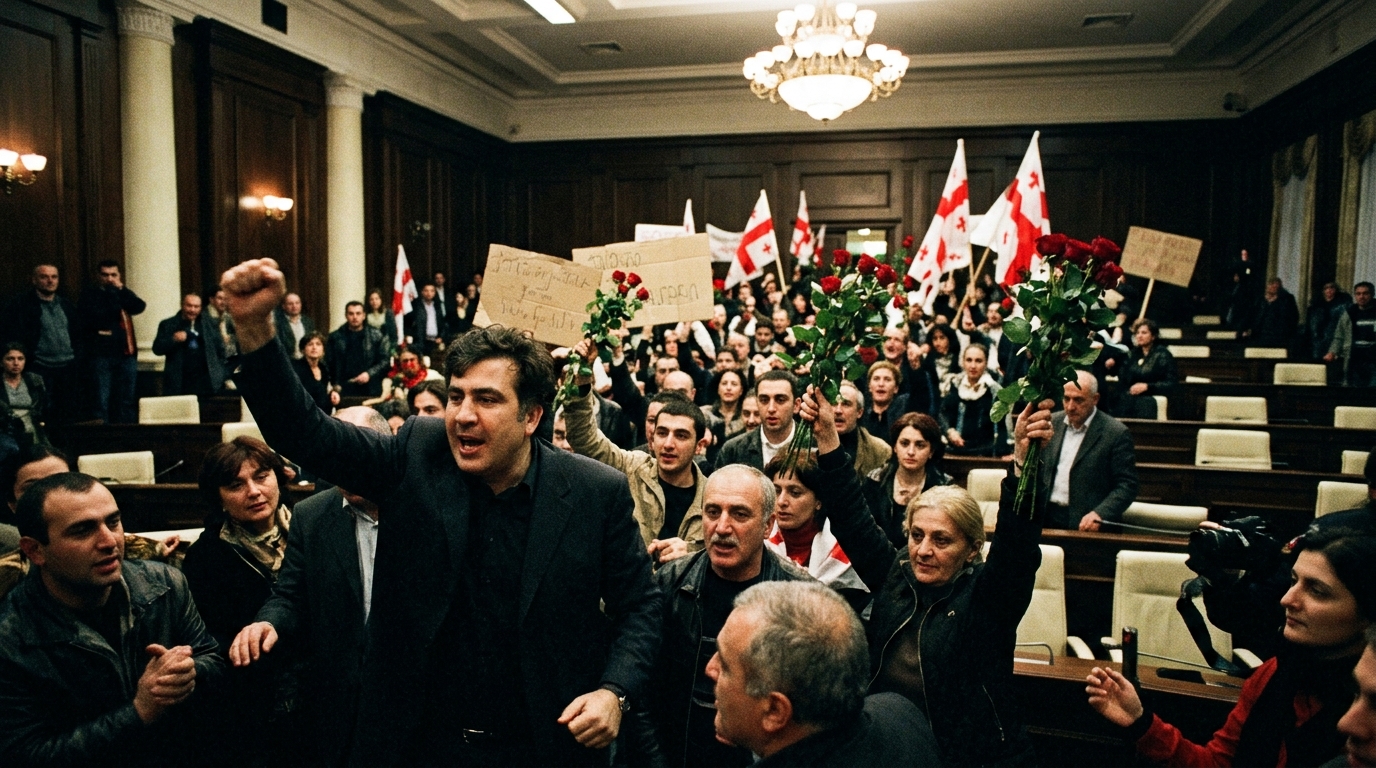
The Rose Revolution in Georgia 2003: The First Post-Soviet Color Uprising
A detailed analysis of the peaceful protests led by Mikheil Saakashvili that culminated in the ousting of Eduard Shevardnadze, marking a pivotal shift in Tbilisi's geopolitical orientation towards the West and fundamentally reshaping its relationship with Moscow. This article explores the historical context, key actors, tactical brilliance, geopolitical implications, and enduring legacy of the Rose Revolution, positioning it as the inaugural 'Color Revolution' in the post-Soviet space.
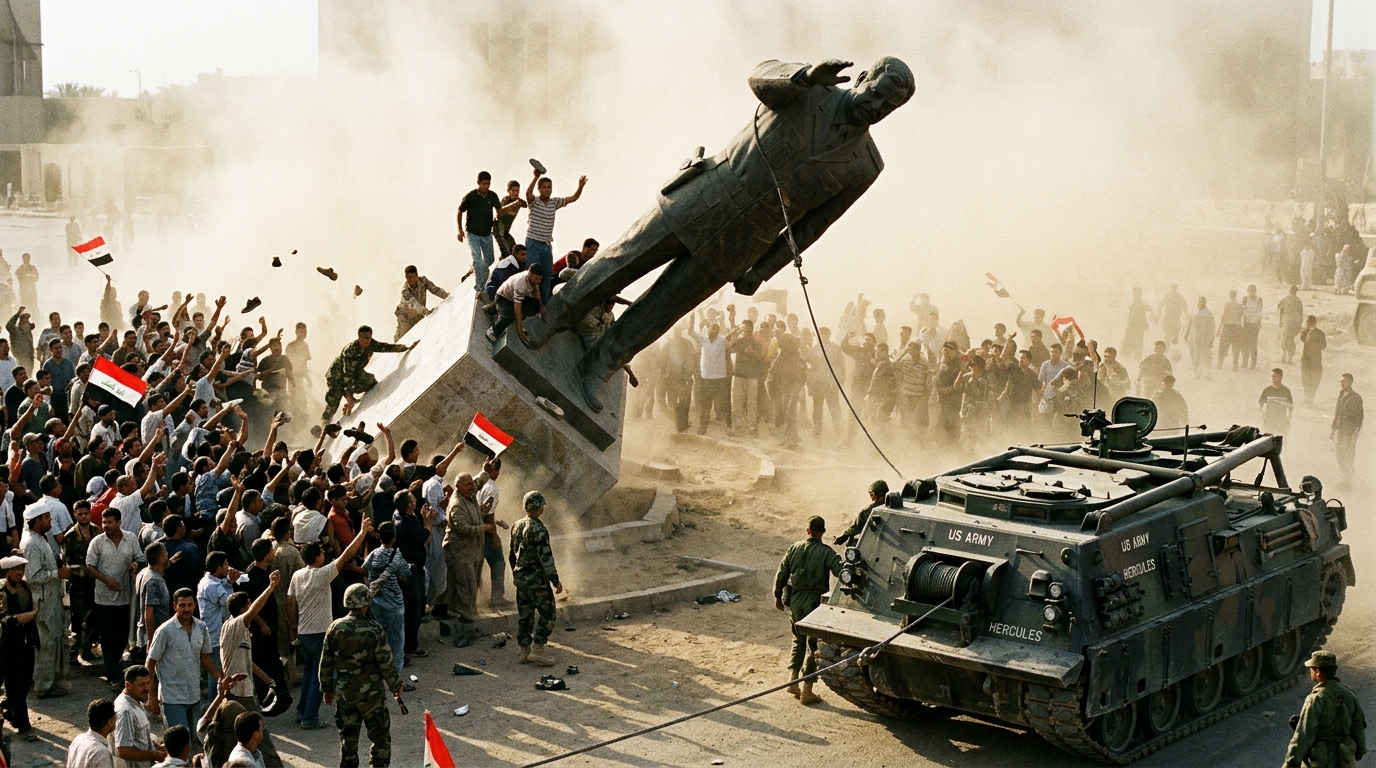
The Invasion of Iraq 2003: WMD Claims and the Fall of Saddam Hussein
A comprehensive examination of the US-led 2003 invasion of Iraq, analyzing the dubious WMD claims, the rapid collapse of Saddam Hussein's regime, the devastating intelligence failures, and the profound geopolitical and socio-economic consequences that reshaped the Middle East and international relations.
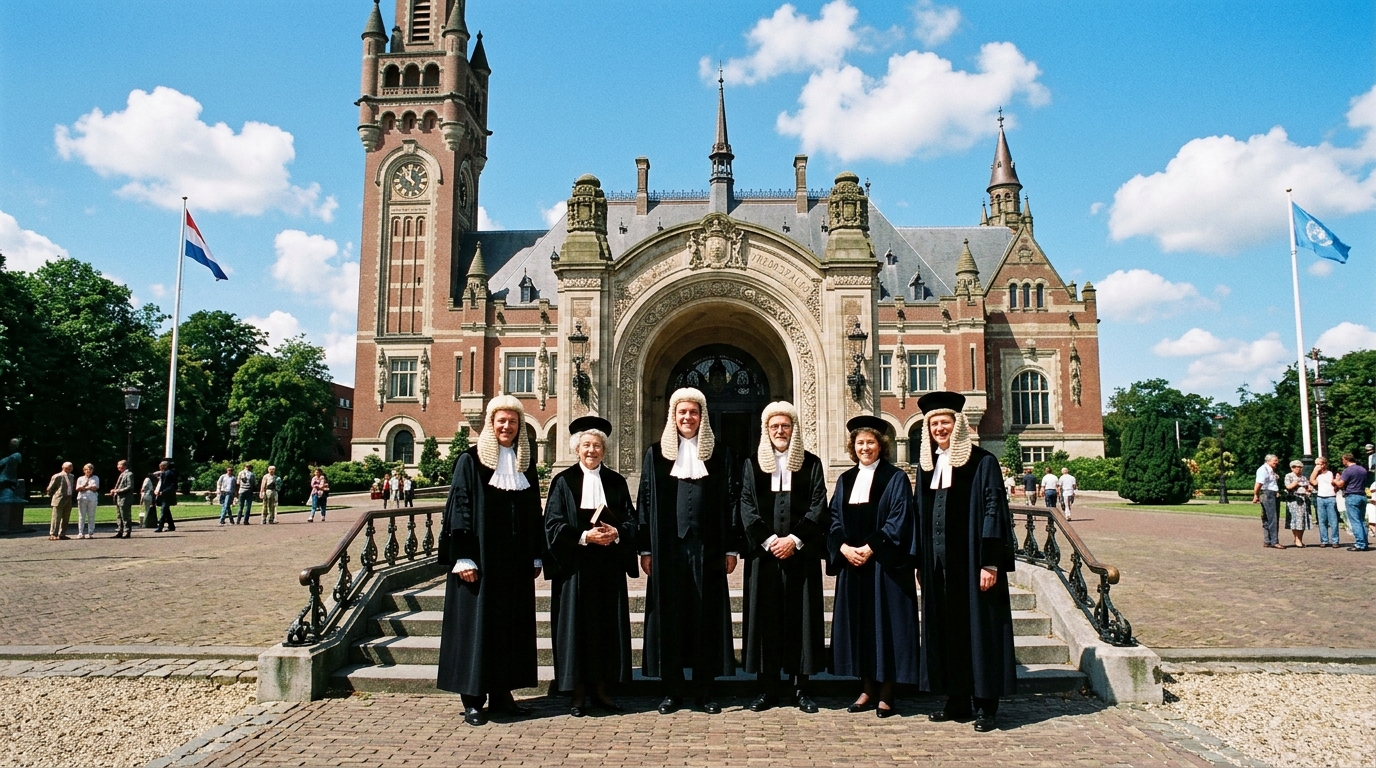
Founding the International Criminal Court 2002: Prosecuting Global Crimes
The entry into force of the Rome Statute in 2002, establishing the first permanent court for genocide, crimes against humanity, and war crimes, marked a transformative moment in international law, despite significant geopolitical opposition from the United States and ongoing debates about its jurisdiction and effectiveness.
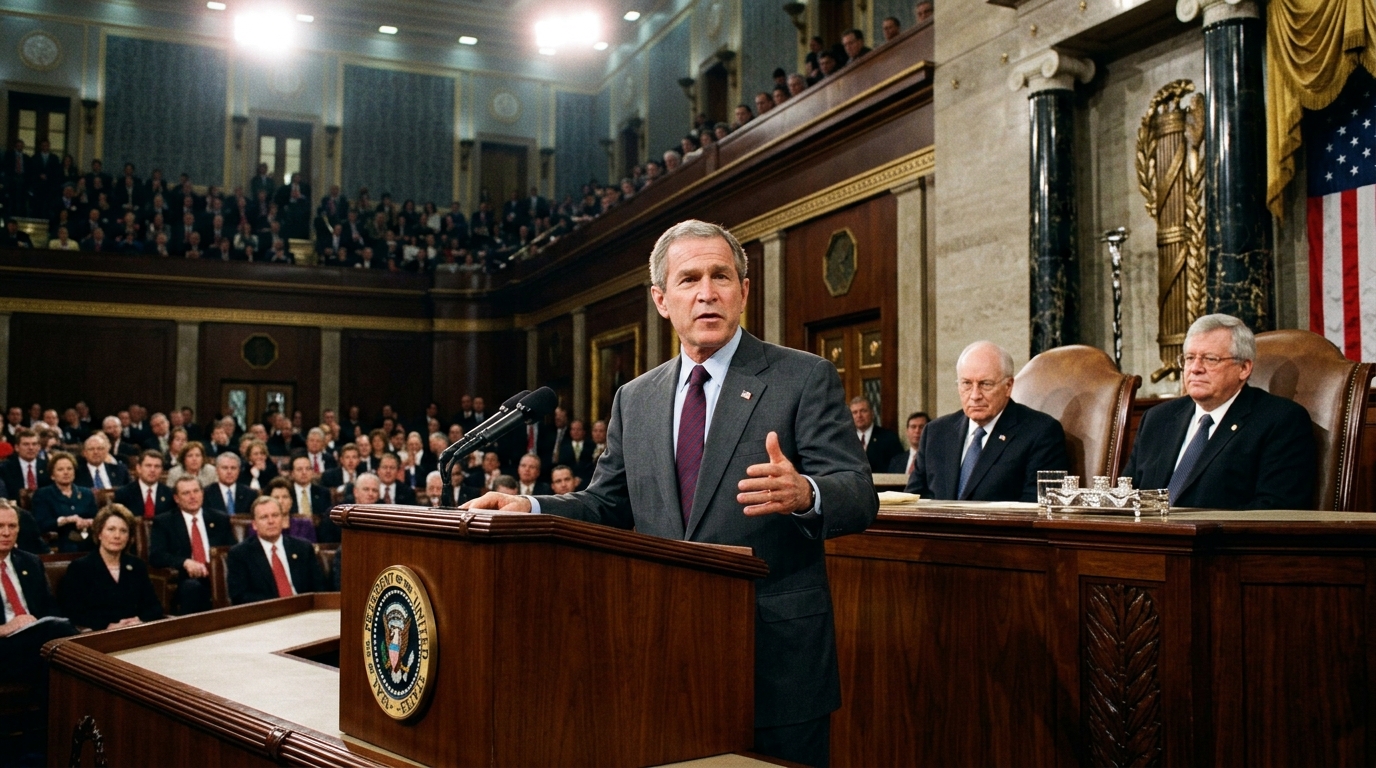
Bush's Axis of Evil Speech 2002: Defining the War on Terror Parameters
How the US President's State of the Union address identified Iraq, Iran, and North Korea as sponsors of terror seeking mass destruction weapons.
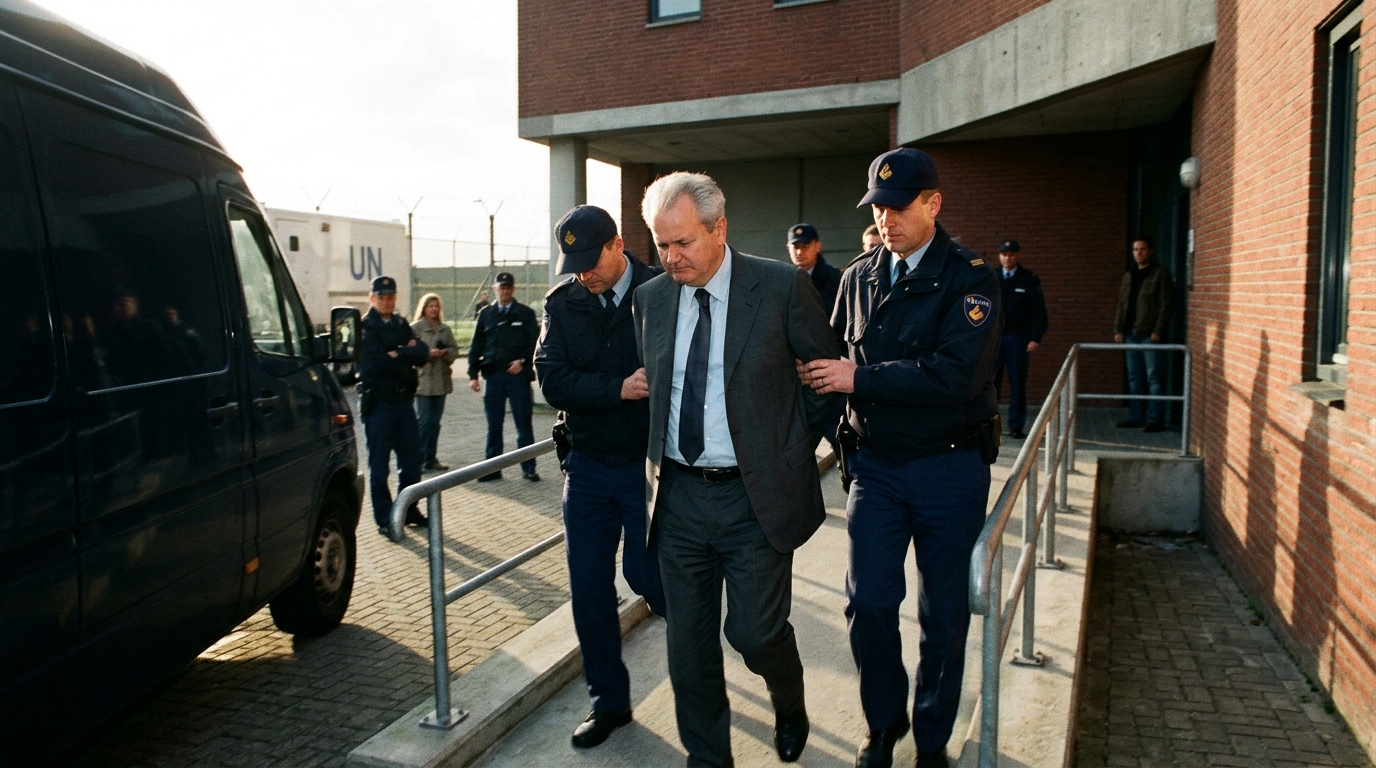
The Extradition of Slobodan Milosevic to The Hague: A Legal Milestone
The arrest and dramatic transfer of the former president to the ICTY on Vidovdan 2001, triggering a political crisis in Yugoslavia, marked a pivotal moment in international justice and post-conflict transition.
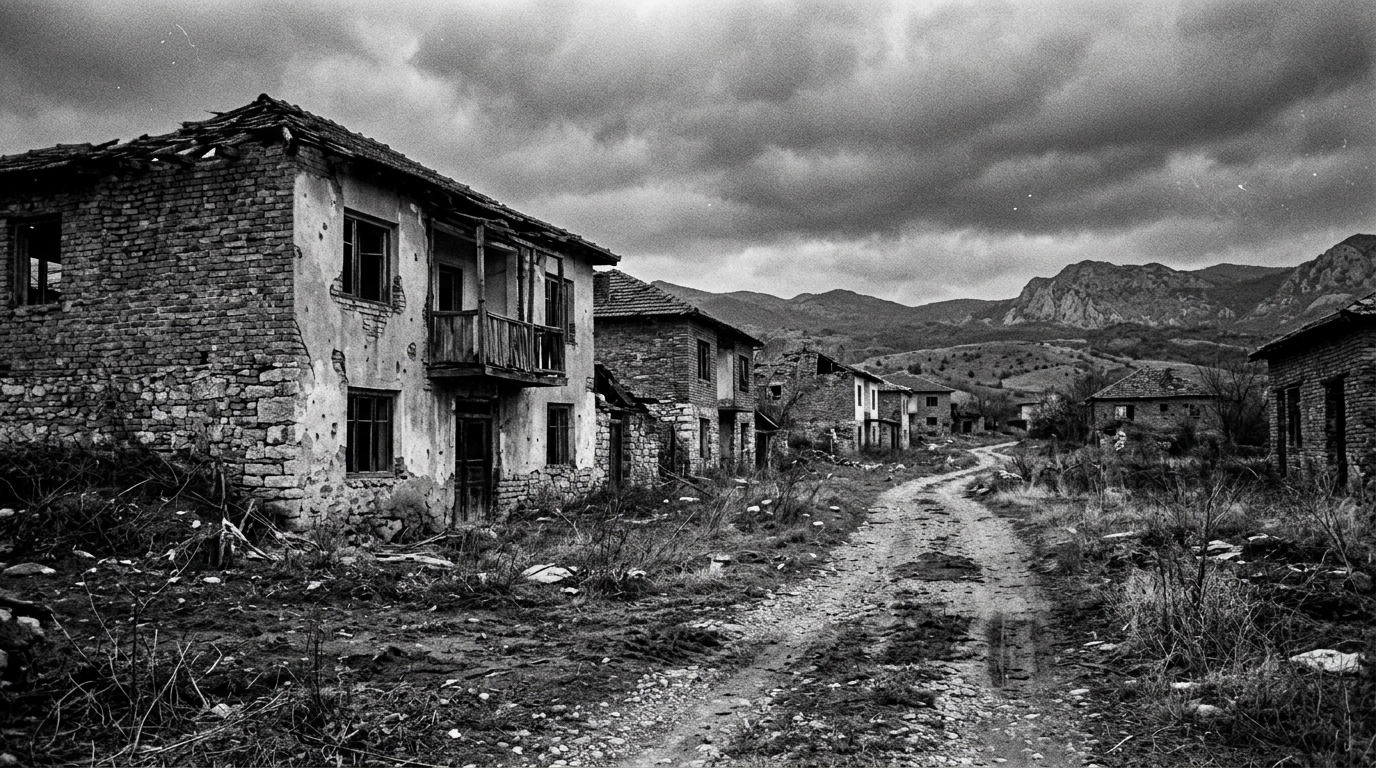
The 2001 Insurgency in Macedonia: The Ohrid Framework Agreement
A comprehensive historical and geopolitical analysis of the 2001 ethnic Albanian NLA uprising in Macedonia, the intensive international mediation efforts by NATO and the EU, and the subsequent signing of the Ohrid Framework Agreement, which introduced significant constitutional and political reforms to expand minority rights and prevent a wider Balkan conflict.
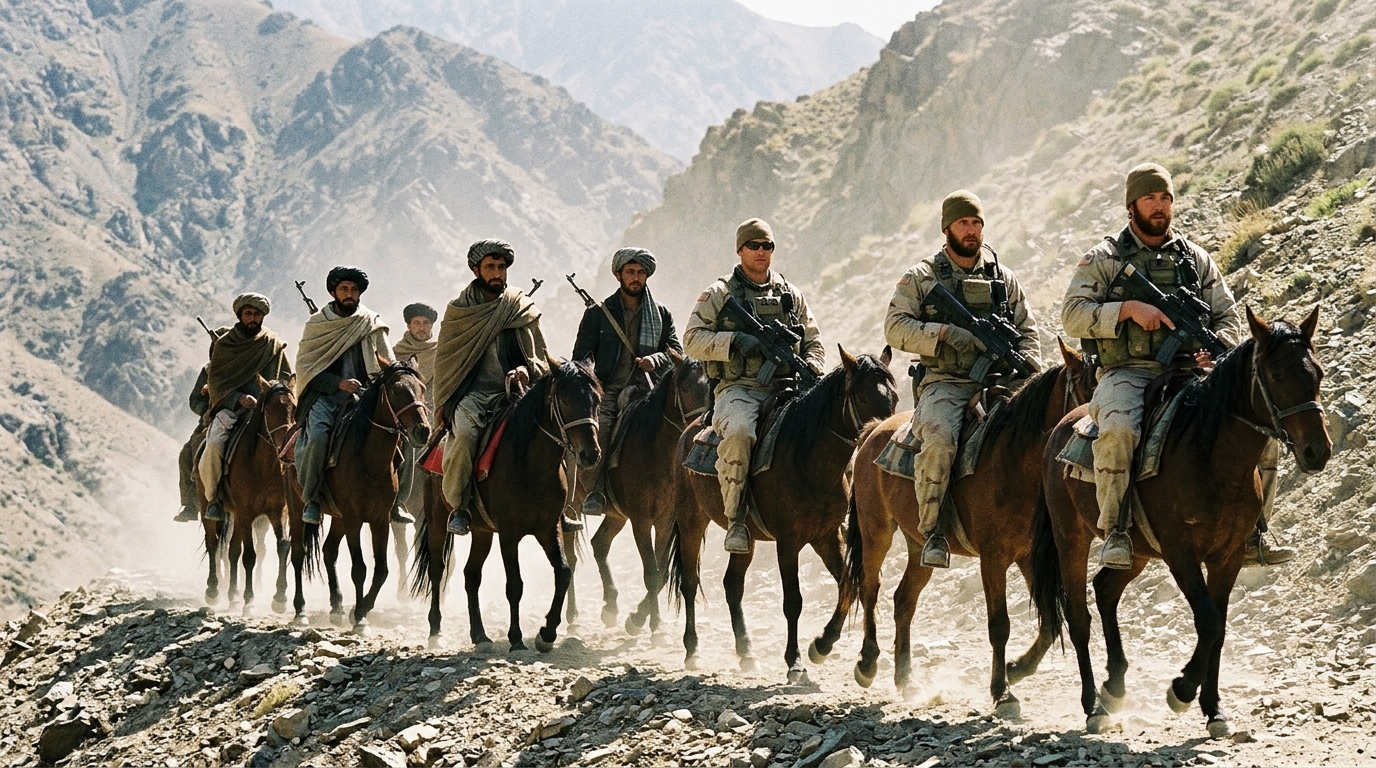
The Invasion of Afghanistan 2001: The Fall of the Taliban and the Longest War
Operation Enduring Freedom: the rapid collapse of the Taliban regime with Northern Alliance ground support, and the installation of a new government. This article details the historical context, military strategy, geopolitical consequences, and long-term legacy of the initial invasion and the subsequent nation-building challenges.
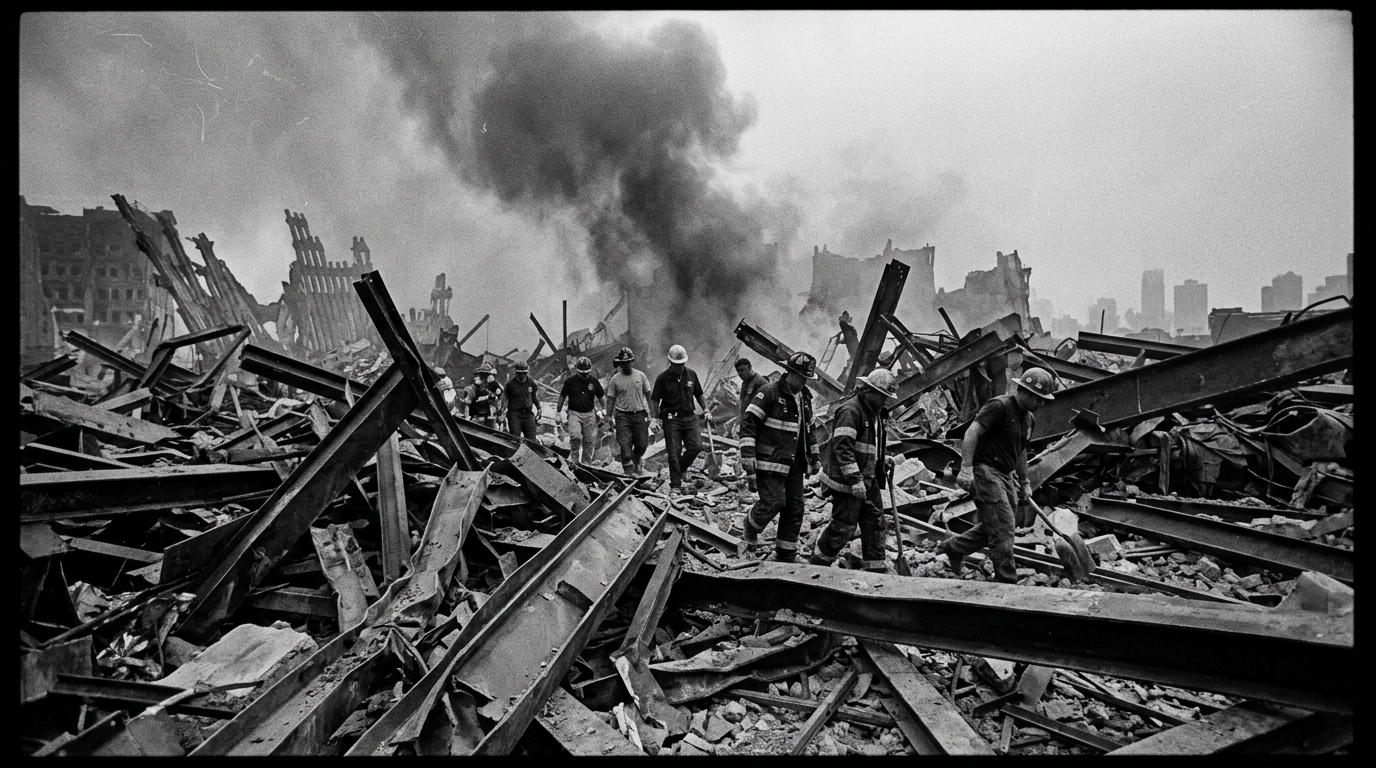
The September 11 Attacks: The Day That Changed Global Geopolitics
Al-Qaeda's terrorist strikes on New York and Washington, initiating the 'War on Terror' and restructuring global security architecture.
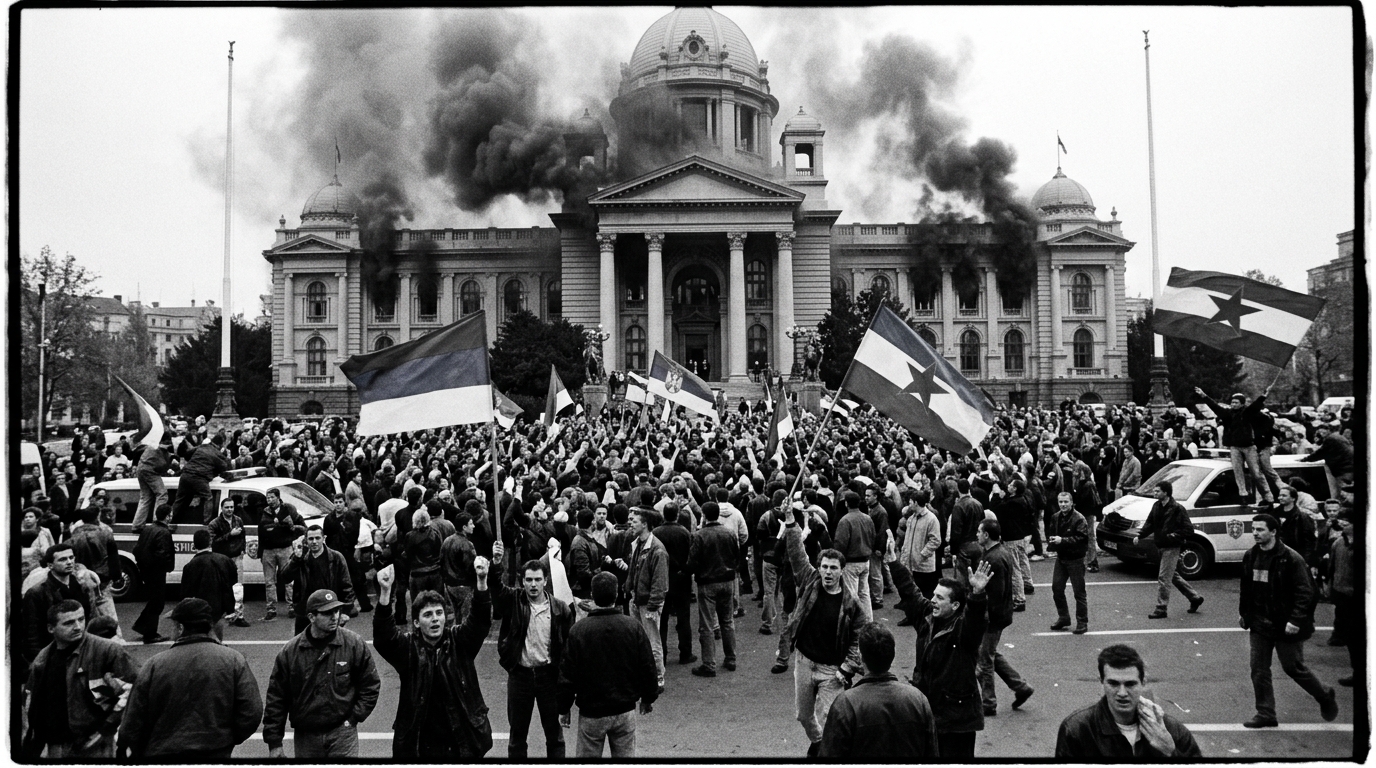
The Fall of Slobodan Milosevic: The October 5th Revolution in Belgrade
A comprehensive analysis of the October 5th Revolution in Belgrade, detailing the historical context, the Milosevic regime's decline, the coordinated efforts of the opposition, the pivotal moments of mass protest, and the profound geopolitical and domestic consequences that reshaped Serbia and the wider Balkan region.