Country: Turkey
Collection of geopolitical papers, conflicts, and diplomatic crises involving Turkey.
Published Chronicles & Analyses
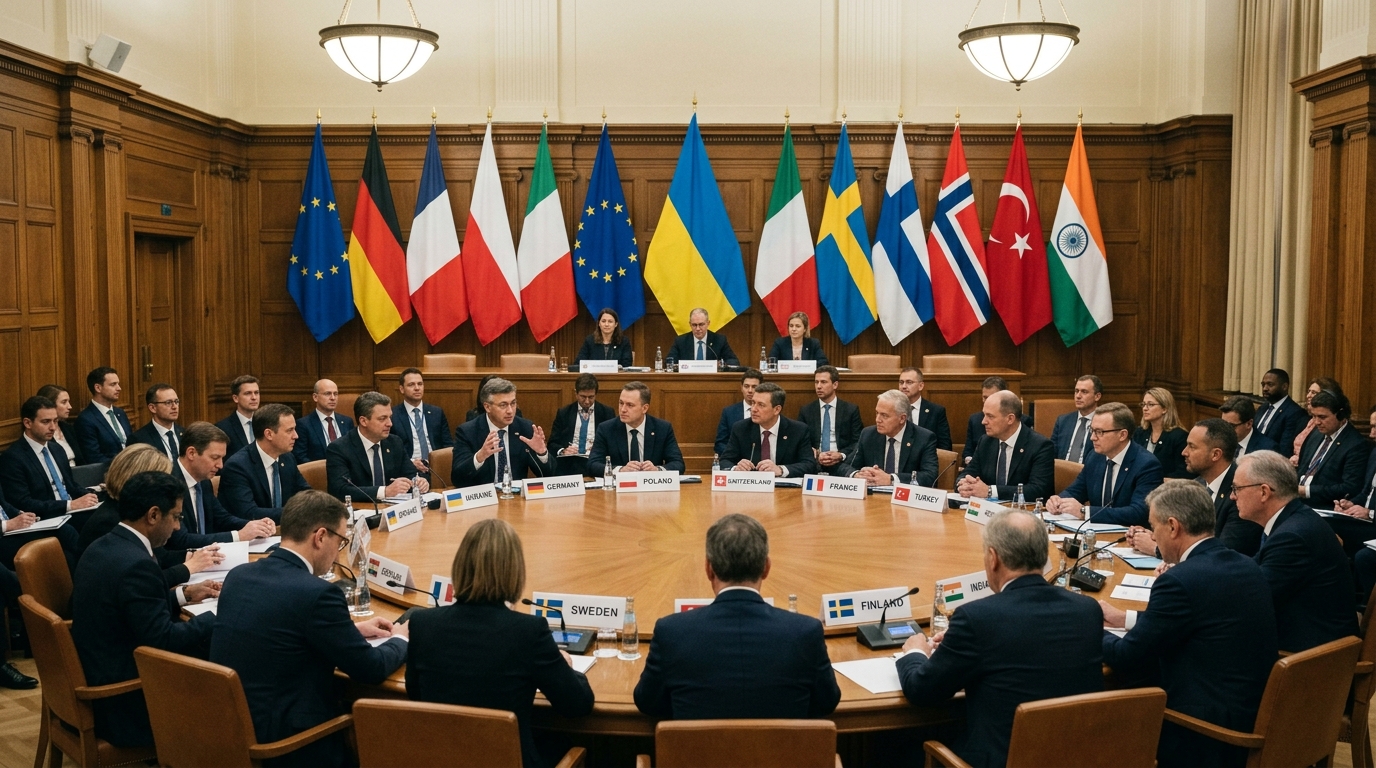
Ukraine Mirovne Inicijative in 2025: Geopolitical Options and Settlement Possibilities
An in-depth analysis of the complex geopolitical landscape in 2025 surrounding proposals for de-escalation in Ukraine, focusing on the freezing of front lines, the establishment of demilitarized zones, and the evolving long-term security architecture of Eastern Europe. This expanded study explores the historical precedents, the motivations of key international actors, the intricate diplomatic maneuvers, intelligence considerations, and the profound socio-economic implications of potential settlement possibilities.
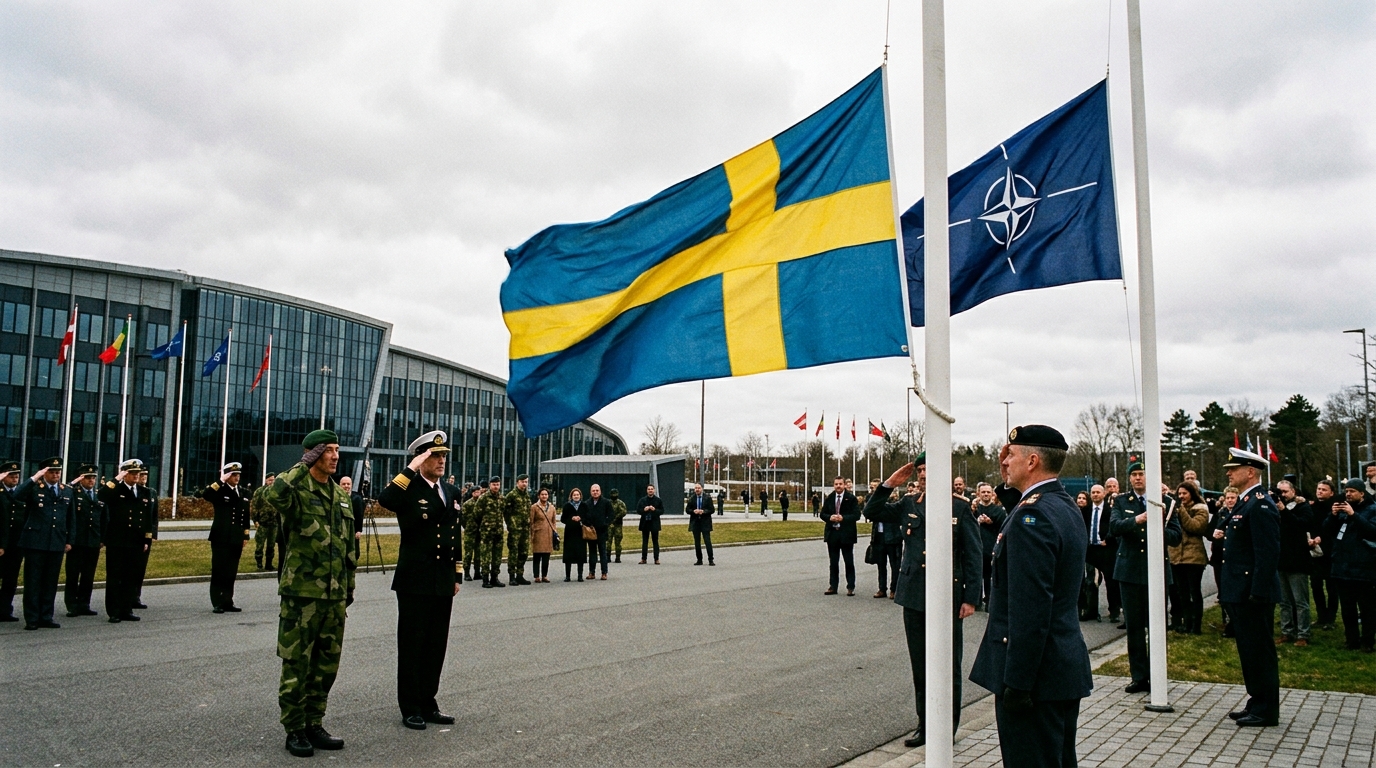
Sweden Joins NATO in 2024: The End of Two Centuries of Non-Alignment
Sweden's accession to NATO in 2024 concludes two centuries of non-alignment, reshaping the Baltic Sea security landscape and profoundly influencing Northern European geopolitics following the formal deposit of its instrument of accession.
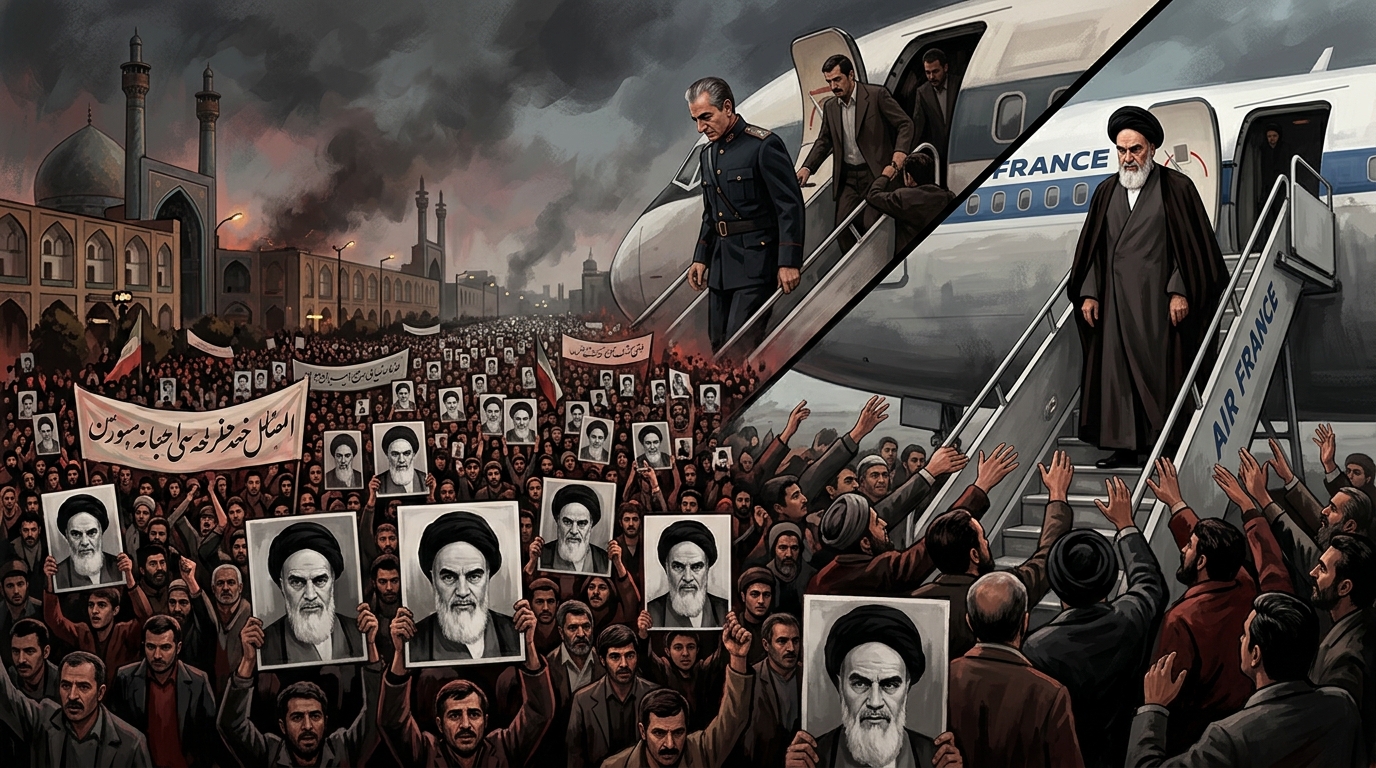
The Iranian Revolution of 1979: Fall of the Shah and Birth of the Theocracy
Massive protests that overthrew the pro-American Shah, the return of Ayatollah Khomeini, and the creation of the Islamic Republic.
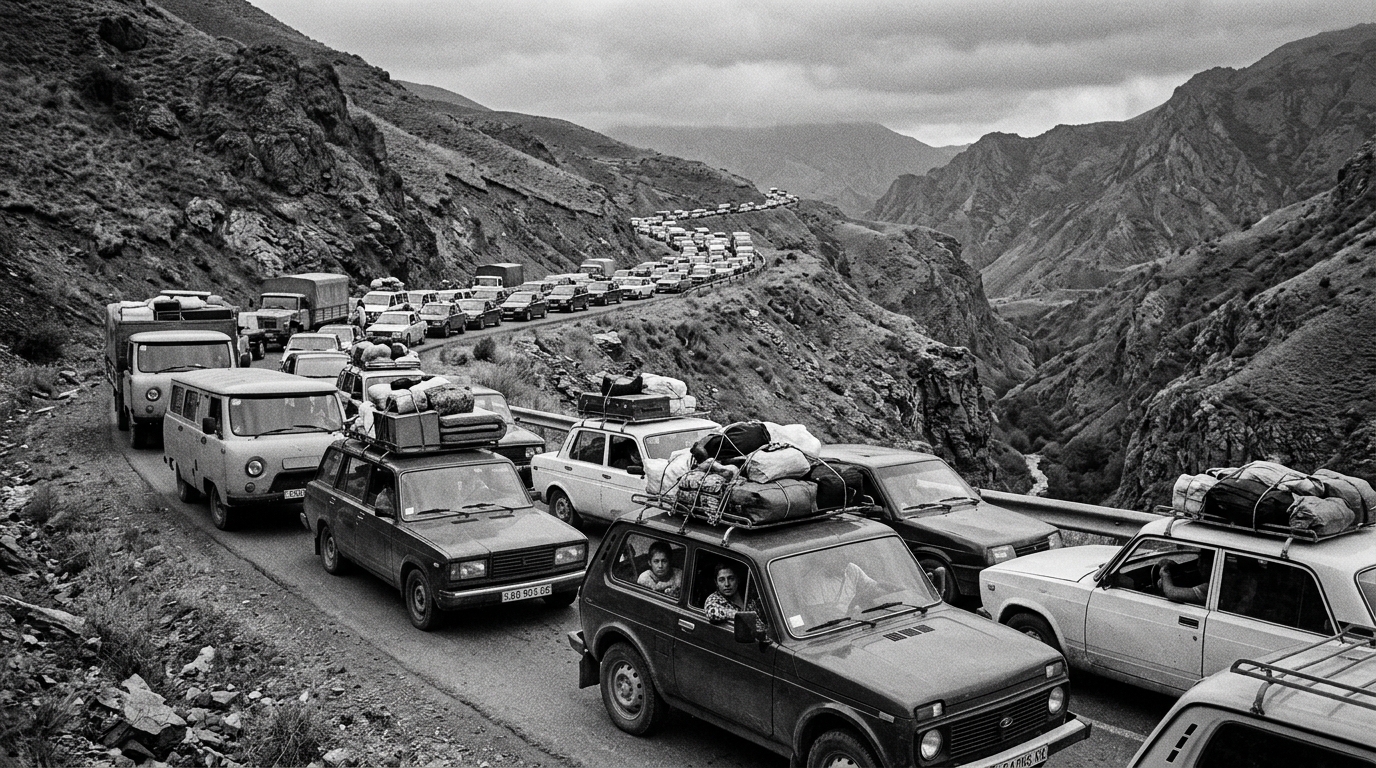
The 2023 Flight from Nagorno-Karabakh: Dissolution of the Breakaway Republic
A comprehensive historical and geopolitical analysis of Azerbaijan's swift military sweep in September 2023, the collapse of ethnic Armenian defenses, the total departure of over 100,000 refugees to Armenia, and the profound regional and international implications of the Nagorno-Karabakh Republic's dissolution.
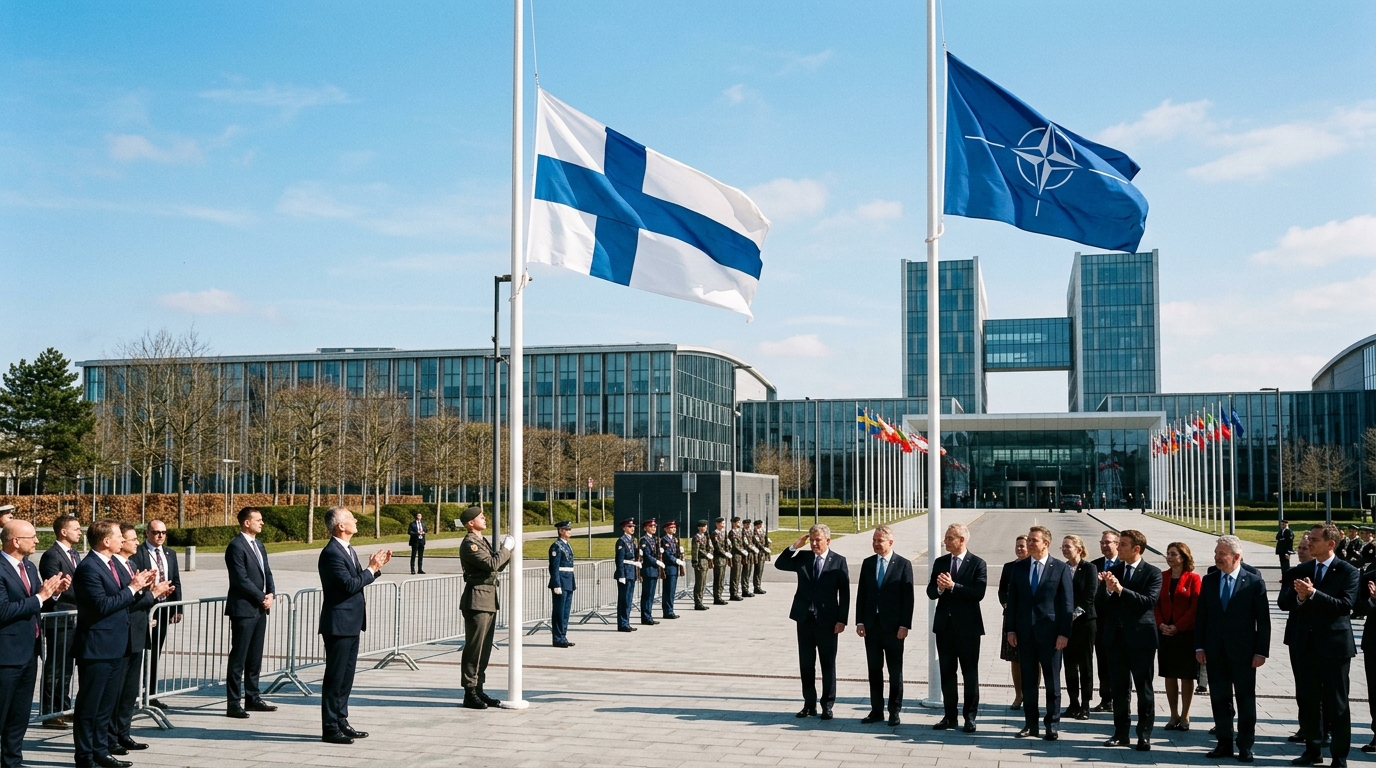
Finland Joins NATO in 2023: Ending Decades of Military Neutrality
Helsinki's rapid and historic shift away from non-alignment in response to the Ukraine war, fundamentally reshaping European security by doubling NATO's direct land border with Russia and transforming the strategic landscape of the Baltic and Arctic regions.
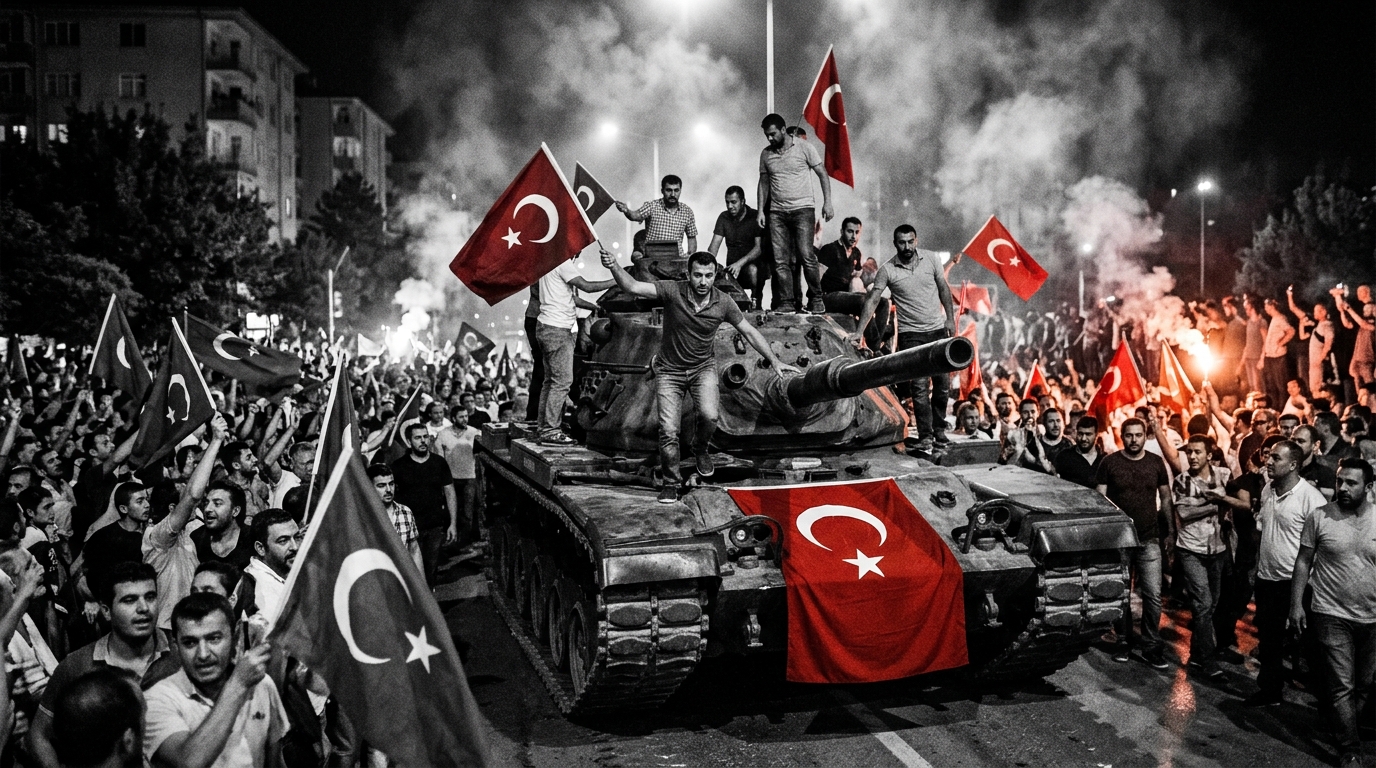
The 2016 Turkish Coup Attempt: The Night Erdogan Held Power
A comprehensive analysis of the 2016 Turkish coup attempt, detailing its historical roots, the dramatic night of defiance, the profound geopolitical shifts, and the lasting domestic transformation under President Erdogan.
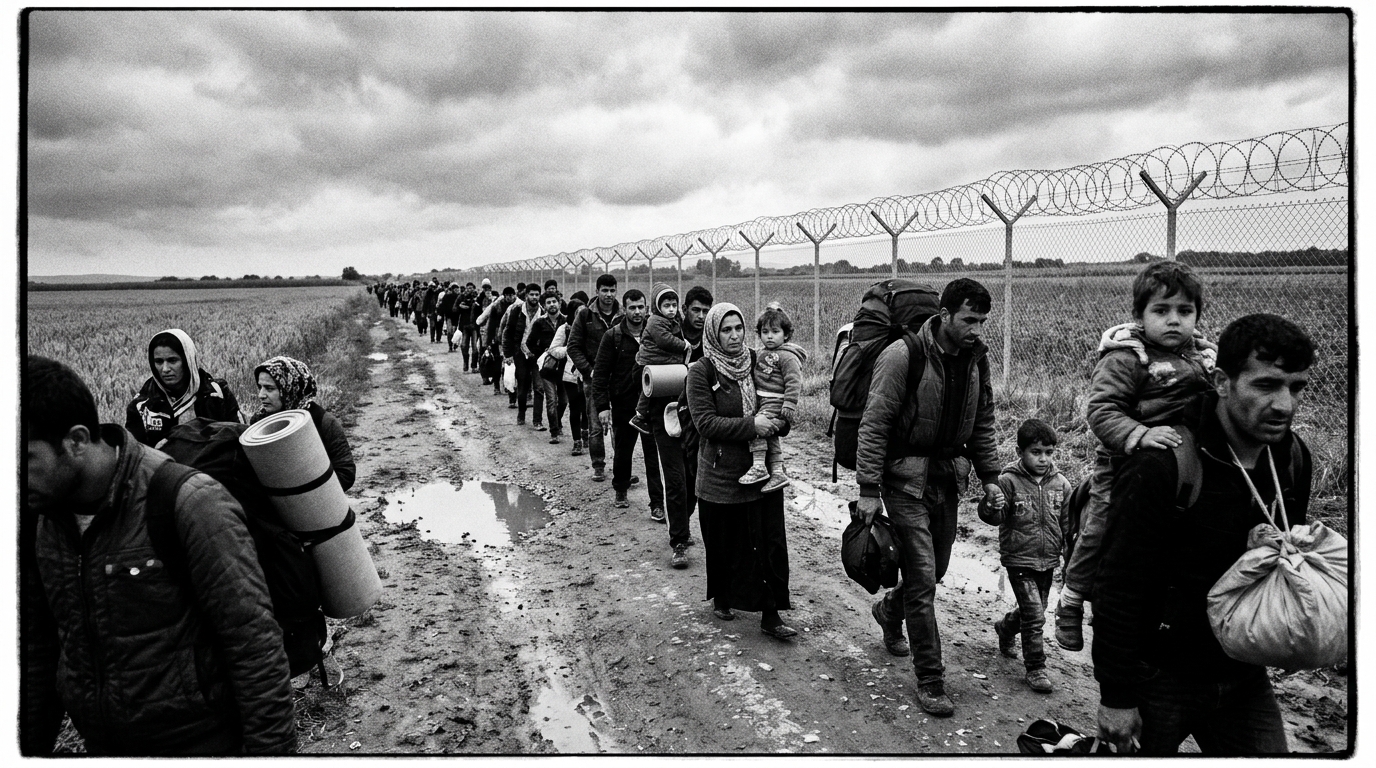
The 2015 European Migrant Crisis: A Million Refugees Seek Asylum
An in-depth analysis of the 2015 European Migrant Crisis, detailing its complex origins in regional instability, the collapse of EU asylum frameworks, Chancellor Merkel's pivotal 'Wir schaffen das' decision, the profound geopolitical realignment within the EU, the rise of nationalist movements, and the lasting socio-economic challenges of integration.
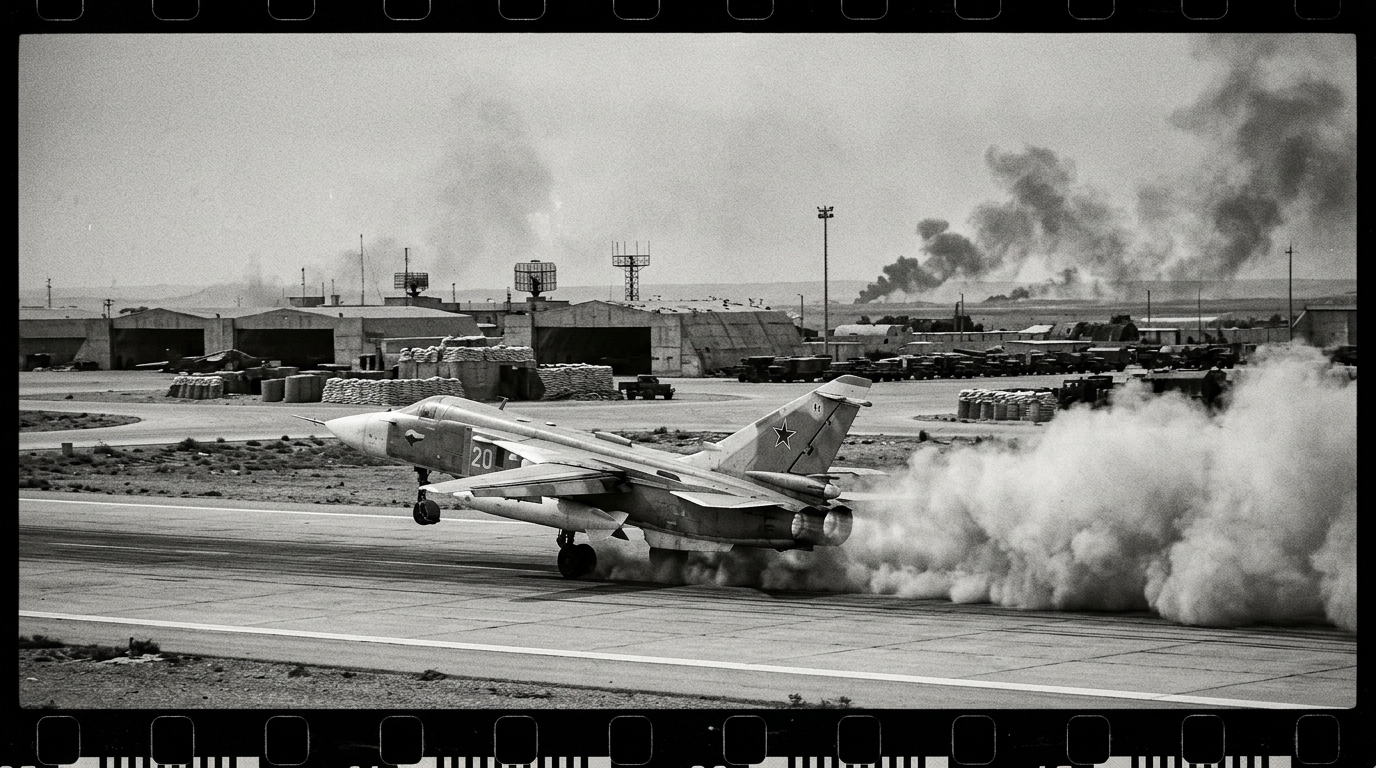
Russia's Military Intervention in Syria 2015: Preserving the Assad Regime
The deployment of Russian air assets to Khmeimim, turning the tide of the war, reclaiming Aleppo and Palmyra, and establishing a lasting presence. This intervention marked a significant geopolitical shift, reasserting Russia's influence and solidifying the Assad regime's survival against a multi-faceted insurgency.
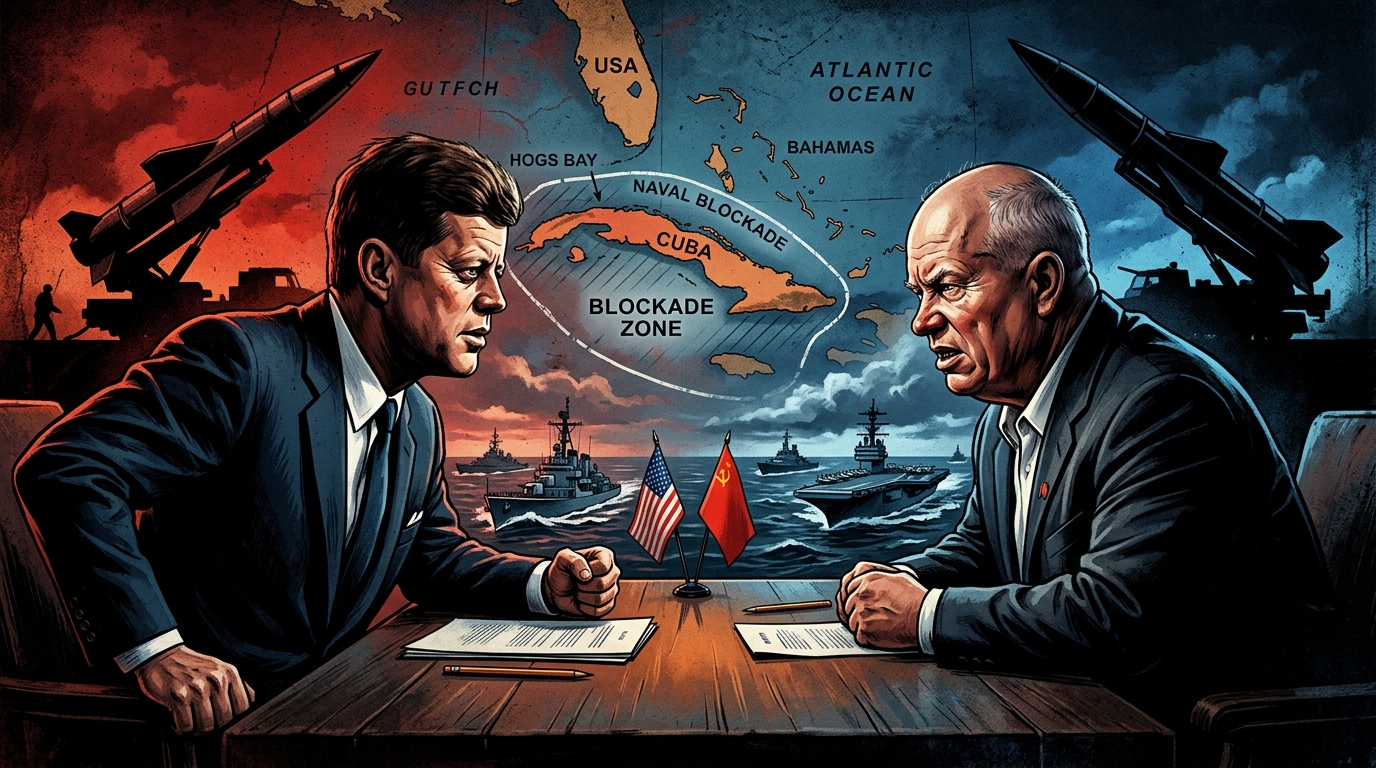
The Cuban Missile Crisis of 1962: Thirteen Days on the Brink of Apocalypse
How Soviet nuclear missiles in Cuba brought the world to the edge of nuclear war and how secret diplomacy saved humanity.
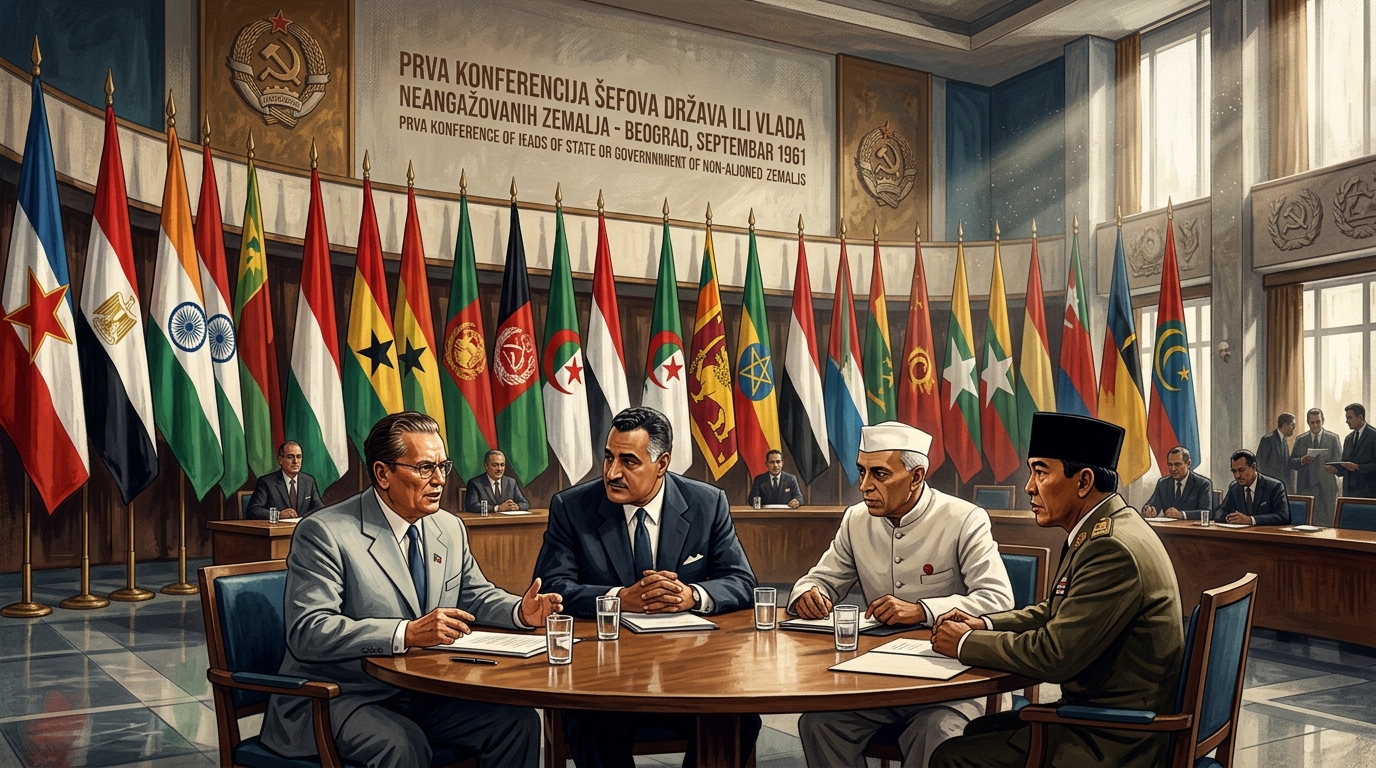
The Belgrade Conference of 1961: Founding the Non-Aligned Movement
The historic summit in Belgrade where 25 nations offered an alternative to the bloc division of the world, creating the Non-Aligned Movement.
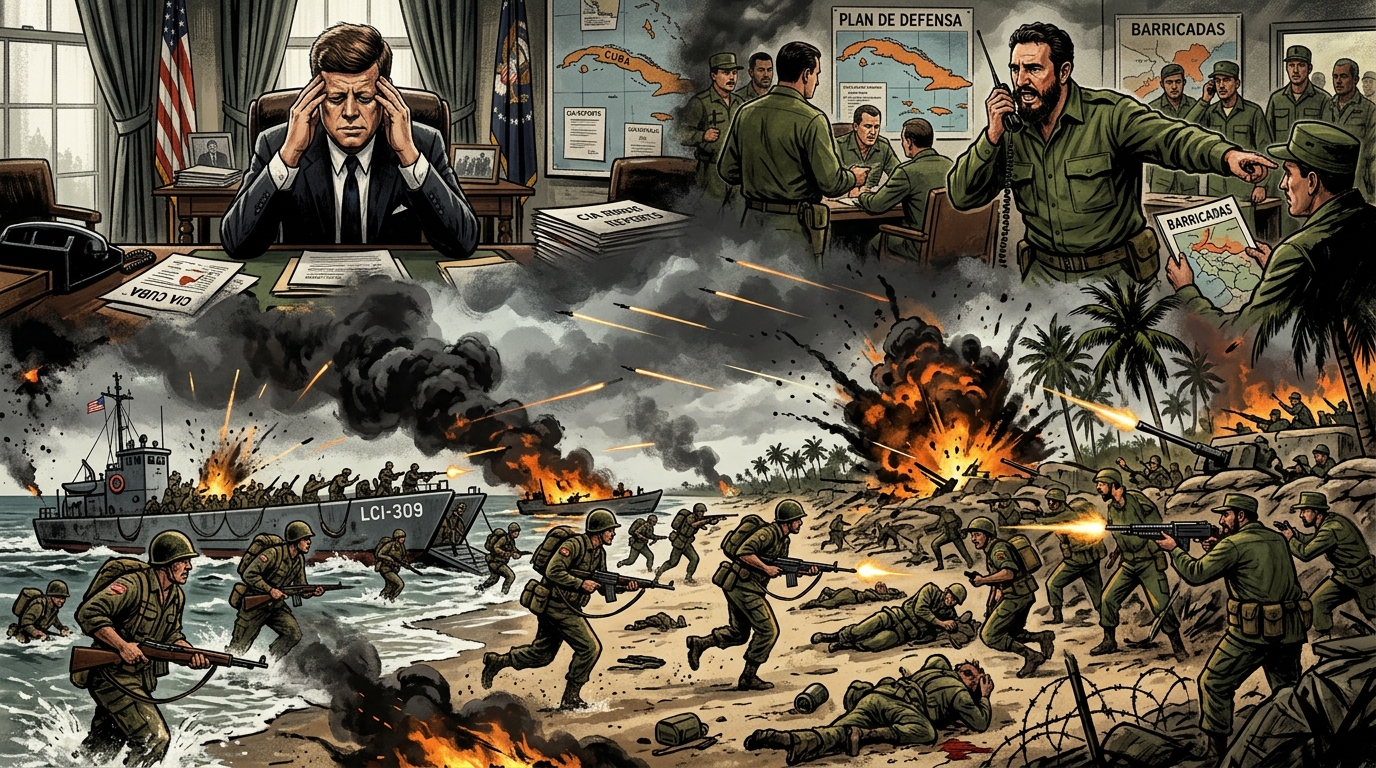
The Bay of Pigs Invasion of 1961: The CIA's Cuban Debacle
The failed invasion of Cuba by US-backed exiles, which strengthened Castro's regime and pushed him directly into the Soviet sphere.
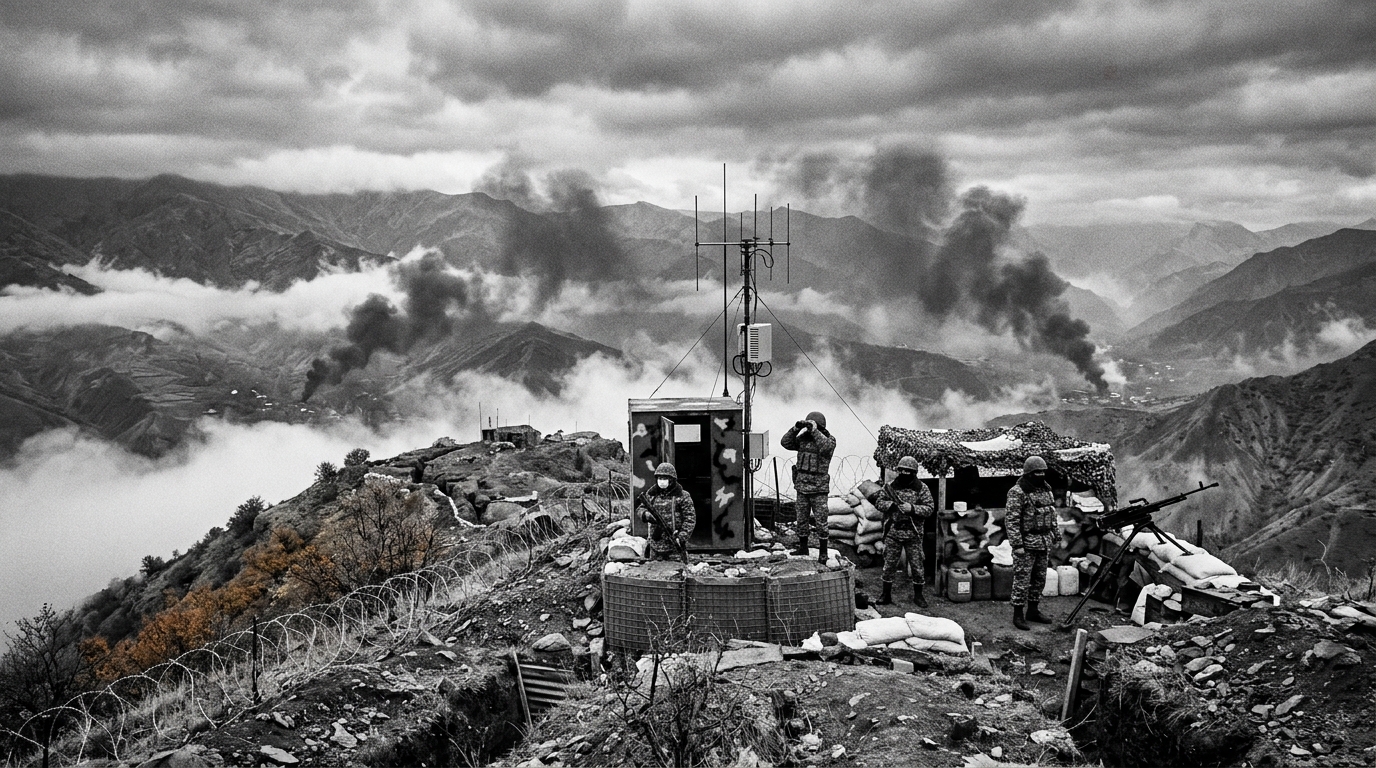
The 2020 Nagorno-Karabakh War: Azerbaijan's Drone-Driven Campaign
The 44-day 2020 Nagorno-Karabakh War, a landmark conflict featuring the decisive deployment of Turkish Bayraktar TB2 drones and Israeli loitering munitions, fundamentally reshaped military doctrine and geopolitical alliances in the South Caucasus, ending with a Russian-brokered cease-fire that secured significant territorial gains for Azerbaijan.

The Rise of ISIS in 2014: Proclaiming the Caliphate and Global Terror
A comprehensive historical and geopolitical analysis of the Islamic State's meteoric rise in 2014, detailing the capture of Mosul, the audacious proclamation of a global caliphate by Abu Bakr al-Baghdadi, and the formation of the international coalition to counter its unprecedented threat. The article explores the deep historical roots, strategic failures, and lasting global implications.
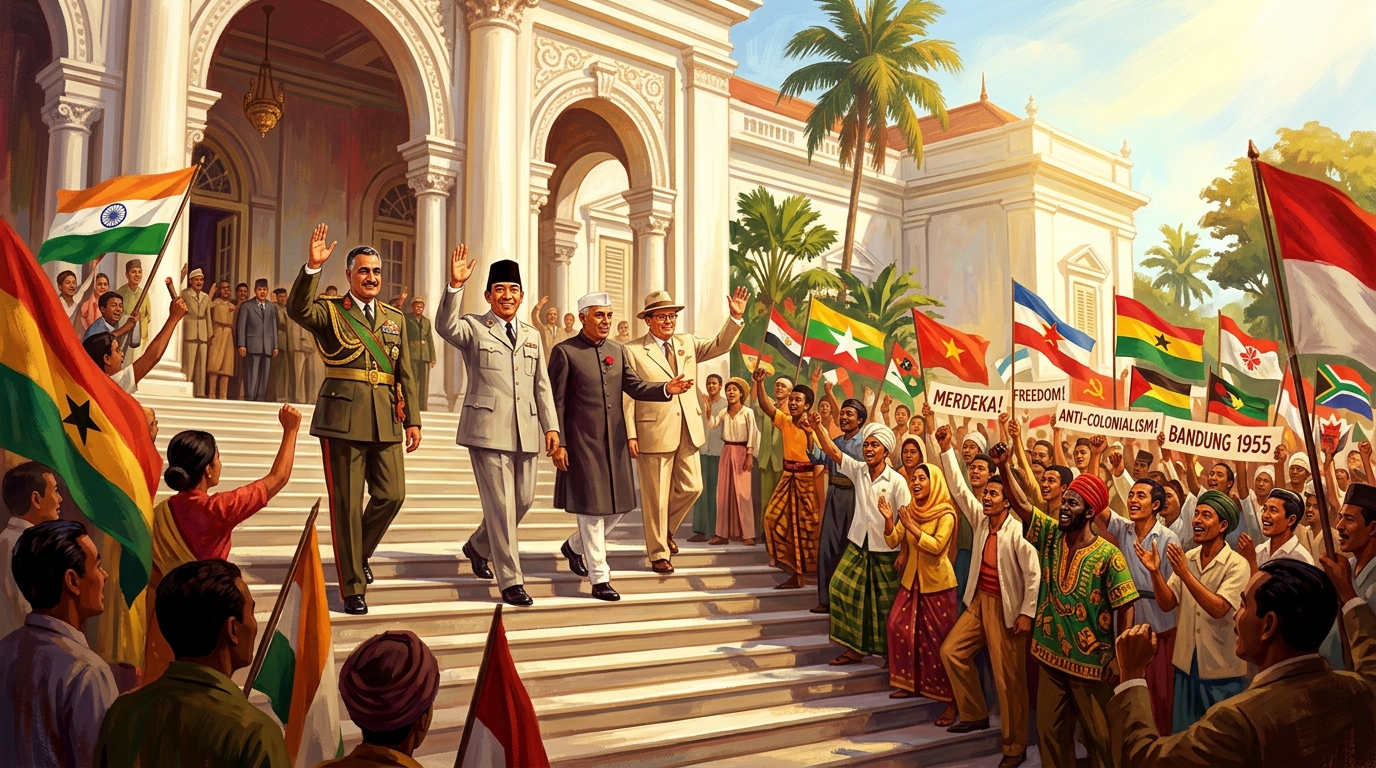
The Bandung Conference of 1955: The Awakening of the Third World
The historic gathering of Asian and African leaders in Indonesia that laid the foundations of anti-colonialism and the Non-Aligned Movement.
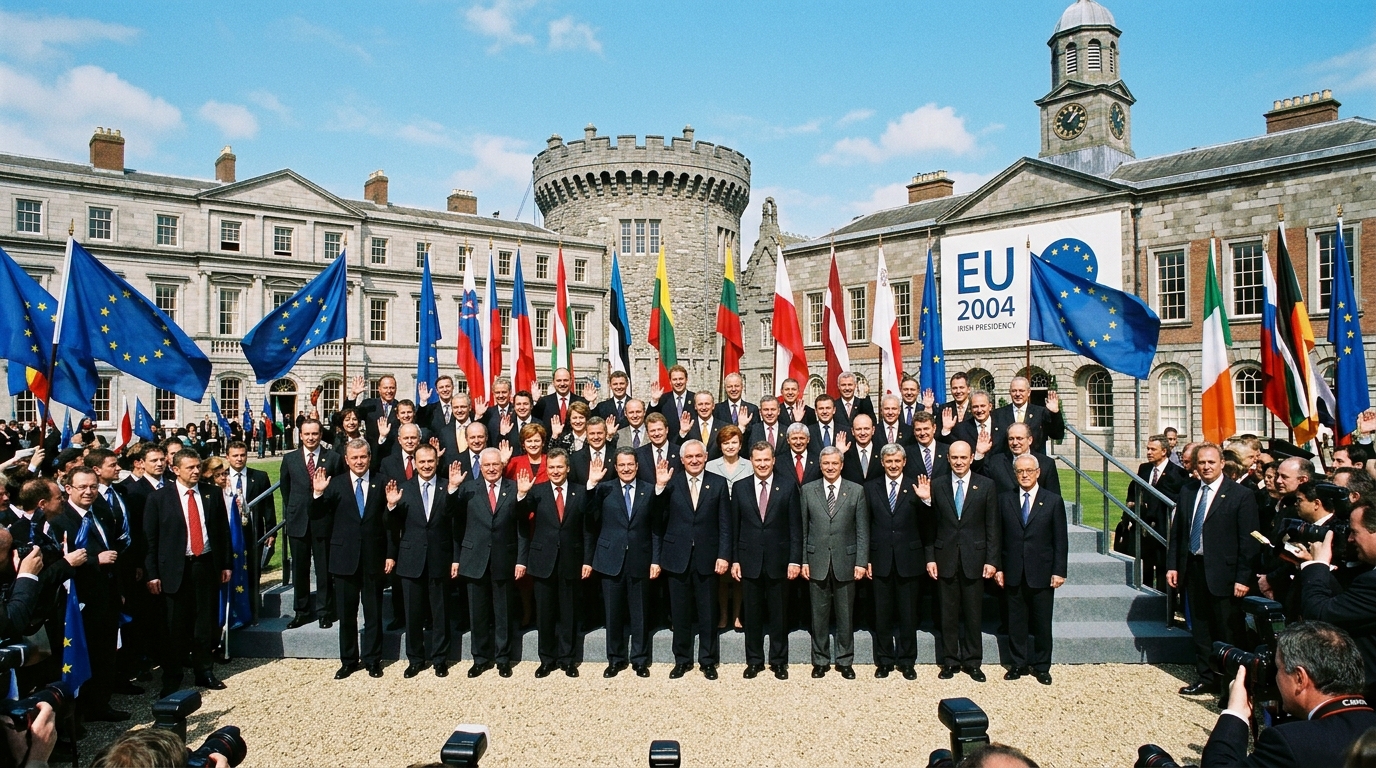
The 2004 Big Bang Enlargement of the European Union
The 2004 Big Bang Enlargement of the European Union, a monumental post-Cold War undertaking, saw the admission of 10 new member states, predominantly from Central and Eastern Europe. This transformative event not only unified a continent artificially divided for half a century but also fundamentally reshaped the EU's institutional dynamics, economic landscape, and geopolitical standing, marking a pivotal moment in European integration history.
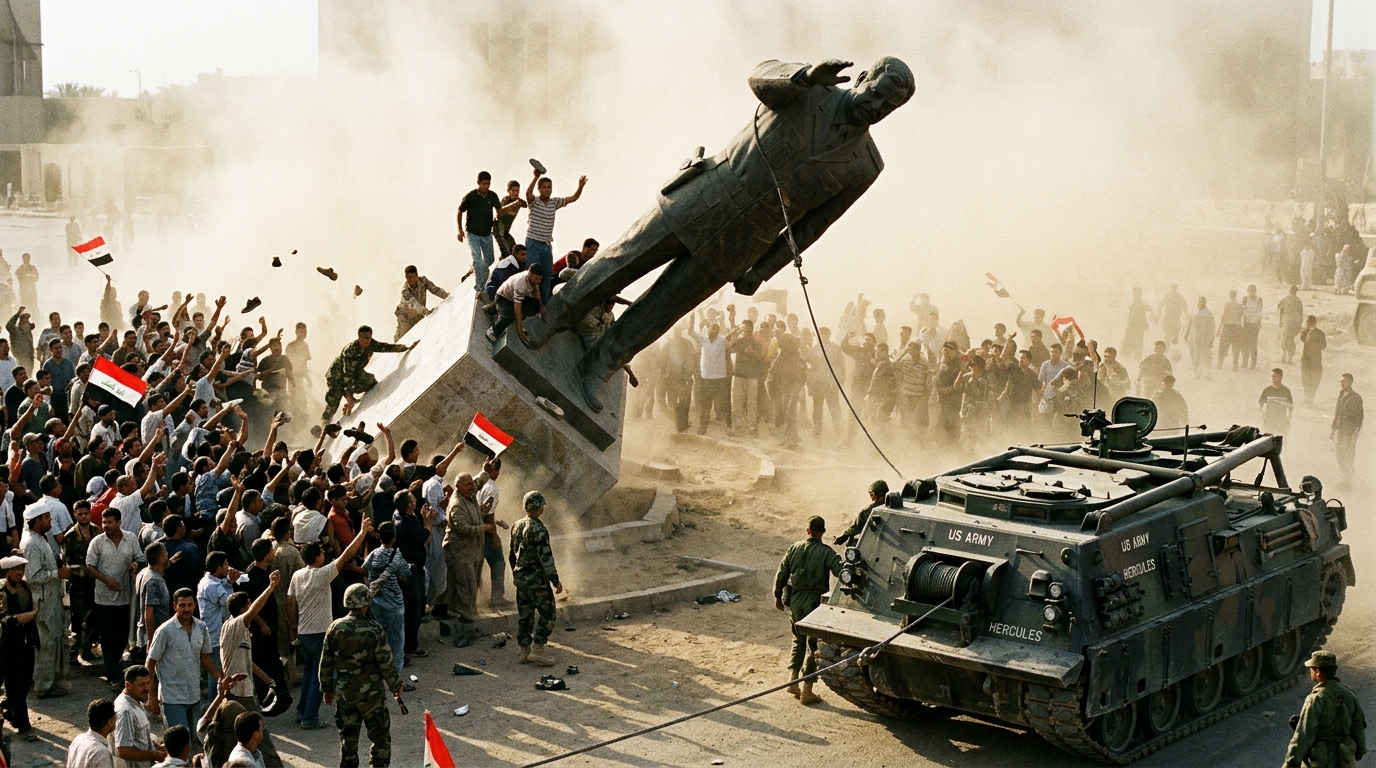
The Invasion of Iraq 2003: WMD Claims and the Fall of Saddam Hussein
A comprehensive examination of the US-led 2003 invasion of Iraq, analyzing the dubious WMD claims, the rapid collapse of Saddam Hussein's regime, the devastating intelligence failures, and the profound geopolitical and socio-economic consequences that reshaped the Middle East and international relations.
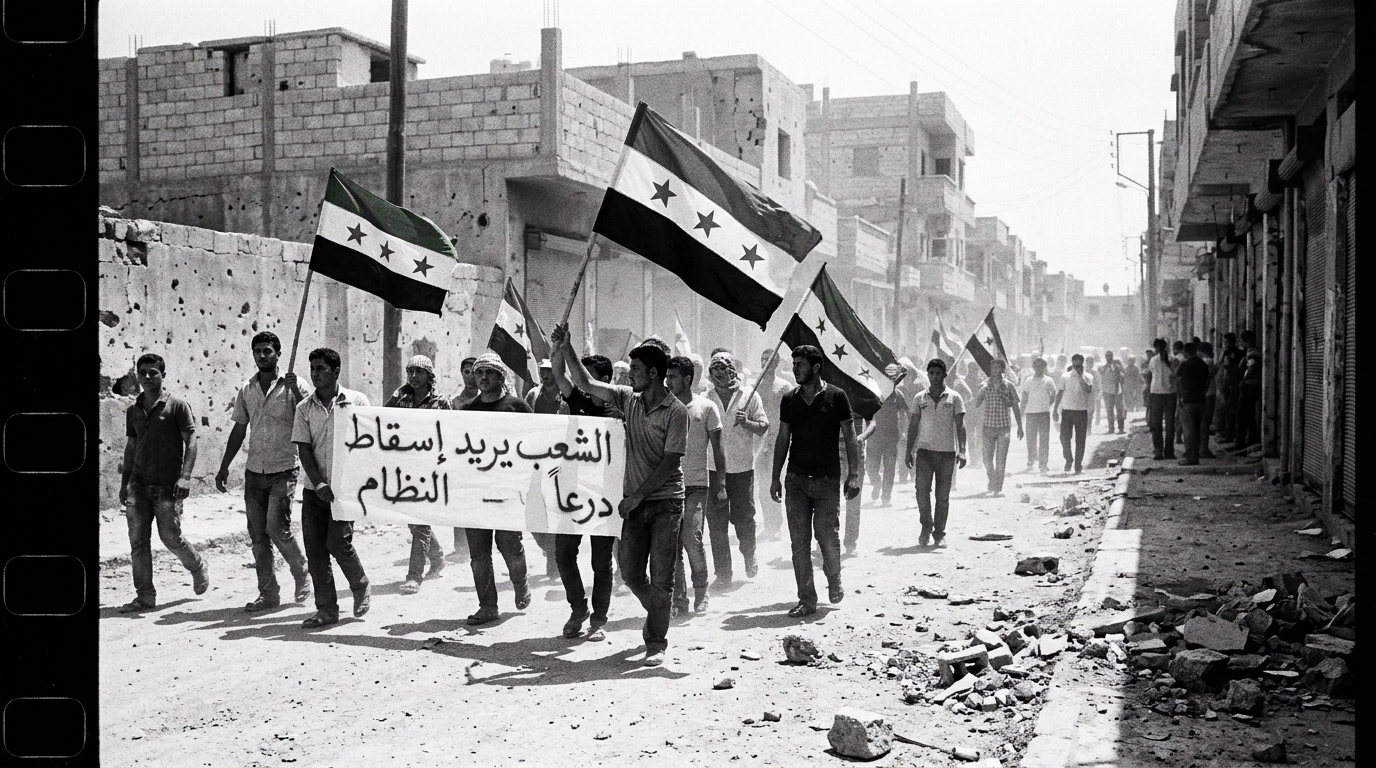
The Outbreak of the Syrian Civil War in 2011: From Uprising to Global Proxy War
An in-depth analysis of the Syrian Civil War's origins, tracing the transition from localized pro-democracy protests in Daraa to a nationwide armed insurgency, and its subsequent transformation into a complex multi-sided proxy conflict involving major regional and global powers, with profound geopolitical and humanitarian consequences.
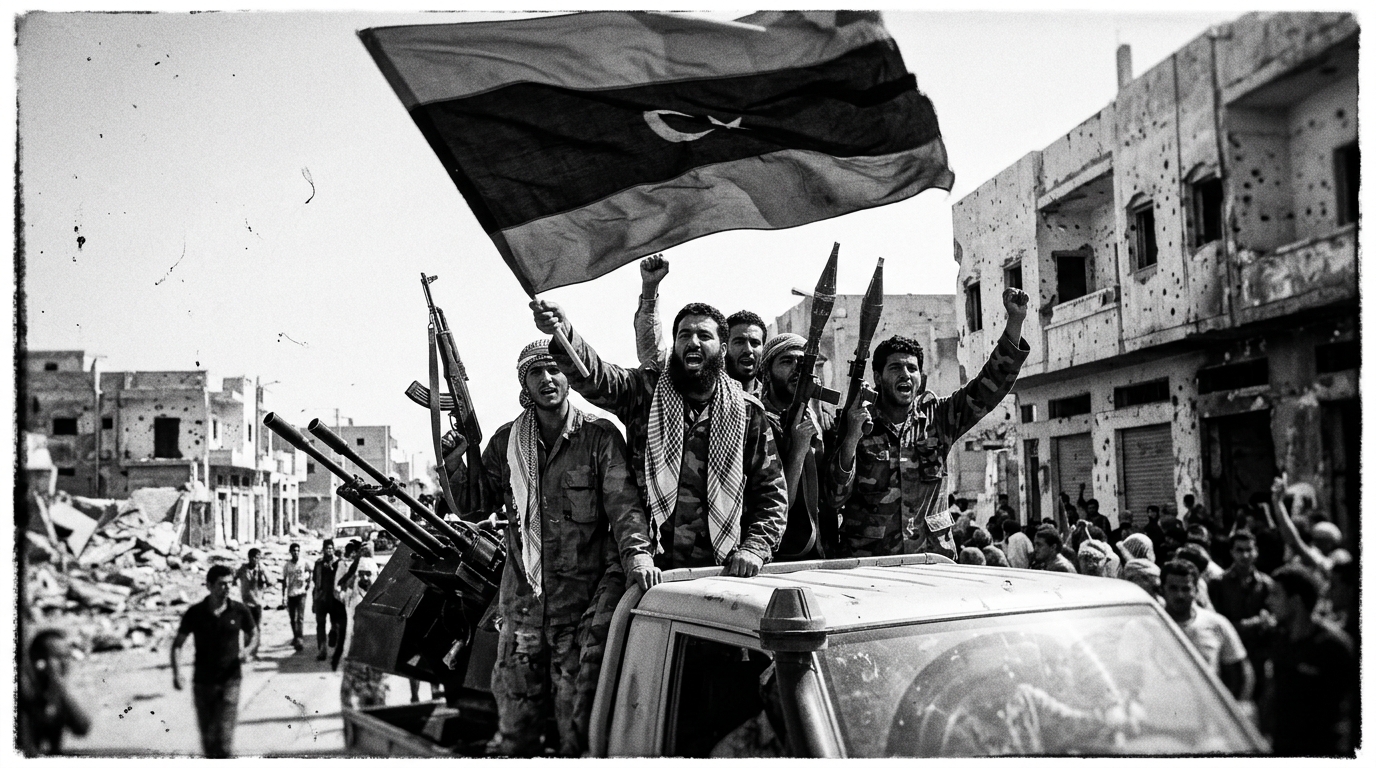
The Libyan Civil War of 2011: NATO Intervention and the Death of Gaddafi
An in-depth analysis of the 2011 Libyan Civil War, detailing Gaddafi's 42-year rule, the Arab Spring's catalyst, the NATO air intervention under the 'Responsibility to Protect' doctrine, the controversial capture and death of Muammar Gaddafi, and the profound, long-term geopolitical and humanitarian instability that followed his regime's collapse.
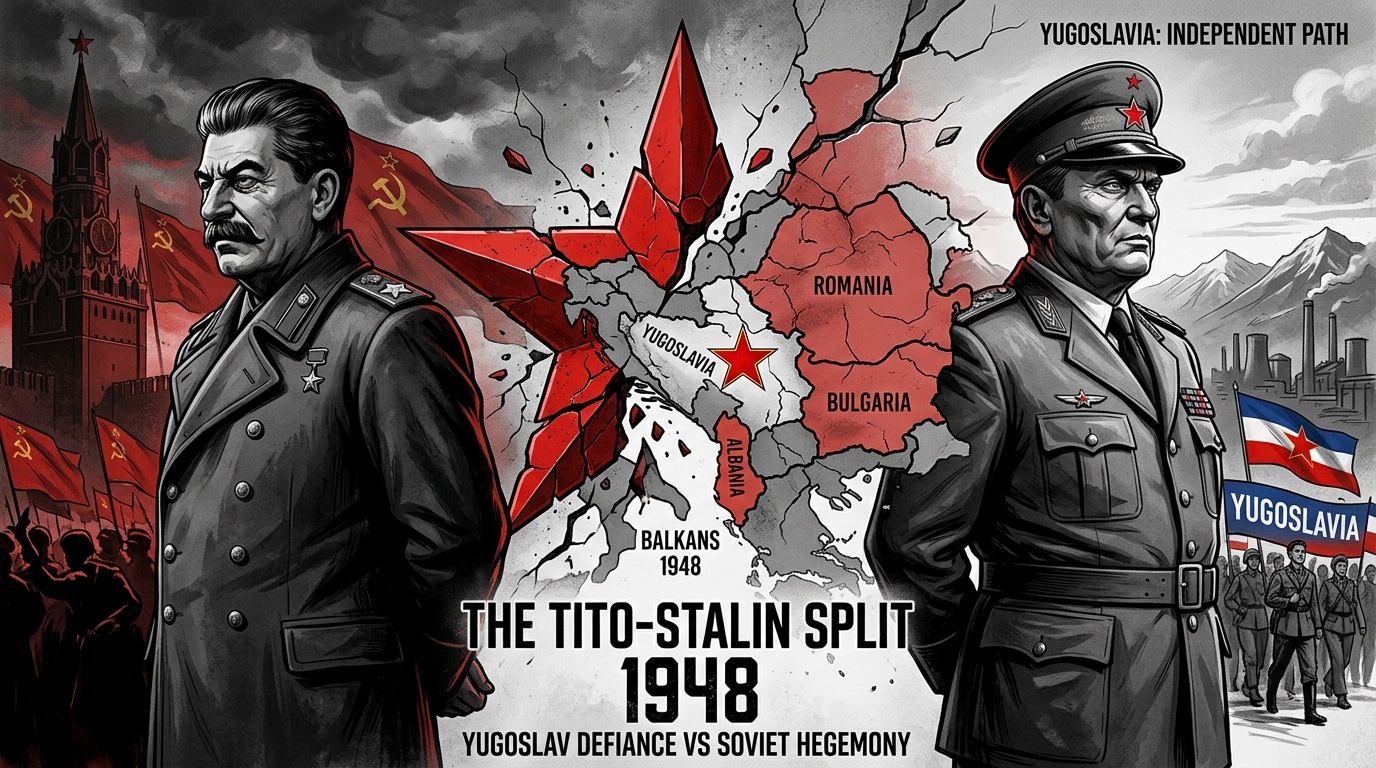
The Soviet-Yugoslav Split of 1948: How Tito Defied Stalin
An analysis of the biggest ideological and political earthquake in the communist world: how Yugoslavia said 'no' to Stalin and survived Soviet threats.
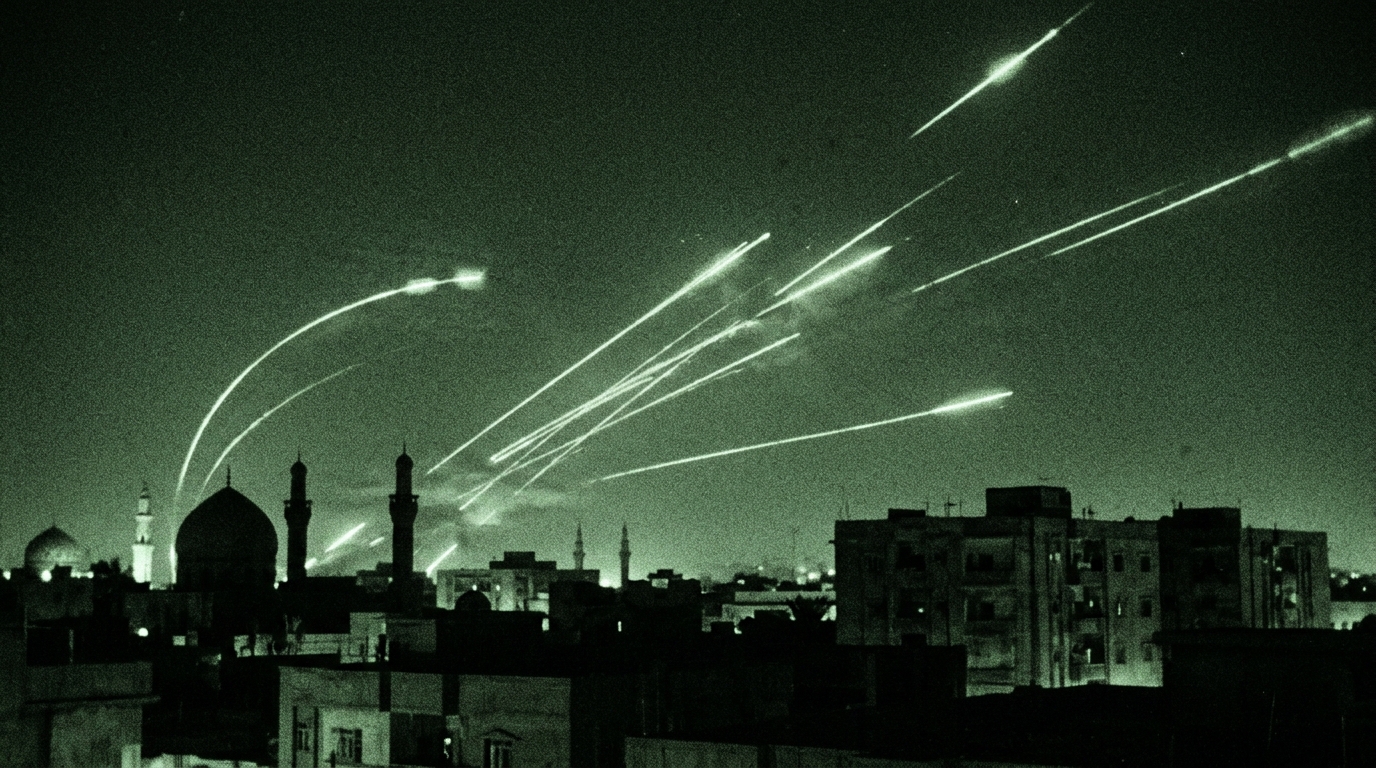
Operation Desert Storm 1991: The First Televised War and the Shock of Precision Power
The pivotal military campaign to liberate Kuwait, showcasing the dawn of information-age warfare, the unprecedented influence of 24-hour news, and profound shifts in global geopolitics and military doctrine.
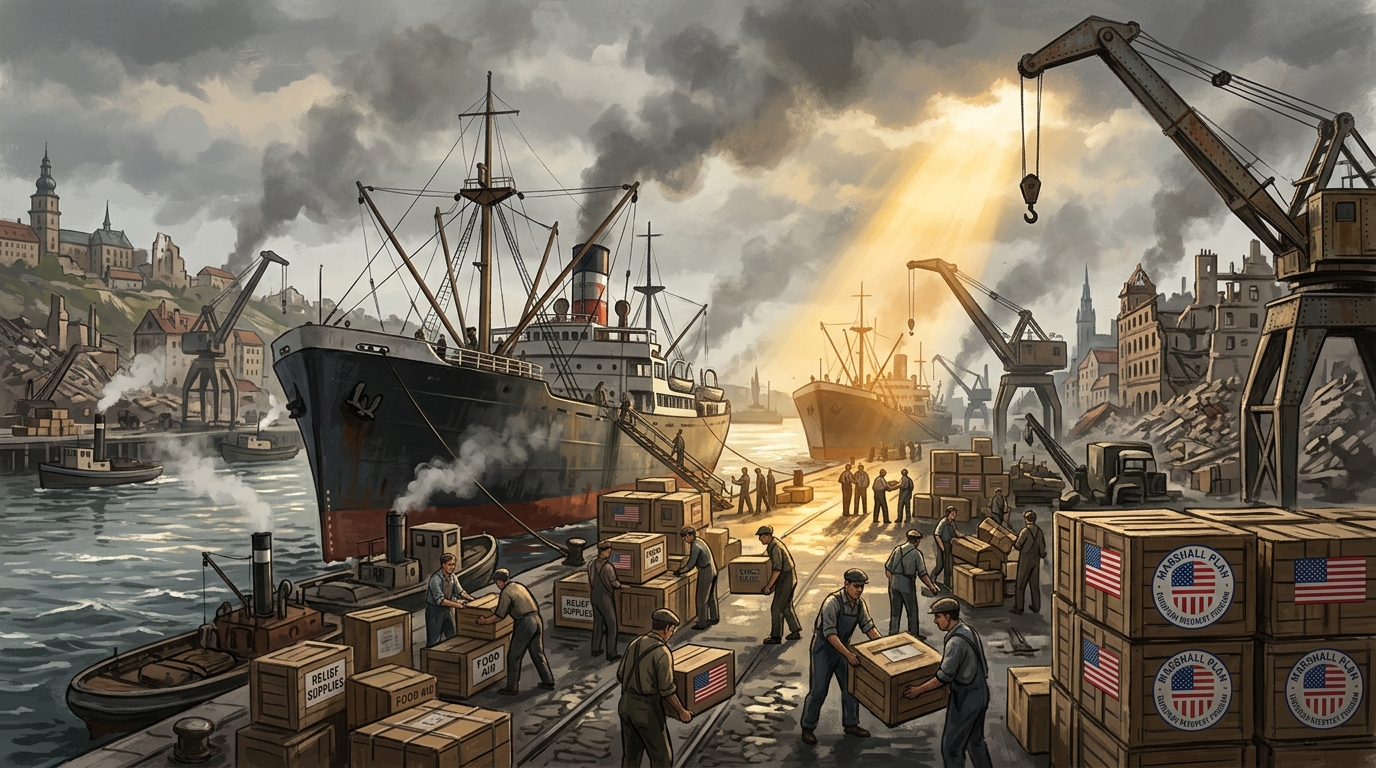
The Marshall Plan: Rebuilding Europe and Securing the Western Block
An analysis of the largest economic recovery program in history and its role in preventing the spread of Soviet influence in Western Europe.

The Truman Doctrine: Launching the Policy of Containment and the Cold War
How Harry Truman's historic 1947 speech laid the foundation for American foreign policy and defined the global confrontation with communism.