Country: Romania
Collection of geopolitical papers, conflicts, and diplomatic crises involving Romania.
Published Chronicles & Analyses
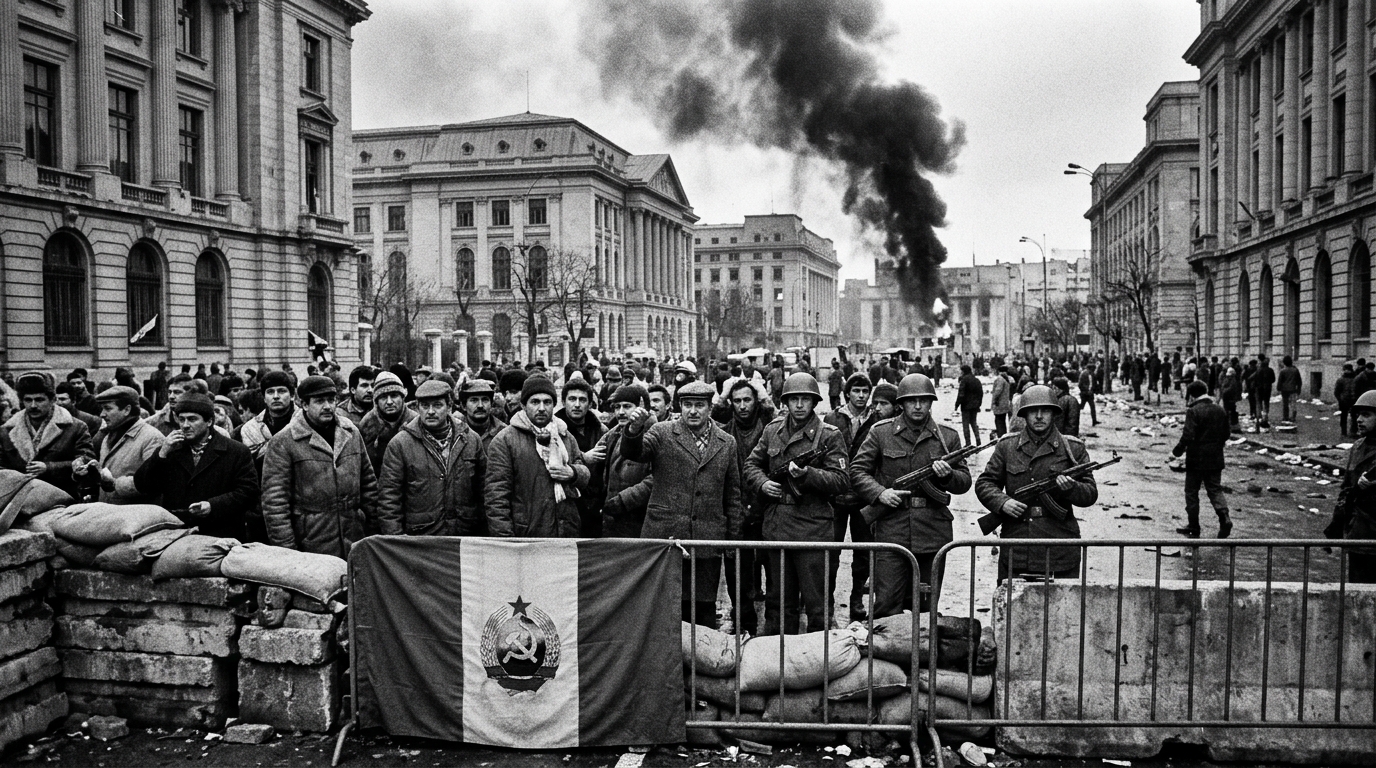
The Romanian Revolution of 1989: The Violent Fall of Ceausescu
The only violent revolution in the Eastern Bloc: the popular uprising in Timisoara and Bucharest, the flight of Ceausescu, and his execution.
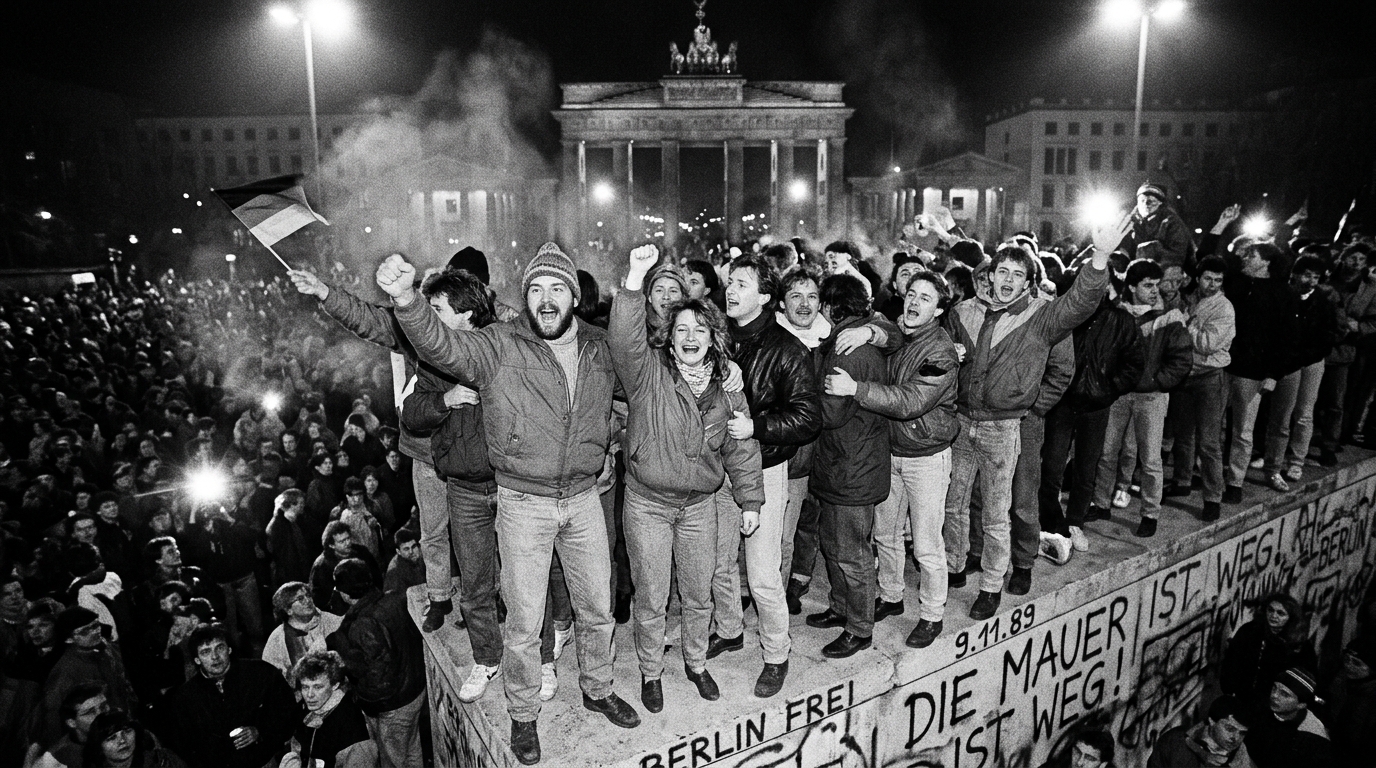
The Fall of the Berlin Wall in 1989: The Collapse of the Iron Curtain
The historic scenes in November 1989 as citizens brought down the wall, marking the symbolic end of communist rule in Eastern Europe.
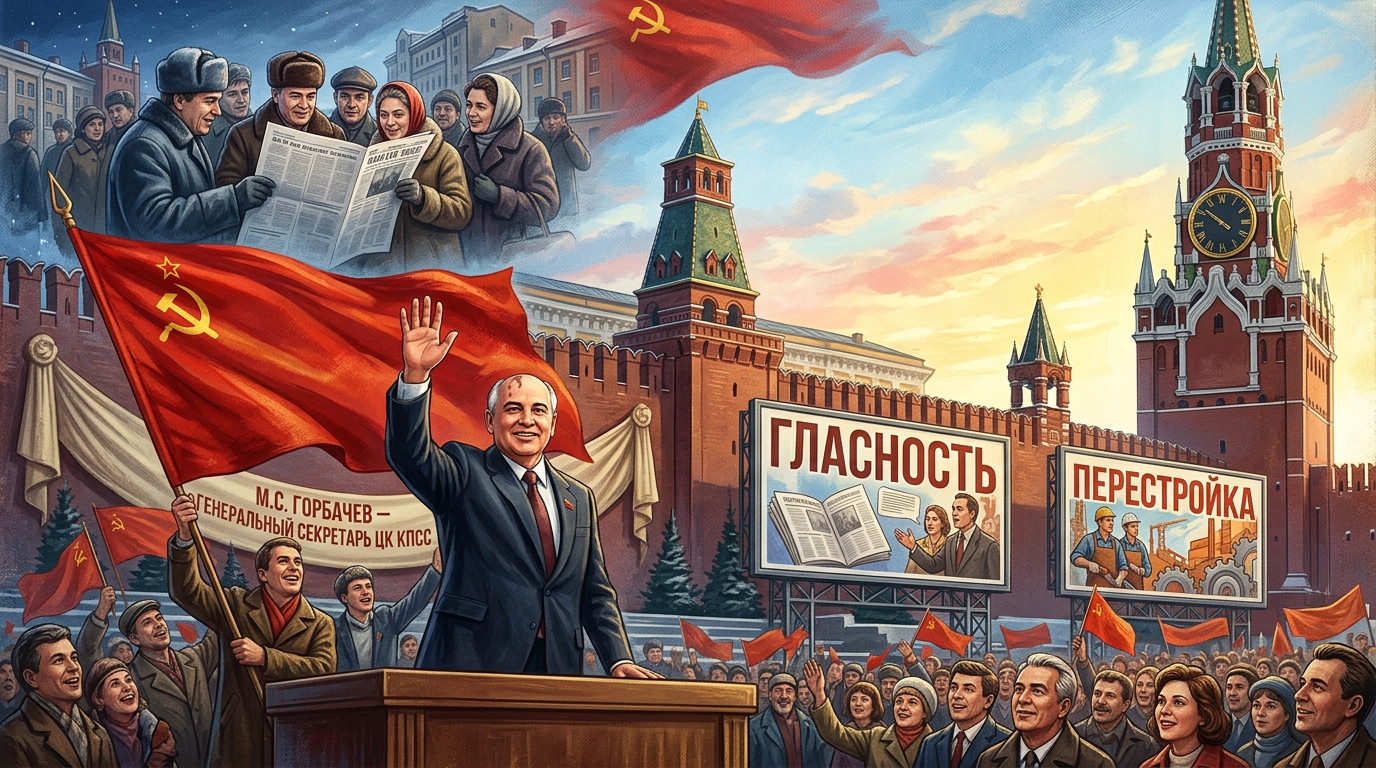
The Rise of Mikhail Gorbachev in 1985: Launching Glasnost and Perestroika
The election of the youngest General Secretary in Soviet history, his attempts to reform the rigid Soviet system, and the unexpected path to dissolution.
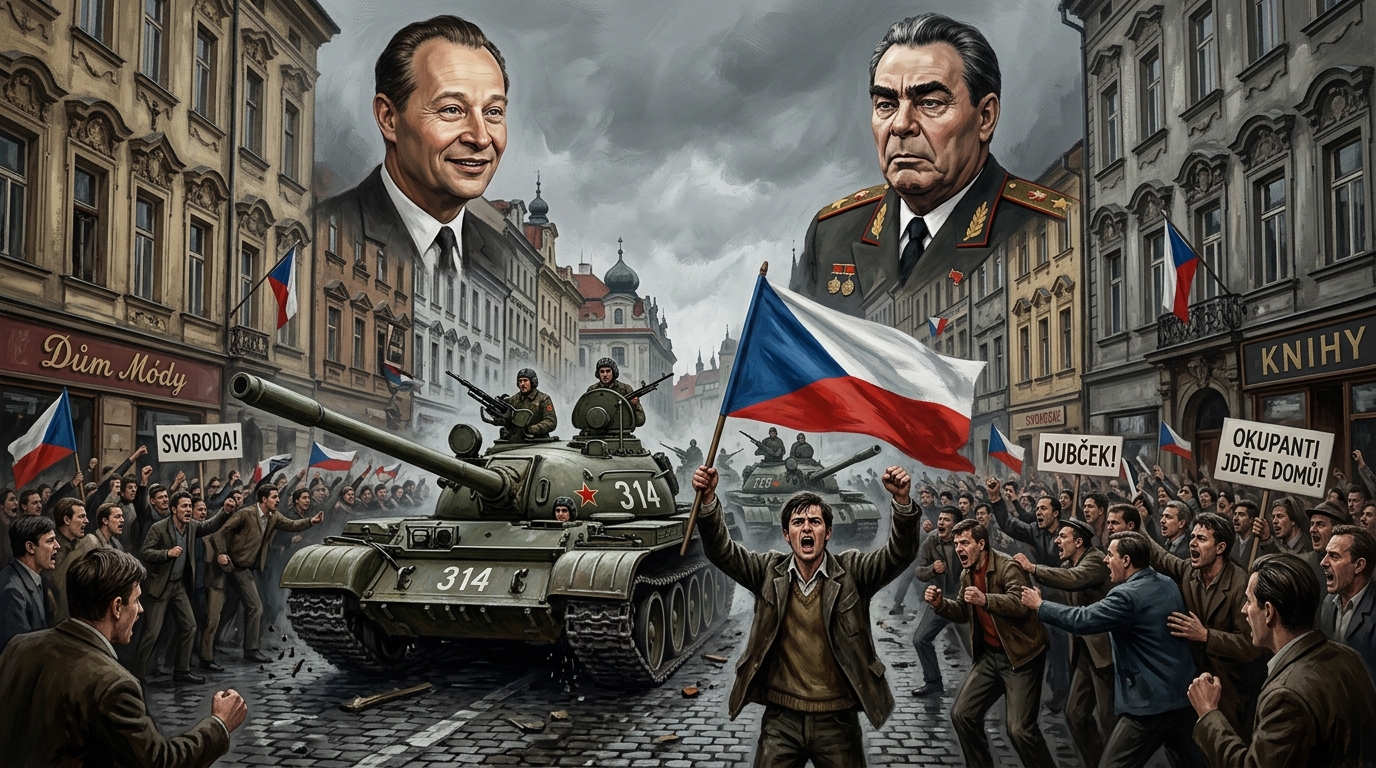
The Prague Spring of 1968: The Warsaw Pact Invasion of Czechoslovakia
The attempts to reform socialism ('socialism with a human face') in Czechoslovakia and Moscow's brutal response by sending Warsaw Pact troops.
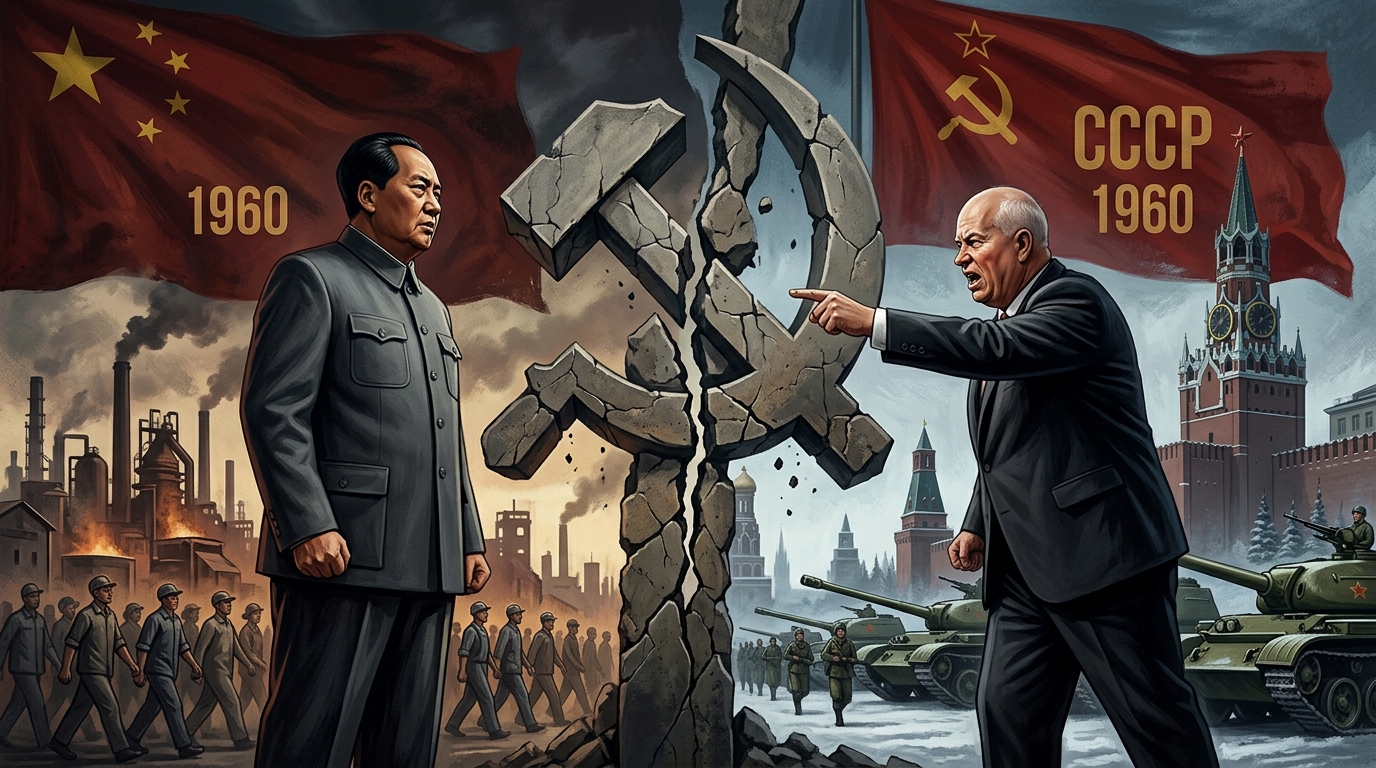
The Sino-Soviet Split: The Great Schism of the Communist World
How the two largest communist regimes in the world turned from close allies into bitter enemies and geopolitical rivals.
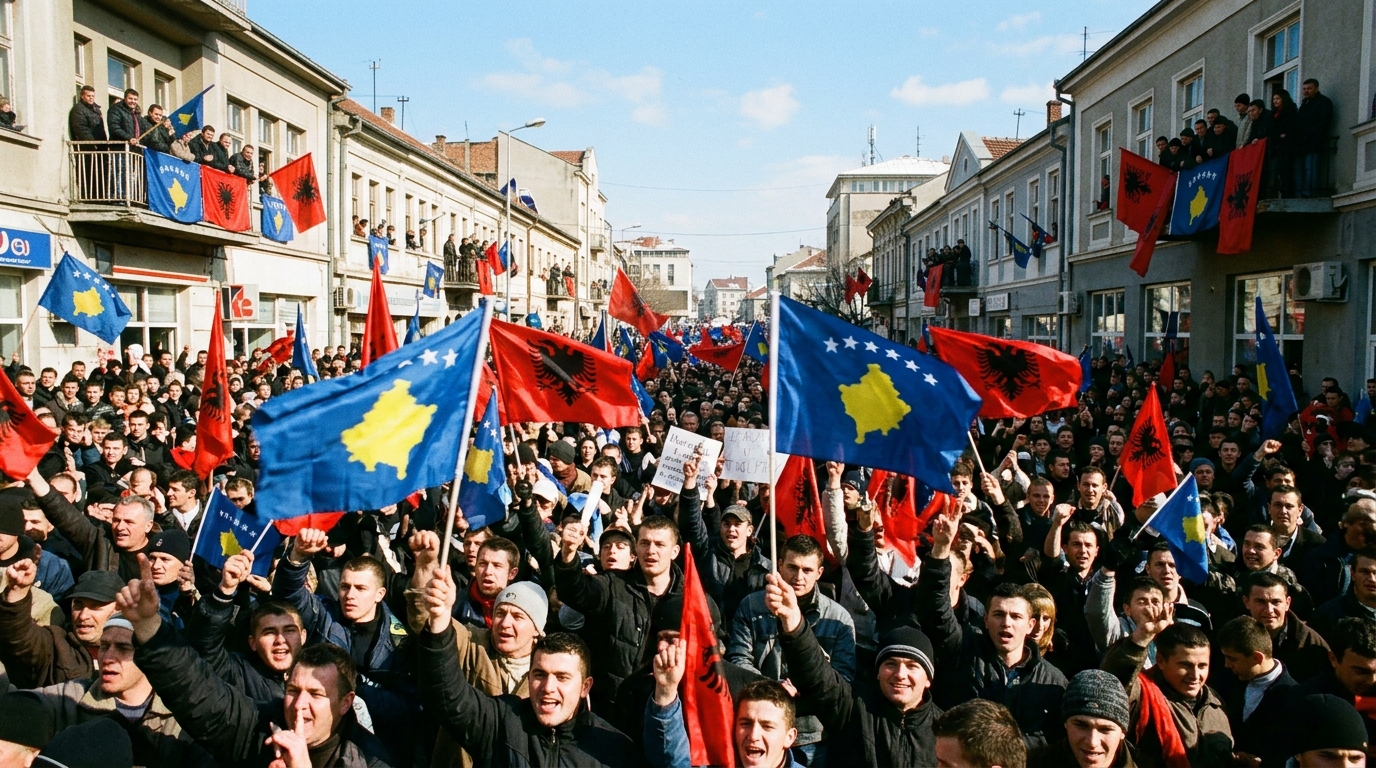
The 2008 Kosovo Declaration of Independence: Geopolitical Dispute
An in-depth analysis of the 2008 Kosovo declaration of independence, exploring its deep historical roots, the complex diplomatic failures, profound geopolitical ramifications, and its lasting impact on international law and state-building in the Balkans. It delves into the interplay of ethno-nationalism, great power rivalries, and the contentious principle of remedial secession.
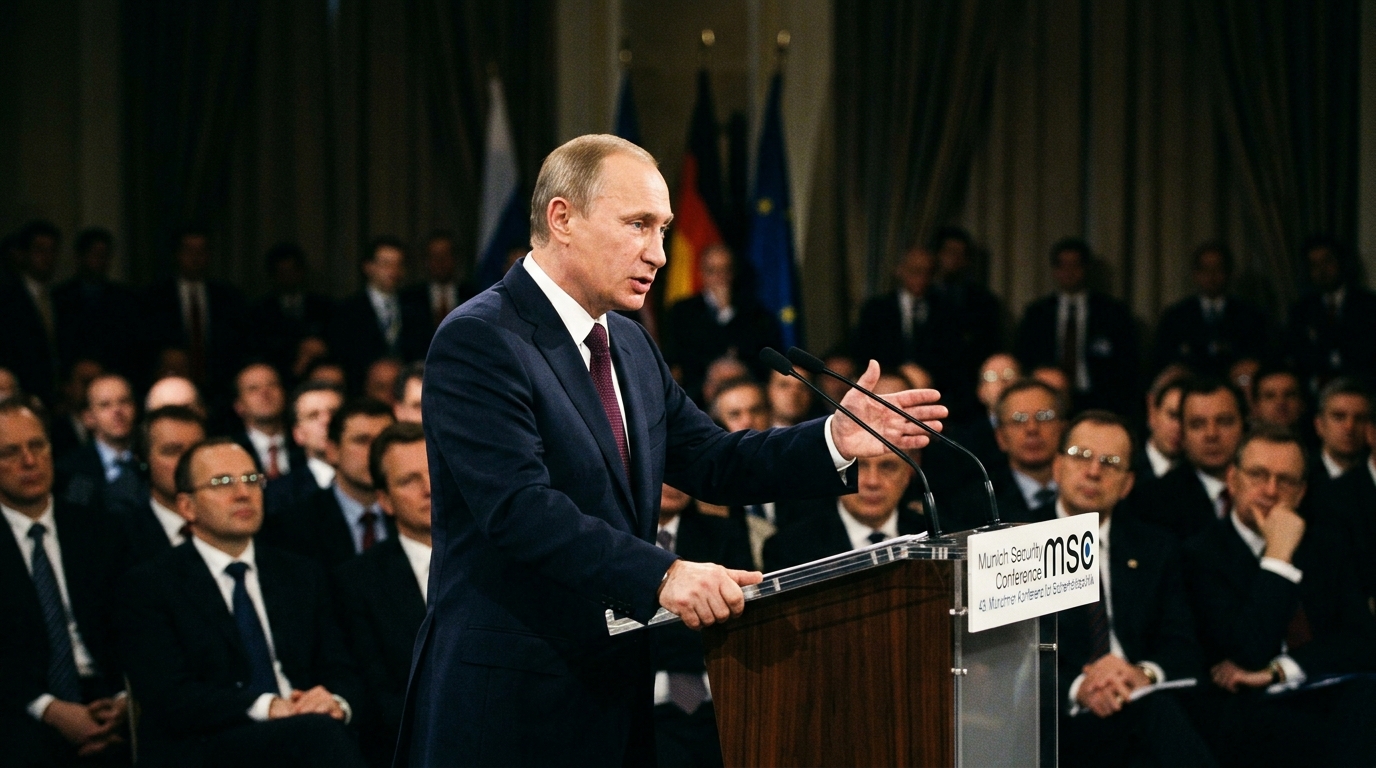
Vladimir Putin's 2007 Munich Speech: The Rejection of the Unipolar World
Vladimir Putin's landmark 2007 address at the Munich Security Conference, where he vehemently criticized perceived US dominance and unilateralism, is widely regarded as a pivotal moment marking Russia's definitive break from post-Cold War integration with the West and the formal articulation of a new, confrontational foreign policy centered on multipolarity. This speech laid the groundwork for Russia's assertive actions in the subsequent decades.
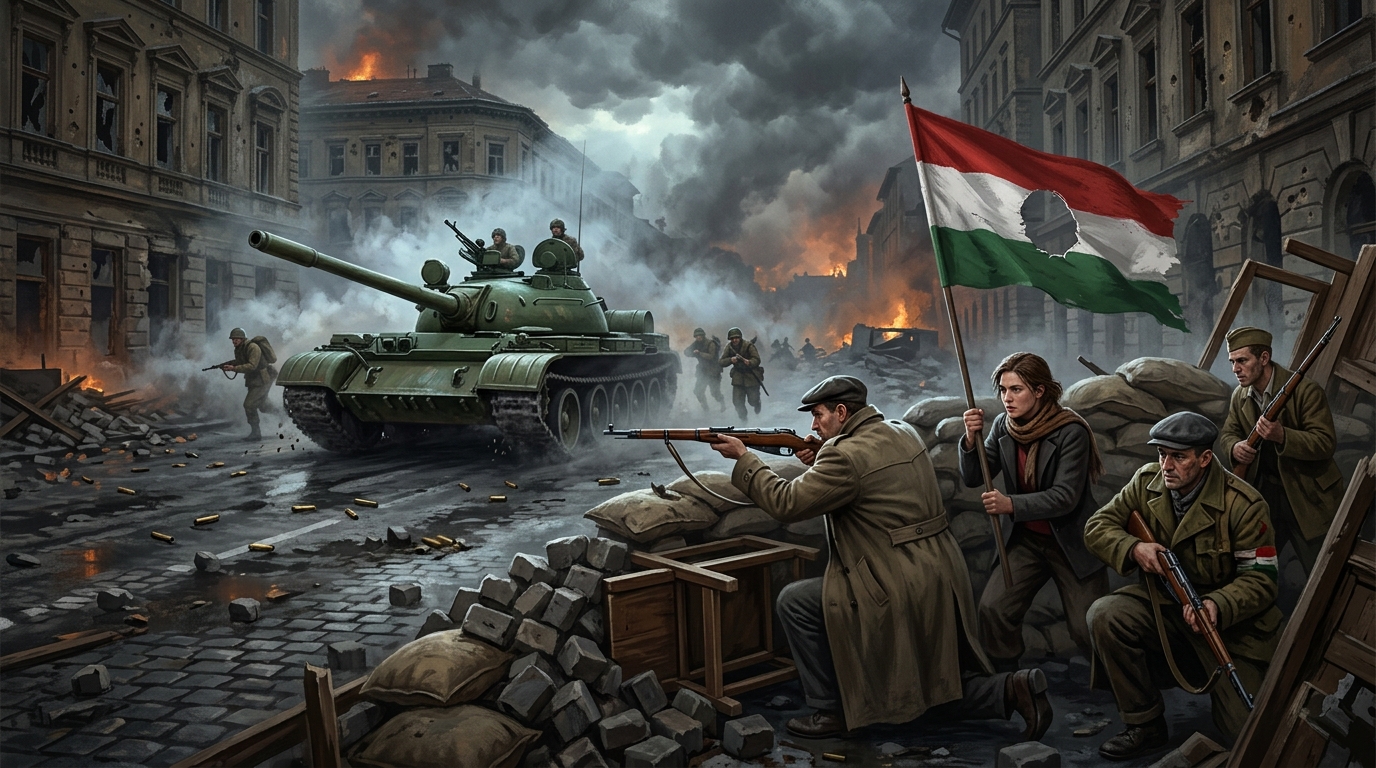
The Hungarian Revolution of 1956: Soviet Tanks in Budapest
A popular uprising against Soviet control, the attempt to establish a multi-party democracy, and the brutal military response of the Red Army.
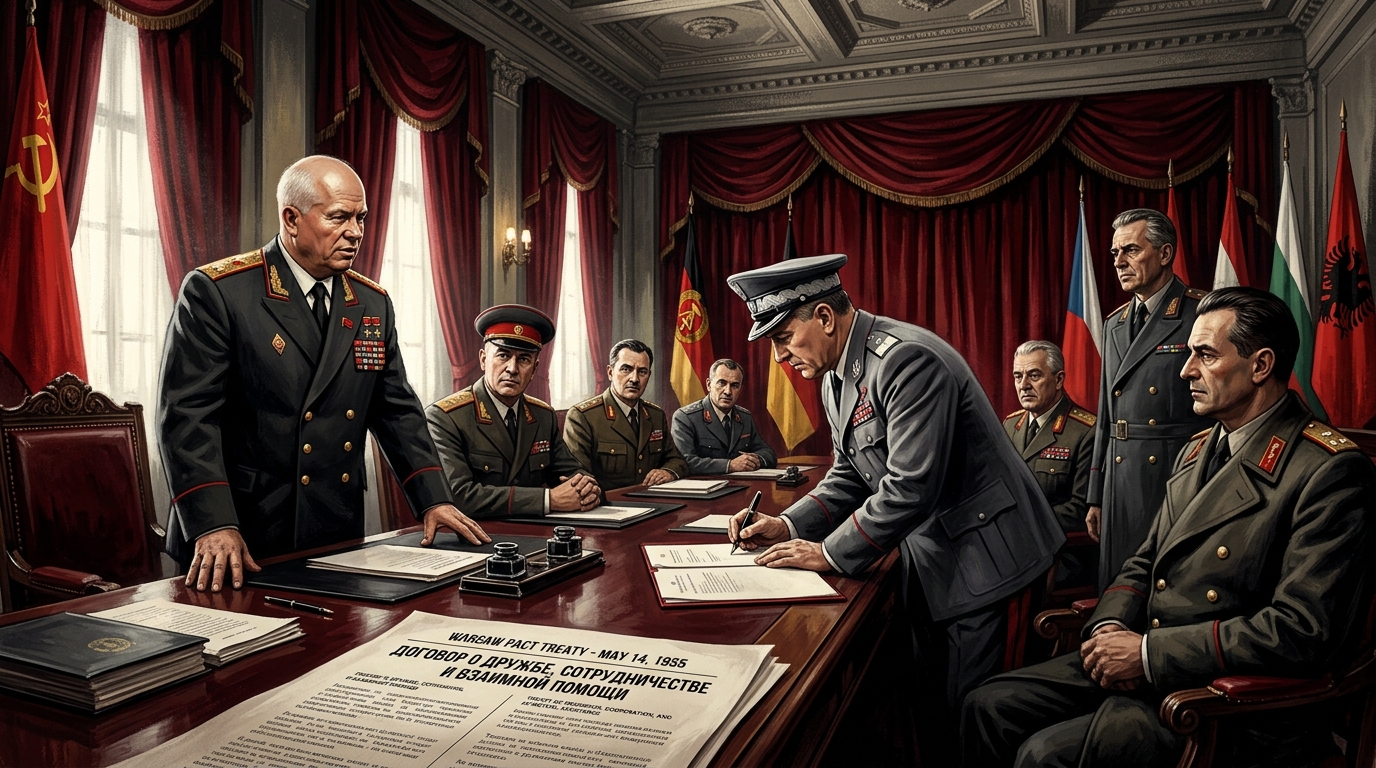
The Warsaw Pact of 1955: The Soviet Military Response to the West
The creation of the Eastern Bloc military alliance in response to the remilitarization of West Germany and its entry into NATO.
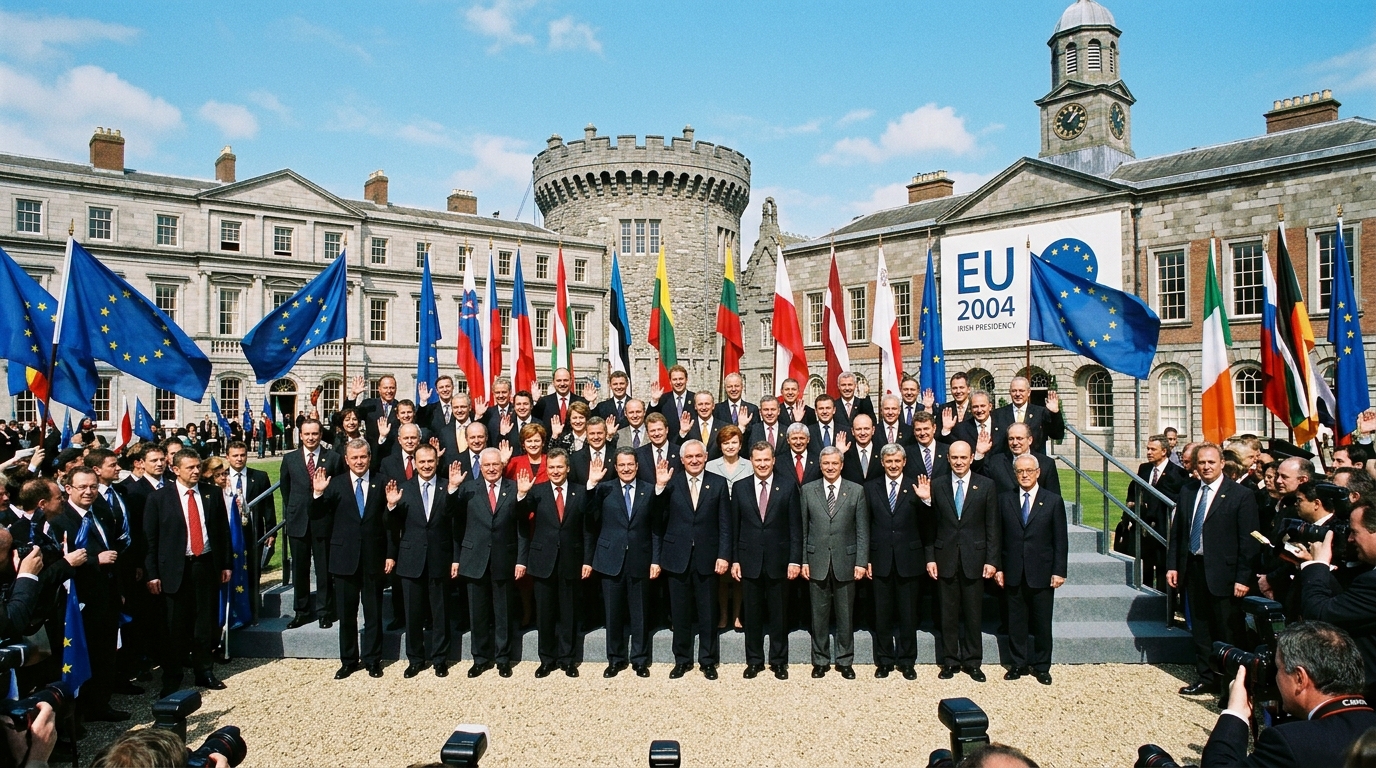
The 2004 Big Bang Enlargement of the European Union
The 2004 Big Bang Enlargement of the European Union, a monumental post-Cold War undertaking, saw the admission of 10 new member states, predominantly from Central and Eastern Europe. This transformative event not only unified a continent artificially divided for half a century but also fundamentally reshaped the EU's institutional dynamics, economic landscape, and geopolitical standing, marking a pivotal moment in European integration history.
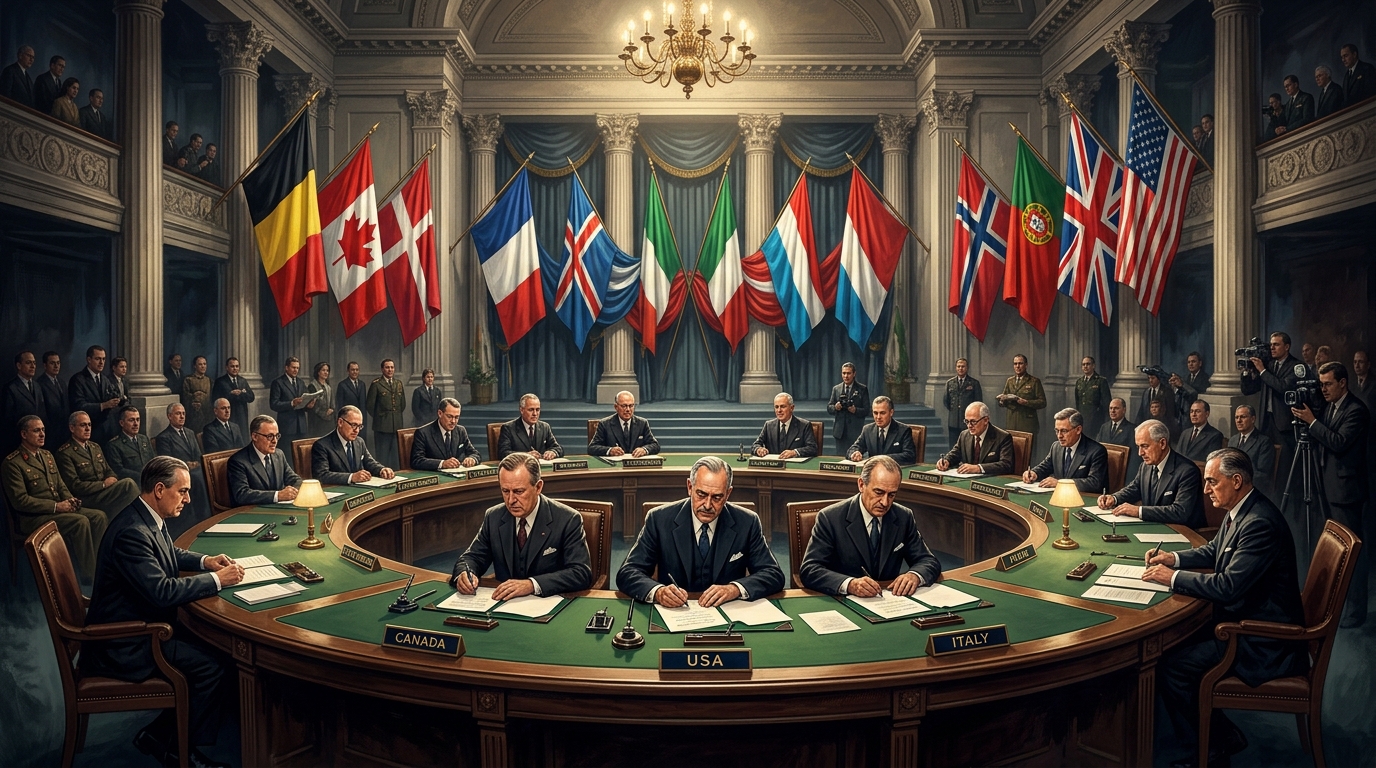
The Formation of NATO in 1949: Establishing the Western Alliance
The founding of the North Atlantic Treaty Organization and the establishment of collective defense as the core pillar of Western security.
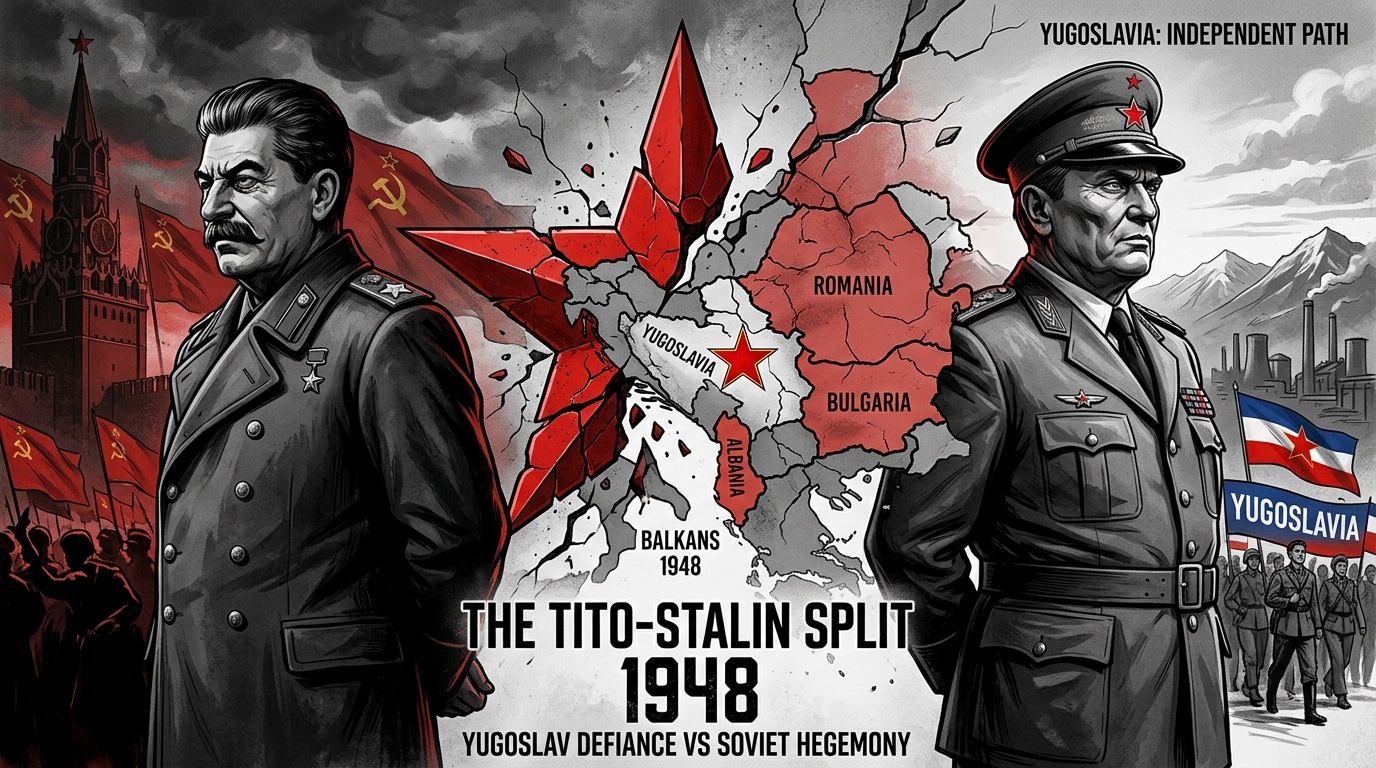
The Soviet-Yugoslav Split of 1948: How Tito Defied Stalin
An analysis of the biggest ideological and political earthquake in the communist world: how Yugoslavia said 'no' to Stalin and survived Soviet threats.
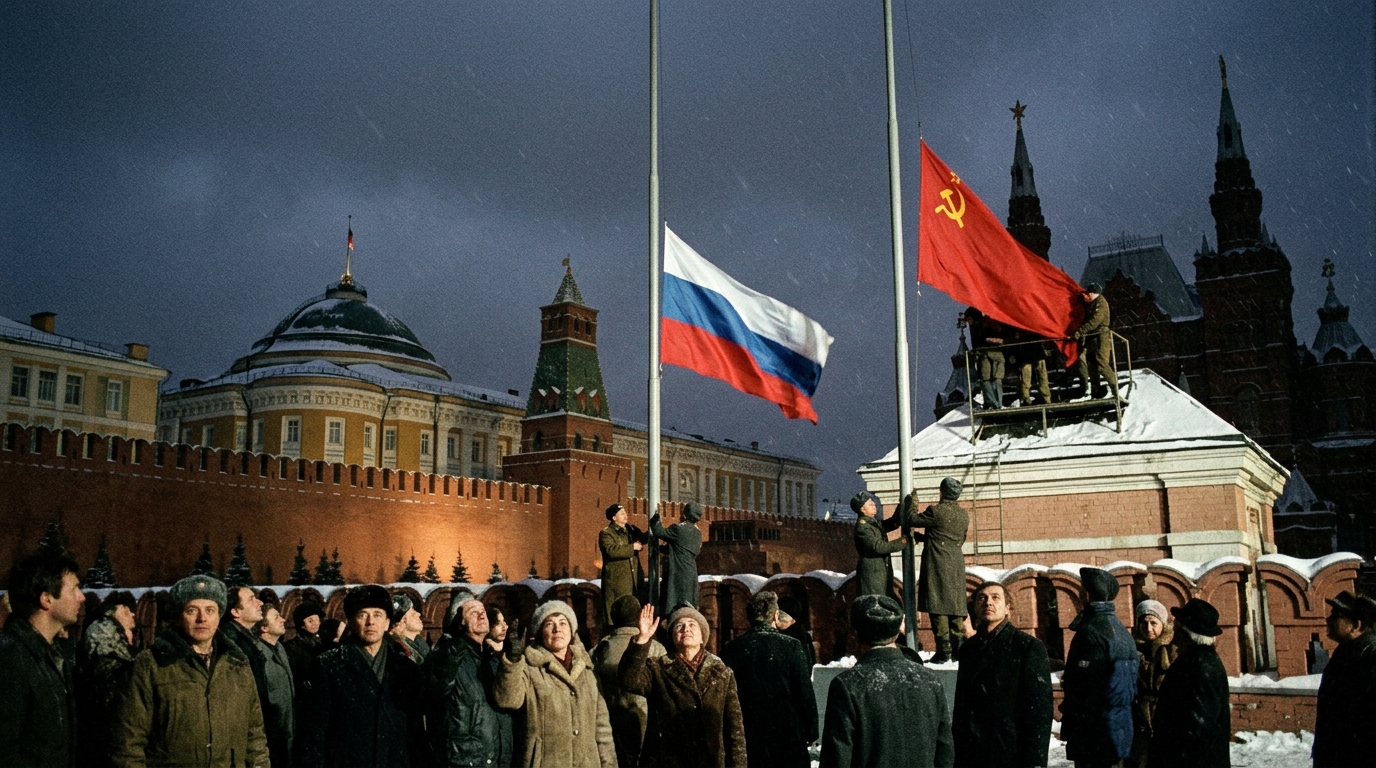
The Dissolution of the Soviet Union in 1991: End of the Red Empire
The August coup attempt by hardliners in Moscow, the rise of Boris Yeltsin, the Belovezha Accords, and the lowering of the Soviet flag on Christmas Day.
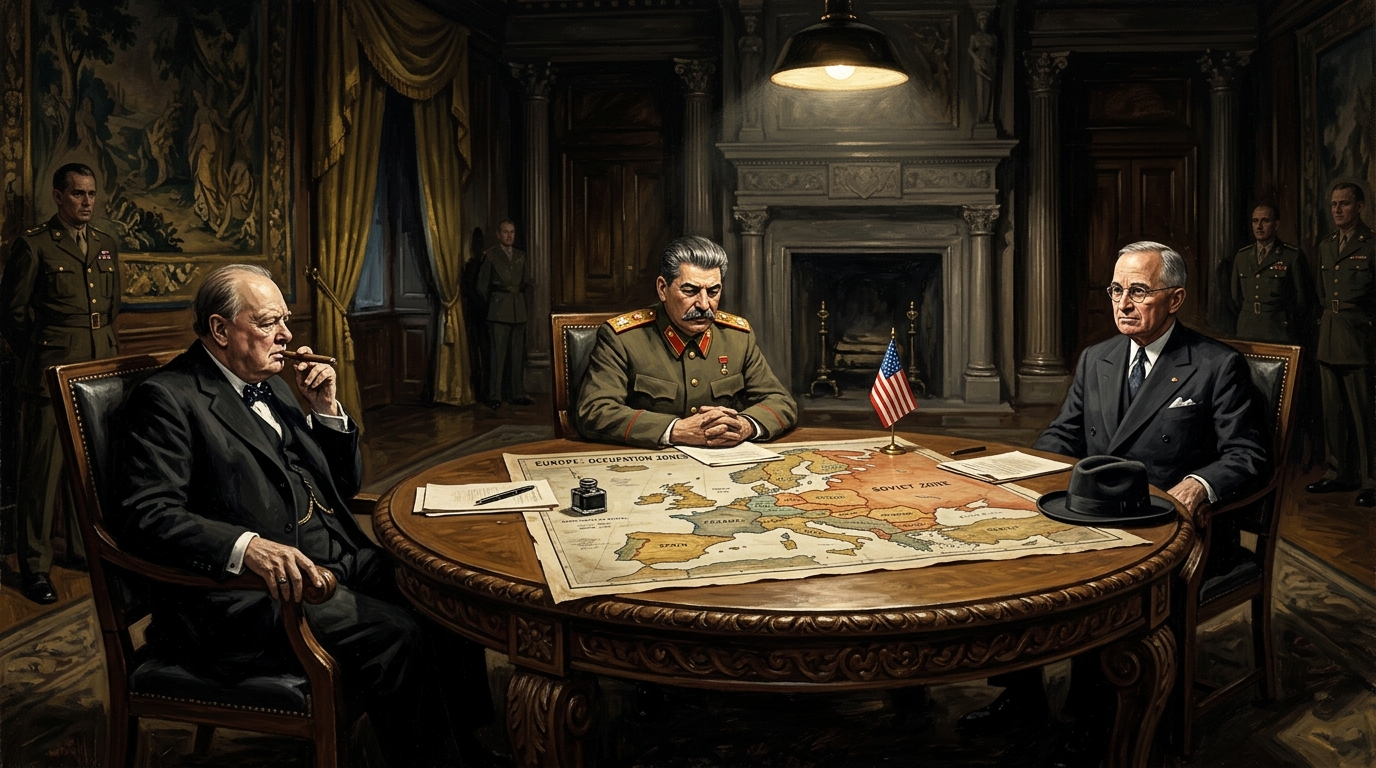
The Potsdam Conference: The Division of Europe and the Dawn of the Cold War
A detailed analysis of the 1945 Potsdam Conference, the final meeting of the Big Three and the beginning of the geopolitical split of Europe.