Leader: Viktor Yushchenko
Geopolitical analyses and chronicles addressing the decisions, influence, and historical impact of Viktor Yushchenko.
Published Chronicles & Analyses
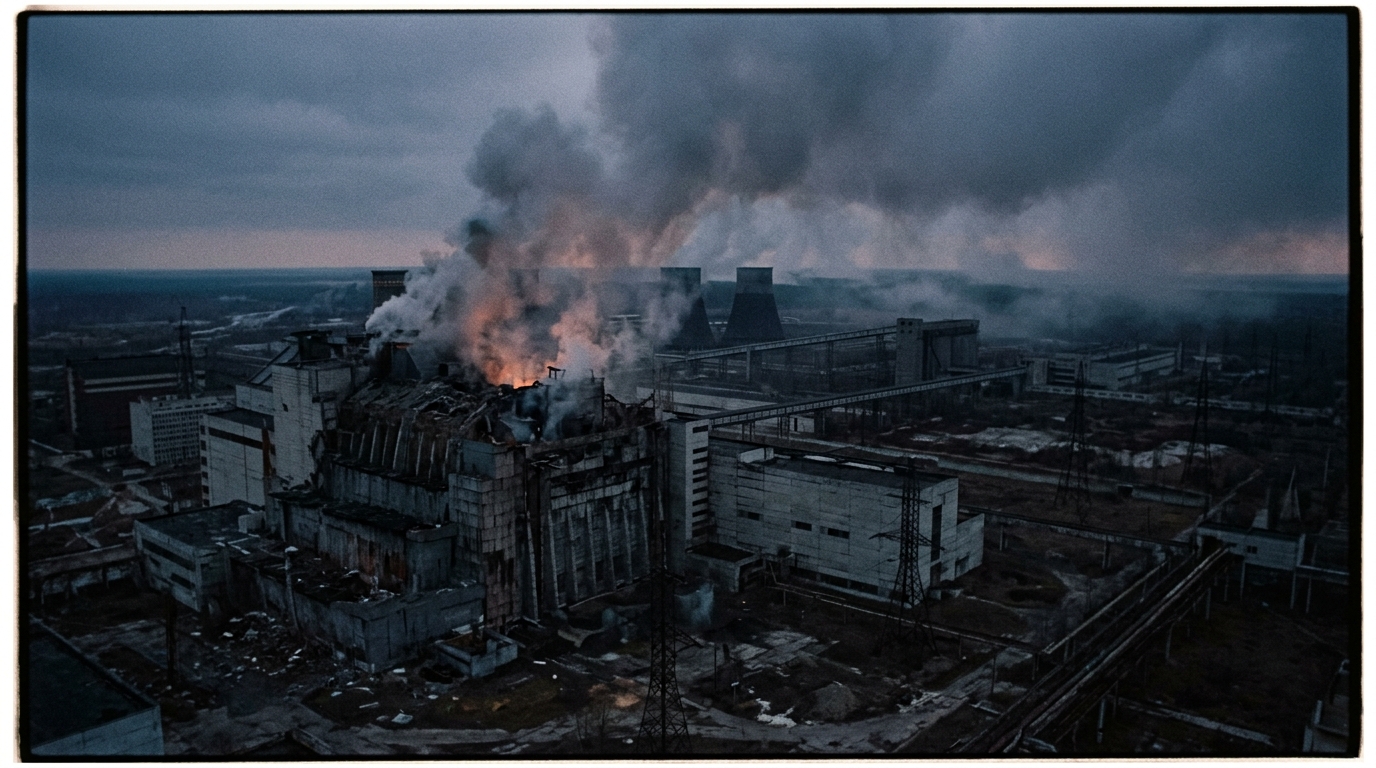
The Chernobyl Disaster of 1986: The Meltdown of the Soviet System
The explosion of Reactor No. 4, the initial government cover-up, and how the tragedy exposed the deep systemic flaws of the Soviet Union.
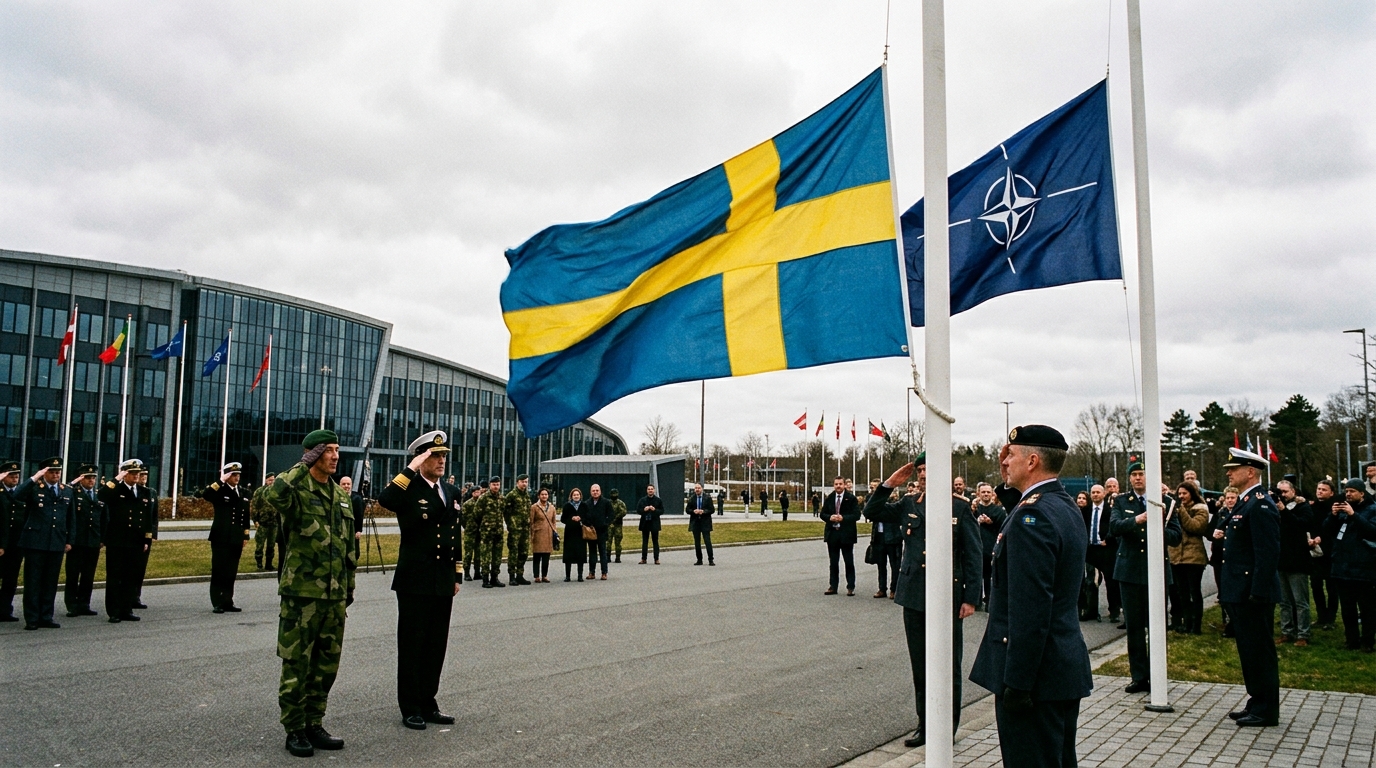
Sweden Joins NATO in 2024: The End of Two Centuries of Non-Alignment
Sweden's accession to NATO in 2024 concludes two centuries of non-alignment, reshaping the Baltic Sea security landscape and profoundly influencing Northern European geopolitics following the formal deposit of its instrument of accession.
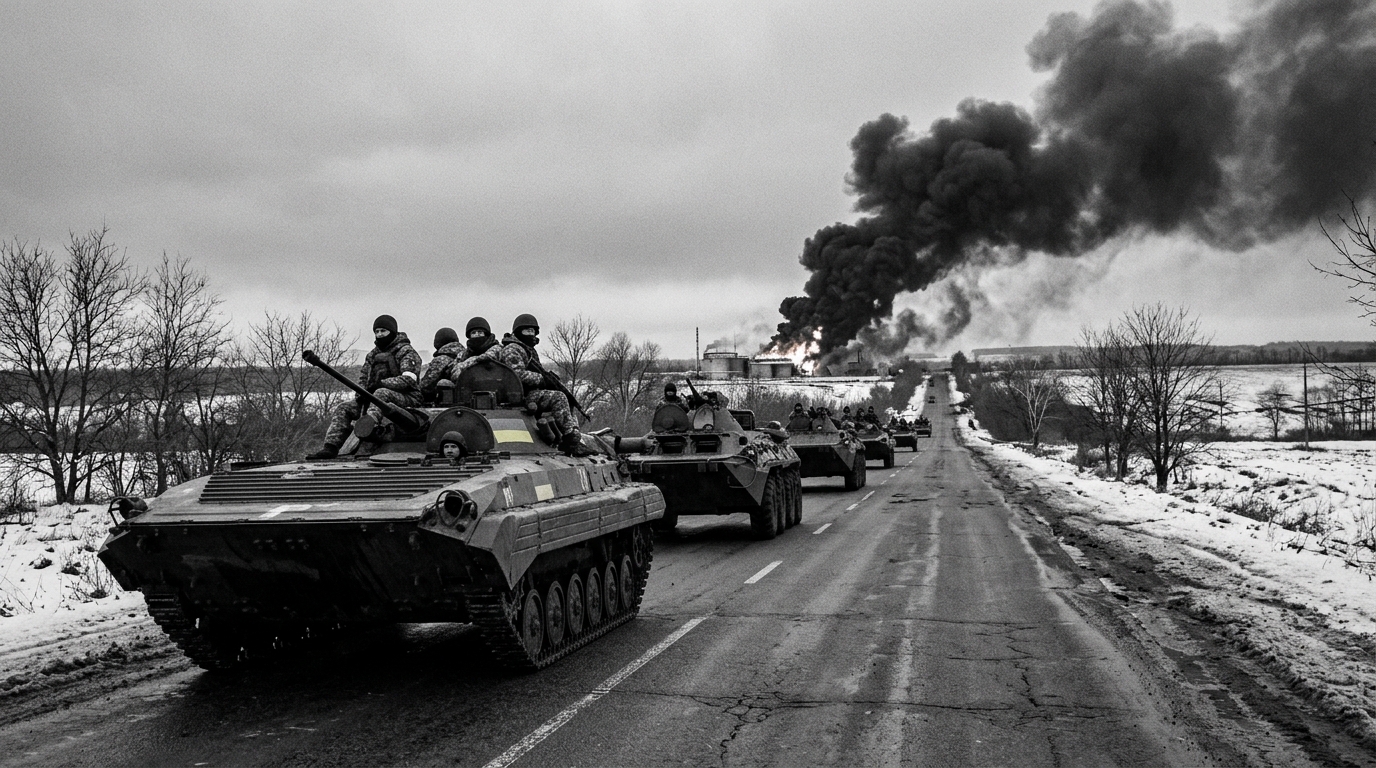
The 2022 Russian Invasion of Ukraine: Outbreak of Large-Scale European War
A comprehensive analysis of Russia's full-scale invasion of Ukraine in 2022, detailing its historical roots, the opening campaigns, geopolitical fallout, the roles of key actors, and its profound impact on global security and international law. This article explores the military strategies, diplomatic failures, economic consequences, and the evolving historiography of the largest conventional conflict in Europe since World War II.
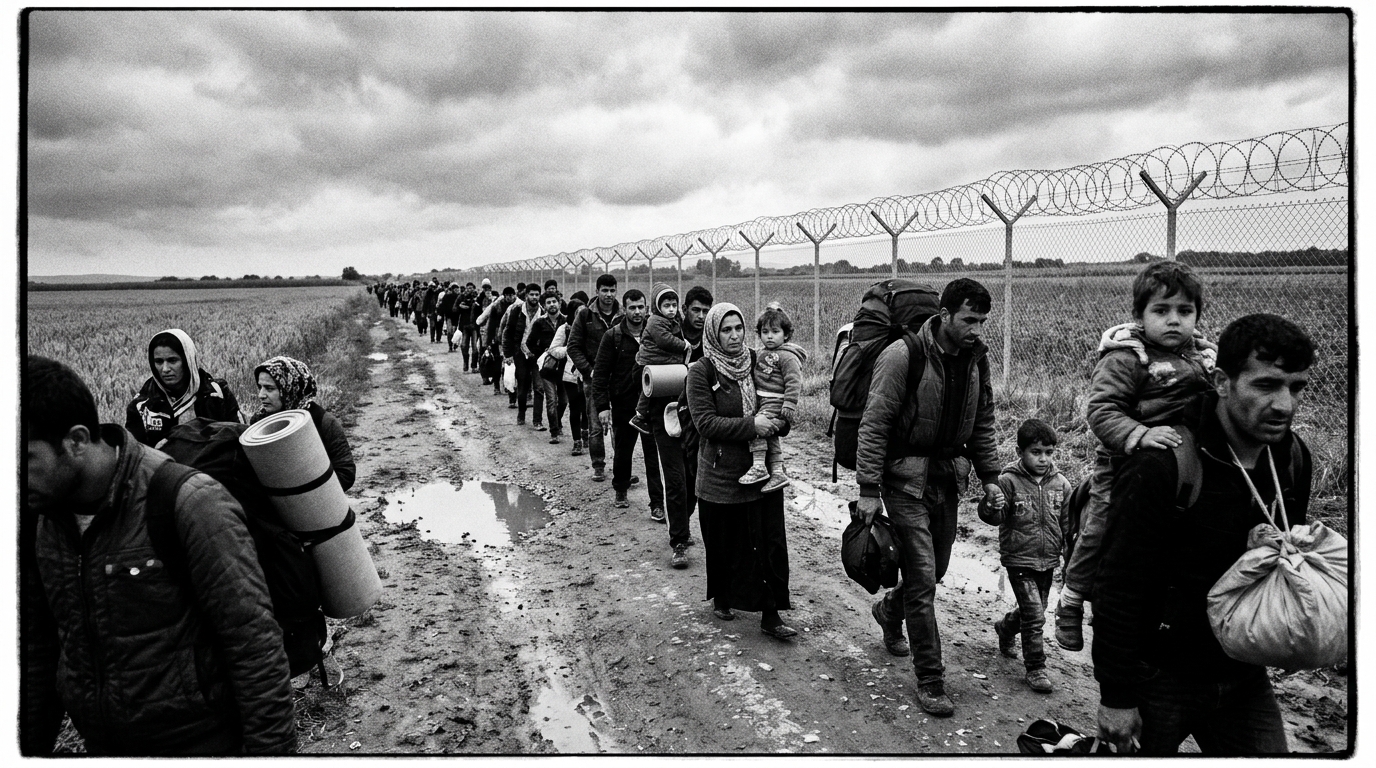
The 2015 European Migrant Crisis: A Million Refugees Seek Asylum
An in-depth analysis of the 2015 European Migrant Crisis, detailing its complex origins in regional instability, the collapse of EU asylum frameworks, Chancellor Merkel's pivotal 'Wir schaffen das' decision, the profound geopolitical realignment within the EU, the rise of nationalist movements, and the lasting socio-economic challenges of integration.
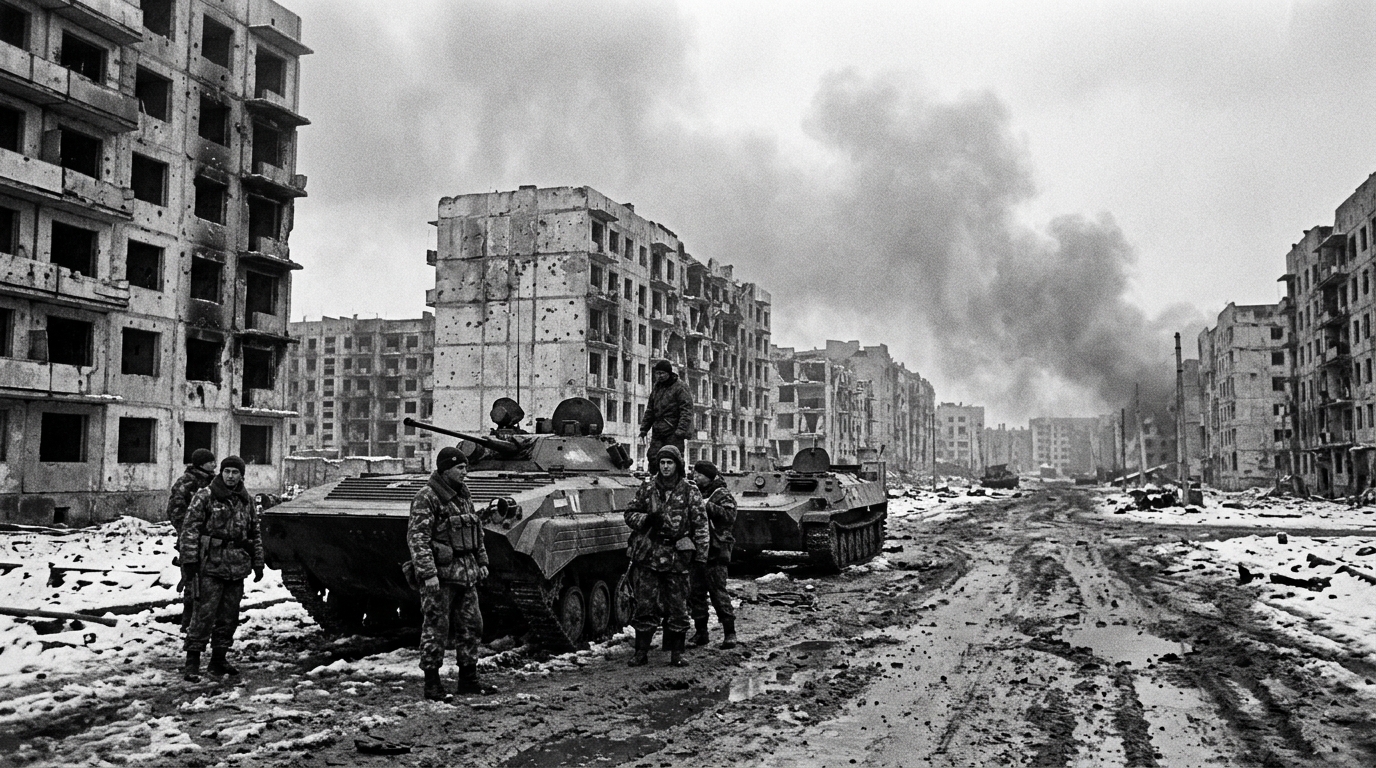
The Second Chechen War 1999: Vladimir Putin's Rise and the Destruction of Grozny
How apartment bombings in Russia and the incursions in Dagestan led to a decisive military response, launching Putin to the presidency.
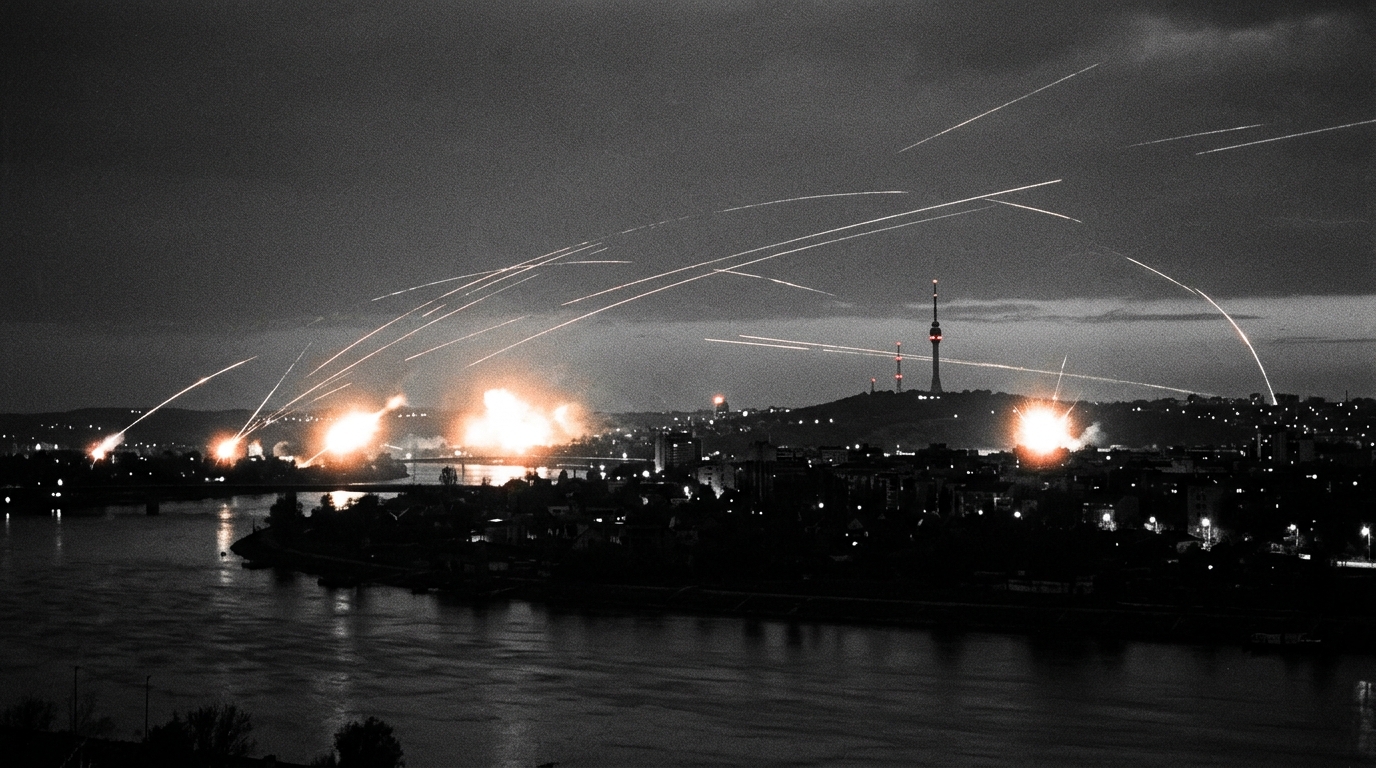
The 1999 NATO Bombing of Yugoslavia: A Humanitarian Intervention Without UN Approval
Operation Allied Force: 78 days of air strikes against SR Yugoslavia, leading to the Kumanovo Agreement and UN administration of Kosovo.
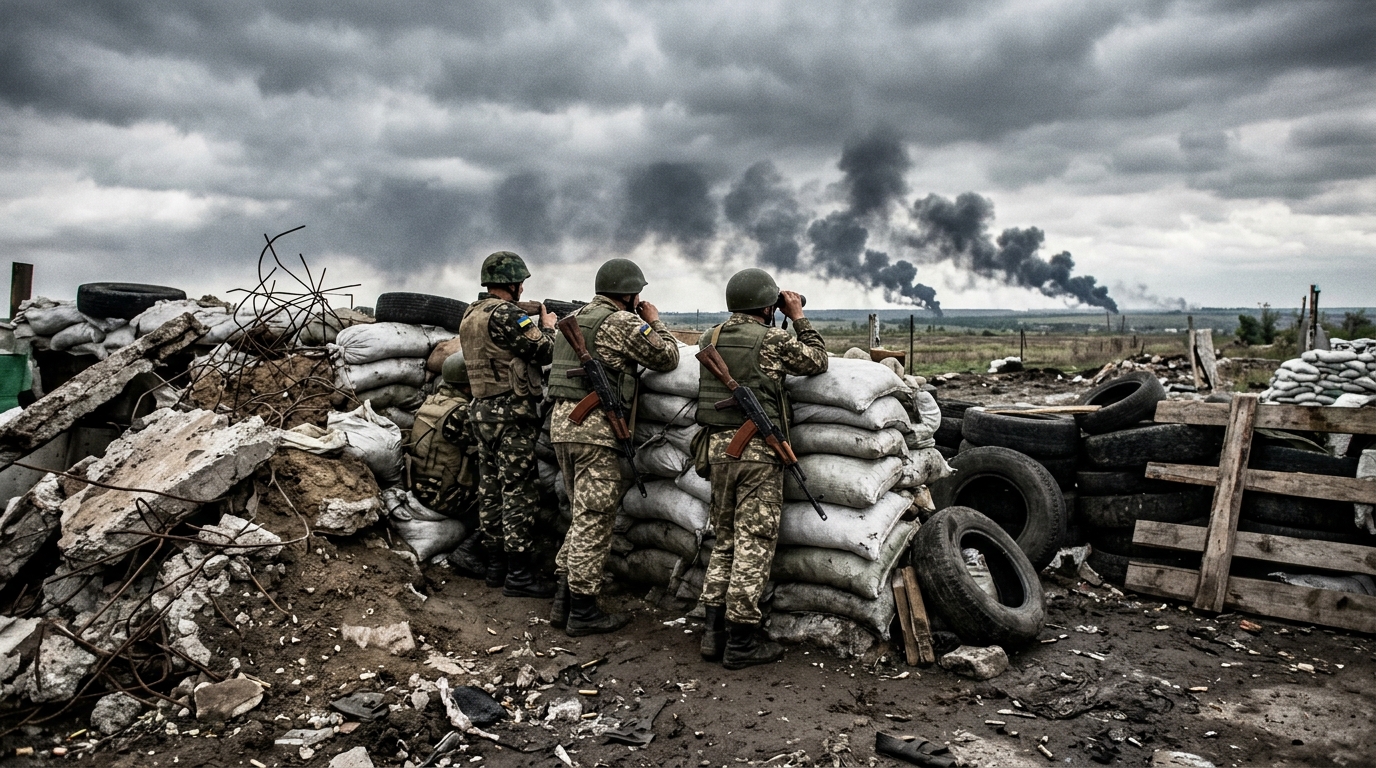
The Outbreak of the War in Donbas in 2014: Separatist Conflict in Ukraine
The declaration of Donetsk and Luhansk People's Republics, Kyiv's Anti-Terrorist Operation, and the start of a grinding trench war, examining the deep historical, geopolitical, and socio-economic factors.
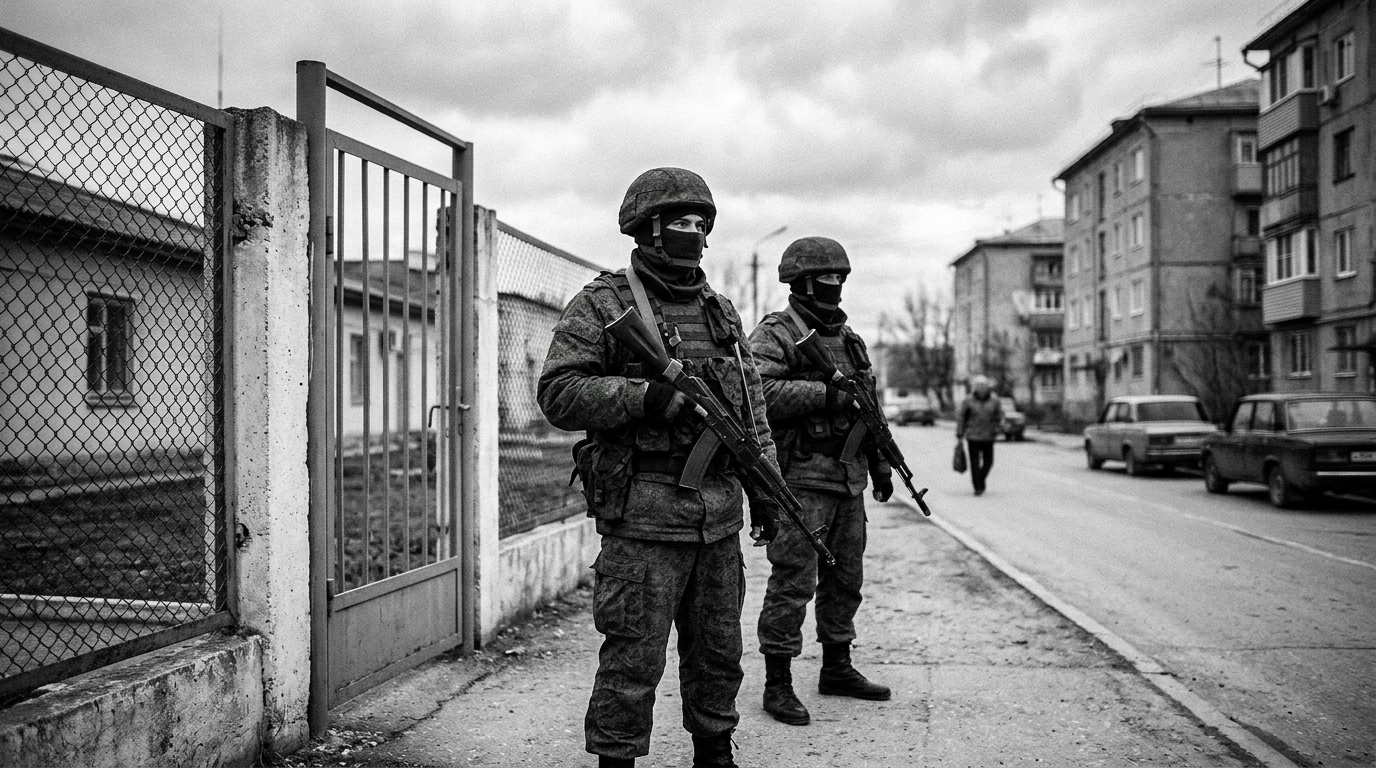
The Annexation of Crimea by Russia in 2014: Redrawing European Borders
The appearance of 'little green men' in Crimea, the flash referendum, and the formal treaty absorbing the peninsula into the Russian Federation.
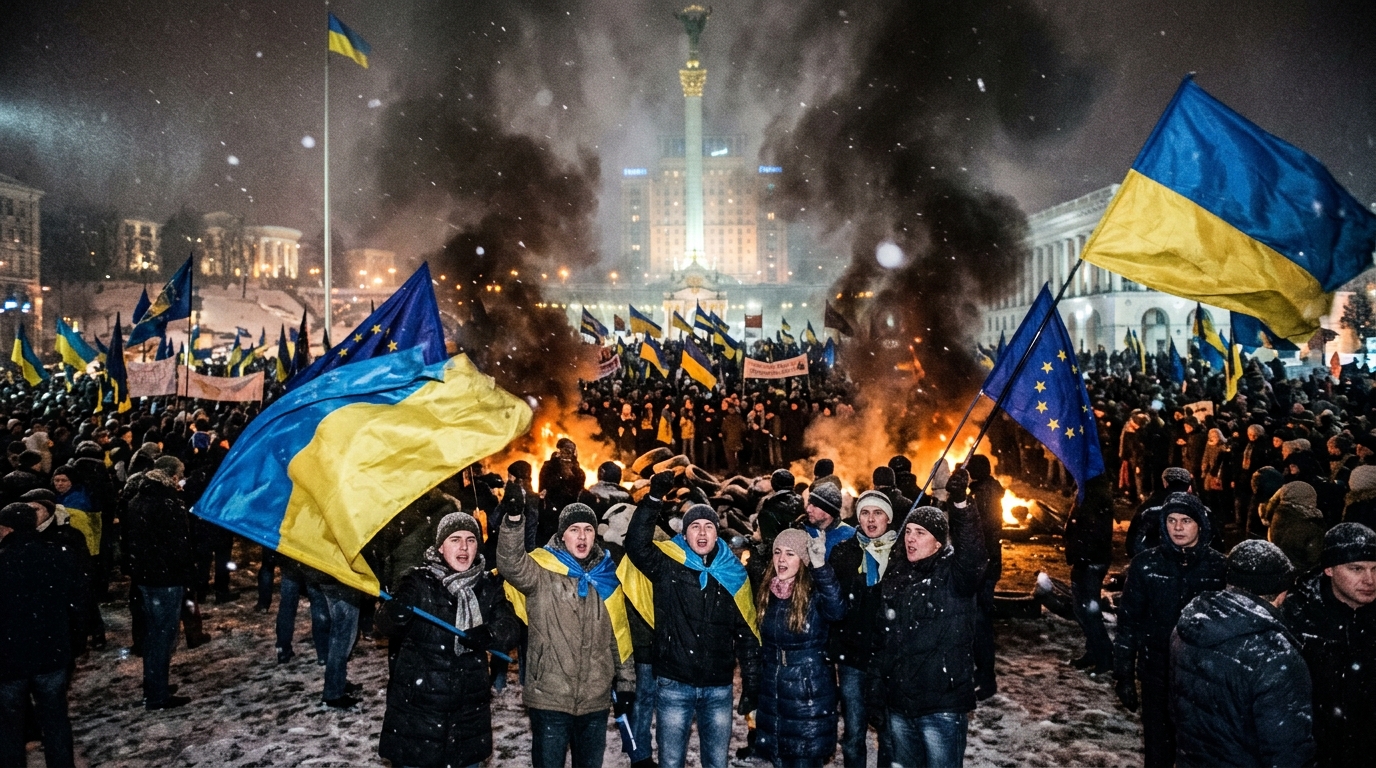
The Euromaidan Protests of 2013: Kyiv's Rejection of Moscow's Orbit
Yanukovych's suspension of the EU Association Agreement ignited massive protests in Kyiv, leading to deadly clashes and the president's flight to Russia, triggering a profound geopolitical realignment and a new era of conflict in Europe.
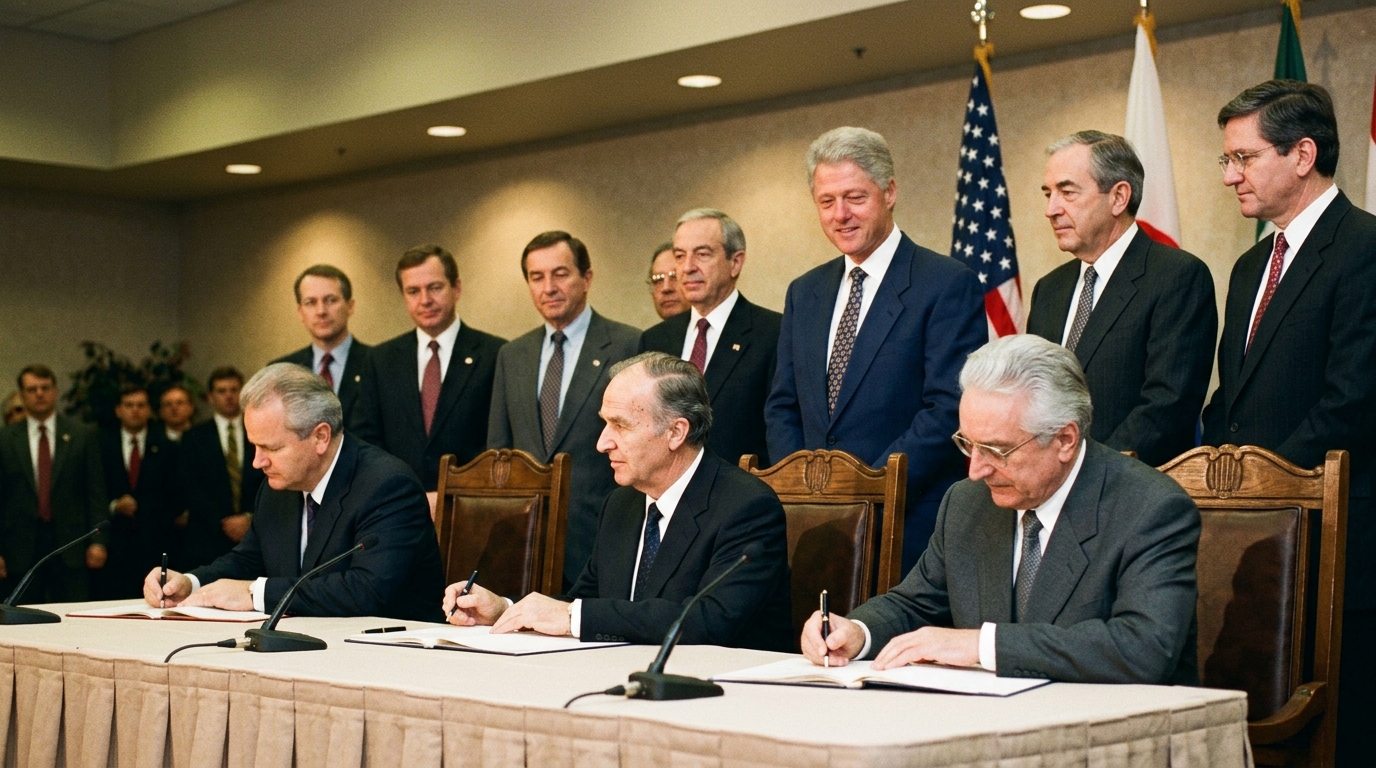
The Dayton Peace Agreement of 1995: The Architecture of Post-War Bosnia
Protracting negotiations in Dayton, Ohio, that stopped the war, dividing Bosnia into two highly autonomous entities.
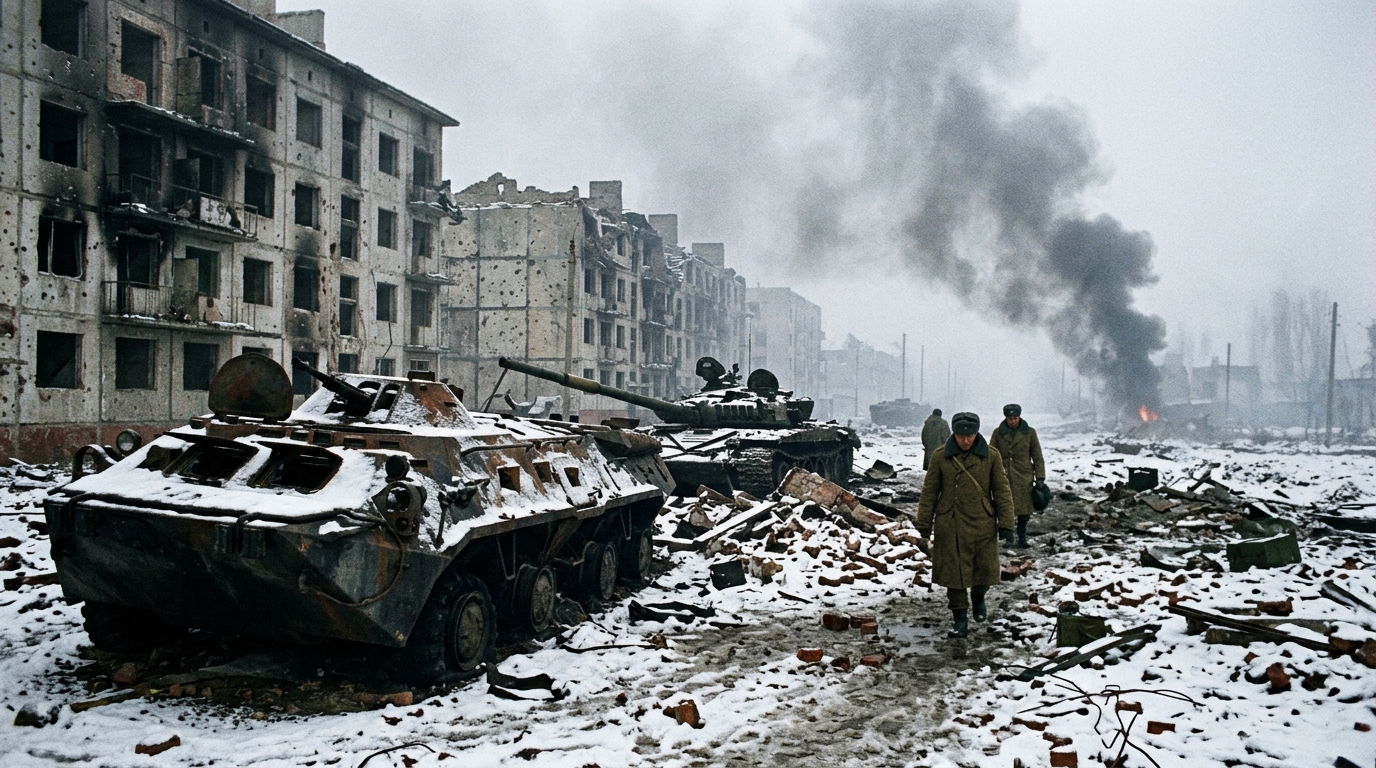
The First Chechen War 1994-1996: The Battle of Grozny and Russian Defeat
Yeltsin's decision to suppress Chechen independence by force, the disastrous losses in Grozny, and the humiliating Khasavyurt Accord.
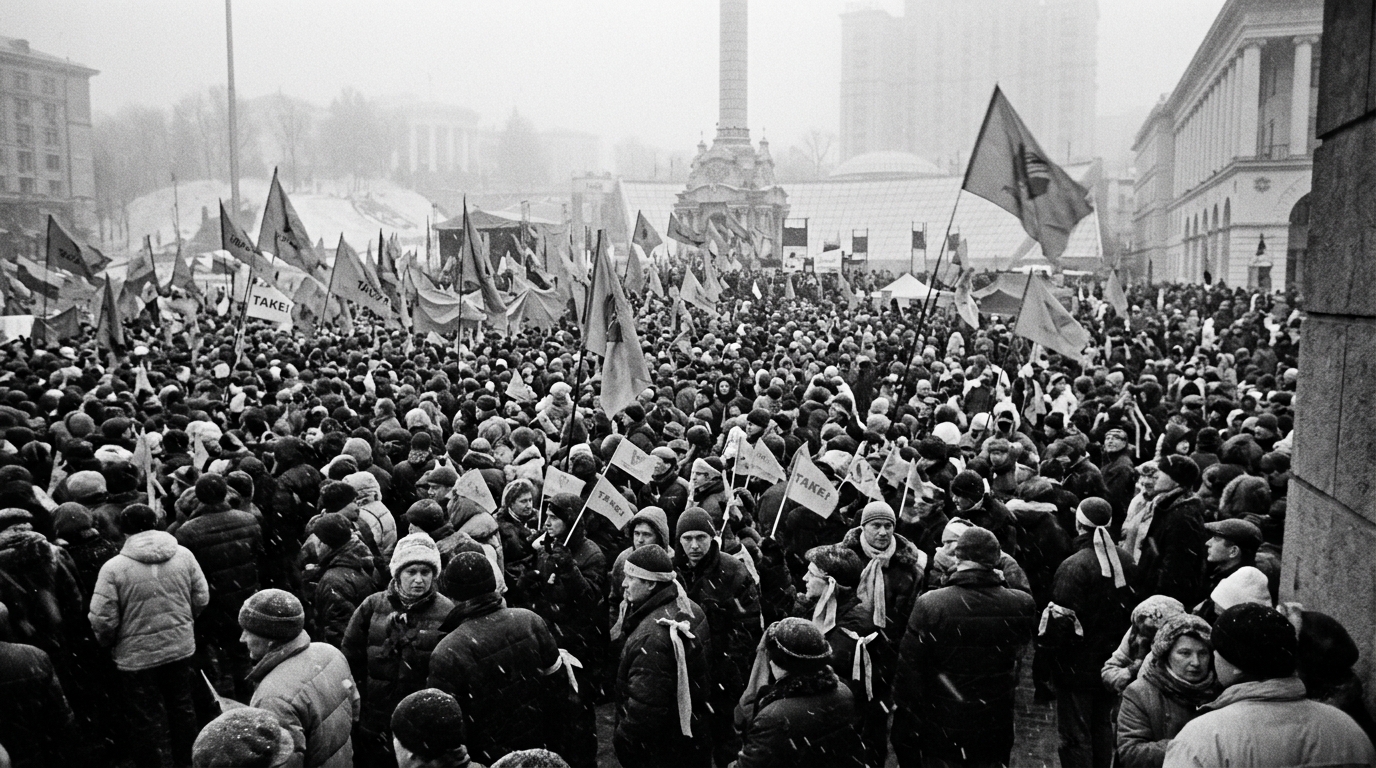
The Orange Revolution in Ukraine 2004: Kyiv's First Stand Against Election Rigging
Mass protests at Kyiv's Maidan following fraudulent election results, the poisoning of Yushchenko, and the court-ordered revote.
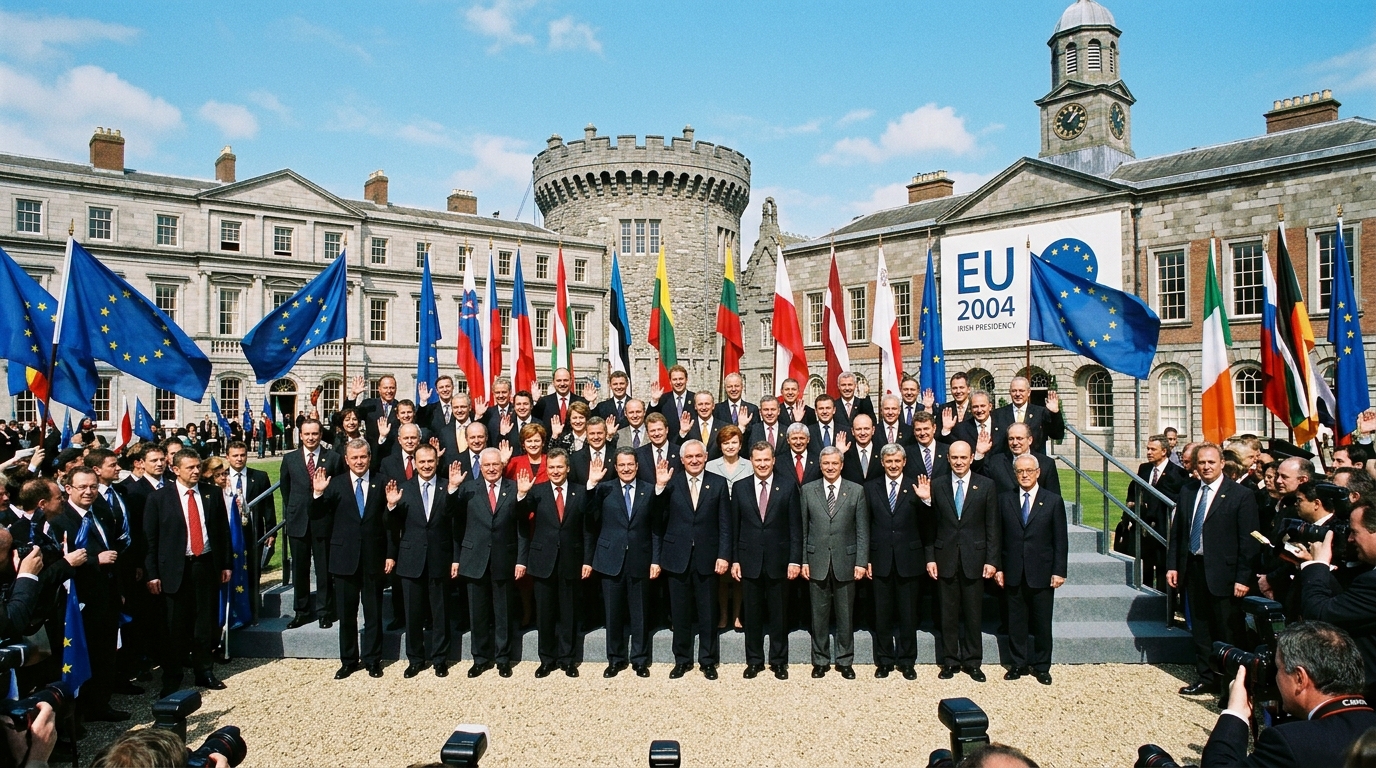
The 2004 Big Bang Enlargement of the European Union
The 2004 Big Bang Enlargement of the European Union, a monumental post-Cold War undertaking, saw the admission of 10 new member states, predominantly from Central and Eastern Europe. This transformative event not only unified a continent artificially divided for half a century but also fundamentally reshaped the EU's institutional dynamics, economic landscape, and geopolitical standing, marking a pivotal moment in European integration history.
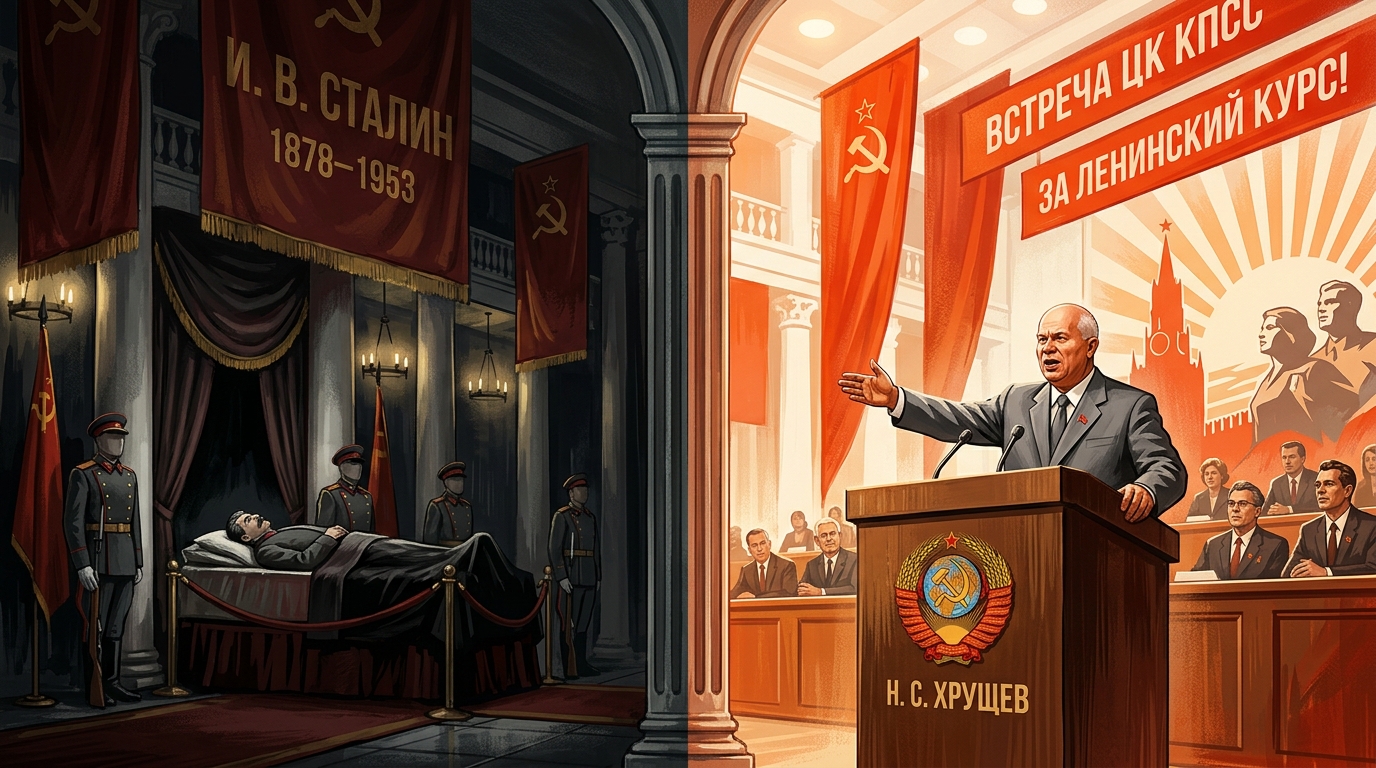
The Death of Stalin and the Khrushchev Thaw in the Soviet Union
The end of Joseph Stalin's iron rule, the elimination of Beria, and the start of the de-Stalinization process under Nikita Khrushchev.
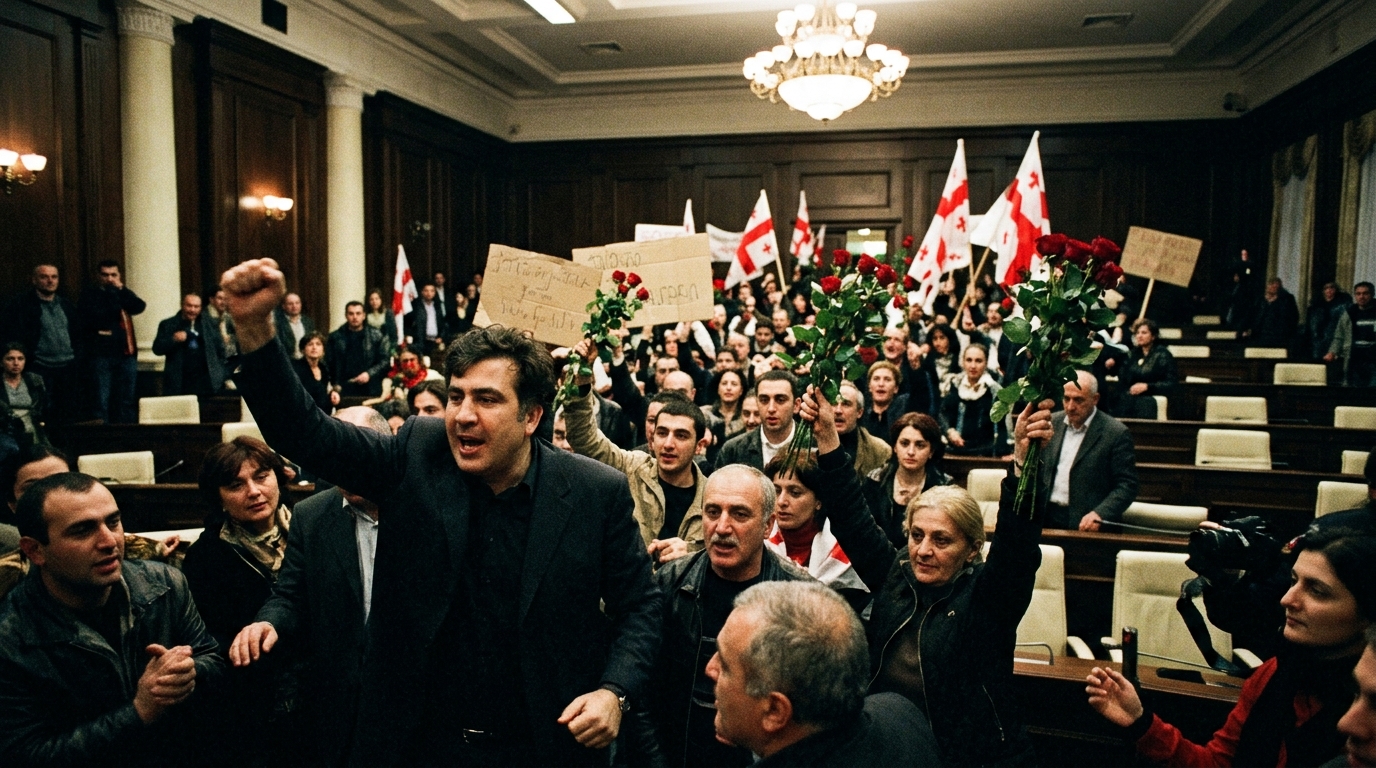
The Rose Revolution in Georgia 2003: The First Post-Soviet Color Uprising
A detailed analysis of the peaceful protests led by Mikheil Saakashvili that culminated in the ousting of Eduard Shevardnadze, marking a pivotal shift in Tbilisi's geopolitical orientation towards the West and fundamentally reshaping its relationship with Moscow. This article explores the historical context, key actors, tactical brilliance, geopolitical implications, and enduring legacy of the Rose Revolution, positioning it as the inaugural 'Color Revolution' in the post-Soviet space.