Country: Latvia
Collection of geopolitical papers, conflicts, and diplomatic crises involving Latvia.
Published Chronicles & Analyses
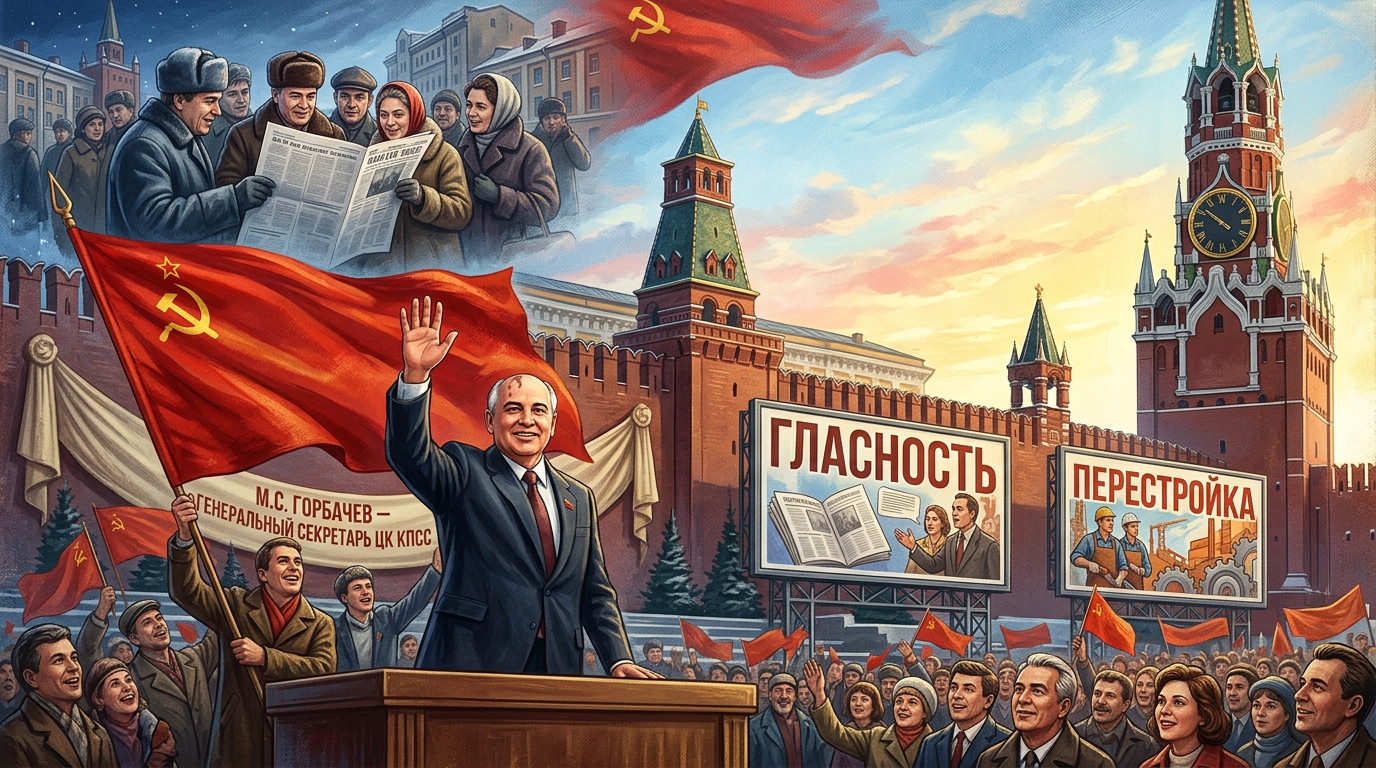
The Rise of Mikhail Gorbachev in 1985: Launching Glasnost and Perestroika
The election of the youngest General Secretary in Soviet history, his attempts to reform the rigid Soviet system, and the unexpected path to dissolution.
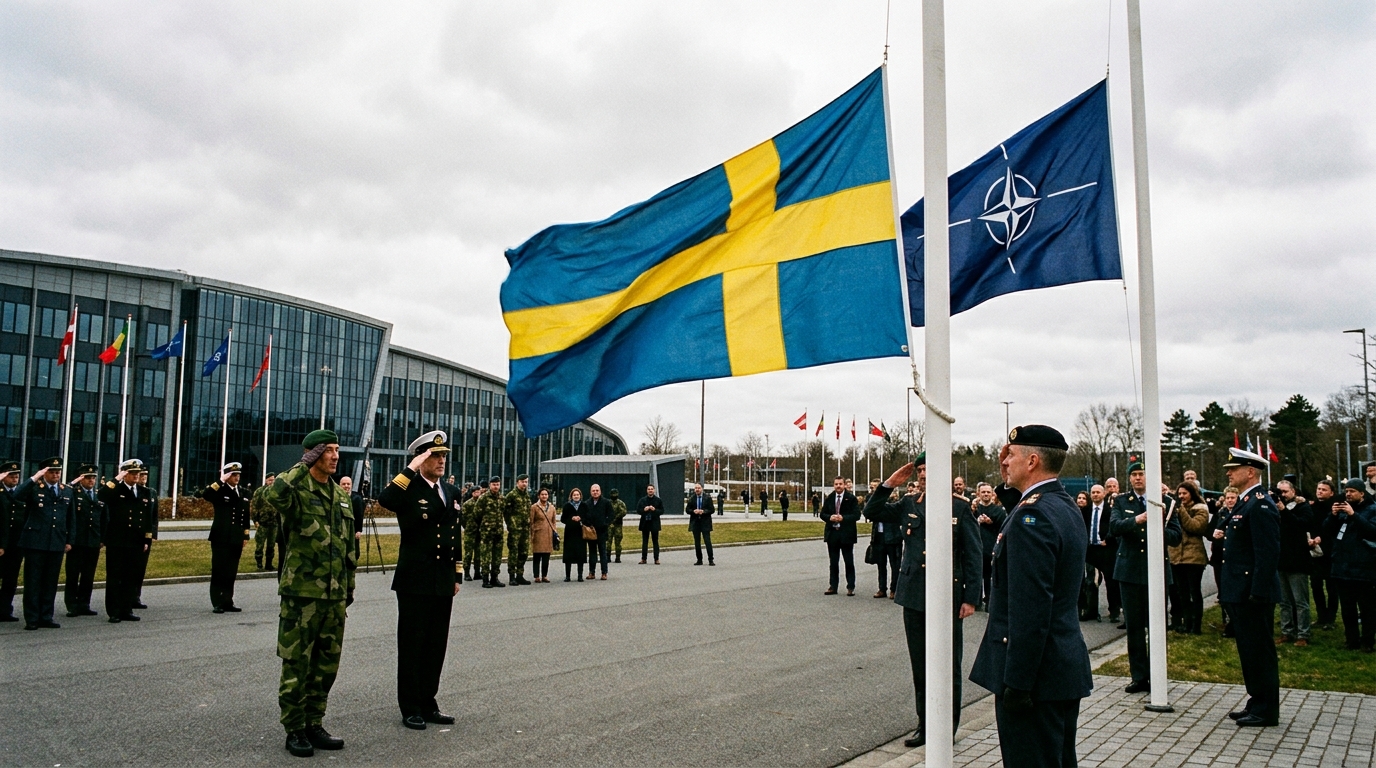
Sweden Joins NATO in 2024: The End of Two Centuries of Non-Alignment
Sweden's accession to NATO in 2024 concludes two centuries of non-alignment, reshaping the Baltic Sea security landscape and profoundly influencing Northern European geopolitics following the formal deposit of its instrument of accession.

The 2021 European Energy Crisis: Natural Gas Supplies as a Geopolitical Weapon
A comprehensive analysis of the 2021 European energy crisis, exploring its historical roots, geopolitical implications, the weaponization of natural gas by Russia, and its profound impact on European energy policy and international relations.
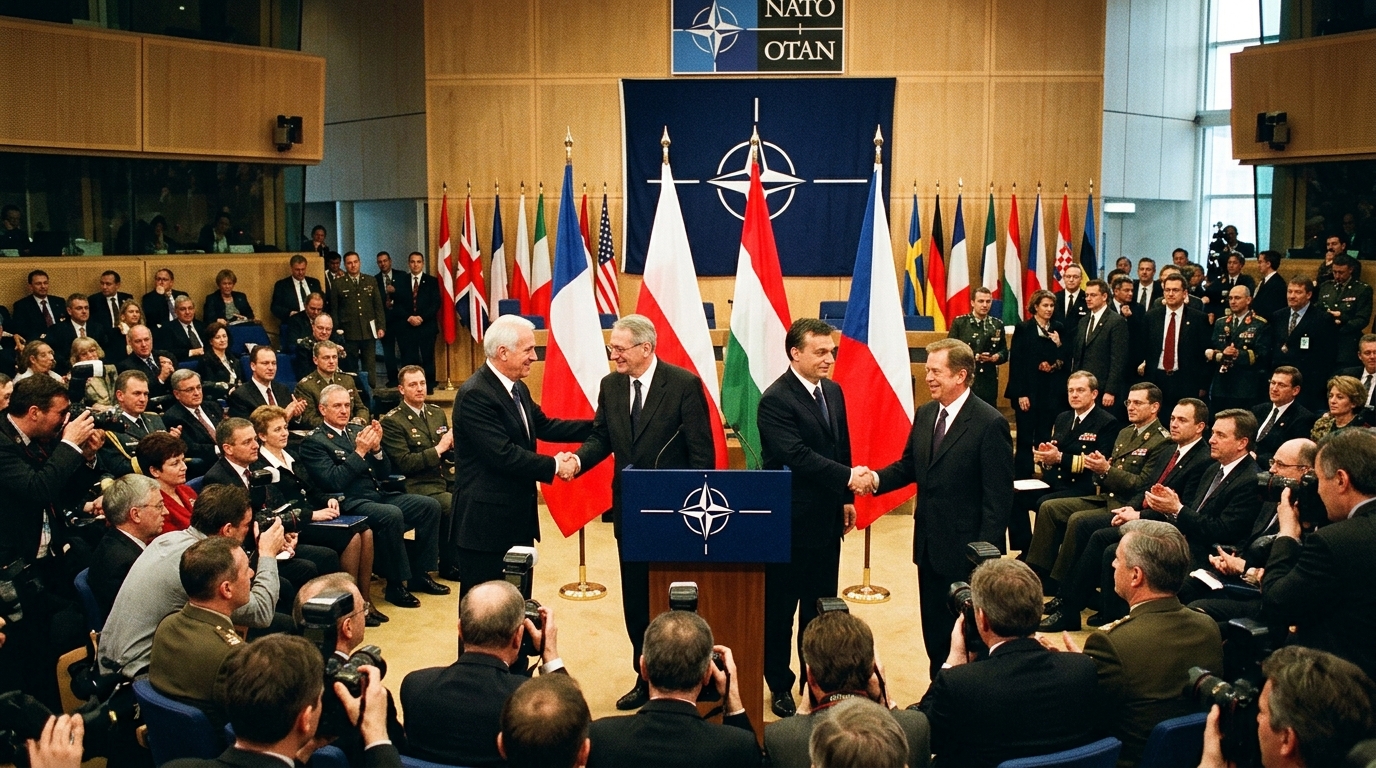
First Eastern Enlargement of NATO 1999: Advancing Toward Russian Borders
The admission of Poland, Hungary, and the Czech Republic into NATO, reshaping European security and drawing strong objections from Moscow.
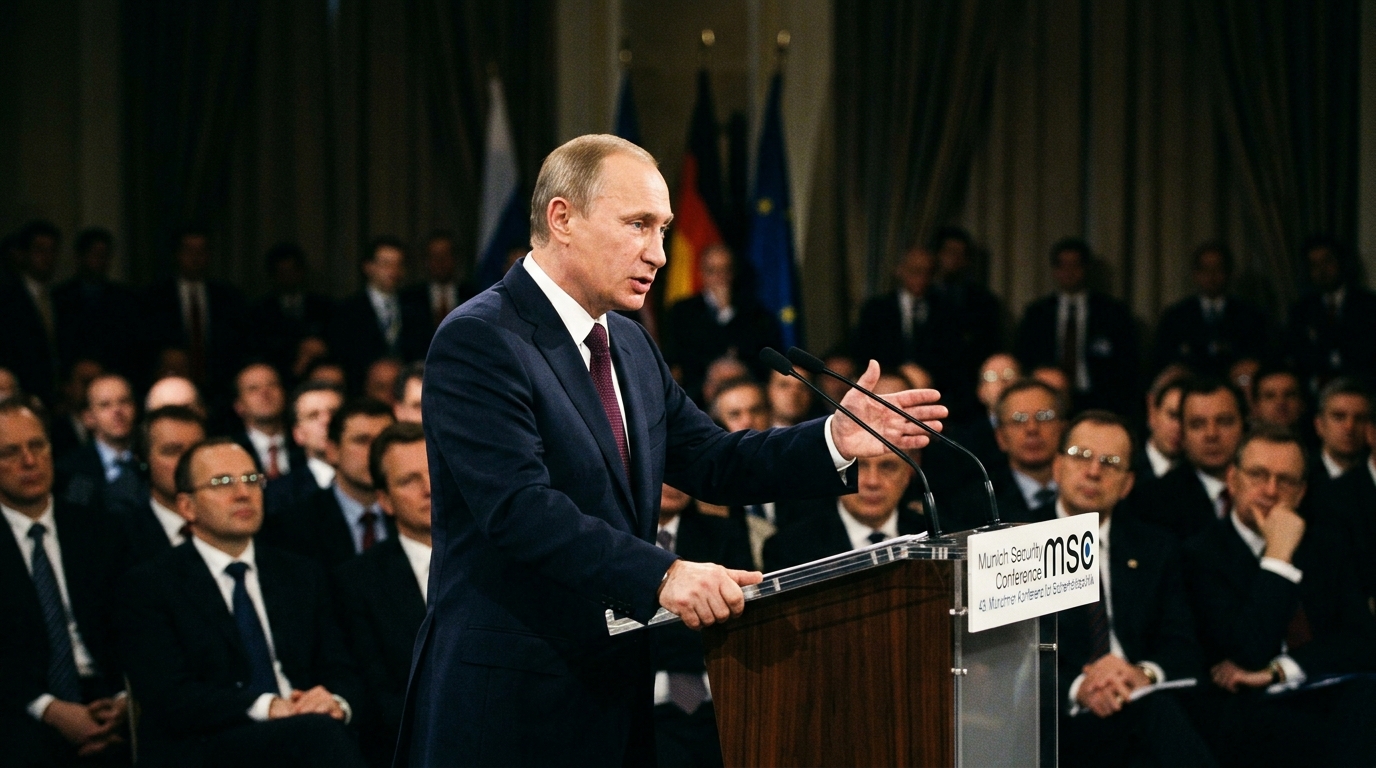
Vladimir Putin's 2007 Munich Speech: The Rejection of the Unipolar World
Vladimir Putin's landmark 2007 address at the Munich Security Conference, where he vehemently criticized perceived US dominance and unilateralism, is widely regarded as a pivotal moment marking Russia's definitive break from post-Cold War integration with the West and the formal articulation of a new, confrontational foreign policy centered on multipolarity. This speech laid the groundwork for Russia's assertive actions in the subsequent decades.
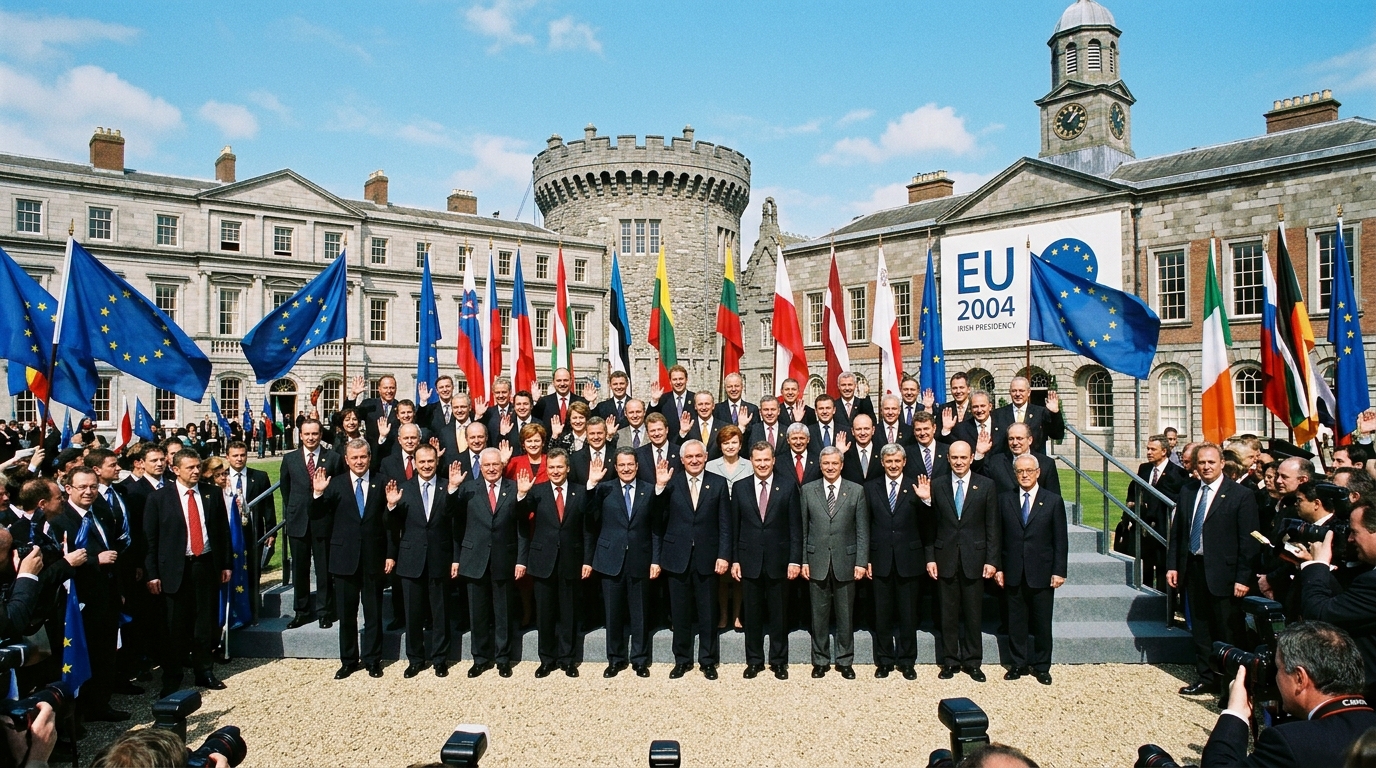
The 2004 Big Bang Enlargement of the European Union
The 2004 Big Bang Enlargement of the European Union, a monumental post-Cold War undertaking, saw the admission of 10 new member states, predominantly from Central and Eastern Europe. This transformative event not only unified a continent artificially divided for half a century but also fundamentally reshaped the EU's institutional dynamics, economic landscape, and geopolitical standing, marking a pivotal moment in European integration history.
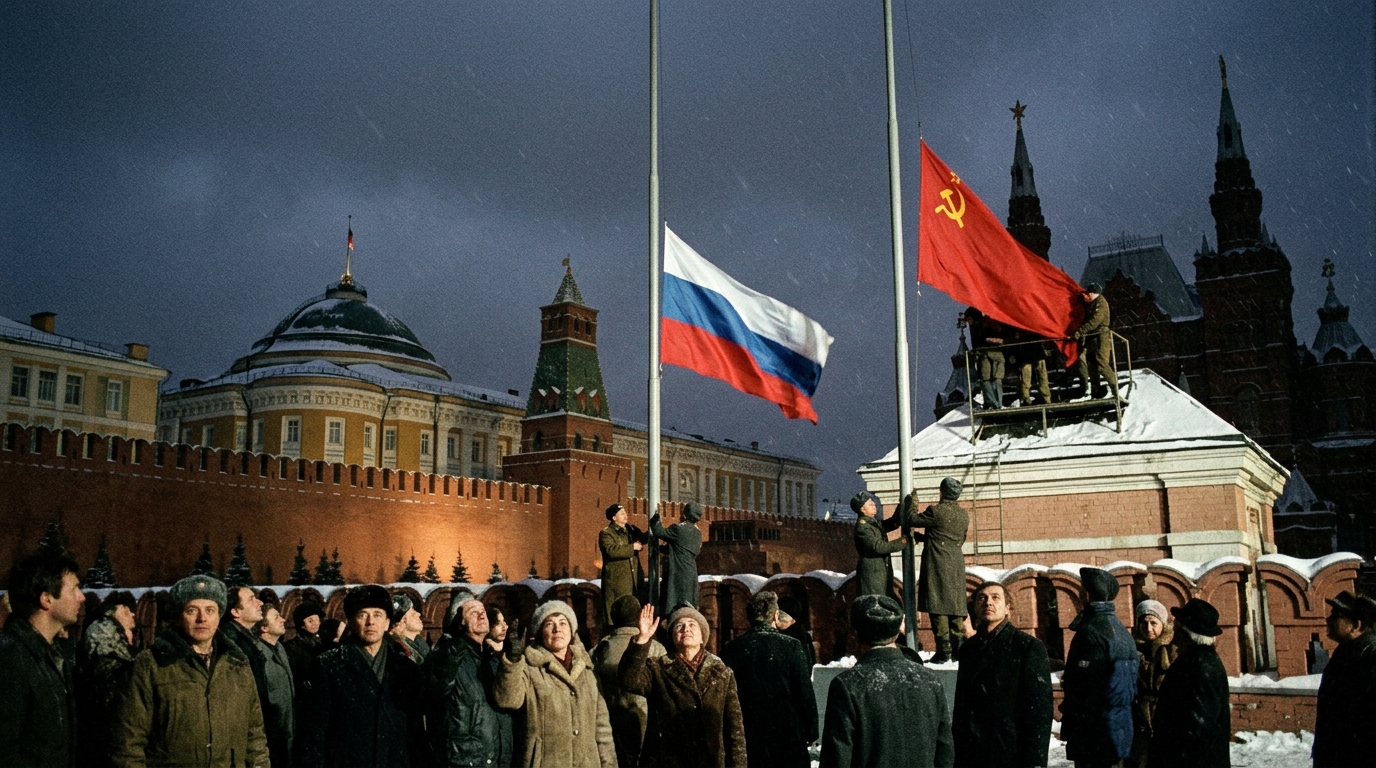
The Dissolution of the Soviet Union in 1991: End of the Red Empire
The August coup attempt by hardliners in Moscow, the rise of Boris Yeltsin, the Belovezha Accords, and the lowering of the Soviet flag on Christmas Day.