Country: Indonesia
Collection of geopolitical papers, conflicts, and diplomatic crises involving Indonesia.
Published Chronicles & Analyses
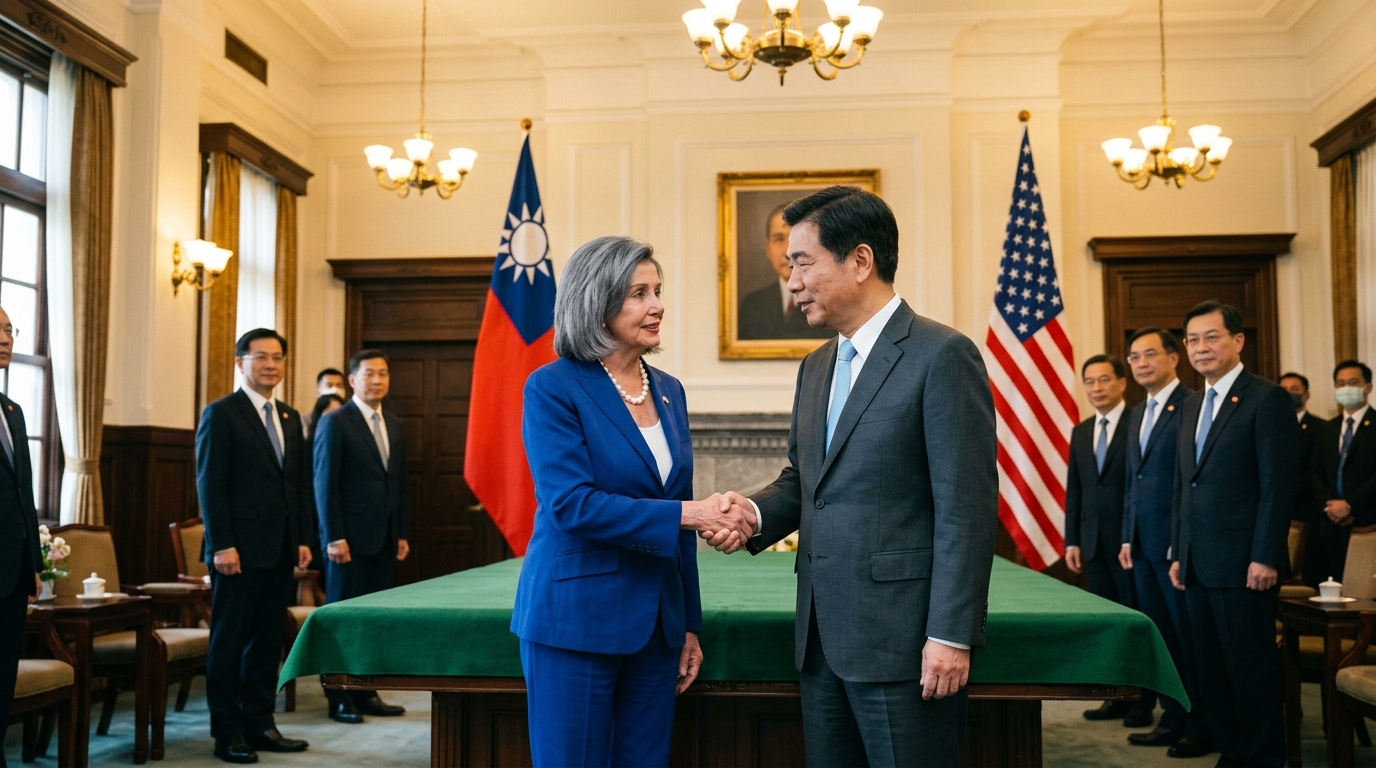
Nancy Pelosi's Visit to Taiwan in 2022: Military Drills and Superpower Friction
The House Speaker's visit to Taipei, provoking major military drills and encirclement exercises by the Chinese PLA around the island, significantly escalating cross-strait tensions and altering the regional security landscape.
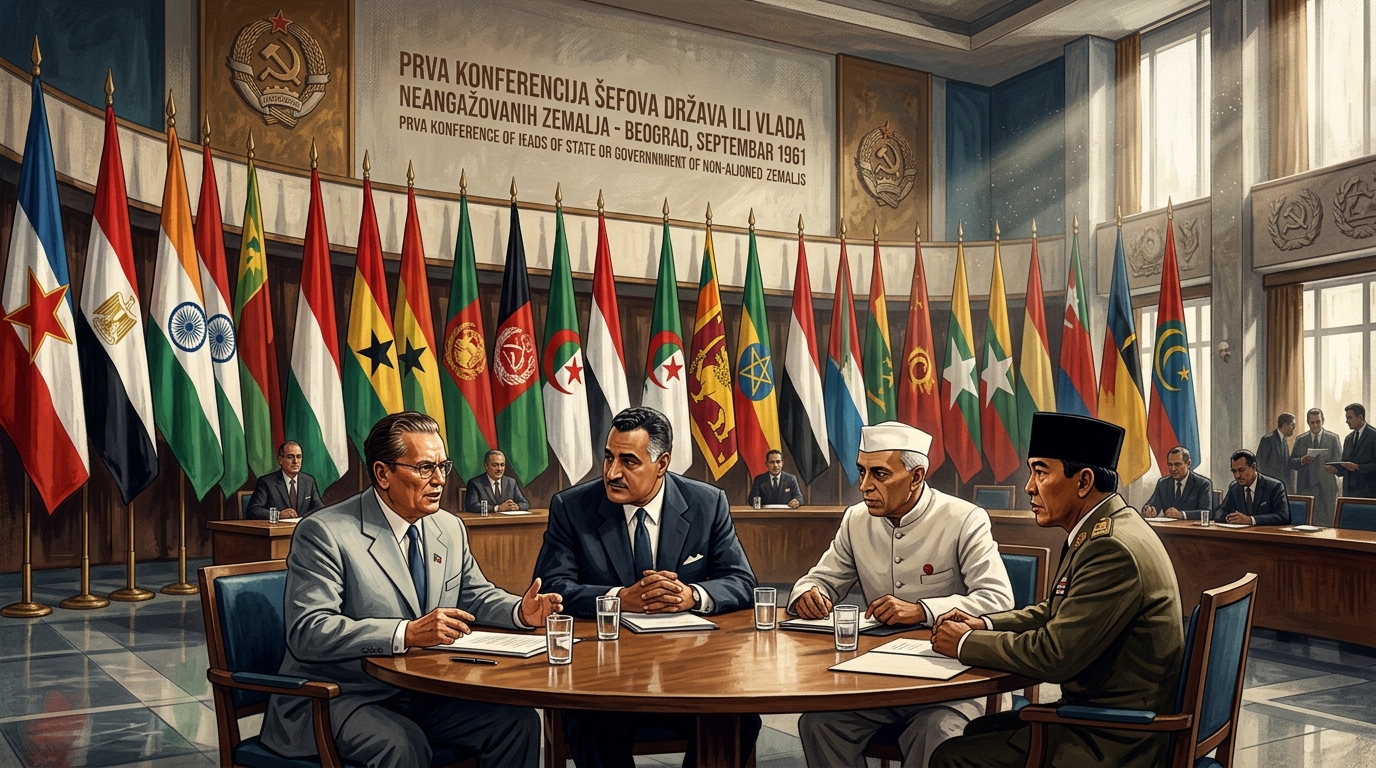
The Belgrade Conference of 1961: Founding the Non-Aligned Movement
The historic summit in Belgrade where 25 nations offered an alternative to the bloc division of the world, creating the Non-Aligned Movement.

The Election of Barack Obama in 2008: A Shift Toward Multilateral Diplomacy
The historic victory of Barack Obama in 2008 marked a profound repudiation of the Bush Doctrine, signaling a deliberate and comprehensive shift in US foreign policy from unilateralism to a revitalized multilateral diplomacy. This article explores the historical context, key moments, geopolitical consequences, intellectual underpinnings, and long-term legacy of this pivotal election.

The 2008 Global Financial Crisis: Geopolitical Slump of Western Hegemony
The subprime mortgage meltdown, the collapse of Lehman Brothers, and the resulting shift that boosted China's stature as a global creditor and challenged the foundations of Western economic models.
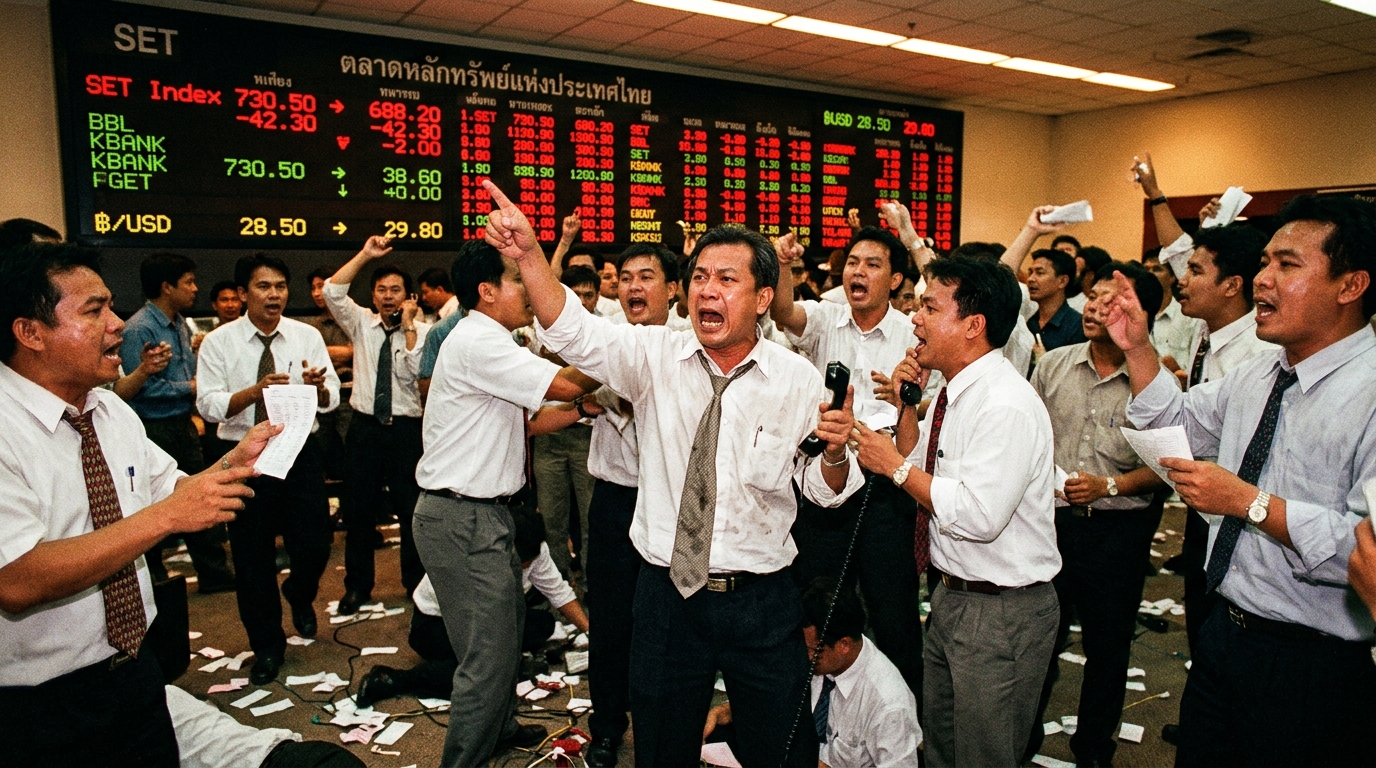
The 1997 Asian Financial Crisis: Shaking the Geopolitics of East Asia
The collapse of the Thai Baht that triggered a regional economic contagion, ending Suharto's 30-year rule in Indonesia and expanding IMF influence.

The COVID-19 Pandemic and Vaccine Geopolitics: A Struggle for Influence
The declaration of a global pandemic, lockdowns, disputes over virus origins, and the deployment of vaccines as tools of diplomatic leverage.
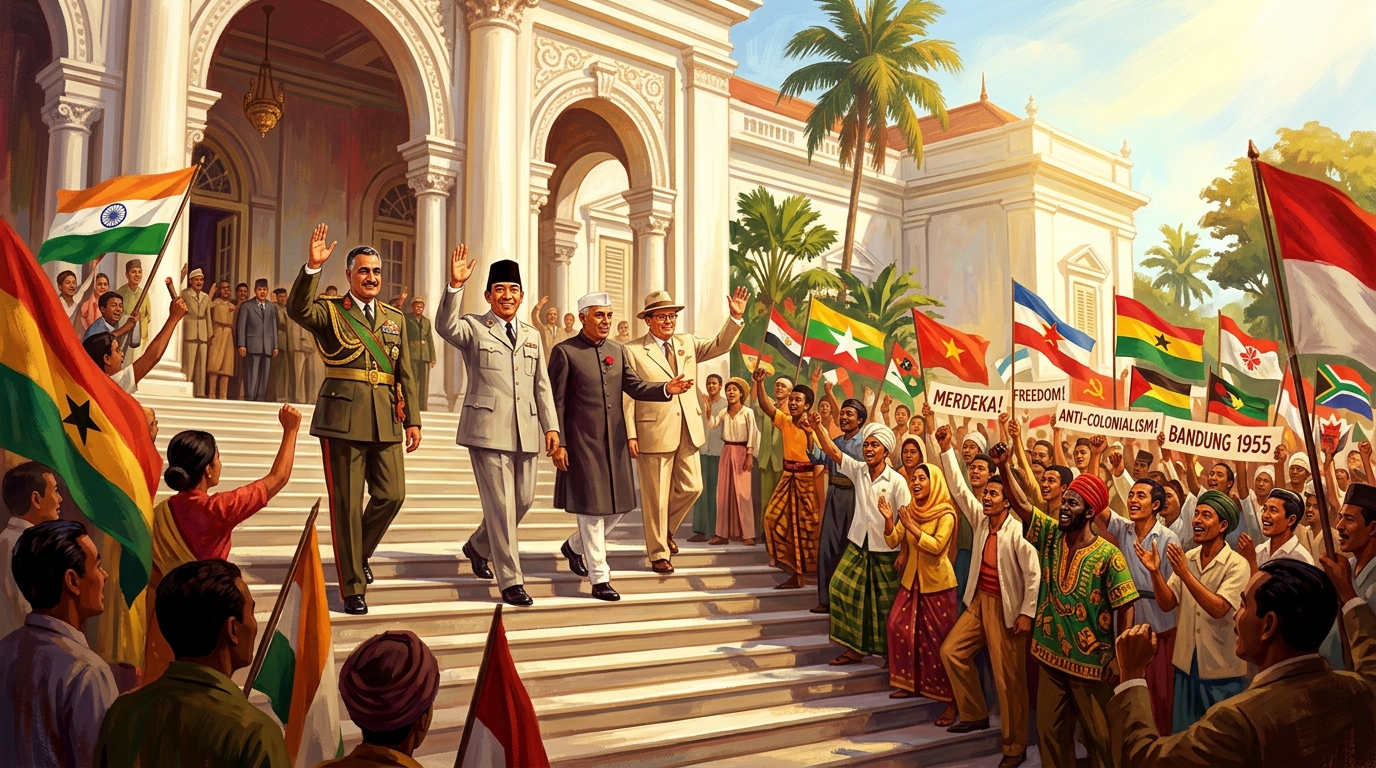
The Bandung Conference of 1955: The Awakening of the Third World
The historic gathering of Asian and African leaders in Indonesia that laid the foundations of anti-colonialism and the Non-Aligned Movement.
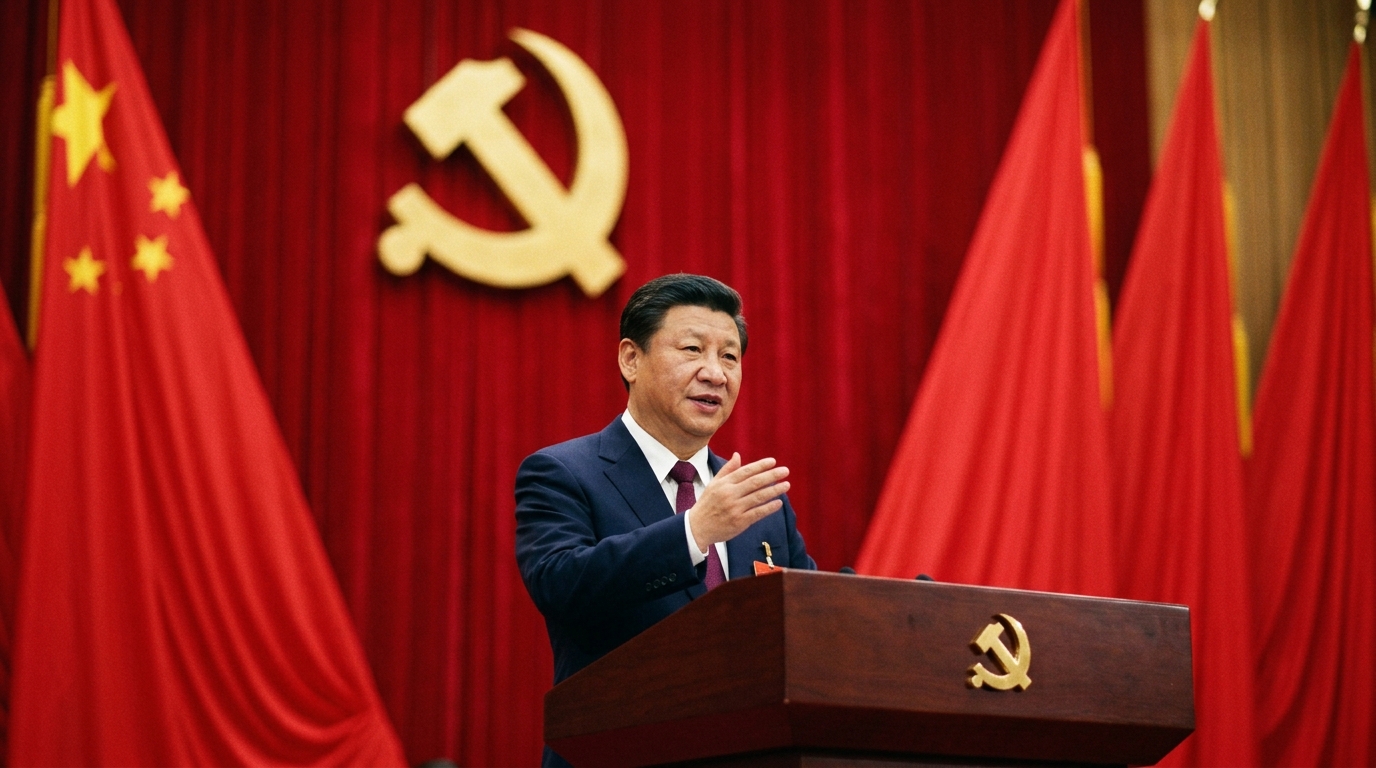
The Rise of Xi Jinping in 2012: Initiating the Era of the Chinese Dream
Xi's election as General Secretary, the launch of a massive anti-corruption campaign, and the announcement of the Belt and Road Initiative, marking a fundamental reorientation of China's domestic and foreign policy.
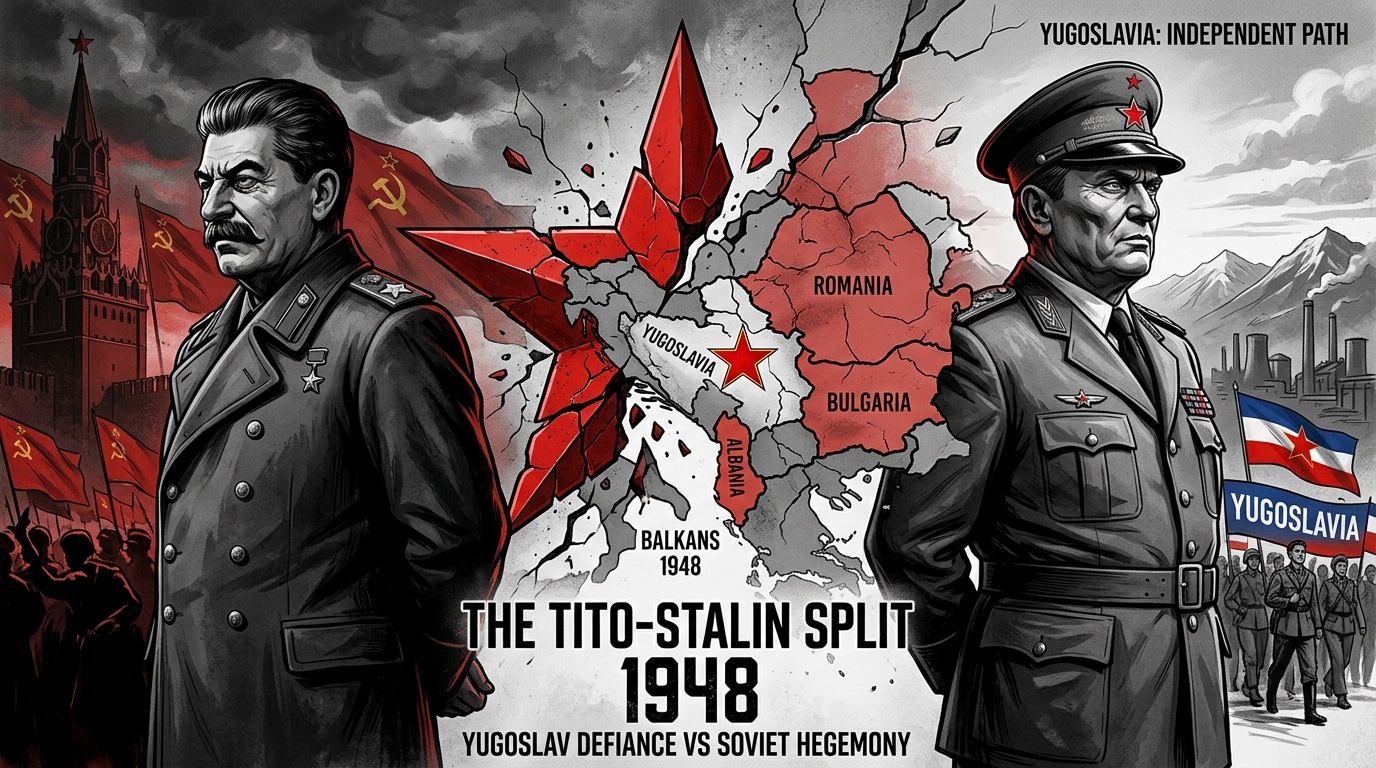
The Soviet-Yugoslav Split of 1948: How Tito Defied Stalin
An analysis of the biggest ideological and political earthquake in the communist world: how Yugoslavia said 'no' to Stalin and survived Soviet threats.