Country: South Korea
Collection of geopolitical papers, conflicts, and diplomatic crises involving South Korea.
Published Chronicles & Analyses
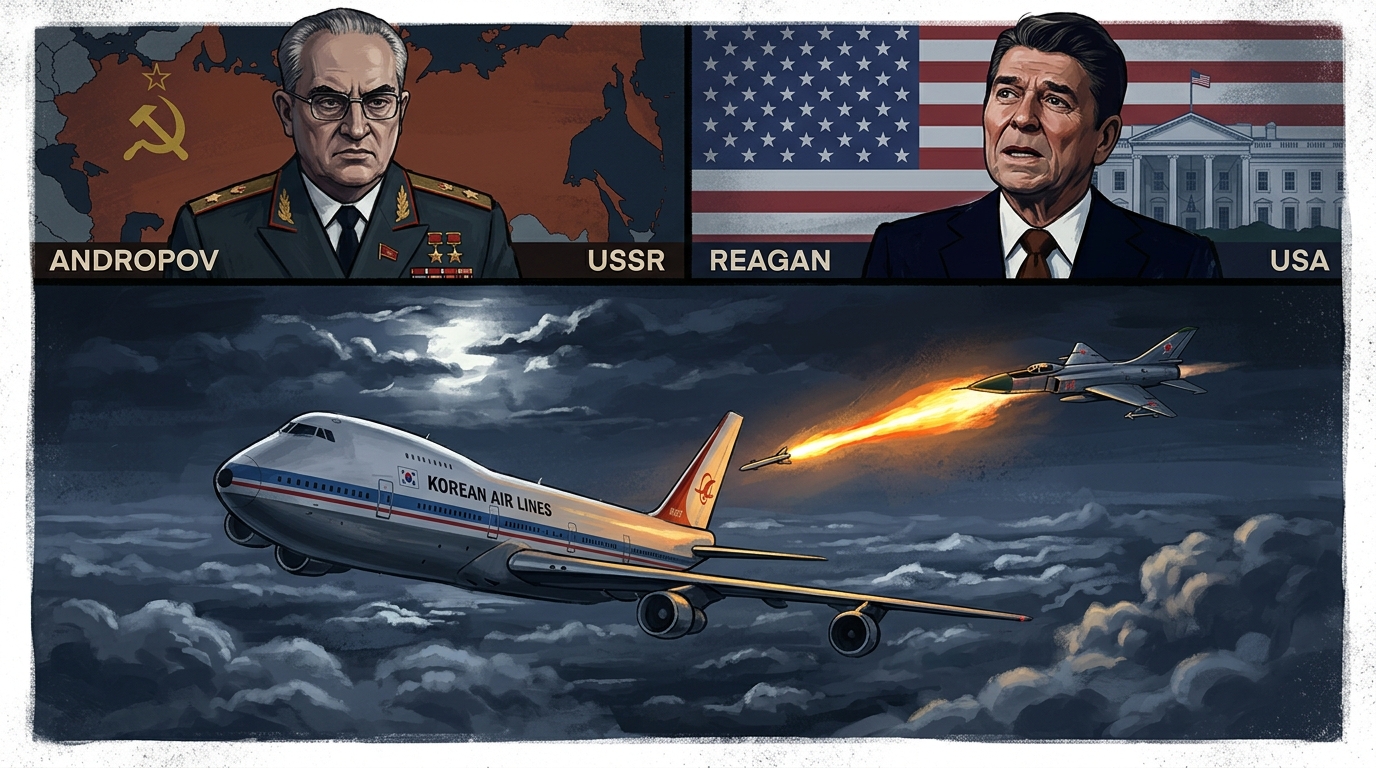
The Shooting Down of Korean Air Lines Flight 007 in 1983: Cold War Panic
The Soviet interception and shootdown of a civilian airliner in Soviet airspace, causing a dramatic escalation in superpower nuclear tensions.

The US Presidential Election of 2024: Donald Trump's Return and Policy Shifts
Donald Trump's electoral victory in 2024 fundamentally reshaped American foreign and domestic policy, introducing sweeping tariffs, prioritizing immediate negotiations to resolve the war in Ukraine, and instigating a profound geopolitical realignment. This comprehensive analysis explores the historical context, key events, and far-reaching consequences of this pivotal election.
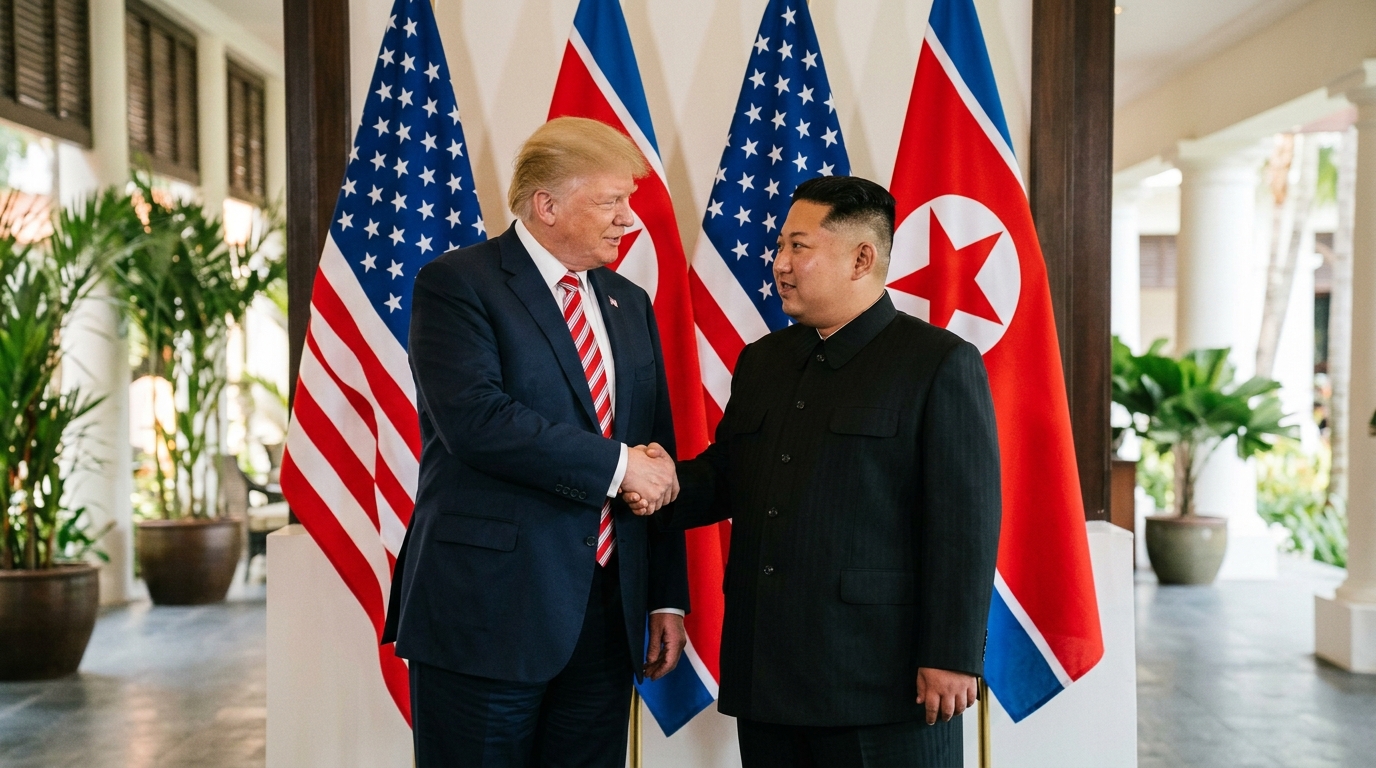
The 2018 Singapore Summit: Historic Meeting of Trump and Kim
An in-depth analysis of the 2018 Singapore Summit, the unprecedented meeting between a sitting U.S. President and a North Korean leader, exploring its historical context, key events, geopolitical implications, and enduring legacy of stalled denuclearization.
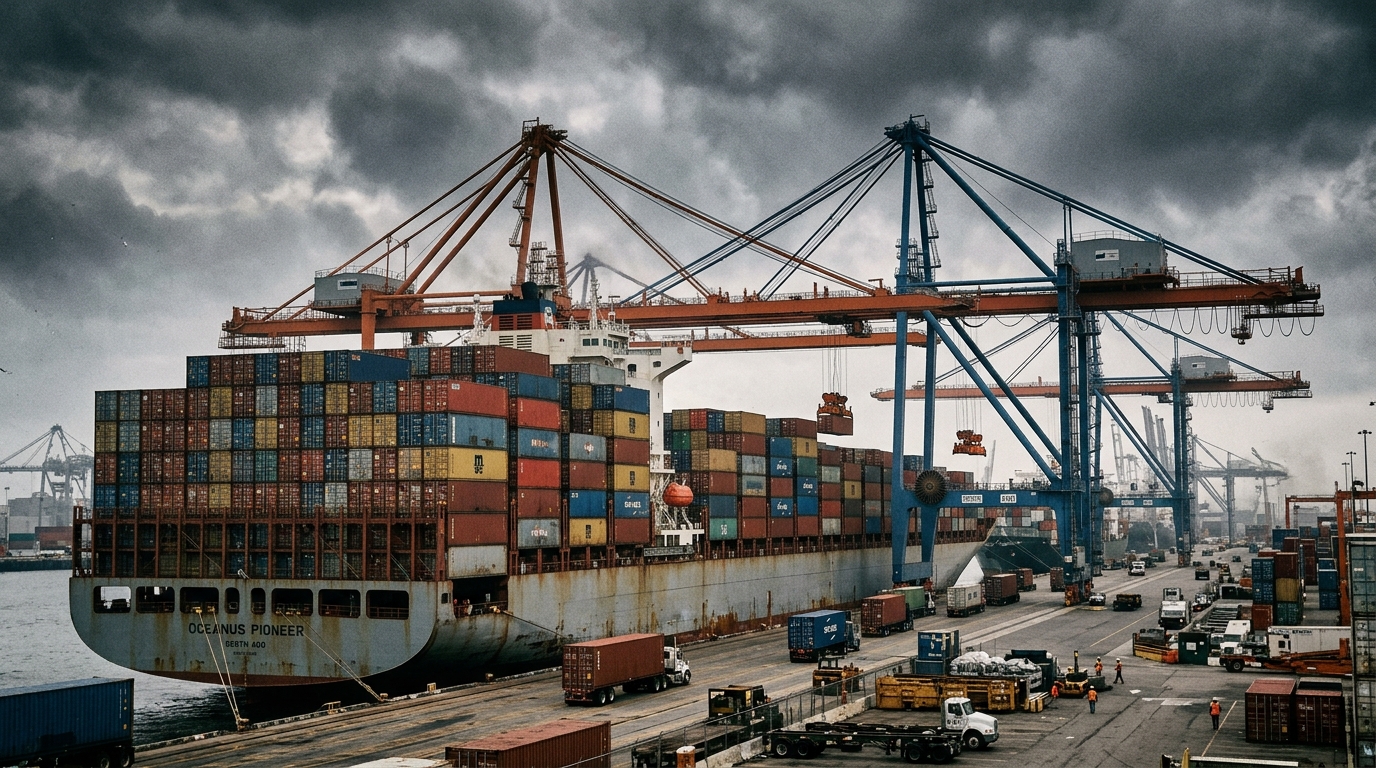
The US-China Trade War of 2018: Beginning of Economic Decoupling
The US-China trade war of 2018 marked a definitive shift in global economic and geopolitical relations, transcending traditional trade disputes to encompass a structural struggle over technological supremacy, intellectual property, and future global leadership. This article details the historical context, key events, geopolitical implications, and the profound legacy of a conflict that initiated a new era of economic decoupling and systemic rivalry.
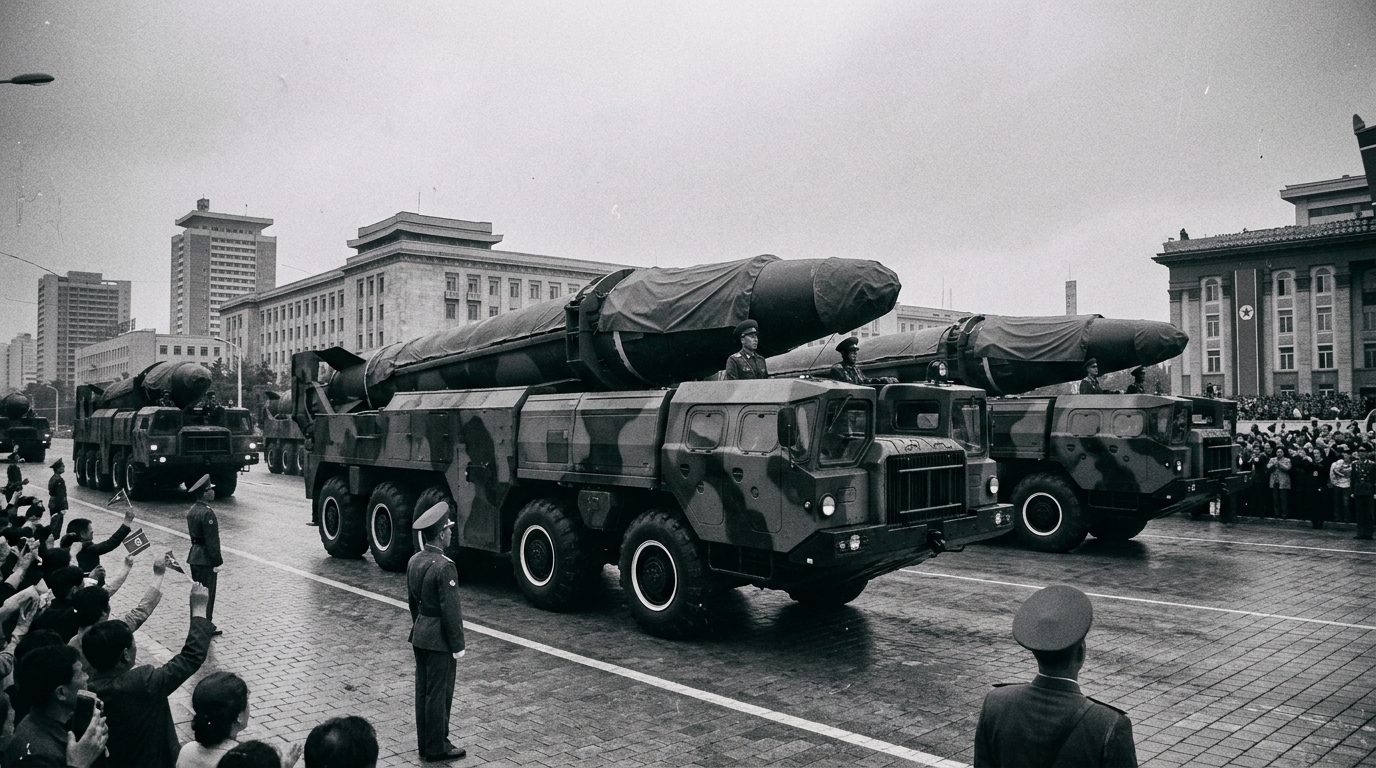
The North Korea Nuclear Crisis of 2017: Fire and Fury Confrontation
An in-depth analysis of the 2017 North Korea nuclear crisis, detailing Pyongyang's unprecedented hydrogen bomb and ICBM tests, President Trump's 'Fire and Fury' threats, the resulting geopolitical realignment, and the subsequent pivot towards high-stakes diplomacy.
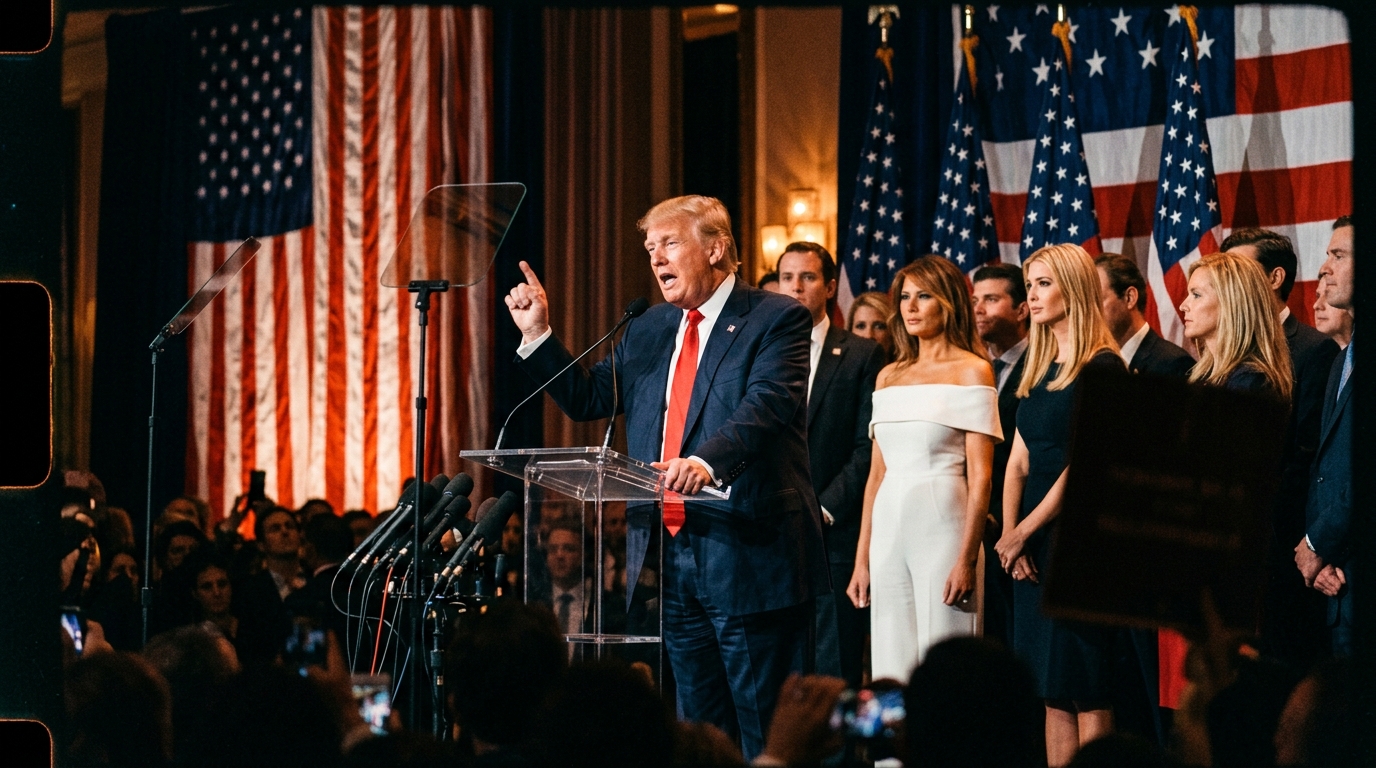
The Election of Donald Trump in 2016: America First and Global Reshuffling
Donald Trump's populist victory in the 2016 US presidential election over Hillary Clinton marked a profound turning point, initiating a paradigm shift from neoliberal globalism toward an 'America First' nationalist stance, characterized by protectionist tariffs, withdrawal from international agreements, and significant tensions with long-standing NATO allies.
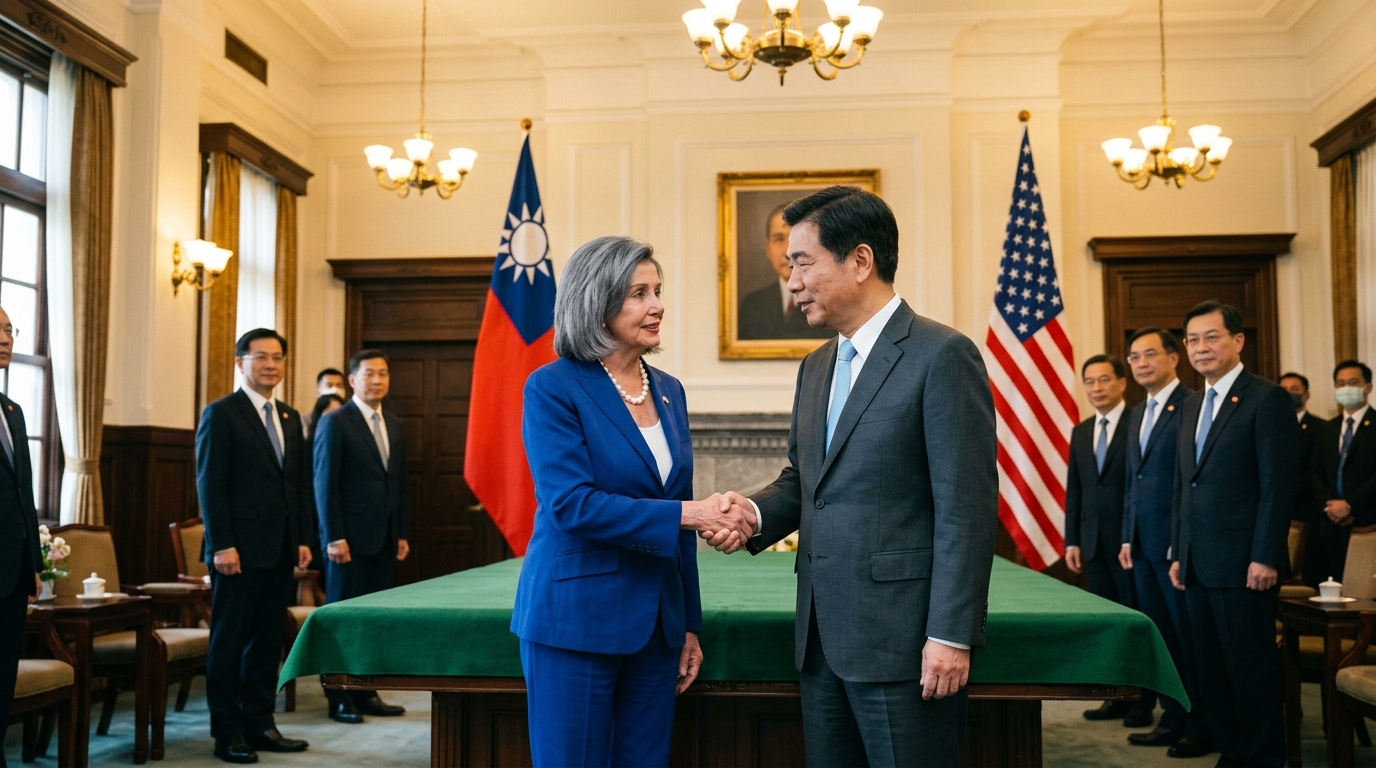
Nancy Pelosi's Visit to Taiwan in 2022: Military Drills and Superpower Friction
The House Speaker's visit to Taipei, provoking major military drills and encirclement exercises by the Chinese PLA around the island, significantly escalating cross-strait tensions and altering the regional security landscape.

The Election of Barack Obama in 2008: A Shift Toward Multilateral Diplomacy
The historic victory of Barack Obama in 2008 marked a profound repudiation of the Bush Doctrine, signaling a deliberate and comprehensive shift in US foreign policy from unilateralism to a revitalized multilateral diplomacy. This article explores the historical context, key moments, geopolitical consequences, intellectual underpinnings, and long-term legacy of this pivotal election.
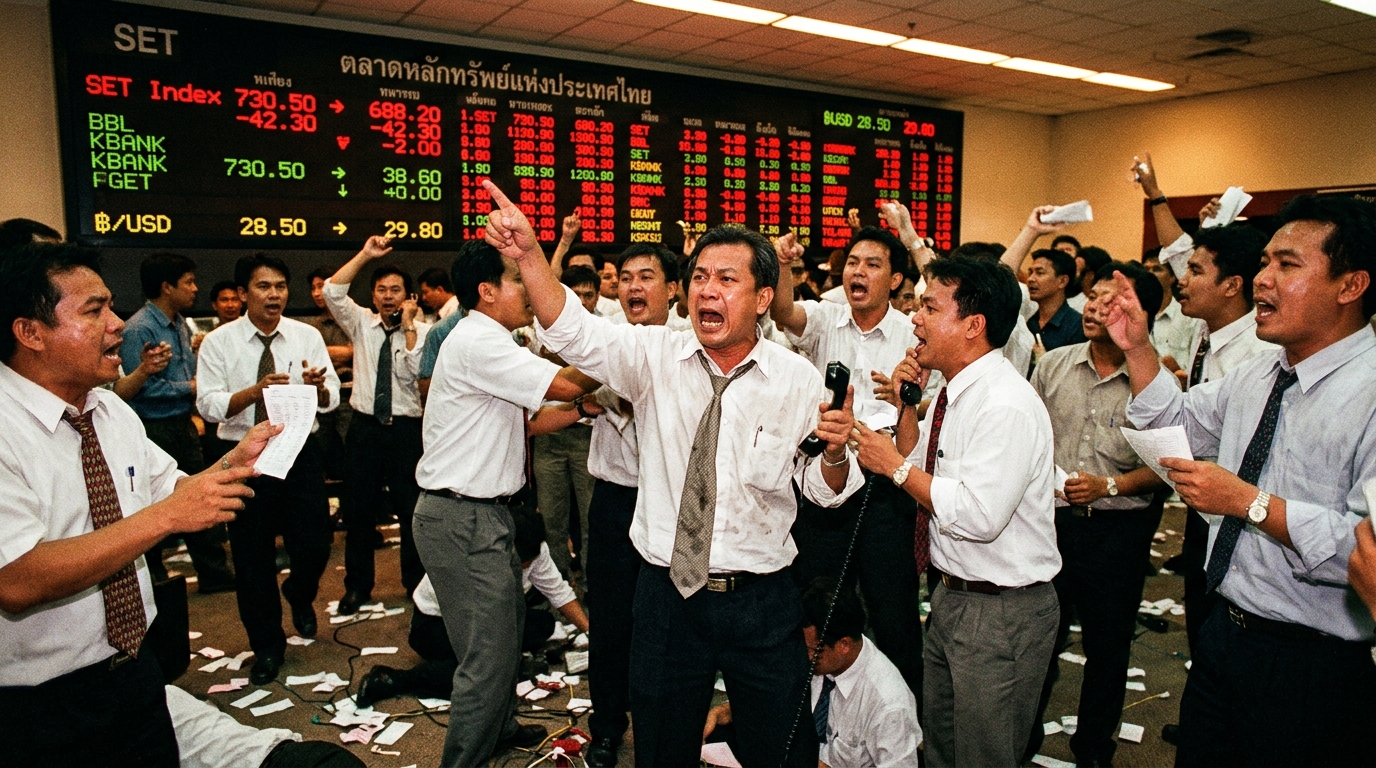
The 1997 Asian Financial Crisis: Shaking the Geopolitics of East Asia
The collapse of the Thai Baht that triggered a regional economic contagion, ending Suharto's 30-year rule in Indonesia and expanding IMF influence.
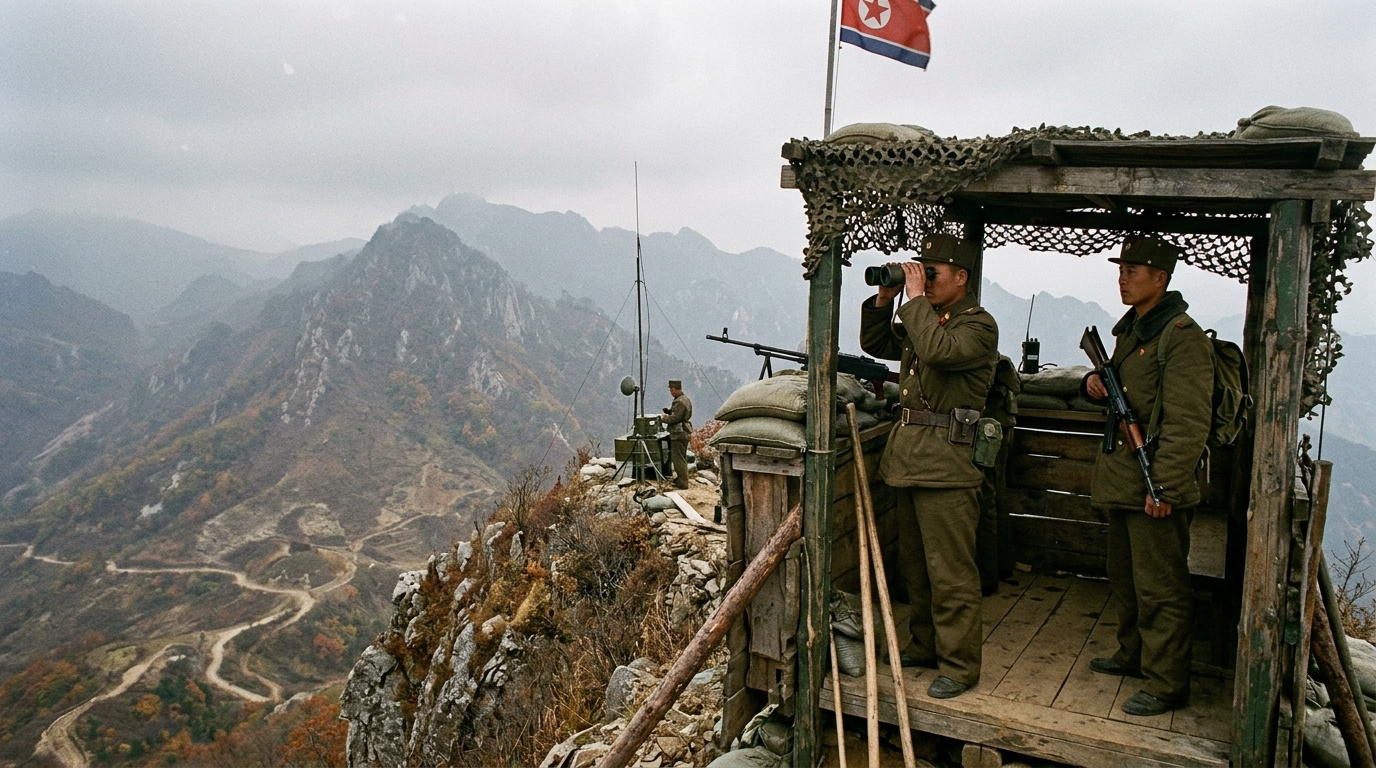
North Korea's First Nuclear Test in 2006: Joining the Atomic Club
Pyongyang's seismic 2006 underground nuclear explosion defied international warnings, shattered diplomatic frameworks, and profoundly reshaped the security architecture of Northeast Asia and the global non-proliferation landscape, marking North Korea's irreversible emergence as a de facto nuclear state.
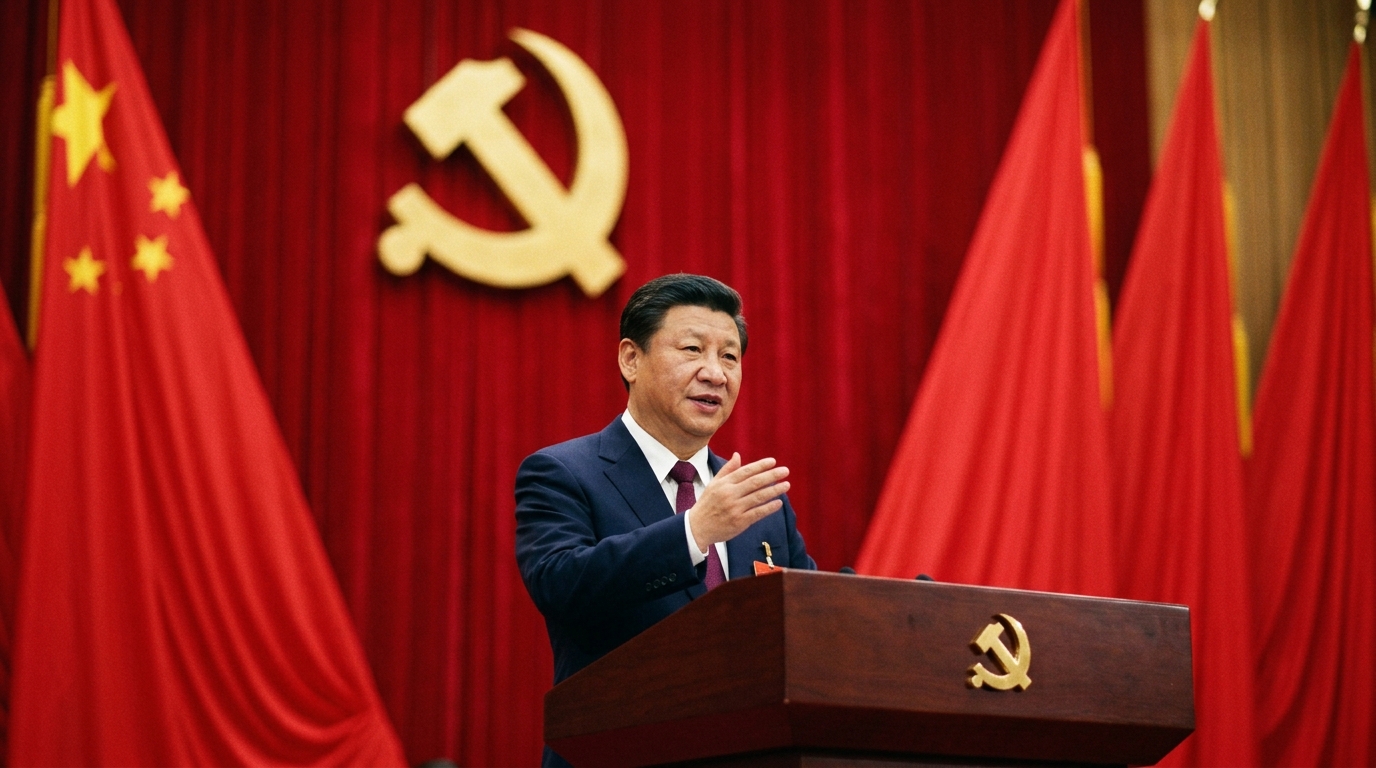
The Rise of Xi Jinping in 2012: Initiating the Era of the Chinese Dream
Xi's election as General Secretary, the launch of a massive anti-corruption campaign, and the announcement of the Belt and Road Initiative, marking a fundamental reorientation of China's domestic and foreign policy.
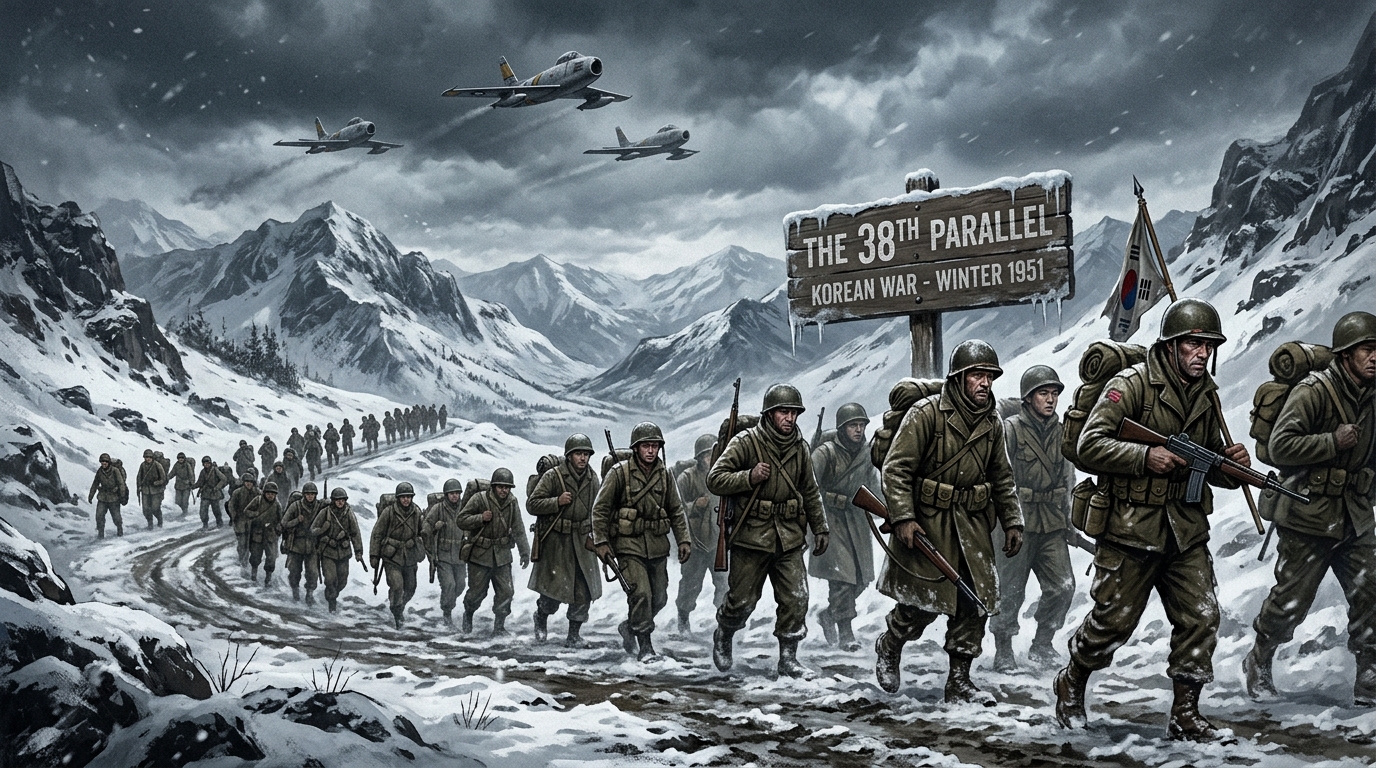
The Korean War: The First Armed Conflict of the Cold War and the 38th Parallel
A comprehensive analysis of the bloody conflict on the Korean peninsula, the interventions of China and the US, and the lasting division.

The Formation of NATO in 1949: Establishing the Western Alliance
The founding of the North Atlantic Treaty Organization and the establishment of collective defense as the core pillar of Western security.
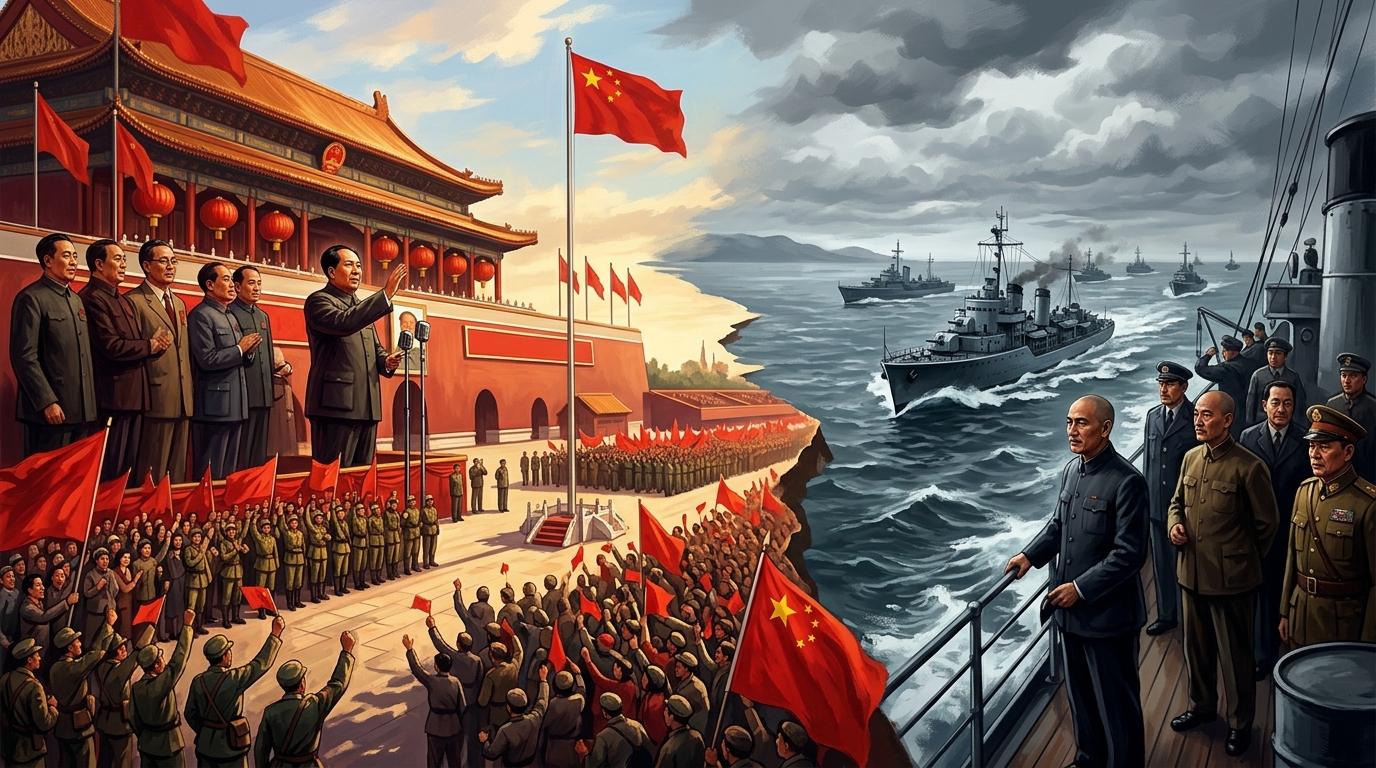
The Communist Victory in the Chinese Civil War: A Turning Point in Asia
How Mao Zedong's Red Army defeated Chiang Kai-shek's Nationalists, proclaimed the PRC, and created the lasting geopolitical division with Taiwan.