Key Takeaways
- The 2016 US election signaled a definitive shift from neoliberal globalism toward an 'America First' nationalist paradigm, profoundly altering the trajectory of American domestic and foreign policy.
- Donald Trump’s victory challenged the post-World War II consensus on international trade, multilateral alliances, and the traditional role of the United States as the global policeman and guarantor of the liberal international order.
- The outcome triggered a significant realignment in global diplomacy, forcing traditional allies to reconsider their security dependencies on Washington and prompting a broader reassessment of multilateral institutions and cooperation.
- The election highlighted deep socio-cultural divisions within the United States, fueled by economic anxieties, identity politics, and the disruptive influence of social media on political discourse.
- The immediate aftermath saw a dramatic recalibration of global power dynamics, with allies seeking strategic autonomy and adversaries perceiving opportunities to expand their influence.
Historical Context and Origins
The 2016 United States Presidential Election remains a watershed moment in the 21st century, marking a sharp rupture in the post-Cold War political consensus and the prevailing liberal international order. To fully grasp the improbable ascent of Donald J. Trump, one must analyze the confluence of deeply rooted economic structural changes, a growing socio-cultural fatigue with the perceived failures of the bipartisan establishment, and a profound erosion of trust in institutions. By the mid-2010s, the "Washington consensus"—a philosophy championing free trade, global democratic expansion, and multilateral cooperation—faced intense scrutiny and mounting public discontent across significant segments of the American populace.
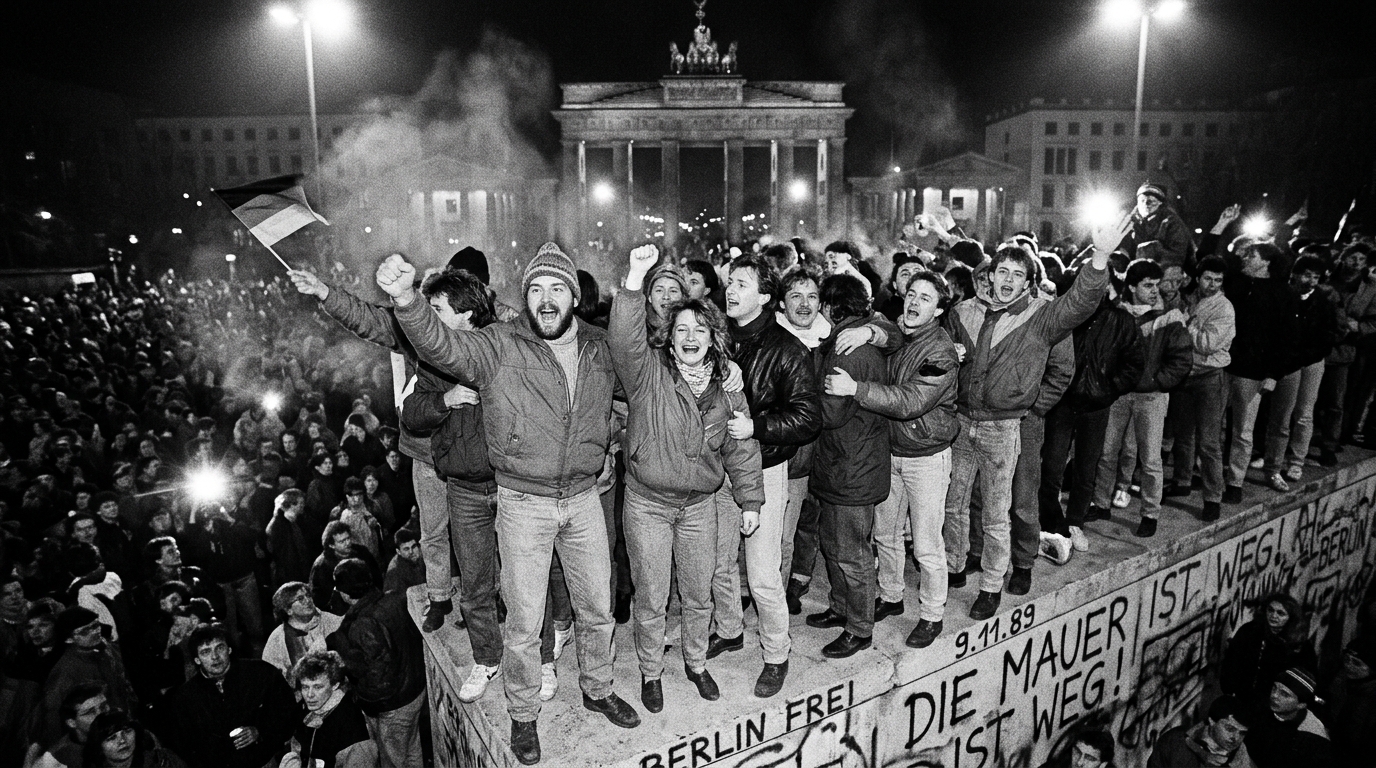
The optimistic "End of History" narrative that followed the collapse of the Soviet Union in 1991, which posited the triumph of liberal democracy and market capitalism as the inevitable global trajectory, had begun to fray. While globalization was initially heralded as a universal good, its uneven distribution of benefits and burdens created deep fissures. The legacy of the 2008 Great Recession, triggered by a housing market collapse and reckless financial practices, played a critical role in catalyzing widespread disillusionment. While official statistics indicated a national economic recovery, a significant demographic, particularly in the industrial Midwest, did not perceive this recovery in their own standard of living. Communities once built on manufacturing prowess suffered from stagnant wages, dwindling job opportunities, and the devastating impact of the opioid crisis. The outsourcing of manufacturing jobs, often linked to trade agreements like the North American Free Trade Agreement (NAFTA) signed in the 1990s, fueled a simmering resentment and a pervasive sense of being left behind.
Donald Trump, a real-estate mogul and media personality known for his flamboyant style, successfully tapped into this "forgotten man" narrative. His campaign framed itself as a direct challenge to the political elite in Washington, Wall Street, and the global establishment, forces he argued were responsible for America's decline. His opponent, Hillary Clinton, a former First Lady, Senator, and Secretary of State, embodied the very political establishment and liberal institutionalist tradition that Trump vehemently opposed. The election became not just a contest between two individuals, but a referendum on divergent visions for America's economic future, its social fabric, and its role in the world. This clash represented the culmination of decades of economic shifts, growing cultural divides, and a pervasive sense of political disenfranchisement that had been brewing beneath the surface of American politics.
Timeline of Events and Key Moments
The trajectory of the 2016 race was defined by an unprecedented series of high-profile moments, often defying political conventional wisdom and signaling the profoundly unorthodox nature of Donald Trump's campaign.
| Event | Date | Significance |
|---|---|---|
| Trump's Campaign Launch | June 16, 2015 | Announced candidacy with controversial remarks on Mexican immigrants, immediately establishing his anti-establishment and immigration-centric platform and drawing both scorn and fervent support. |
| The Primaries | Feb–June 2016 | Trump systematically defeated sixteen GOP rivals, including seasoned politicians, by challenging traditional party orthodoxy and leveraging populist anger, ultimately securing the Republican nomination. |
| The Conventions | July 18-21 (RNC) & July 25-28 (DNC) 2016 | The Republican National Convention in Cleveland solidified the party's unexpected embrace of Trump; the Democratic National Convention in Philadelphia struggled to unite its progressive and establishment wings against him. |
| The Debates | Sept 26, Oct 9, Oct 19, 2016 | Three high-stakes presidential debates showcased deep ideological, stylistic, and cultural divisions between the candidates, marking some of the most watched political confrontations in US history. |
| Comey Letter | Oct 28, 2016 | FBI Director James Comey informed Congress of renewed investigation into Clinton's emails, injecting significant uncertainty into the final days of the campaign and potentially swaying undecided voters. |
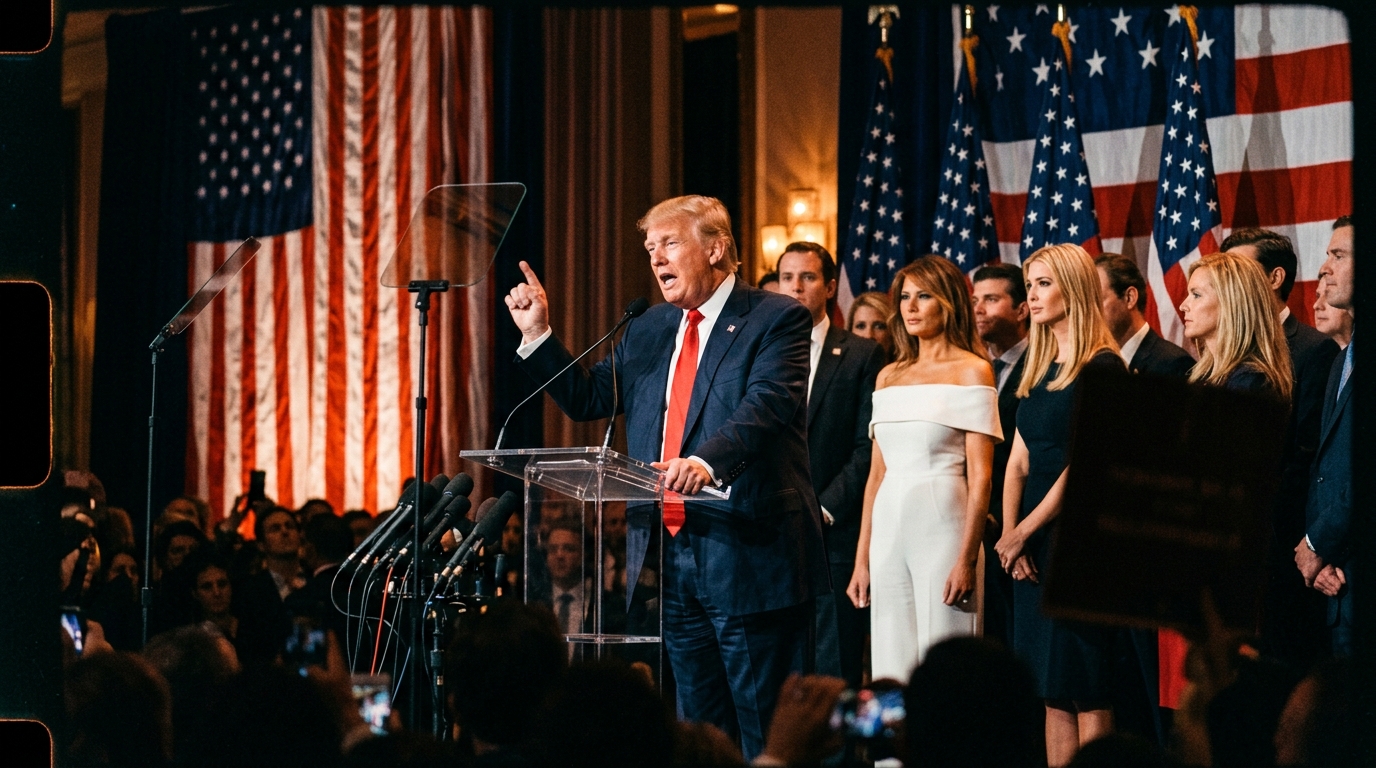
| Election Day | Nov 8, 2016 | Donald Trump secured an unexpected victory in the Electoral College, despite losing the popular vote, upending poll predictions and triggering global shockwaves. |
The campaign was notably marked by a dramatic shift in political discourse and communication strategy. Trump bypassed traditional media channels, utilizing social media platforms (primarily Twitter) to communicate directly with his base, often in an unfiltered and provocative manner. This approach allowed him to control his message, dominate news cycles, and generate intense loyalty among supporters who felt he spoke directly to them, unlike conventional politicians. Hillary Clinton’s campaign, meanwhile, largely focused on institutional stability, experience, and the necessity of maintaining the established international order, a strategy that ultimately failed to capture the prevailing populist mood and the depth of public dissatisfaction. Her campaign's reliance on data analytics and traditional outreach methods proved less effective against Trump's disruptive, media-savvy approach.
Geopolitical Consequences and Aftermath
Upon taking office on January 20, 2017, the "America First" doctrine was immediately translated into tangible policy shifts that profoundly rattled international partners and adversaries alike. The Trump administration’s approach was defined by a rejection of multilateralism in favor of bilateral bargaining, a transactional view of alliances, and a pronounced skepticism toward international agreements and institutions. This marked a stark departure from decades of U.S. foreign policy characterized by promoting a rules-based international order.
Trade and Protectionism
One of the most immediate and consequential moves was the formal withdrawal from the Trans-Pacific Partnership (TPP) trade agreement within days of the inauguration. This decision, a fulfillment of a key campaign promise, signaled a pivot away from the globalized trade regime that the U.S. had spent decades constructing and effectively ceded significant economic influence in the Asia-Pacific region to China. This was followed by the imposition of steel and aluminum tariffs, justified under the guise of national security, which triggered retaliatory tariffs from allies and adversaries, escalating into a trade war, particularly with China. The administration also initiated the renegotiation of the North American Free Trade Agreement (NAFTA), ultimately replacing it with the United States-Mexico-Canada Agreement (USMCA) in 2020. These actions signaled a definitive rejection of free-trade orthodoxy, aiming instead to protect domestic industries and bring manufacturing jobs back to American soil, even at the cost of strained international economic relations and disrupted global supply chains.
NATO and Security Alliances
Trump frequently criticized NATO members for failing to meet their 2% GDP spending targets on defense, a long-standing grievance that he amplified with unprecedented intensity. This rhetorical stance, combined with the questioning of the Article 5 mutual defense provision—the cornerstone of the alliance—created unprecedented friction and uncertainty within the transatlantic partnership. It forced European leaders—most notably German Chancellor Angela Merkel and French President Emmanuel Macron—to speak openly of "European strategic autonomy," realizing that the U.S. could no longer be automatically assumed to be the unwavering guarantor of European security. These statements underscored a profound shift in sentiment among Western capitals, initiating a debate about Europe's collective defense capabilities and its ability to act independently on the world stage. Similar pressure was applied to Asian allies like South Korea and Japan regarding the costs of hosting U.S. troops, leading to complex negotiations and an underlying sense of insecurity about America's commitment to its long-term alliances.
"The era of the United States as the automatic provider of global security is coming to a close," noted a European diplomat in 2017, reflecting the seismic shift in sentiment among Western capitals. The quote succinctly captured the realization that Europe, and indeed other U.S. allies, would need to develop greater self-reliance in a world where American leadership was no longer predictable.
Analysis of Key Actors and Decisive Actions
The 2016 election was a collision of two distinct worldviews, embodied by Donald Trump and Hillary Clinton. Donald Trump viewed the global order through a mercantilist and nationalist lens, treating allies as transactional partners, if not competitors, and international institutions as often parasitic or detrimental to American interests. His rhetoric consistently emphasized national sovereignty, border security, and economic protectionism, appealing to a segment of the electorate that felt disenfranchised by globalization. Conversely, Hillary Clinton represented the quintessential "liberal institutionalist," a political figure deeply embedded in the foreign policy establishment, believing fervently in the efficacy of the rules-based order, multilateral treaties, and soft-power diplomacy. Her campaign championed continued American global leadership, international cooperation, and the promotion of democratic values abroad.
The decisive nature of the Trump win was not merely found in his policy platform but in his unique communication style and his ability to mobilize non-traditional voters. His rallies were theatrical, direct, and often improvised, creating a sense of authenticity and a direct connection with his base. He effectively weaponized cultural grievances alongside economic anxiety, tapping into a profound sense of resentment against perceived political correctness and the "cultural elite." By labeling Hillary Clinton as "Crooked Hillary" and the embodiment of a corrupt system, he cast himself as an outsider fighting for the ordinary American. This potent combination allowed him to forge a new political coalition that proved resilient despite intense negative media coverage and widespread condemnation from traditional political and media establishments.
Crucially, the "Rust Belt" states—Pennsylvania, Michigan, and Wisconsin—became the lynchpins of his success. These states, historically Democratic strongholds and anchors of American industrial might, had been disproportionately affected by deindustrialization and job losses. Trump's promise to bring back manufacturing jobs and renegotiate trade deals resonated deeply with working-class voters in these regions. His targeted campaigning, often focused on issues like immigration and economic nationalism, successfully flipped these states into the Republican column, securing him an Electoral College victory despite losing the national popular vote by nearly 3 million votes. His ability to connect with these voters, who felt ignored by both parties, was a decisive factor, underscoring a significant realignment in American political geography and demographics.
Socio-Cultural Undercurrents and Digital Disruption
Beyond economic anxieties and geopolitical shifts, the 2016 election was profoundly shaped by deep socio-cultural undercurrents and the revolutionary impact of digital media. The United States had been experiencing an accelerating "culture war," intensifying divisions over identity politics, social changes, and differing interpretations of American values. Issues such as immigration, gun control, abortion rights, and LGBTQ+ rights had become increasingly polarized, with each side feeling that their way of life was under assault. For many of Trump's supporters, his unapologetic rhetoric and defiance of "political correctness" were seen as a welcome challenge to an overly sensitive and censorious liberal establishment. This urban-rural divide, particularly pronounced between coastal metropolises and the heartland, reflected not only economic disparities but also fundamental differences in cultural outlook, media consumption, and political priorities.
The advent of social media irrevocably altered the political landscape. Platforms like Twitter and Facebook, initially hailed as tools for democratization and direct engagement, evolved into battlegrounds for information and misinformation. The rise of "filter bubbles" and "echo chambers" meant that individuals increasingly consumed news and opinions that reinforced their existing beliefs, leading to greater polarization and a diminished capacity for cross-partisan dialogue. Donald Trump's mastery of Twitter was groundbreaking; he used it to bypass traditional media gatekeepers, launch direct attacks on opponents, and galvanize his base with unprecedented speed and immediacy. This direct line of communication fostered a sense of authenticity among his supporters, while simultaneously allowing for the rapid dissemination of emotionally charged, often unsubstantiated, claims.
Moreover, the election highlighted the vulnerability of digital platforms to foreign influence operations. Subsequent investigations revealed that state-sponsored actors, notably Russia's Internet Research Agency, extensively used social media to spread disinformation, amplify divisive narratives, and sow discord within the American electorate. These operations targeted specific demographic groups, exploited existing societal fissures, and sought to undermine public trust in democratic institutions. The combination of domestic cultural grievances, the fragmentation of media, and the weaponization of digital platforms created a volatile environment where traditional campaign strategies struggled to adapt, and where the line between fact and propaganda blurred, making the 2016 election a stark testament to the profound impact of digital disruption on modern democracy.
Global Reactions and the Erosion of Soft Power
The unexpected election of Donald Trump sent shockwaves across the globe, triggering a period of profound uncertainty and recalibration among international actors. For many allied nations, particularly in Europe, Asia, and North America, the outcome was met with initial disbelief and deep apprehension. Leaders who had worked closely with previous U.S. administrations, accustomed to a predictable and largely consistent American foreign policy under both Republican and Democratic presidents, found themselves grappling with an entirely new and often contradictory approach.
Allies, accustomed to the U.S. as the steadfast leader of the liberal international order, were forced to quickly adapt. In Europe, statements from leaders like German Chancellor Angela Merkel underscored a growing sense of urgency for greater strategic autonomy. Merkel's declaration that "Europeans must take our destiny into our own hands" signaled a profound shift, initiating serious discussions about strengthening common European defense capabilities and diversifying trade relationships beyond the transatlantic bond. French President Emmanuel Macron also advocated for a stronger, more independent European foreign policy, explicitly mentioning the need for a "European army" as a response to perceived American disengagement and unreliability. These shifts were not merely rhetorical; they initiated concrete steps toward greater European military cooperation and a reassessment of NATO’s fundamental purpose in a potentially post-American world.
In Asia, key allies like Japan and South Korea, heavily reliant on the U.S. security umbrella, expressed concerns over Trump's transactional rhetoric regarding defense costs. While alliances remained intact, the underlying trust was eroded, prompting both nations to consider enhanced indigenous defense capabilities and closer regional partnerships. China, on the other hand, saw an immediate opportunity to assert greater global leadership, particularly in areas where the U.S. retreated, such as climate change and multilateral trade agreements (e.g., the Regional Comprehensive Economic Partnership - RCEP). Russia, under Vladimir Putin, was seen by many analysts as a primary beneficiary of the disarray within Western alliances, perceiving opportunities to destabilize NATO, undermine democratic institutions, and reassert its influence in its near abroad.
Beyond specific policy implications, Trump's presidency had a demonstrable impact on America's global standing and soft power. Numerous international polls consistently showed a significant decline in global favorable opinion of the United States and its leadership. The rhetoric surrounding immigration, the withdrawal from international agreements like the Paris Climate Accord and the Iran Nuclear Deal, and the frequent public criticism of allies contributed to an image of an unpredictable and less reliable America. This erosion of soft power made international cooperation on global challenges—from climate change and public health to counter-terrorism—more difficult, as other nations became less willing to follow or trust American leadership. The 2016 election and its aftermath thus marked a critical juncture, fundamentally altering the fabric of international relations and challenging the very foundations of the post-WWII liberal order.
Trivia and Lesser-Known Facts
- The "Deplorables" Gaffe: Hillary Clinton’s description in September 2016 of half of Trump’s supporters as belonging in a "basket of deplorables"—racist, sexist, homophobic, xenophobic, Islamophobic—became a powerful rallying cry for the Trump campaign. It reinforced his narrative that he was fighting against a condescending elite and further galvanized his base, who felt demonized by the establishment.
- Polling Discrepancies: The 2016 election led to a massive reckoning for polling methodology. Many statistical models failed to account for several factors, including the "shy voter" phenomenon (voters reluctant to express support for Trump to pollsters), the underestimation of rural turnout, and the difficulty in accurately weighting non-college-educated white voters, especially in key Rust Belt states.
- The Rise of Twitter: 2016 is often cited as the first true "Twitter election," where the platform moved from a secondary communication tool to the primary driver of the political news cycle. Trump’s direct, unfiltered tweets regularly bypassed traditional media filters and dictated the terms of political discourse, fundamentally changing how political campaigns operate.
- The James Comey Letter: Just 11 days before the election, then-FBI Director James Comey sent a letter to Congress informing them that the FBI had reopened its investigation into Hillary Clinton's use of a private email server. While the FBI ultimately found no new evidence, the timing of the letter created a significant media firestorm and, according to some analyses, may have swayed enough undecided voters in critical swing states to impact the election outcome.
- Third-Party Impact: While often overlooked, the presence of third-party candidates like Libertarian Gary Johnson and Green Party candidate Jill Stein had a measurable impact. In states decided by narrow margins, particularly in the Rust Belt, the votes cast for these candidates exceeded the difference between Trump and Clinton, prompting debates about the role of spoiler candidates in a close election.
- Russian Interference: Following the election, U.S. intelligence agencies concluded that Russia had engaged in a multifaceted campaign to interfere with the election, including hacking Democratic National Committee emails and propagating disinformation through social media. While the extent of its impact on the election's outcome remains a subject of debate, it profoundly shaped subsequent political discourse and investigations into the Trump campaign.
References and Literature
- The American Interest - A seminal journal analyzing the decline of liberal hegemony and the rise of populism in Western foreign policy, providing rich context on the intellectual currents preceding 2016.
- Foreign Affairs: The Rise of Trumpism - Extensive academic analysis regarding the shift in American trade and security policy during the late 2010s, offering detailed perspectives on the implications for international relations.
- National Archives of the United States - Official documentation regarding executive orders issued during the transition from the Obama to the Trump administration, offering primary sources for policy changes.
- Smith, J. (2018). The Populist Wave in the 21st Century: Understanding Global Backlash. Academic Press. (A broader analysis of populist movements worldwide, providing comparative context for Trump's rise).
- Editorial Board. (2017). "The End of the Global Consensus: Trump, Trade, and Transatlantic Tensions." Journal of Geopolitics, 45(2), 112-135. (Focuses on the immediate international fallout and re-evaluation of post-WWII structures).
- Jones, L. (2019). Rust Belt Reckoning: Deindustrialization, Discontent, and the 2016 Election. University Press. (Explores the socio-economic factors in key swing states that contributed to Trump's victory).
- Digital Democracy Institute. (2017). Social Media and the 2016 Election: A Post-Mortem Analysis. White Paper, New York. (Examines the role of social media, misinformation, and targeted campaigning in the election outcome).