Leader: Gamal Abdel Nasser
Geopolitical analyses and chronicles addressing the decisions, influence, and historical impact of Gamal Abdel Nasser.
Published Chronicles & Analyses
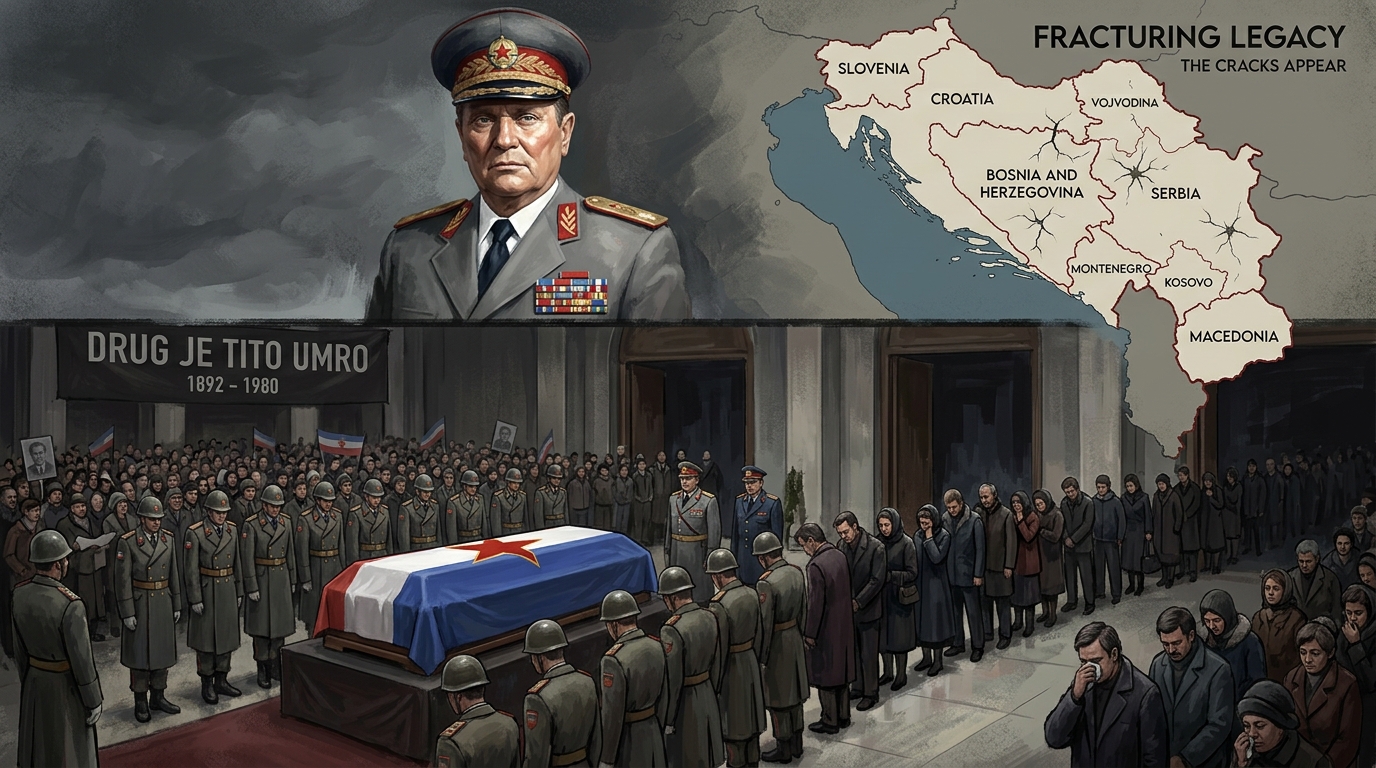
The Death of Tito in 1980: The Beginning of the End for Yugoslavia
The passing of Yugoslavia's lifetime president, the end of the Non-Aligned golden era, and the beginning of the economic and political collapse.

The Camp David Accords of 1978: Historical Peace in the Middle East
The intense negotiations at Camp David that led to the first peace treaty between an Arab nation and Israel, brokered by Jimmy Carter.
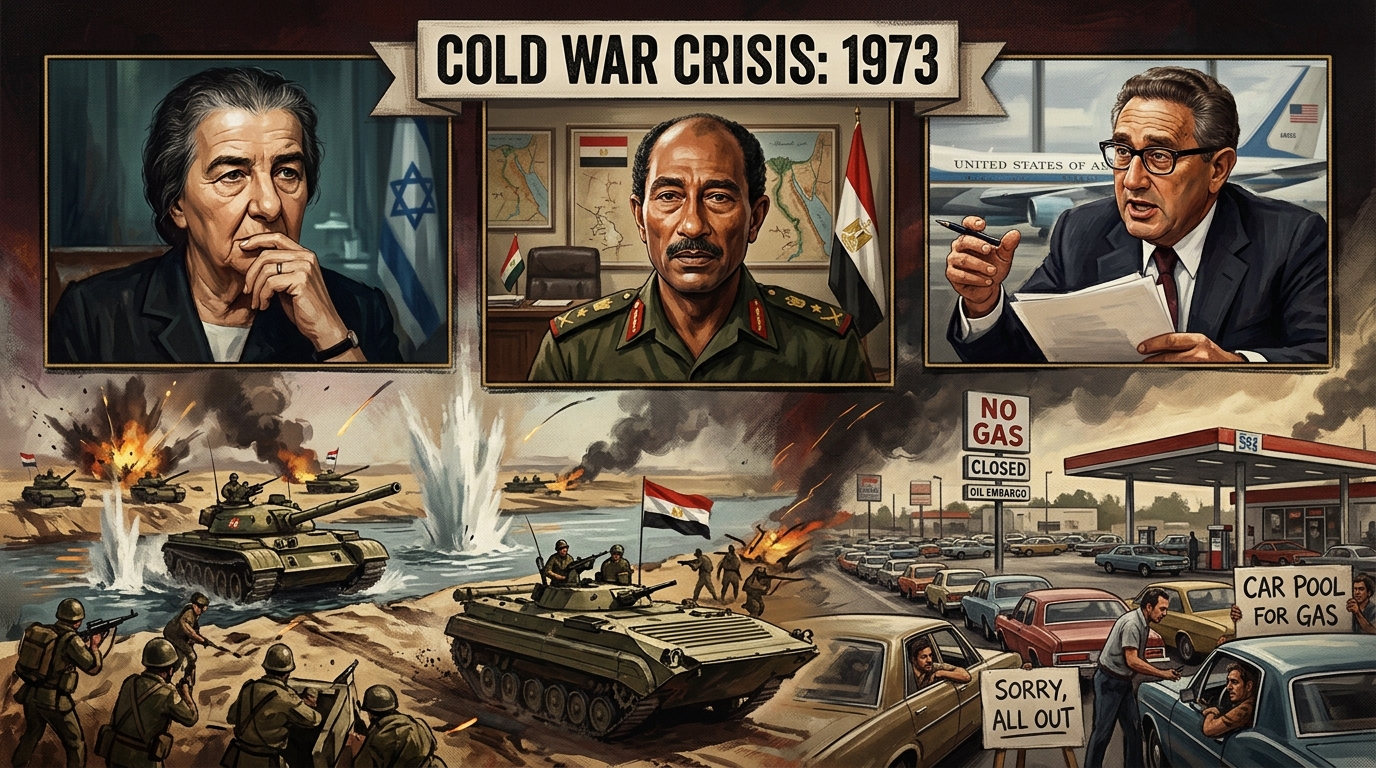
The Yom Kippur War of 1973: Oil Embargo and Superpower Confrontation
The surprise attack on Israel on Yom Kippur, the threat of superpower escalation, and the Arab oil embargo that paralyzed Western economies.
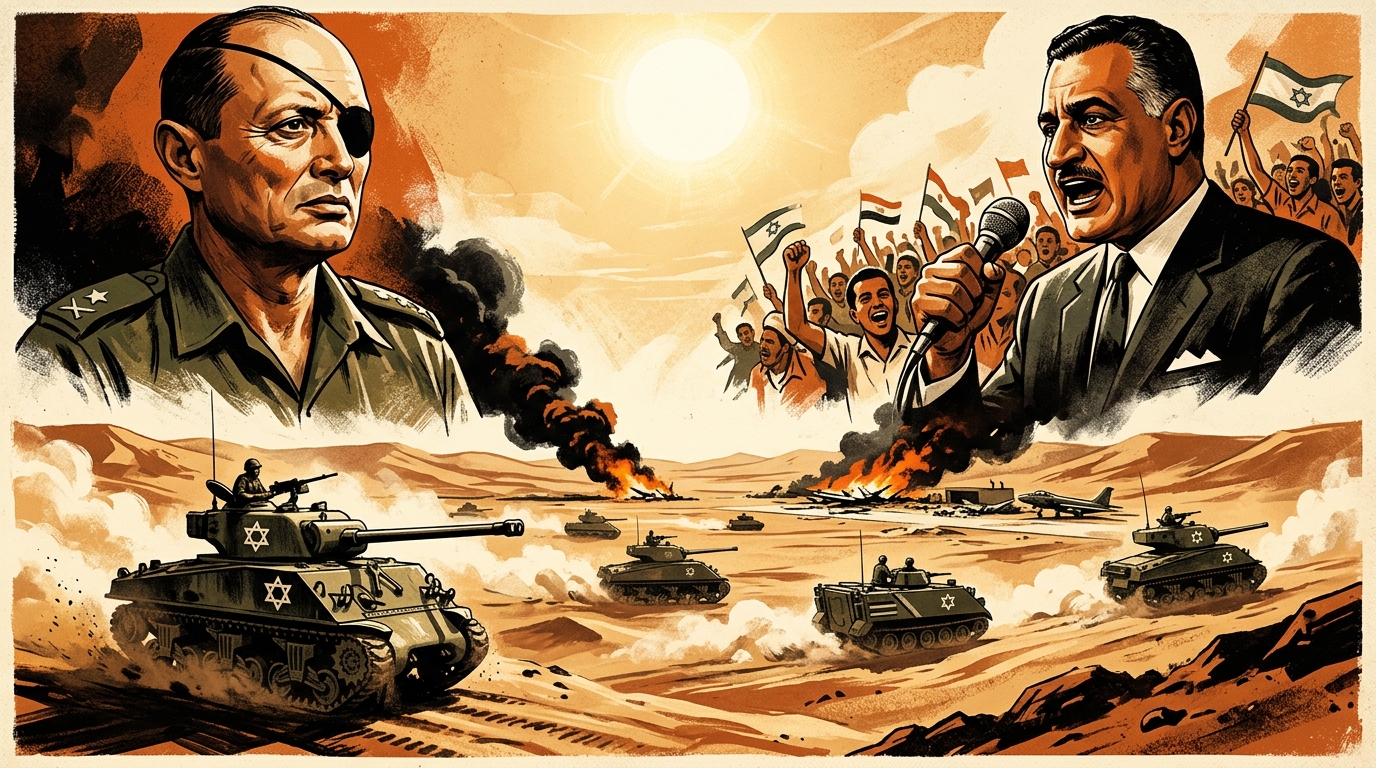
The Six-Day War of 1967: Redefining the Middle East Map
Israel's preemptive strike against Arab states, leading to a swift six-day victory and the occupation of the West Bank, Gaza, and Sinai.
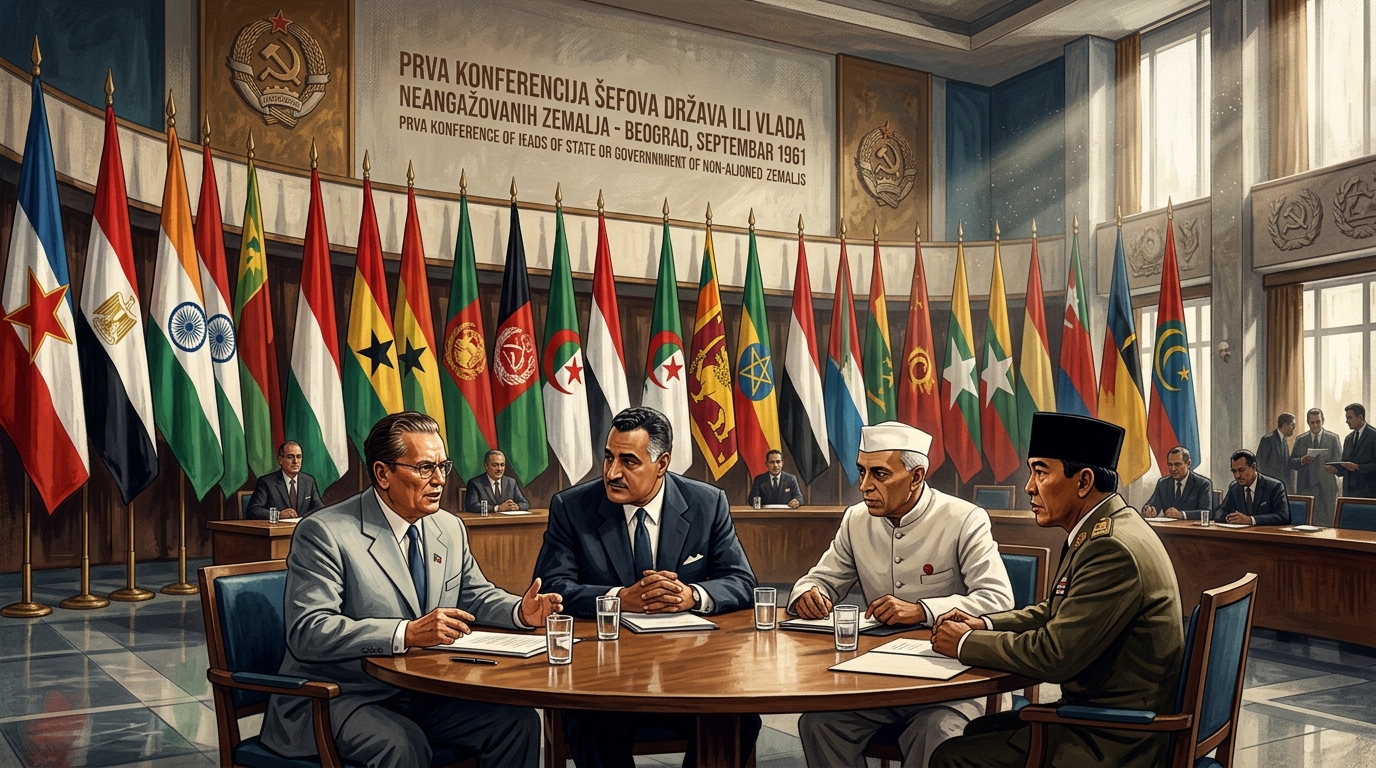
The Belgrade Conference of 1961: Founding the Non-Aligned Movement
The historic summit in Belgrade where 25 nations offered an alternative to the bloc division of the world, creating the Non-Aligned Movement.
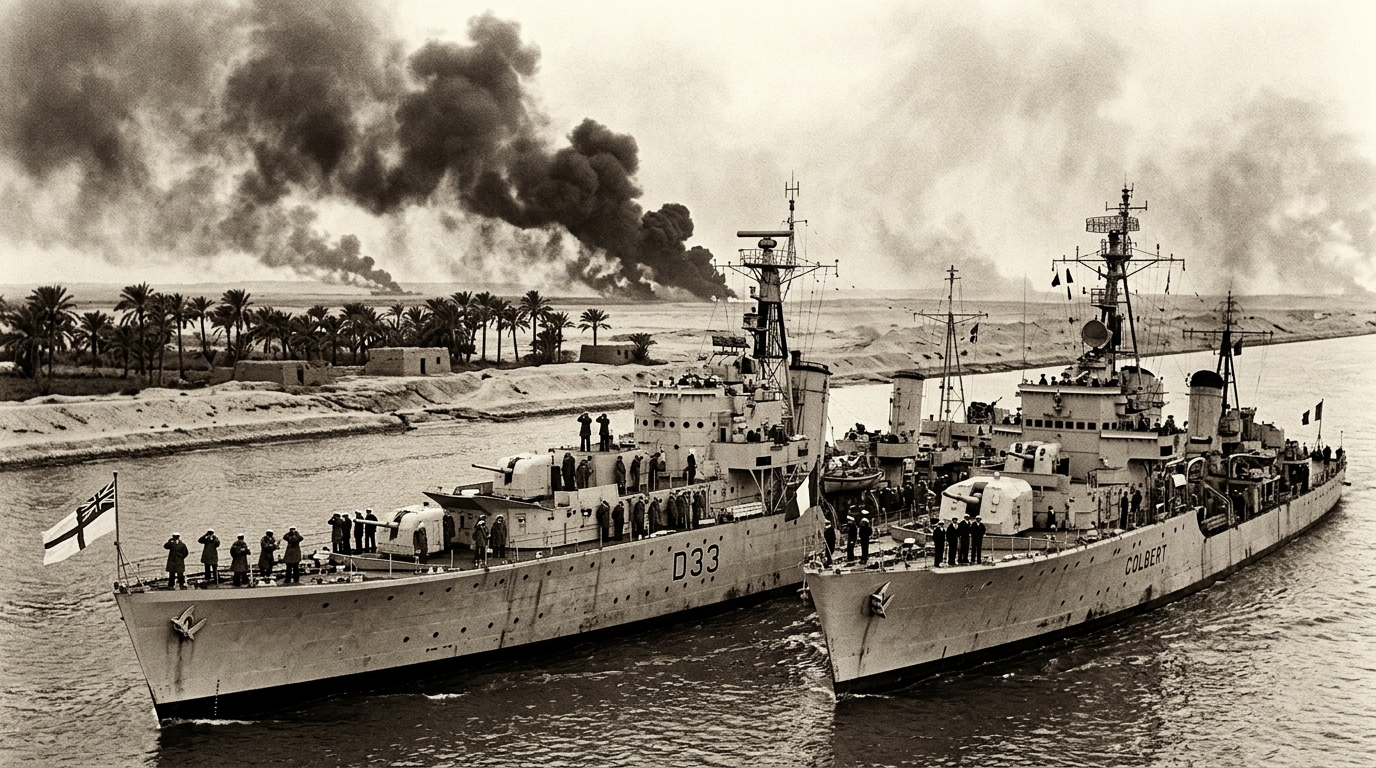
The Suez Crisis of 1956: The Eclipse of Colonial Empires
The Suez Crisis of 1956 was a pivotal geopolitical event, marked by the nationalization of the Suez Canal, a tripartite military intervention by Britain, France, and Israel, and the subsequent diplomatic crisis that irrevocably accelerated the decline of European colonial empires and fundamentally reshaped the Cold War's global dynamics. It exposed the limitations of traditional European power projection and solidified the bipolar world order dominated by the United States and the Soviet Union.
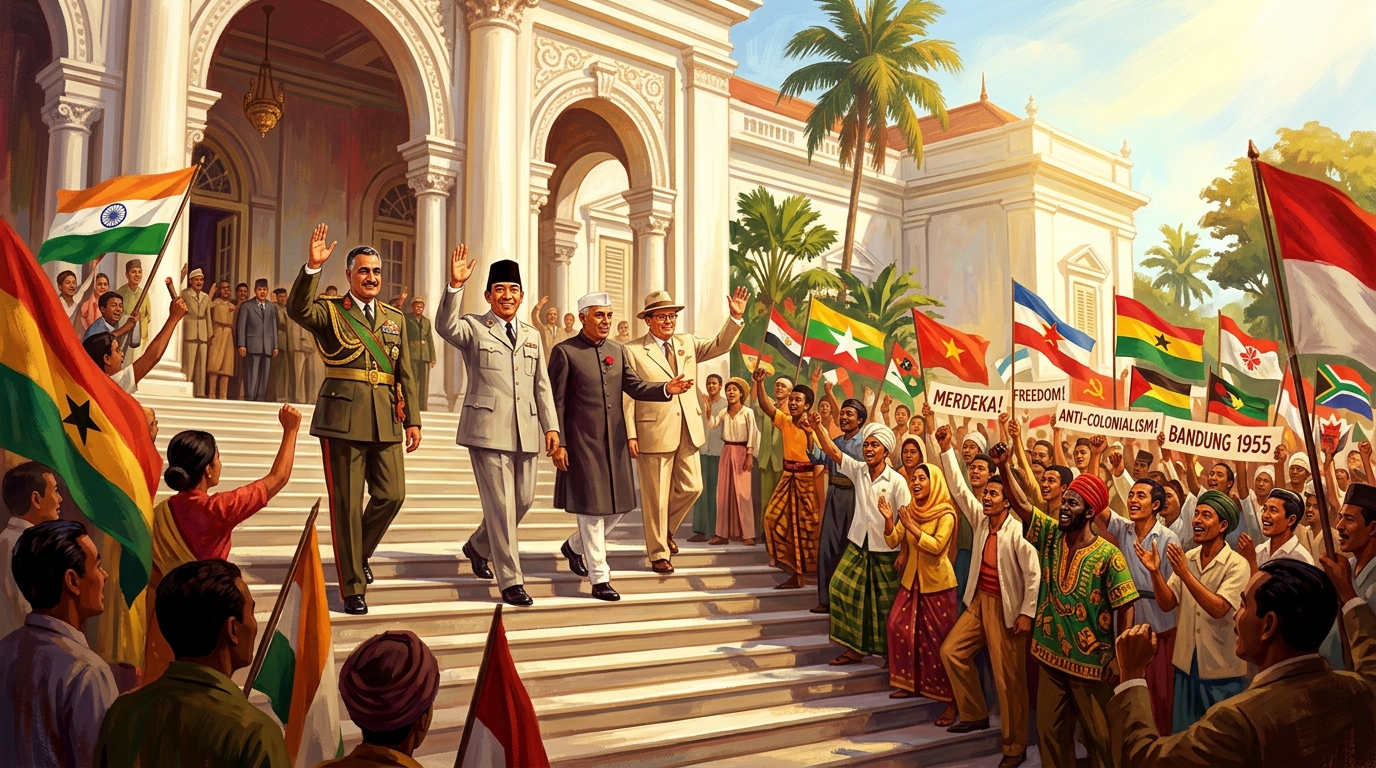
The Bandung Conference of 1955: The Awakening of the Third World
The historic gathering of Asian and African leaders in Indonesia that laid the foundations of anti-colonialism and the Non-Aligned Movement.
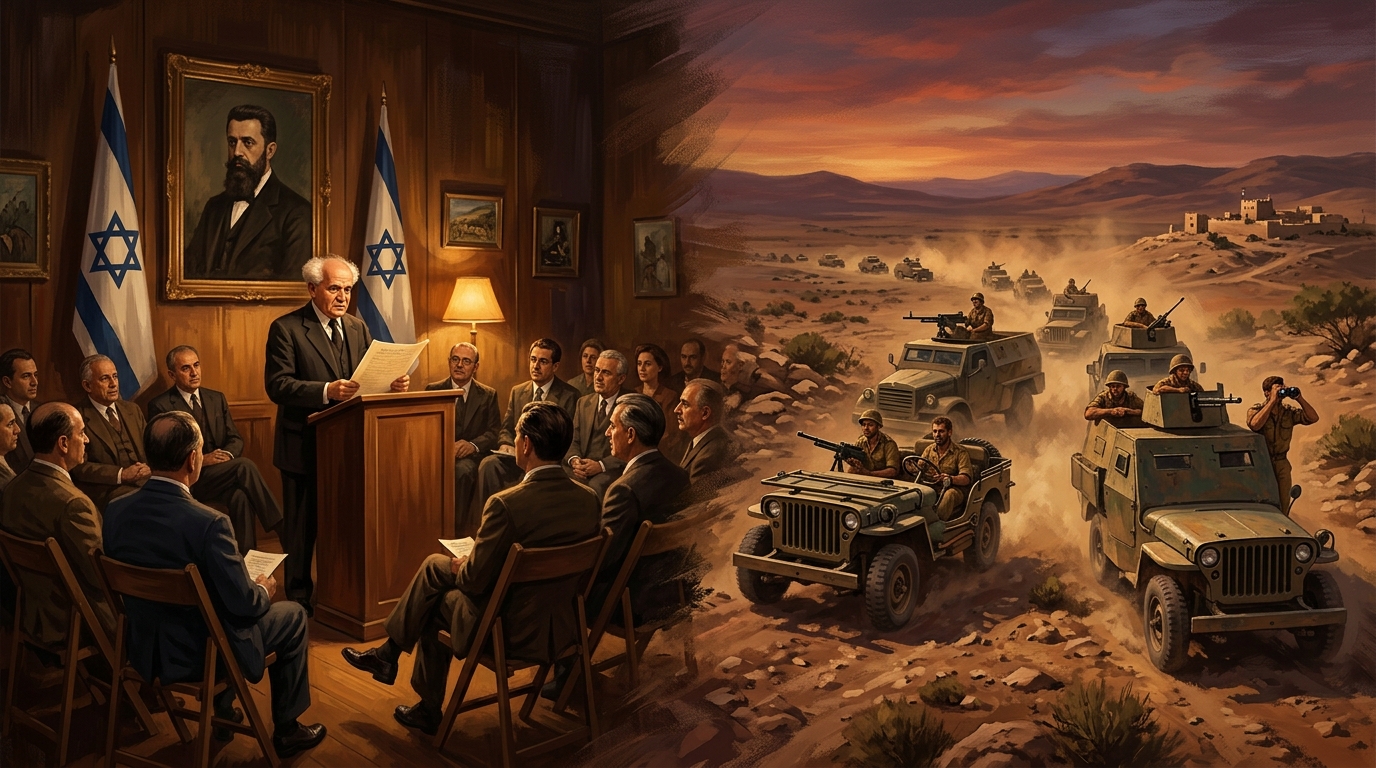
The Founding of Israel and the 1948 Arab-Israeli War
The 1948 declaration of independence of Israel and the immediate conflict with the coalition of Arab states that reshaped the Middle East map.
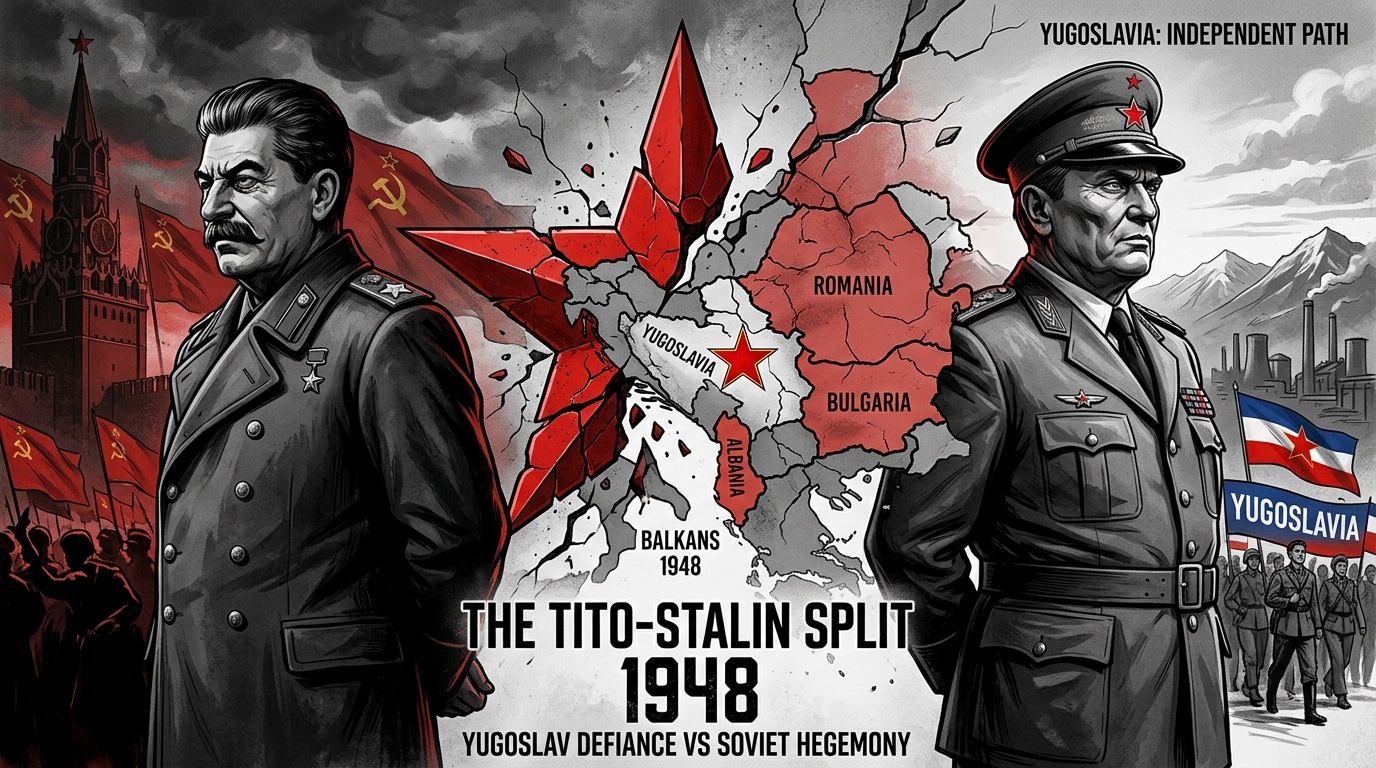
The Soviet-Yugoslav Split of 1948: How Tito Defied Stalin
An analysis of the biggest ideological and political earthquake in the communist world: how Yugoslavia said 'no' to Stalin and survived Soviet threats.
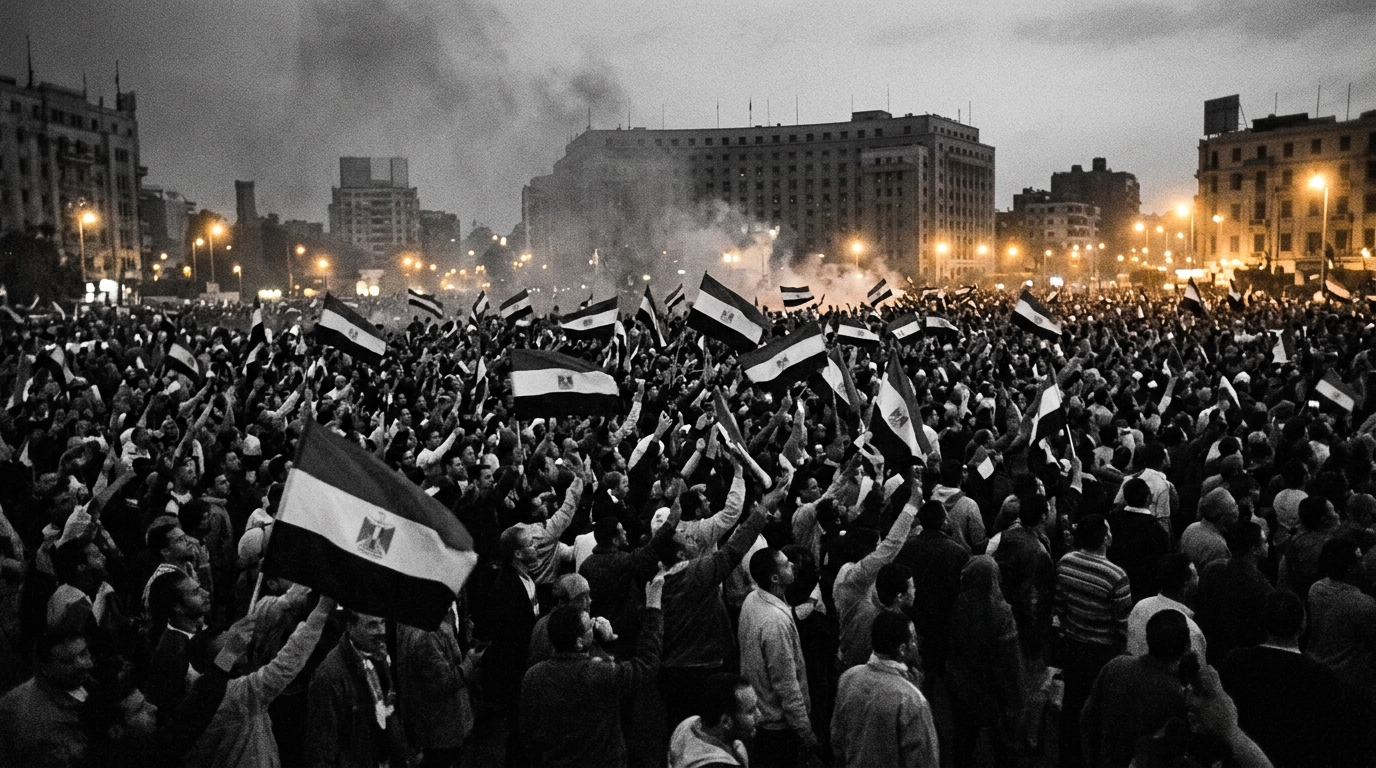
The 2011 Egyptian Revolution: The Fall of Hosni Mubarak on Tahrir Square
Eighteen days of massive protests on Tahrir Square that forced Mubarak's resignation, setting the stage for the rise of the Muslim Brotherhood.