Key Takeaways
- The 2011-2012 'tandem' leadership swap fundamentally altered Russia's political trajectory, moving away from a facade of institutional liberalization toward an entrenched, centralized 'sovereign democracy' with a clear anti-Western vector.
- The Bolotnaya Square protests represented the most significant, broad-based challenge to Kremlin authority since the 1990s, revealing a deep urban-rural divide in Russian political sentiment and prompting a sharp turn towards domestic repression.
- Putin's return marked the definitive end of the Medvedev-era 'reset' with the West, transitioning toward a policy of aggressive nationalism, Eurasian integration, and direct geopolitical friction, notably foreshadowing the 2014 annexation of Crimea and the conflict in Ukraine.
- The period saw the systematic dismantling of civil society, the instrumentalization of 'traditional values,' and the legal formalization of mechanisms to suppress dissent and foreign influence, thereby solidifying Putin's personalistic rule.
Historical Context and Origins
The political landscape of Russia in the early 2010s was intricately defined by the highly unusual and often contradictory "tandemocracy"—a dual-leadership arrangement between Vladimir Putin, then Prime Minister, and Dmitry Medvedev, the President. This unique political construct, which had no formal constitutional basis, emerged after Putin completed his two constitutionally mandated presidential terms (2000–2008). Rather than seeking a constitutional amendment to extend his tenure, Putin strategically positioned his long-time confidante, Dmitry Medvedev, in the presidency, while he himself assumed the powerful role of Prime Minister. This period was initially characterized by a cautious sense of hope for modernization, exemplified by Medvedev’s public embrace of technological innovation, his rhetorical commitment to legal reform, and the significant "reset" policy with the United States under the Obama administration, which aimed to repair strained bilateral relations.
However, beneath the veneer of Medvedev's outward-looking and reformist rhetoric, the underlying power vertical remained firmly within the purview of Vladimir Putin and the security services, or siloviki, who constituted the Kremlin's inner circle. Key strategic decisions, particularly concerning national security, energy policy, and personnel appointments, were widely understood to originate from Putin's office. This created a tension between Medvedev's seemingly liberal agenda and the deeply entrenched conservative, statist forces that truly held sway. By 2011, the lingering effects of the 2008 global financial crisis, which had impacted Russia's oil-dependent economy, combined with a growing perception of political stagnation and endemic corruption, began to erode the Kremlin's legitimacy, especially among the burgeoning urban middle class. When Putin and Medvedev abruptly announced their decision to swap positions at the United Russia party congress in September 2011 – a move famously dubbed "rokirovka" (castling) after a chess maneuver – the Russian public, particularly the segments that had hoped for genuine political evolution, viewed the move not as a legitimate democratic succession, but as a cynical, proprietary exchange of power. This moment signaled that the presidency was not a competitive office representing the will of the people, but rather a pre-ordained asset to be passed between a select elite, fundamentally undermining any lingering belief in Russia's democratic trajectory. The "rokirovka" was the spark that ignited a period of unprecedented public dissent.
Socio-Economic Underpinnings and Discontent
The widespread discontent that manifested in the 2011-2012 protests was not merely a reaction to electoral fraud; it was deeply rooted in a confluence of socio-economic grievances that had been simmering beneath the surface of Russia's seemingly stable political landscape. While the early 2000s under Putin saw significant economic recovery and improved living standards, fueled by high oil prices, by the latter half of the decade, the limitations of this growth model became increasingly apparent. Russia remained heavily reliant on natural resource extraction, with insufficient diversification and a persistent problem of capital flight.
The global financial crisis of 2008-2009 exposed the vulnerabilities of the Russian economy, triggering a recession and highlighting the state's pervasive corruption and inefficiency. The urban middle class, which had benefited most from the economic boom, grew increasingly frustrated by the lack of opportunities for genuine political participation, the arbitrary application of the law, and the seemingly endless cycle of state-sponsored corruption that stifled innovation and fair competition. Figures like Alexei Navalny, through his anti-corruption blog and investigations, effectively tapped into this widespread anger, branding the ruling United Russia party as "the party of crooks and thieves." This resonated powerfully with a segment of society that felt disenfranchised despite their economic successes.
Furthermore, a significant generational divide was emerging. Younger Russians, more connected to global information flows through the internet and social media, were less swayed by traditional state propaganda and increasingly yearned for a political system that mirrored the democratic aspirations of their European neighbors. The "tandem" swap, therefore, wasn't just a political misstep; it was a profound psychological blow that confirmed their worst suspicions: that the political system was a closed shop, impervious to public will and devoid of genuine democratic competition. The protests, therefore, became an outlet for expressing not just anger over specific electoral violations, but a deeper, more existential crisis of legitimacy for the entire Putinist system among a crucial demographic. The perceived cynicism of the "rokirovka" alienated not only liberals but also a broader swath of the populace who felt their aspirations for a modern, just Russia were being deliberately thwarted by a self-serving elite.
Timeline of Events and Key Moments
The transition of 2012 was a profoundly volatile period that saw Russia dramatically transform from a state ostensibly experimenting with limited liberalization to one that institutionalized internal repression and external assertiveness. The key events unfolded rapidly, each contributing to the rising tide of discontent and the subsequent governmental crackdown.
| Date | Event | Significance |
|---|---|---|
| September 24, 2011 | The "Tandem Swap" | Vladimir Putin and Dmitry Medvedev announce their intention to swap roles at the United Russia Congress, with Putin returning to the presidency. This pre-orchestrated announcement effectively signaled the end of any meaningful democratic competition for the presidency and ignited widespread public outrage, particularly among the urban intelligentsia. |
| December 4, 2011 | State Duma Elections | Parliamentary elections are held, resulting in a significantly reduced majority for United Russia amidst widespread allegations of systemic fraud, ballot stuffing, and procedural irregularities. Independent observers and social media users meticulously document numerous violations, sparking the first major wave of public protests across Russia. |
| December 5-6, 2011 | Initial Protests | Small-scale but significant demonstrations erupt in Moscow and St. Petersburg immediately following the Duma election results, met with initial arrests and police dispersal. These early protests laid the groundwork for larger, more organized actions. |
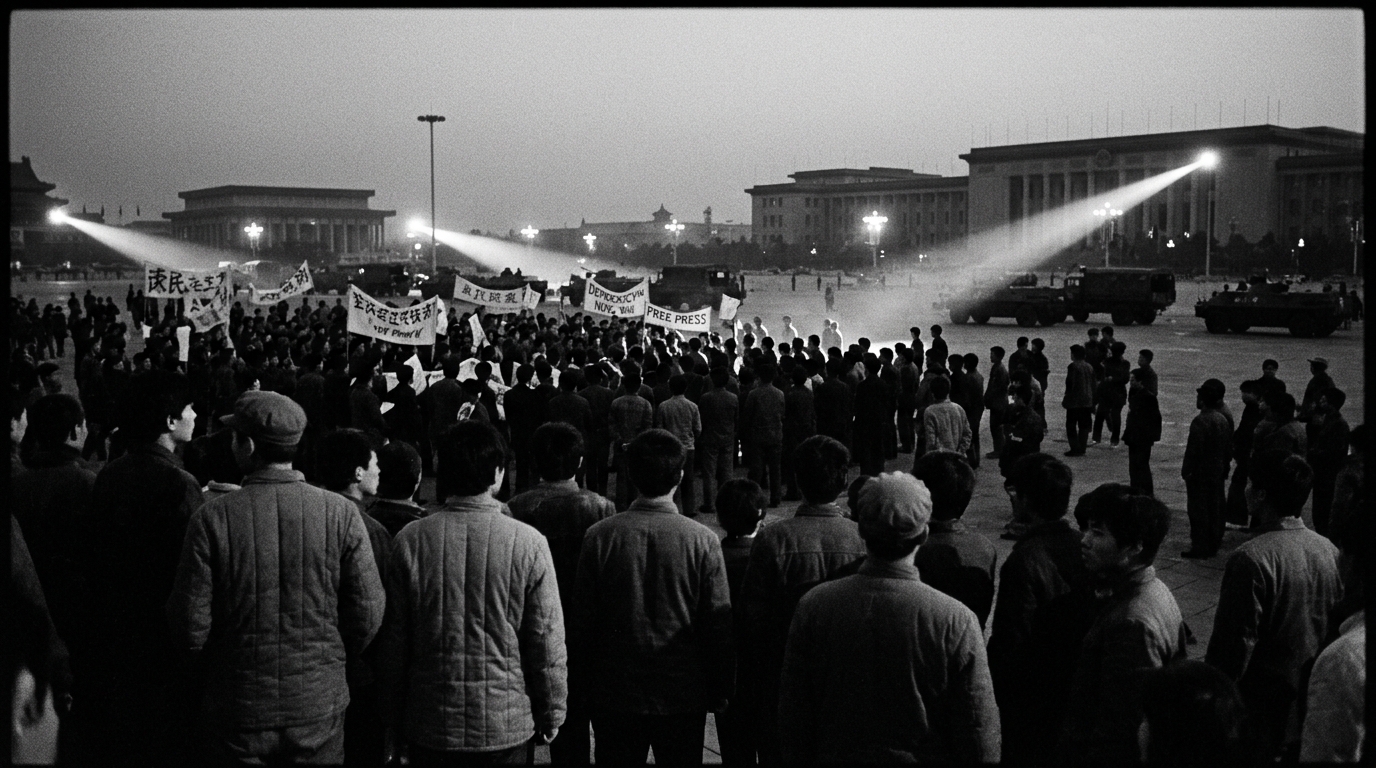
| December 10, 2011 | Bolotnaya Square Protest | Approximately 50,000 to 100,000 citizens converge on Bolotnaya Square in Moscow (and similar protests in other cities) to demonstrate against electoral fraud and the perceived illegitimacy of the political system. This event marked the largest political demonstration in Russia since the collapse of the Soviet Union, showcasing an unprecedented level of civic mobilization. |
| February 4, 2012 | Mass Protests | Another major wave of protests, including one on Bolotnaya Square and another on Sakharov Avenue, draws tens of thousands, demonstrating sustained opposition weeks before the presidential election. These rallies showcased the persistent demands for fair elections and political reform. |
| March 4, 2012 | Presidential Election | Vladimir Putin is officially elected president with 63.6% of the vote. Despite the widespread protests and calls for free and fair elections, the results largely mirror pre-determined outcomes, leading to accusations of continued administrative resource use and electoral manipulation. |
| May 6, 2012 | "March of Millions" | On the eve of Putin's inauguration, a large-scale protest in Moscow, dubbed the "March of Millions," descends into clashes with riot police on Bolotnaya Square. The event results in hundreds of arrests and injuries, and becomes a pretext for the government to initiate a severe crackdown on opposition figures and civil society. |
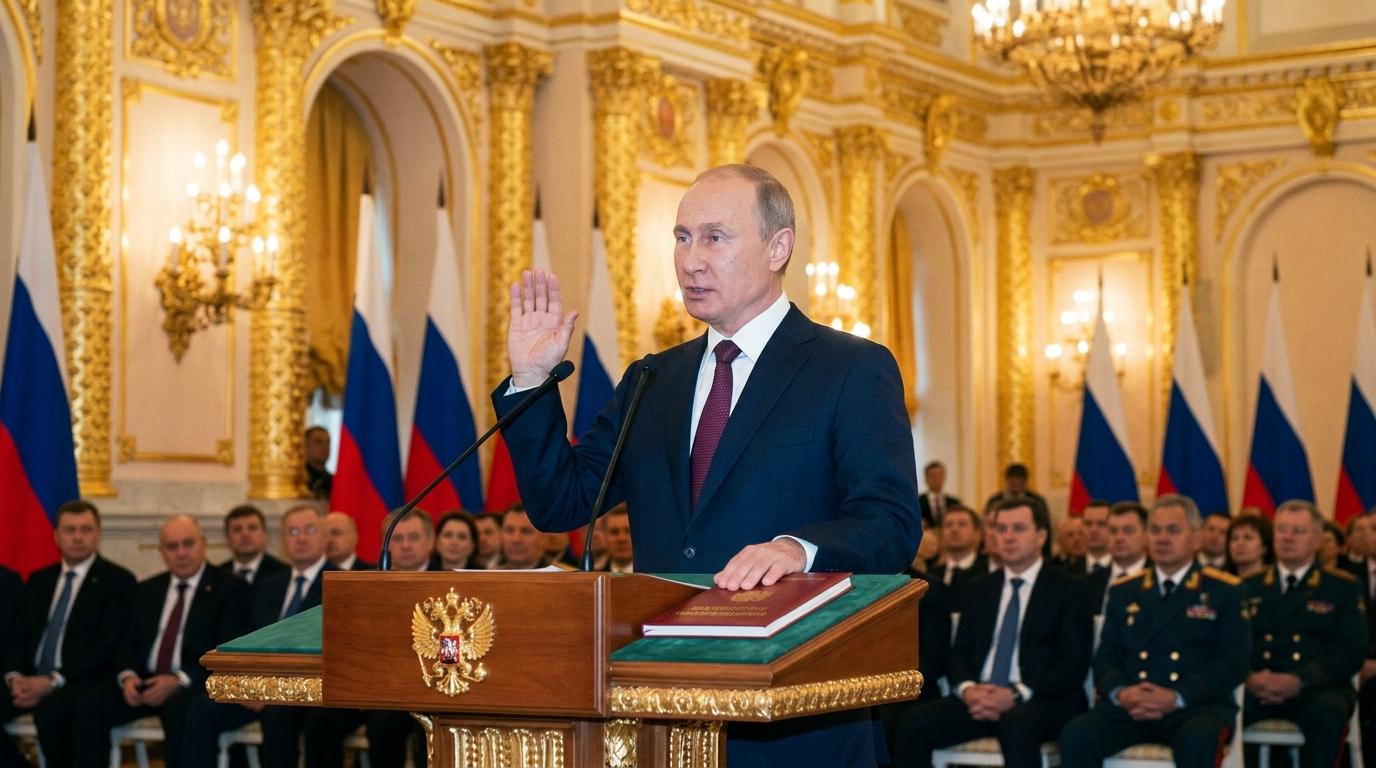
| May 7, 2012 | Inauguration Day | Vladimir Putin formally begins his third presidential term with an elaborate ceremony. The public spectacle, contrasted with the recent violence and the empty streets of Moscow, symbolizes the new, more authoritarian direction of his rule. |
The Bolotnaya Protests: A Turning Point
The protests at Bolotnaya Square and subsequently on Sakharov Avenue were truly distinct from previous Russian demonstrations because of their unprecedented scale, geographical spread, and the broad coalition of participants. Unlike earlier, smaller protests dominated by specific ideological groups, the "Fair Elections" movement united disparate elements: urban liberals and intelligentsia who sought Western-style democracy, left-wing activists, environmentalists, and even elements of nationalist groups. They were united by a singular, powerful demand: an end to electoral fraud and genuine political competition.
These protests were significantly fueled by the rise of digital activism. Social media platforms like LiveJournal, Facebook, and later VKontakte, alongside independent news websites, played a crucial role in organizing demonstrations, disseminating information about alleged fraud, and bypassing state-controlled media. Figures like Alexei Navalny, who effectively leveraged his blog and YouTube channel to expose corruption and mobilize supporters, became household names, famously branding United Russia as the "party of crooks and thieves" – a slogan that encapsulated the public's disillusionment. The sheer volume of people who showed up, braving the cold Russian winter – a phenomenon that led to the protests being dubbed the "Snow Revolution" – signaled a genuine and widespread awakening of civic consciousness, especially within the educated, internet-savvy urban populations. The government's initial reaction was a mix of surprise and underestimation, but it quickly transitioned to a strategy of containment, delegitimization, and eventually, systematic repression. The events of May 6, 2012, on Bolotnaya Square, which saw violent clashes between protesters and riot police, provided the Kremlin with the justification it needed to frame the opposition as radical and dangerous, setting the stage for a period of intensified crackdowns.
International Reactions and Perceptions
The international community's reaction to Putin's return and the accompanying crackdown was complex and varied, reflecting the diverse geopolitical interests and ideological leanings of different global actors. Initially, Western capitals, particularly Washington D.C. and Brussels, expressed disappointment and concern. The "Medvedev Reset" with the U.S. had shown some tangible results, including cooperation on arms control (New START Treaty), transit routes for Afghanistan, and some joint efforts in counter-terrorism. There was a lingering hope among some Western policymakers that Medvedev represented a genuine path towards Russian liberalization. Putin's return, and especially the heavy-handed response to the Bolotnaya protests, shattered these illusions.
Western media largely depicted Putin's return as a retrograde step, consolidating an authoritarian personalistic rule and ending any pretense of democratic development. Human rights organizations and NGOs worldwide condemned the crackdown on civil society, the arrests of opposition leaders, and the increasing restrictions on freedoms of assembly and speech. The Foreign Agents Law, in particular, was widely criticized as a tool to stigmatize and silence independent voices within Russia.
However, the response from Western governments was not uniformly strong or coordinated. While statements of concern were issued and some sanctions were contemplated (such as the Magnitsky Act in the U.S., which targeted Russian human rights abusers), there was no immediate, overarching geopolitical realignment in response to Putin's domestic policies. Many European nations, heavily reliant on Russian energy supplies, adopted a more cautious approach. There was a desire to maintain dialogue and cooperation on issues such as Iran's nuclear program and Syrian stability. The general perception was that while Russia was becoming more authoritarian internally, its foreign policy might remain pragmatic. This perception, however, would be severely tested and ultimately overturned in the years that followed, particularly with the 2014 events in Ukraine, which revealed the true extent of Putin's assertive and confrontational geopolitical vision. The 2012 return was thus seen as a turning point, signaling a clear departure from the perceived norms of post-Cold War international relations, but the full implications of this shift would only gradually become apparent.
Geopolitical Consequences and Aftermath
The return of Vladimir Putin to the Kremlin effectively ended the "Medvedev Reset" and initiated a new era of confrontational foreign policy, driven by a deep-seated suspicion of Western intentions and a renewed ambition to restore Russia's great-power status. Where Medvedev had overseen the signing of the New START treaty, allowed UN Security Council Resolution 1973 on Libya to pass (a decision Putin famously criticized as "medieval crusades" and an unforgivable overreach), and embraced multilateralism, the 2012–2018 term was defined by a hardening of positions, a rejection of Western liberal democratic norms, and a clear move towards a multi-polar world order led by Russia.
Putin articulated a worldview where the West, particularly the United States, was engaged in a continuous effort to undermine Russia's sovereignty and influence, often through "color revolutions" and the promotion of universal human rights as a Trojan horse for regime change. His speeches, notably at the Valdai Club in 2013, became increasingly critical of the unipolar world order, championing a "sovereign democracy" model that prioritized national stability and unique cultural values over perceived Western universalism.
"The attempt to impose one's own system of values on other nations often leads to a degradation of culture and a loss of identity, and ultimately to chaos and a multitude of conflicts." — Vladimir Putin, Valdai Club Speech (2013)
This ideological shift was quickly translated into concrete policy actions aimed at both shoring up domestic control and projecting Russian power abroad, particularly in the post-Soviet space. The renewed emphasis on Eurasian integration became a cornerstone of this strategy, directly challenging the European Union's eastward expansion and laying the groundwork for future conflicts.
Institutional Changes
Following his return, Putin enacted a series of meticulously crafted laws that fundamentally altered the Russian political environment, systematically dismantling the infrastructure of civil society and curbing dissent:
- The Foreign Agents Law (July 2012): This landmark legislation required NGOs receiving foreign funding and engaging in vaguely defined "political activities" to register as "foreign agents." The term, carrying strong connotations of espionage from the Soviet era, was designed to stigmatize civil society groups, erode public trust in their work, and ultimately cut off their funding sources. Its implementation led to the closure of numerous prominent human rights organizations, environmental groups, and independent research centers, effectively crippling Russia's nascent civil society. The law was steadily expanded in subsequent years to include individual journalists, bloggers, and even media outlets, creating an ever-widening net of censorship and control.
- The Magnitsky Act Retaliation (Dima Yakovlev Law, December 2012): In a direct and symbolic act of defiance against the U.S. Magnitsky Act (which sanctioned Russian officials implicated in human rights abuses), Russia enacted a retaliatory measure known as the Dima Yakovlev Law. This controversial law banned U.S. citizens from adopting Russian orphans, prohibited Russian officials involved in human rights abuses from traveling to the U.S., and froze their assets there. The law was widely condemned internationally for using vulnerable children as geopolitical pawns and signaled the beginning of a legislative crusade against perceived Western interference and an aggressive tit-for-tat dynamic in bilateral relations.
- Expansion of Treason Laws (October 2012): The definition of treason was significantly broadened to include a wide range of activities, making it easier to prosecute individuals accused of assisting foreign entities. This created an atmosphere of fear and self-censorship, particularly among academics, scientists, and civil society activists who engaged with international partners.
- Internet Control Laws (2012 onwards): A series of laws aimed at regulating the internet were passed, including measures to blacklist websites deemed to contain illegal content (such as child pornography, drug-related information, or extremist materials), but also paving the way for blocking independent news sites and opposition platforms. These laws laid the foundation for Russia's eventual "sovereign internet" strategy, designed to insulate Russian cyberspace from external influence and control.
- Re-criminalization of Defamation (July 2012): While defamation had been decriminalized under Medvedev, Putin's return saw its re-criminalization, with harsher penalties including significant fines and even imprisonment. This move was widely seen as a tool to silence critical journalists and political opponents.
- The Eurasian Economic Union (EEU) Initiative: On the geopolitical front, Putin focused heavily on consolidating regional influence. The formation of the Eurasian Economic Union (EEU) in 2014 (building on earlier customs union agreements) was a key initiative, designed to integrate former Soviet states economically and politically. This was explicitly framed as a counterweight to the European Union's influence in the region, particularly its Eastern Partnership program, and aimed to prevent former Soviet states from pivoting toward Brussels. This intense competition for geopolitical alignment ultimately set the stage for the escalating crisis in Ukraine in 2014, when Kyiv's pivot towards the EU triggered a forceful Russian response.
Analysis of Key Actors and Decisive Actions
Vladimir Putin: The Architect of Continuity and Counter-Revolution
Vladimir Putin viewed his return not merely as a change of office but as a "restoration" of order and a rectification of what he perceived as the weak-willed and potentially chaotic interregnum of the Medvedev presidency. His actions post-2012 were characterized by a relentless drive to consolidate power, eliminate perceived internal threats, and assert Russia's sovereign role on the global stage. He strategically shifted the ideological rhetoric of his governance towards "Traditional Values," effectively instrumentalizing the Russian Orthodox Church, promoting conservative social policies (e.g., anti-LGBT laws), and fostering a new, distinct national identity that explicitly contrasted with the "decadent," liberal West. This narrative resonated strongly with a significant portion of the Russian populace, providing a sense of cultural distinctiveness and moral superiority. His decisive actions included the legislative crackdown on civil liberties, the professionalization and expansion of internal security forces, and a complete overhaul of foreign policy to reflect a more confrontational stance against the U.S. and NATO. Putin's actions demonstrated a masterful control over the levers of power, utilizing both legalistic measures and direct state force to achieve his objectives.
Dmitry Medvedev: The Loyal Subordinate and Technocrat
Dmitry Medvedev’s transition to the Prime Ministership was a poignant indicator of the nature of power in Russia. Despite having previously hinted at further democratization, legal reforms, and a more open society, his role as Prime Minister became one of unquestioning loyalty and technocratic implementation of Putin’s increasingly conservative and repressive agenda. He effectively distanced himself from the reformist image he had cultivated, and on which many reformers had once pinned their hopes, becoming a visible but ultimately subordinate figure within the power vertical. His administration, while managing the daily operations of government, made no attempt to counter or even subtly challenge the new legislative assault on civil liberties. This loyal subordination underscored Putin’s absolute authority and demonstrated that even the presidential office, when occupied by someone else, ultimately served as a temporary placeholder until the "national leader" was ready to reclaim it. Medvedev's political future became intrinsically linked to Putin's continued rule, solidifying the impression of a single, indivisible center of power.
The Emerging Opposition: Fragmentation and Repression
The 2012 protests, despite their impressive scale, ultimately highlighted a deep fracture within Russian society and the inherent challenges facing any organized opposition. The diverse coalition of liberals, nationalists, and communists, while temporarily united by grievances against electoral fraud, lacked a cohesive ideology, a unified leadership, and a clear, actionable political program beyond demanding "fair elections." The Kremlin’s reaction was not to engage in dialogue or offer concessions but to pursue a deliberate strategy of "managed democracy" or "competitive authoritarianism," where elections were held, but the outcome was predetermined through pervasive media control, the strategic deployment of administrative resources, and the systematic intimidation and neutralization of political rivals.
Key opposition figures, such as Alexei Navalny, Boris Nemtsov (who would later be assassinated), Sergei Udaltsov, and Garry Kasparov, faced escalating pressure, including politically motivated criminal charges, arrests, and harassment. The protest movement, vibrant but ultimately leaderless and lacking institutional support, was unable to sustain its momentum against the full weight of the state's repressive apparatus. The government successfully portrayed the protests as either manipulated by foreign powers or led by unpatriotic elements, further eroding public support. The crackdown effectively fragmented the opposition, pushing many activists into exile, prison, or political irrelevance, thereby eliminating any significant challenge to Putin's consolidated authority for years to come.
Trivia and Lesser-Known Facts
- The "Lone" Inauguration: On May 7, 2012, Vladimir Putin’s motorcade made its way through the streets of Moscow to the Kremlin. The city center was cleared of all traffic and pedestrians, a stark visual contrast to the bustling, often chaotic Moscow. This led to iconic and haunting footage of the presidential limousine traveling through an empty, silent metropolis, symbolizing the state's absolute control and the isolation of power from the people. Many interpreted this as a deliberate display of strength and detachment in the wake of the mass protests.
- The Pussy Riot Trial: The performance of the feminist punk group Pussy Riot in the Cathedral of Christ the Saviour in February 2012, just months before the presidential election, was a provocative act of protest against Putin's close ties with the Russian Orthodox Church and his impending return to power. Their subsequent trial and imprisonment on charges of "hooliganism motivated by religious hatred" became a global cause célèbre, symbolizing the escalating struggle between Russia’s nascent liberal counterculture and the rising tide of religious-nationalist conservatism under Putin. The trial garnered international condemnation and brought significant negative attention to Russia's human rights record.
- The "Snow Revolution": The wave of protests following the December 2011 elections was popularly dubbed the "Snow Revolution" or "Winter of Discontent" because of the harsh Russian winter weather, which did not deter tens of thousands of protestors from standing in the streets of Moscow and other cities for hours on end. This moniker highlighted the resilience and determination of the protestors in the face of adverse conditions.
- The Rise of "Foreign Agent" Propaganda: The introduction of the "Foreign Agents Law" was not just a legal measure; it was part of a broader, sophisticated propaganda campaign. State-controlled media relentlessly pushed the narrative that anyone receiving foreign funds was an agent of external influence, seeking to destabilize Russia. This narrative effectively delegitimized critical voices and fostered a climate of suspicion, making it difficult for independent organizations to operate and garner public support.
References and Literature
- The New Tsar: The Rise and Reign of Vladimir Putin by Steven Lee Myers (Penguin Random House, 2015) - A comprehensive and highly acclaimed biography detailing Putin's political career, including an in-depth account of the 2012 transition, the Bolotnaya protests, and the solidification of his authoritarian authority.
- Foreign Affairs: Putin's Pivot by Dmitri Trenin (Foreign Affairs, May/June 2012) - An insightful archive analysis from a prominent Russian foreign policy expert, published shortly after Putin's return, detailing the anticipated geopolitical implications and the shift in Russia's international posture.
- The Rise of Managed Democracy in Russia by Richard Sakwa (Routledge, 2011) - A foundational academic overview of how the Kremlin utilized legalistic, administrative, and media-centric measures to neutralize political opposition and maintain control, providing crucial context for the post-2012 crackdown.
- Can Russia Modernize? Challenges to the Putin-Medvedev 'Tandemocracy' edited by Stephen K. Wegren and Dale R. Herspring (Routledge, 2012) - An academic collection of essays that analyzes the challenges and contradictions within the "tandemocracy" and the prospects for modernization, offering valuable insights into the political climate leading up to Putin's return.
- "Russia's Protests: The End of Putin's Legitimacy?" by M. Steven Fish (Journal of Democracy, Vol. 23, No. 2, April 2012) - An important academic article analyzing the nature, causes, and potential consequences of the 2011-2012 protest wave for the legitimacy of the Putin regime.
Footnotes & Explanations
- The "tandem" was a unique political formation that had no formal constitutional basis but functioned as an informal, strategic power-sharing agreement, designed primarily to circumvent constitutional term limits for Vladimir Putin. ↩
- The term "sovereign democracy" was heavily promoted by Kremlin strategist Vladislav Surkov in the mid-2000s to justify the suppression of Western-style democratic norms in favor of a distinct Russian political system that prioritized national stability, state sovereignty, and traditional values over universal human rights and liberal democratic processes. ↩
- The siloviki are influential figures from Russia's security services, military, and law enforcement agencies, who form a powerful and cohesive political faction deeply loyal to Vladimir Putin. ↩
- The "rokirovka" or "castling" term perfectly captured the cynical, pre-arranged nature of the power swap, as if the presidency was a chess piece rather than an elected office. ↩