Leader: Mullah Omar
Geopolitical analyses and chronicles addressing the decisions, influence, and historical impact of Mullah Omar.
Published Chronicles & Analyses
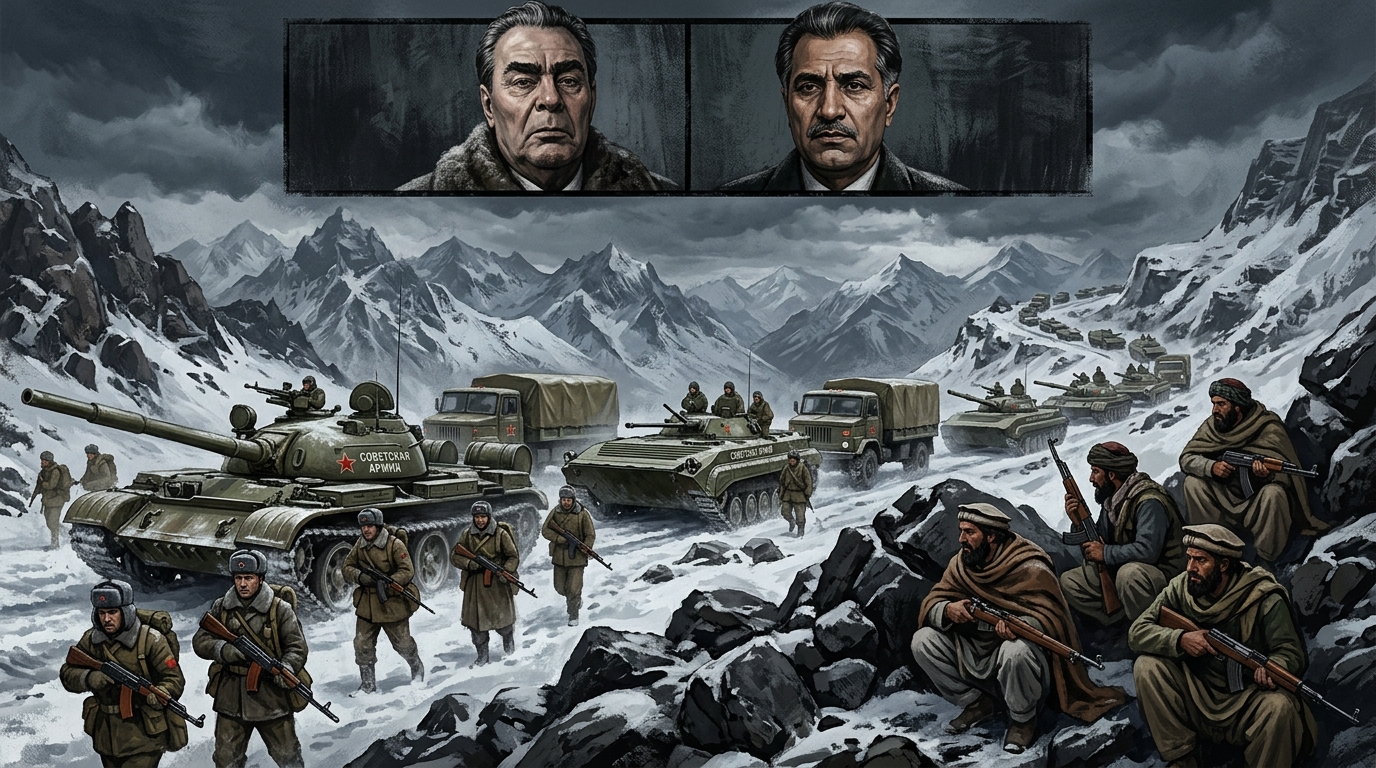
The Soviet Invasion of Afghanistan in 1979: Entering the Soviet Vietnam
The entry of Soviet troops to support a communist regime, the US arming of the Mujahideen, and the beginning of a decade-long war.
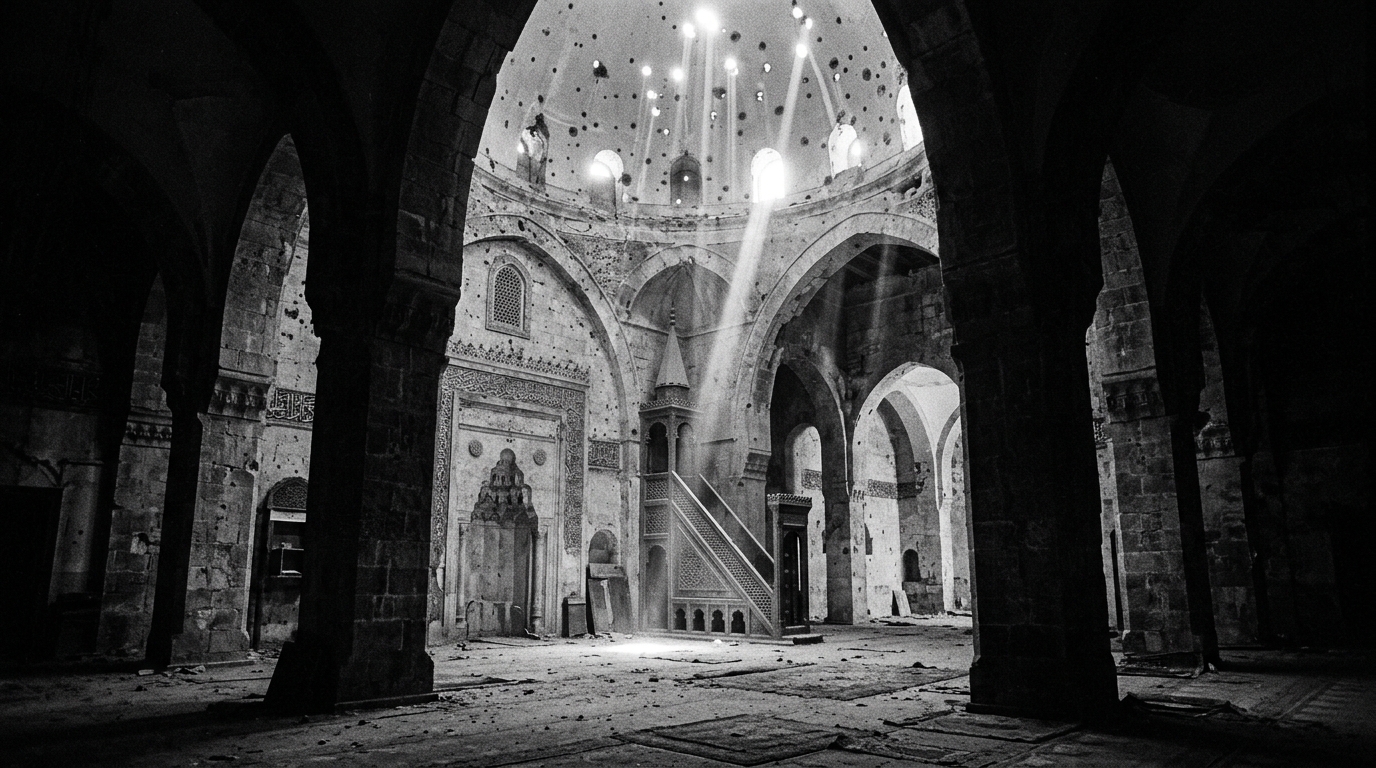
The Rise of ISIS in 2014: Proclaiming the Caliphate and Global Terror
A comprehensive historical and geopolitical analysis of the Islamic State's meteoric rise in 2014, detailing the capture of Mosul, the audacious proclamation of a global caliphate by Abu Bakr al-Baghdadi, and the formation of the international coalition to counter its unprecedented threat. The article explores the deep historical roots, strategic failures, and lasting global implications.
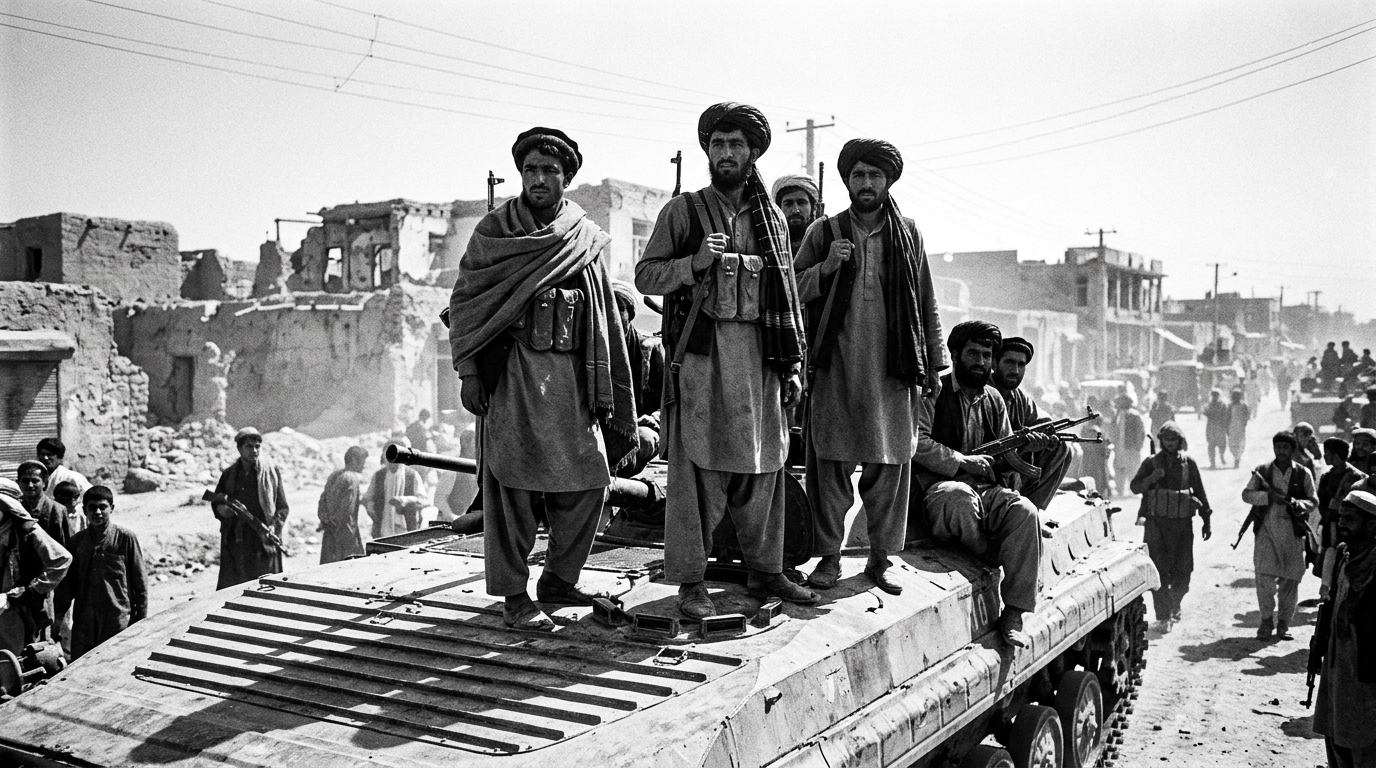
The Rise of the Taliban in Afghanistan 1996: The Islamic Fundamentalist Order
A comprehensive analysis of how the fundamentalist Taliban militia captured Kabul in 1996, enforced a strict interpretation of Sharia law, and transformed Afghanistan into a safe haven for Al-Qaeda, detailing the historical, geopolitical, and socio-economic factors at play.
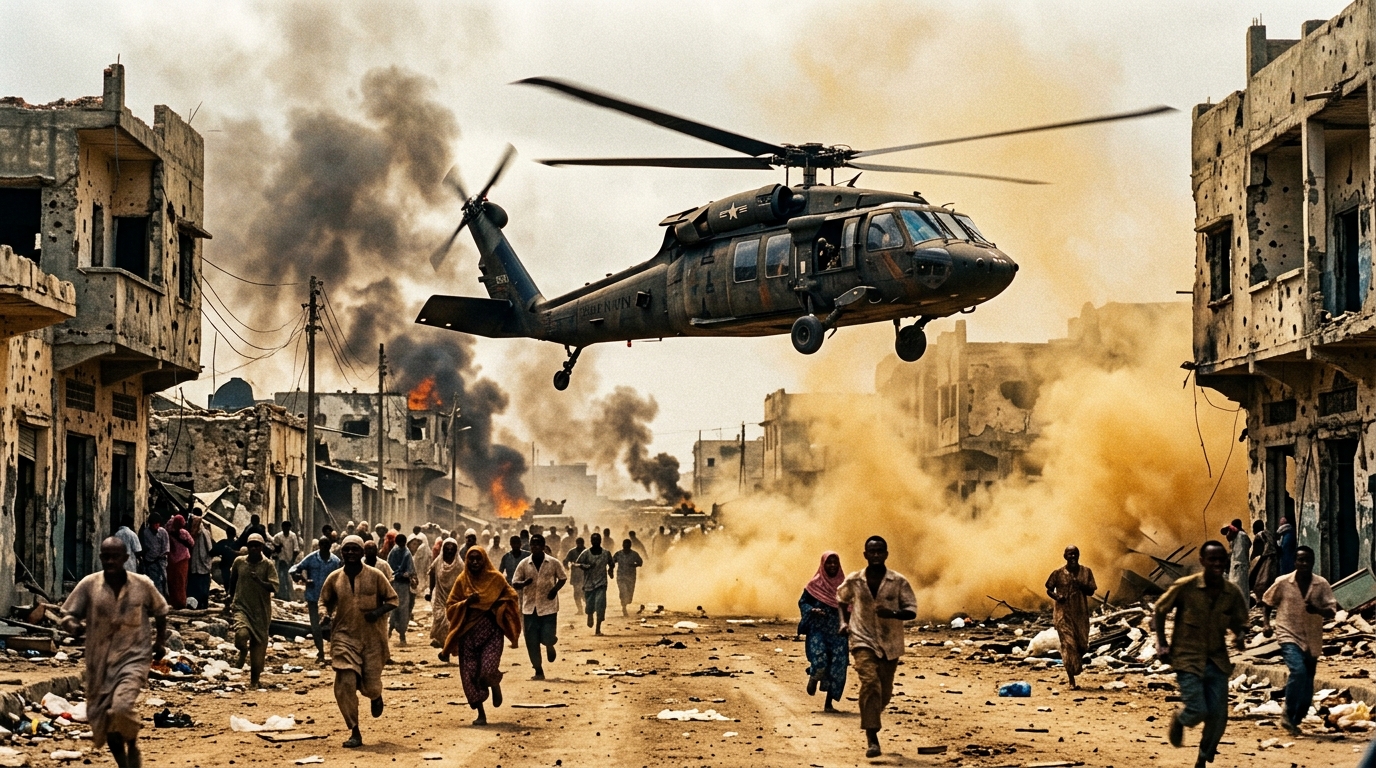
US Intervention in Somalia 1993 and the Battle of Mogadishu
Operation Restore Hope, the shootdown of two US Black Hawk helicopters, and the intense street battle that forced a shift in US intervention policy.
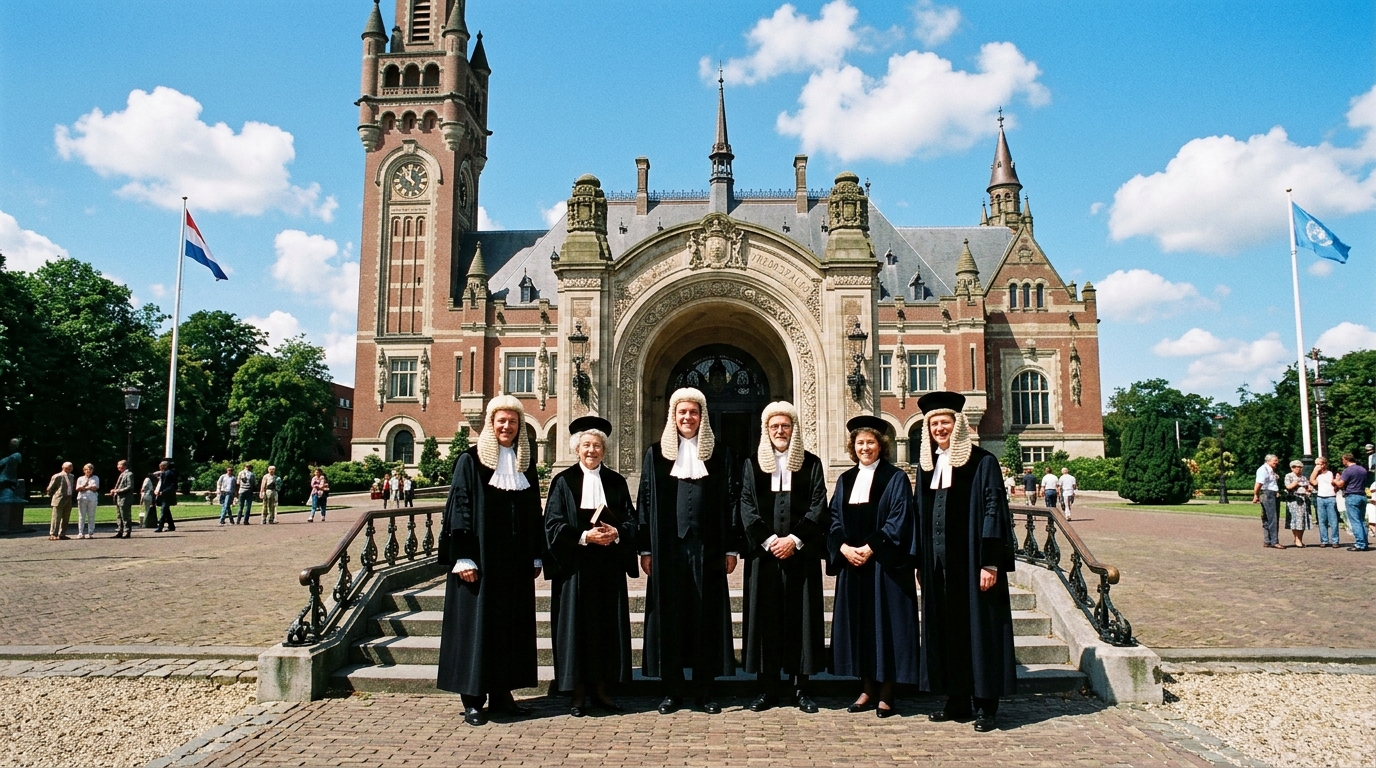
Founding the International Criminal Court 2002: Prosecuting Global Crimes
The entry into force of the Rome Statute in 2002, establishing the first permanent court for genocide, crimes against humanity, and war crimes, marked a transformative moment in international law, despite significant geopolitical opposition from the United States and ongoing debates about its jurisdiction and effectiveness.
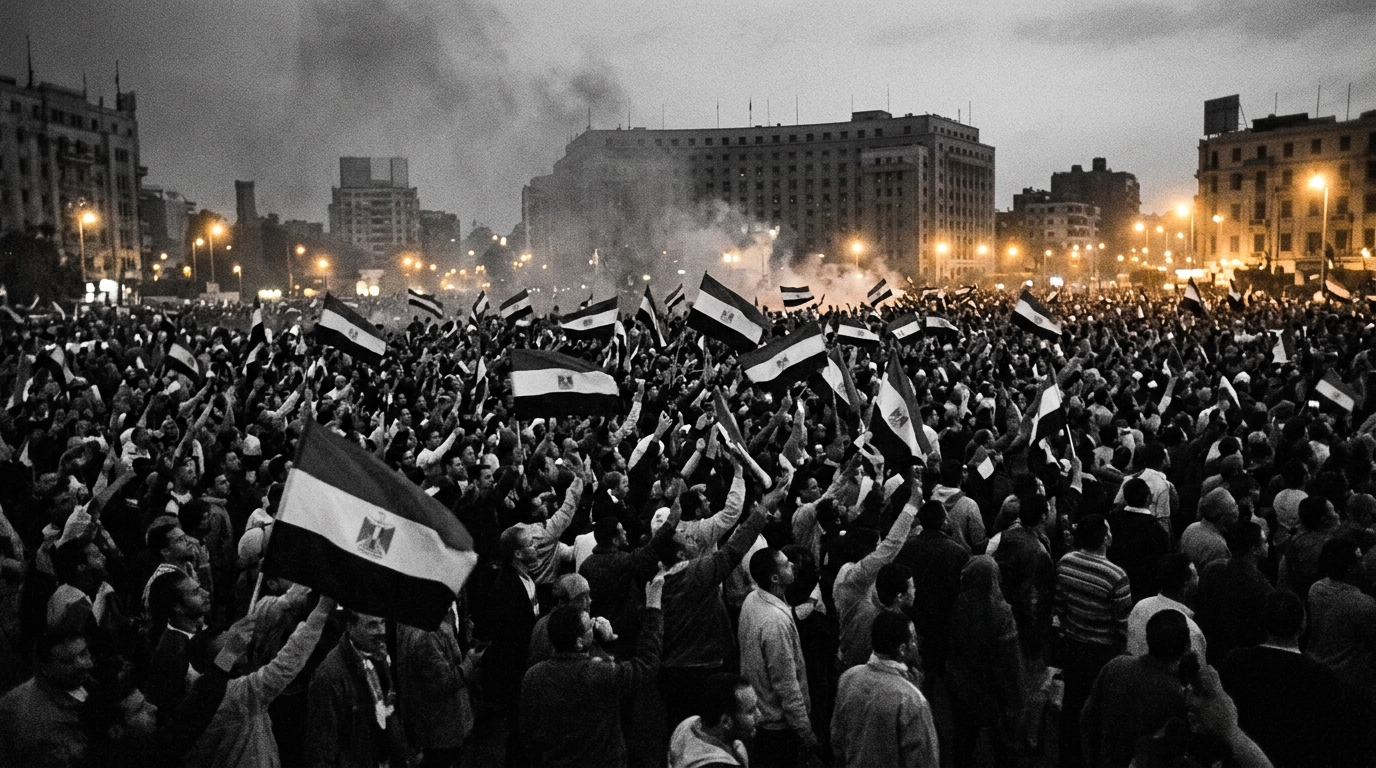
The 2011 Egyptian Revolution: The Fall of Hosni Mubarak on Tahrir Square
Eighteen days of massive protests on Tahrir Square that forced Mubarak's resignation, setting the stage for the rise of the Muslim Brotherhood.
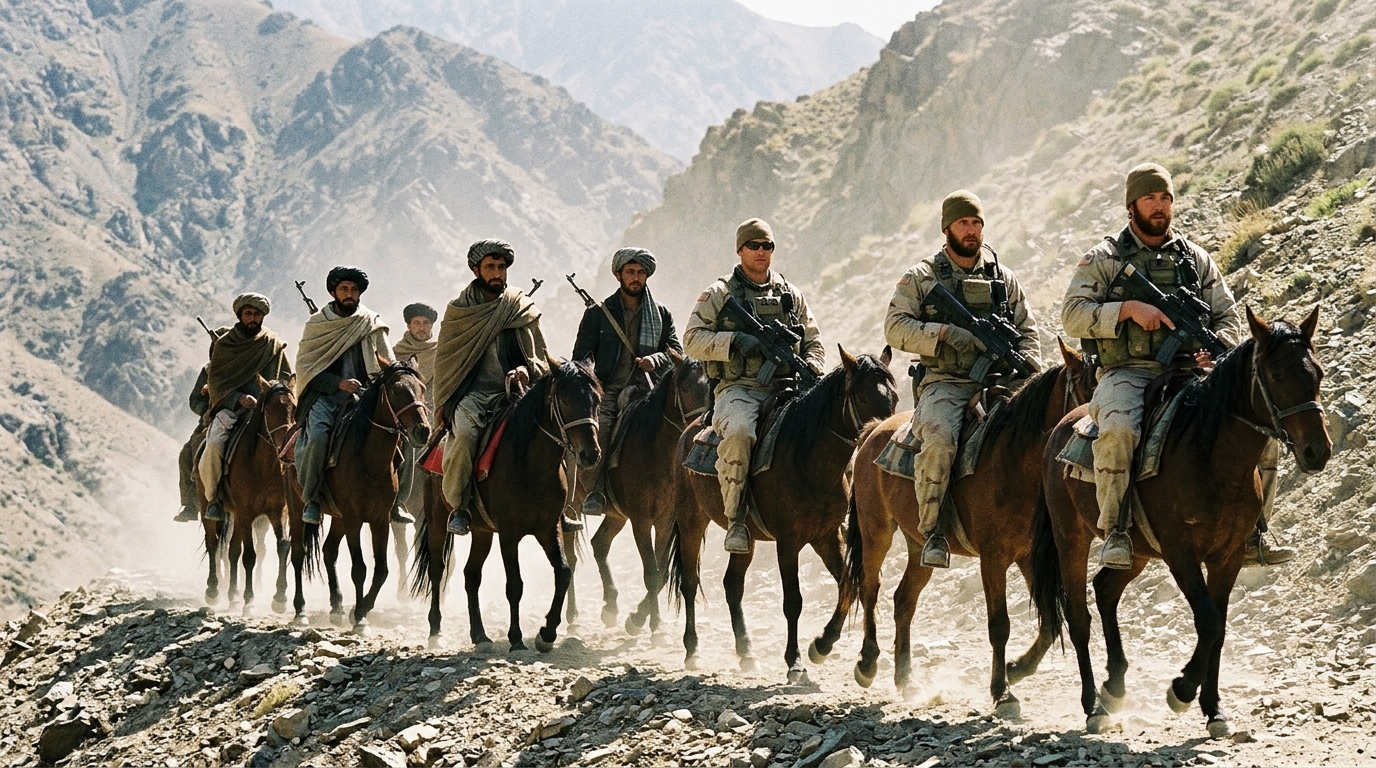
The Invasion of Afghanistan 2001: The Fall of the Taliban and the Longest War
Operation Enduring Freedom: the rapid collapse of the Taliban regime with Northern Alliance ground support, and the installation of a new government. This article details the historical context, military strategy, geopolitical consequences, and long-term legacy of the initial invasion and the subsequent nation-building challenges.
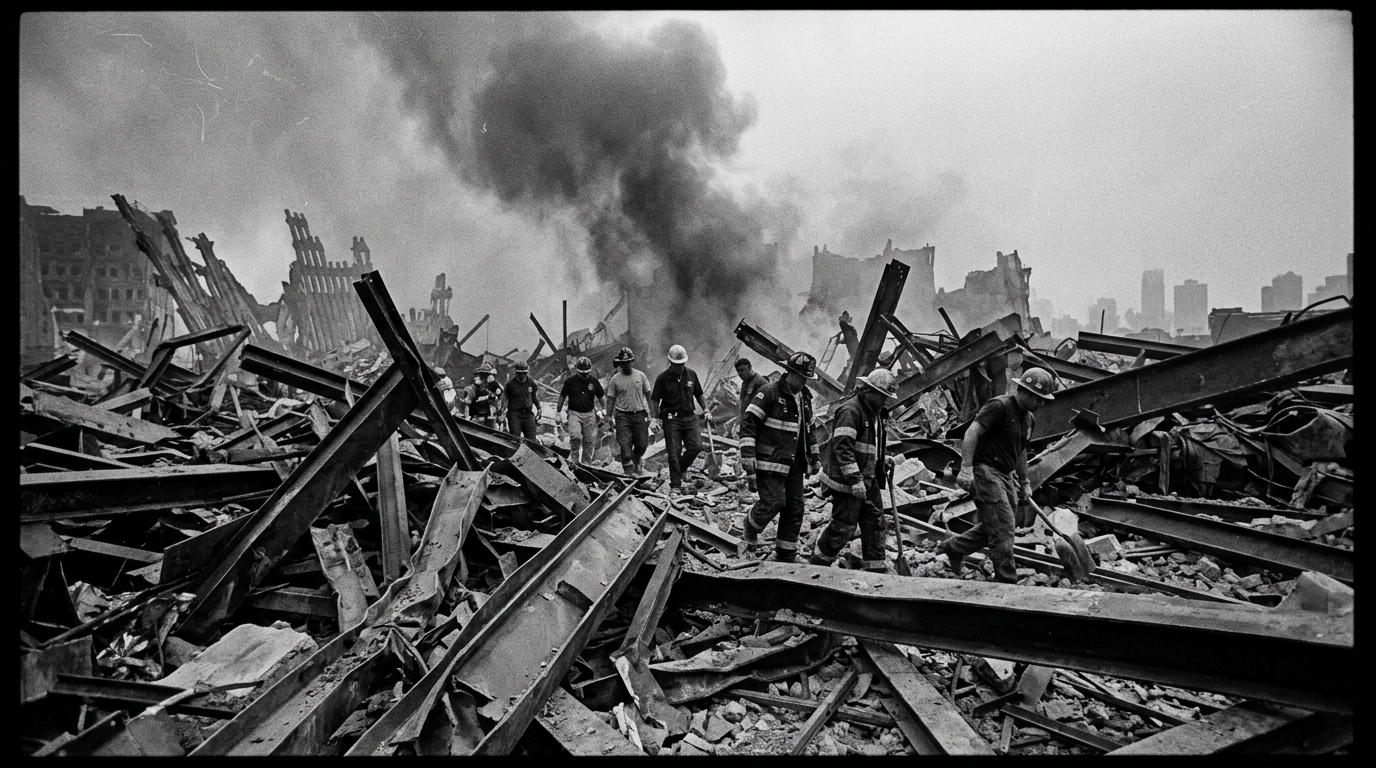
The September 11 Attacks: The Day That Changed Global Geopolitics
Al-Qaeda's terrorist strikes on New York and Washington, initiating the 'War on Terror' and restructuring global security architecture.