Leader: Bashar al-Assad
Geopolitical analyses and chronicles addressing the decisions, influence, and historical impact of Bashar al-Assad.
Published Chronicles & Analyses
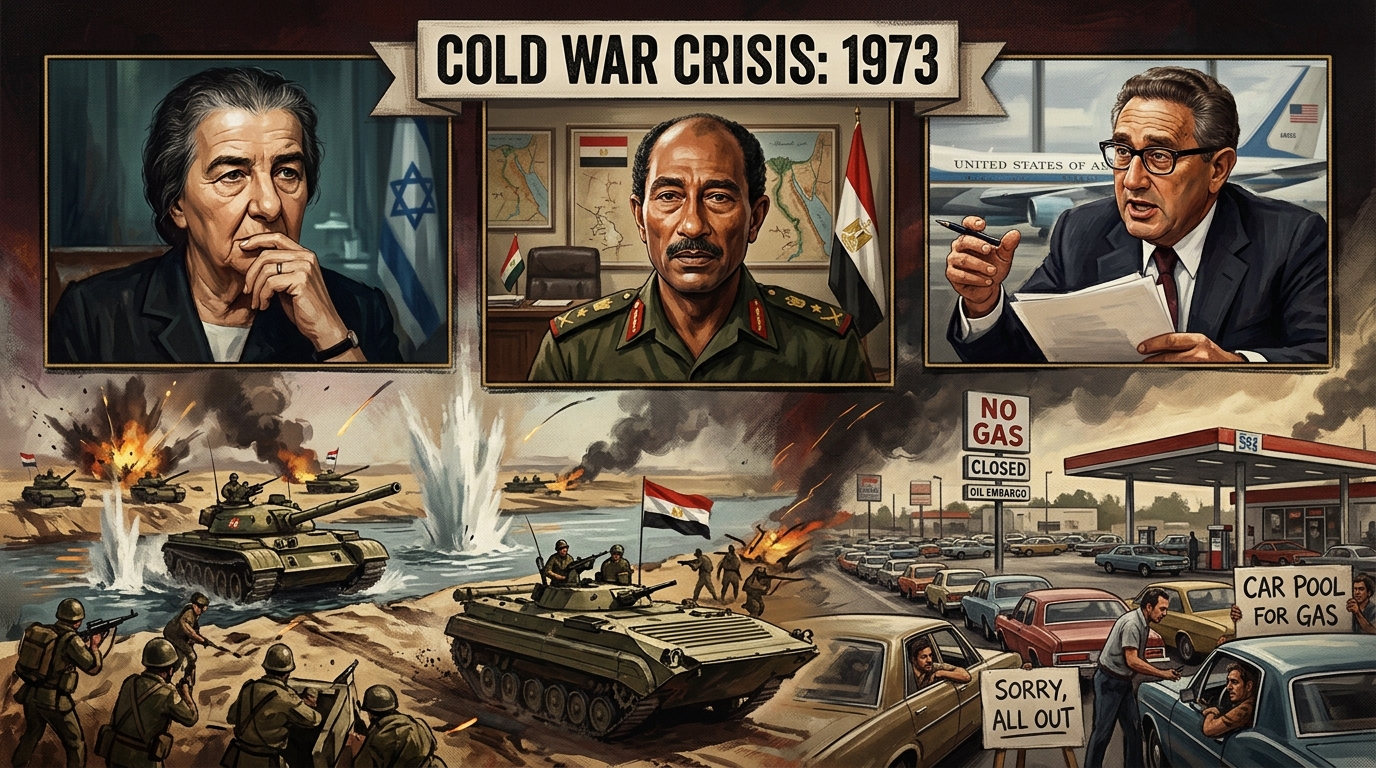
The Yom Kippur War of 1973: Oil Embargo and Superpower Confrontation
The surprise attack on Israel on Yom Kippur, the threat of superpower escalation, and the Arab oil embargo that paralyzed Western economies.
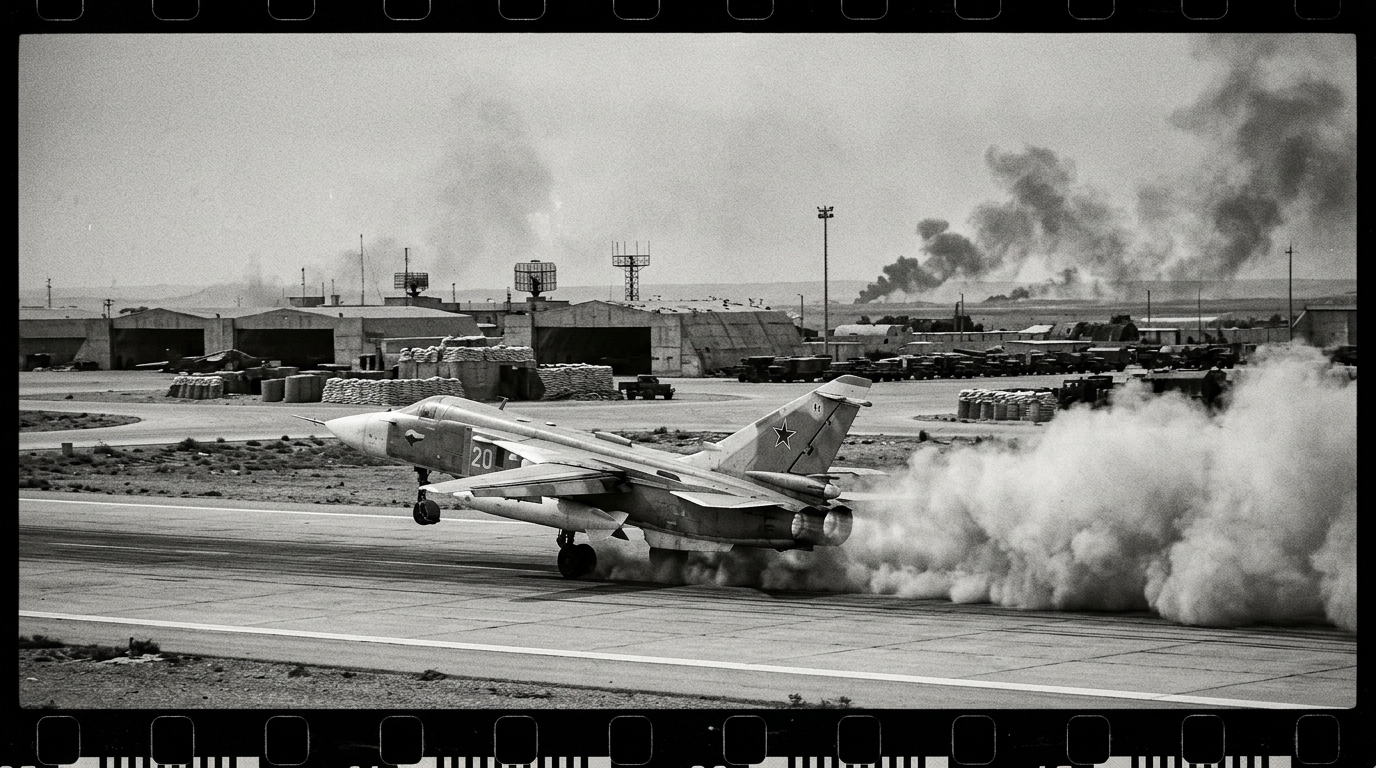
Russia's Military Intervention in Syria 2015: Preserving the Assad Regime
The deployment of Russian air assets to Khmeimim, turning the tide of the war, reclaiming Aleppo and Palmyra, and establishing a lasting presence. This intervention marked a significant geopolitical shift, reasserting Russia's influence and solidifying the Assad regime's survival against a multi-faceted insurgency.

The Rise of ISIS in 2014: Proclaiming the Caliphate and Global Terror
A comprehensive historical and geopolitical analysis of the Islamic State's meteoric rise in 2014, detailing the capture of Mosul, the audacious proclamation of a global caliphate by Abu Bakr al-Baghdadi, and the formation of the international coalition to counter its unprecedented threat. The article explores the deep historical roots, strategic failures, and lasting global implications.
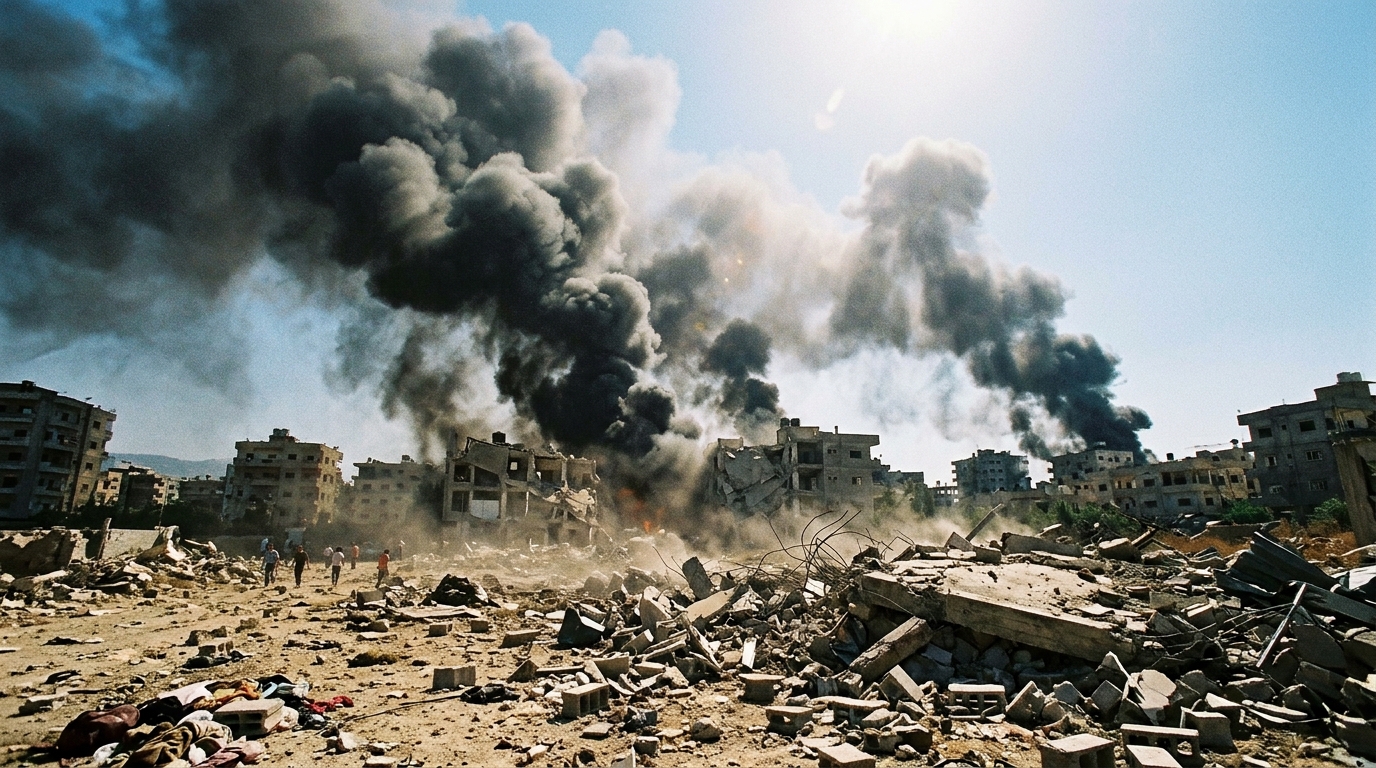
The 2006 Lebanon War: The Israeli Defense Forces vs. Hezbollah
A profound 34-day conflict triggered by a border raid, demonstrating Hezbollah's sophisticated asymmetric resistance against conventional military power and reshaping regional security doctrines.
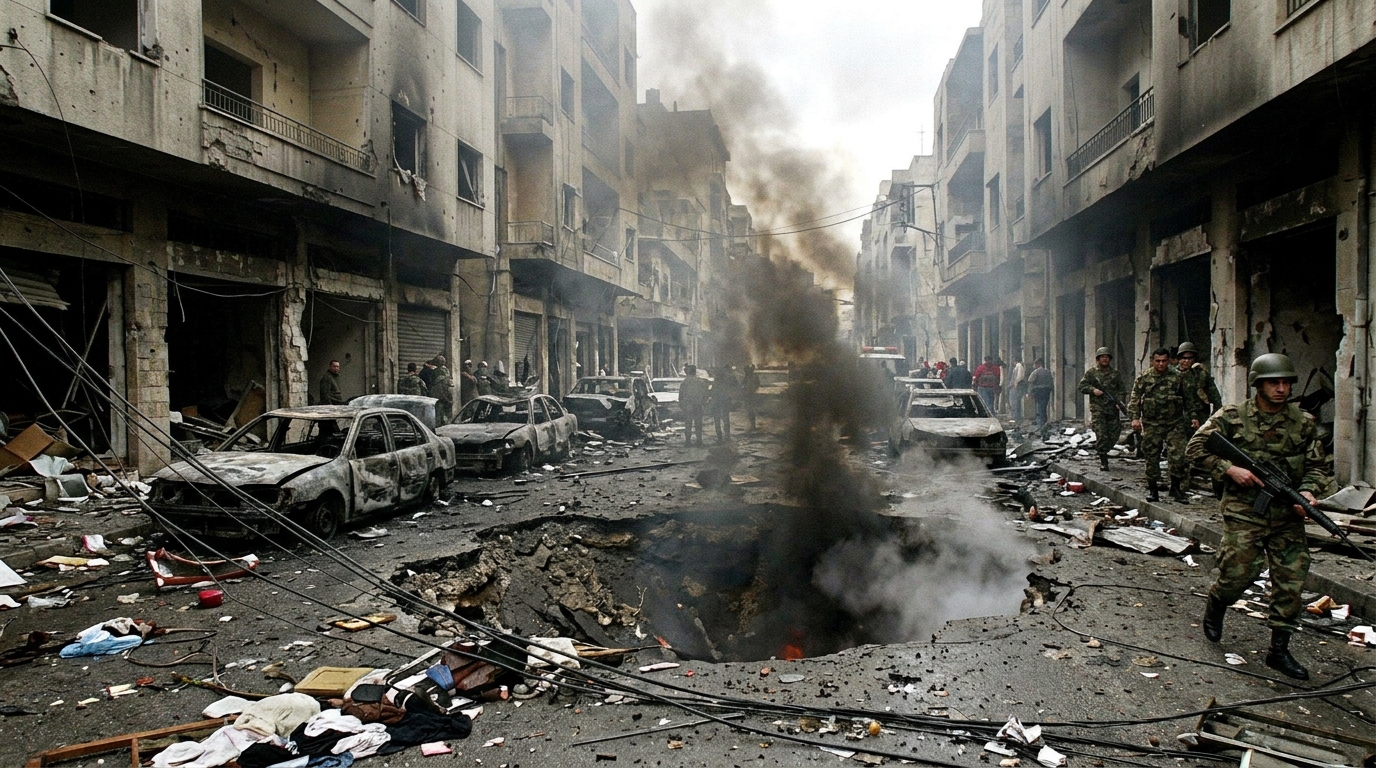
The Assassination of Rafik Hariri 2005: Lebanon's Cedar Revolution
The seismic assassination of former Lebanese Prime Minister Rafik Hariri in 2005, a calculated act of terror, triggered the widespread protests of the Cedar Revolution, irrevocably reshaping Lebanon's political landscape and forcing the dramatic withdrawal of Syrian forces after three decades of military presence. This event exposed deep sectarian divisions, redefined regional alliances, and initiated a landmark international investigation.

The Outbreak of the Syrian Civil War in 2011: From Uprising to Global Proxy War
An in-depth analysis of the Syrian Civil War's origins, tracing the transition from localized pro-democracy protests in Daraa to a nationwide armed insurgency, and its subsequent transformation into a complex multi-sided proxy conflict involving major regional and global powers, with profound geopolitical and humanitarian consequences.
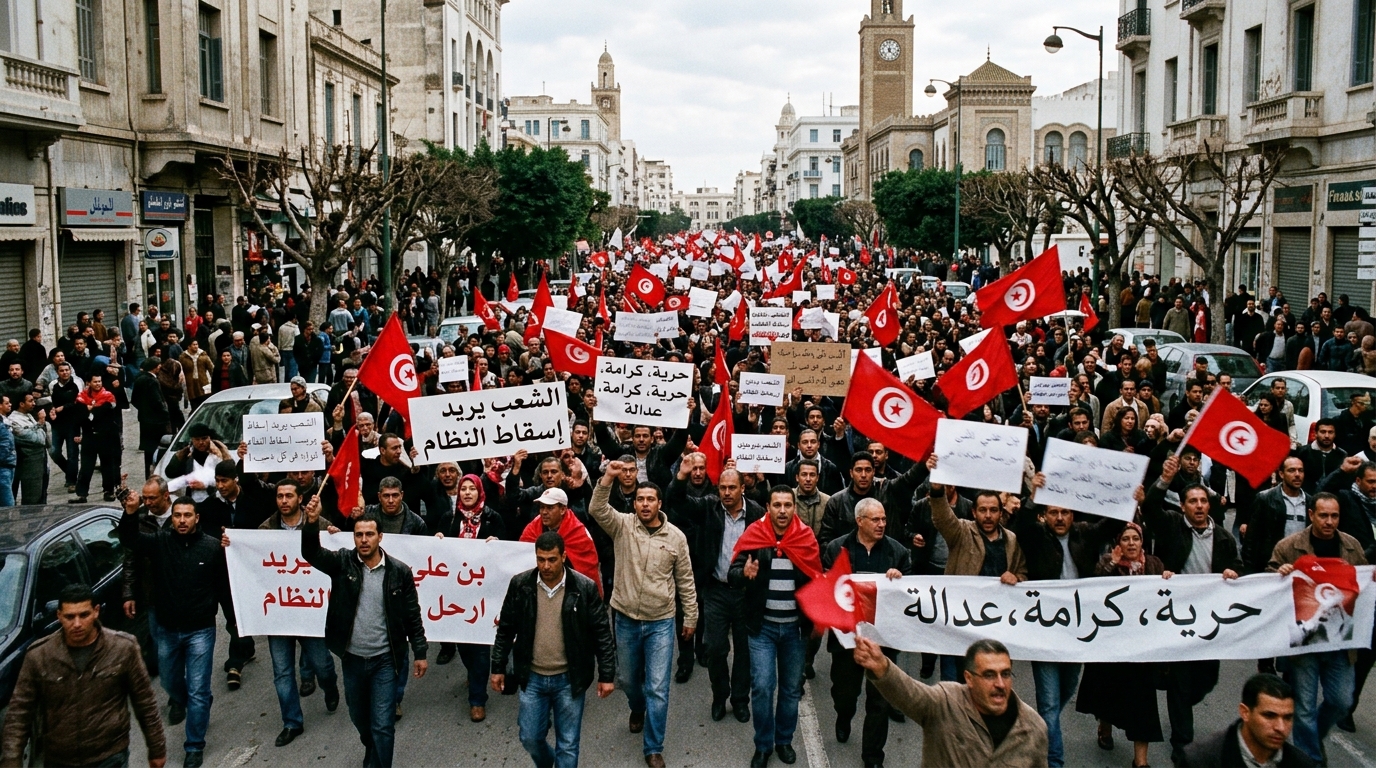
The Tunisian Jasmine Revolution of 2010: Sparks of the Arab Spring
The Tunisian Jasmine Revolution, ignited by the self-immolation of Mohamed Bouazizi, was a watershed moment that exposed deep-seated socio-economic grievances, corruption, and political repression under Zine El Abidine Ben Ali's regime, leading to his dramatic overthrow and triggering a cascade of regional revolts known as the Arab Spring. This expanded analysis delves into the intricate historical context, key actors, tactical shifts, and profound geopolitical ramifications of this pivotal event, highlighting Tunisia's unique, albeit challenging, path toward democratic transition.