Country: Ethiopia
Collection of geopolitical papers, conflicts, and diplomatic crises involving Ethiopia.
Published Chronicles & Analyses
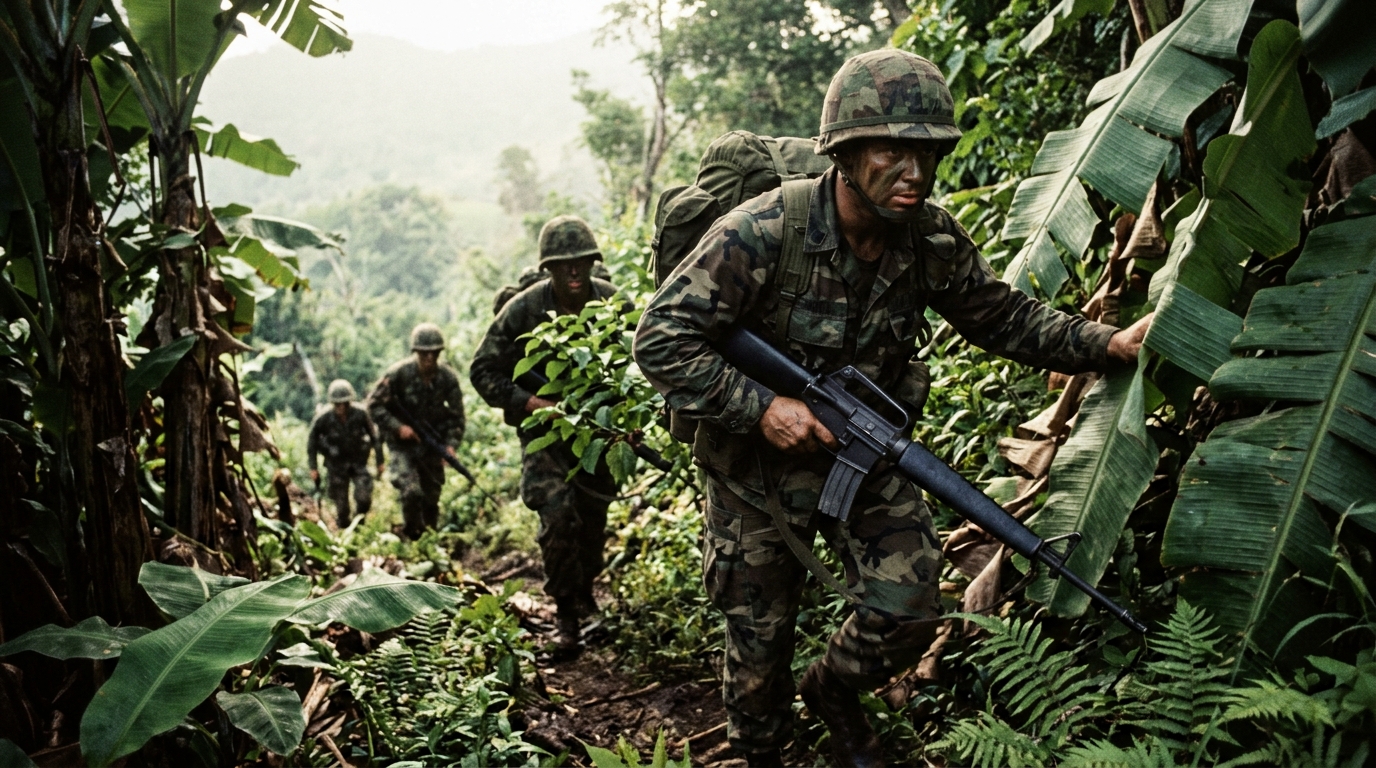
The US Invasion of Grenada in 1983: Operation Urgent Fury
A comprehensive analysis of the swift US military action in Grenada following a Marxist coup, its multifaceted motivations, geopolitical ramifications, and enduring legacy in Cold War strategy and military doctrine.
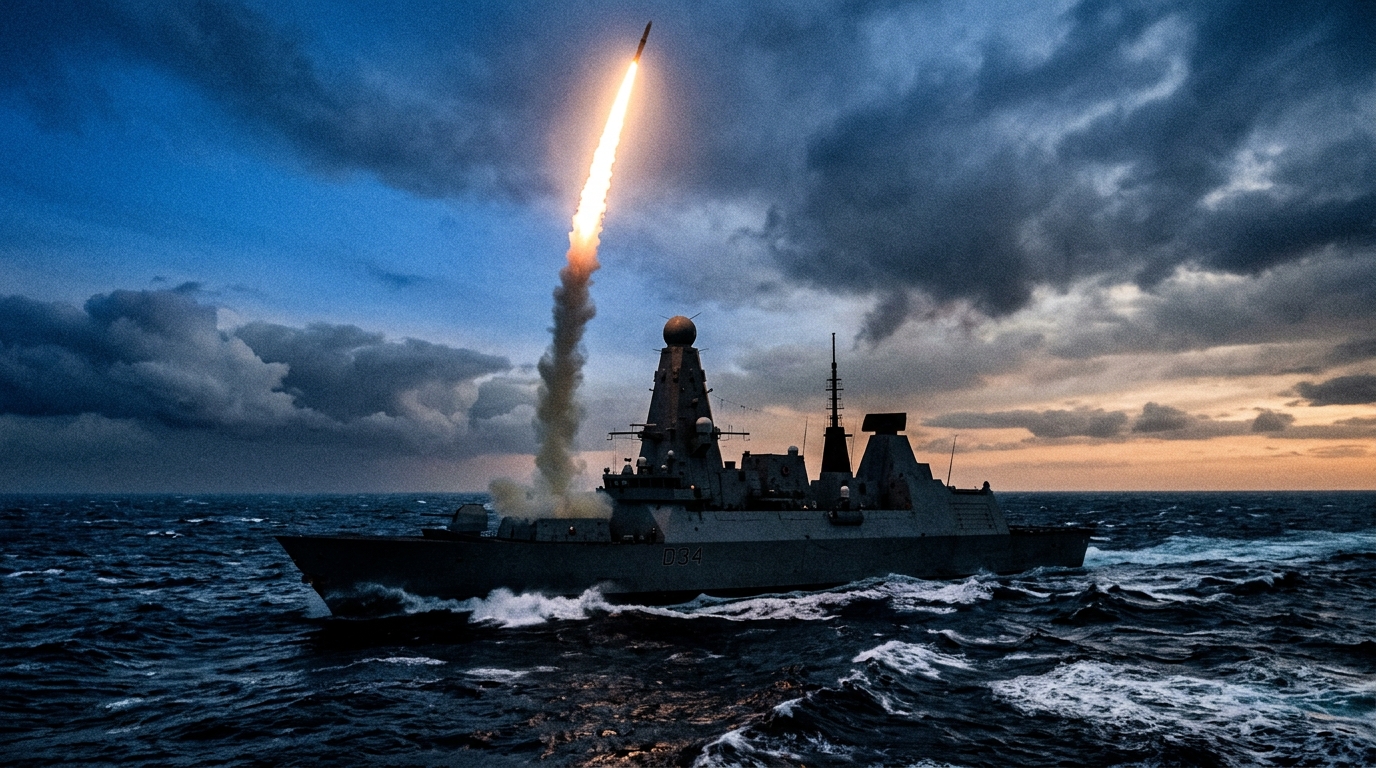
The Red Sea Crisis of 2024: Houthi Shipping Attacks and Suez Disruptions
The 2024 Red Sea crisis, characterized by Houthi missile and drone attacks targeting international shipping, led to significant disruptions in global trade through the Suez Canal and prompted extensive US-led Operation Prosperity Guardian airstrikes in Yemen. This crisis underscored the escalating regional proxy warfare and complex interplay between the Israel-Hamas conflict and maritime security in a critical global chokepoint.
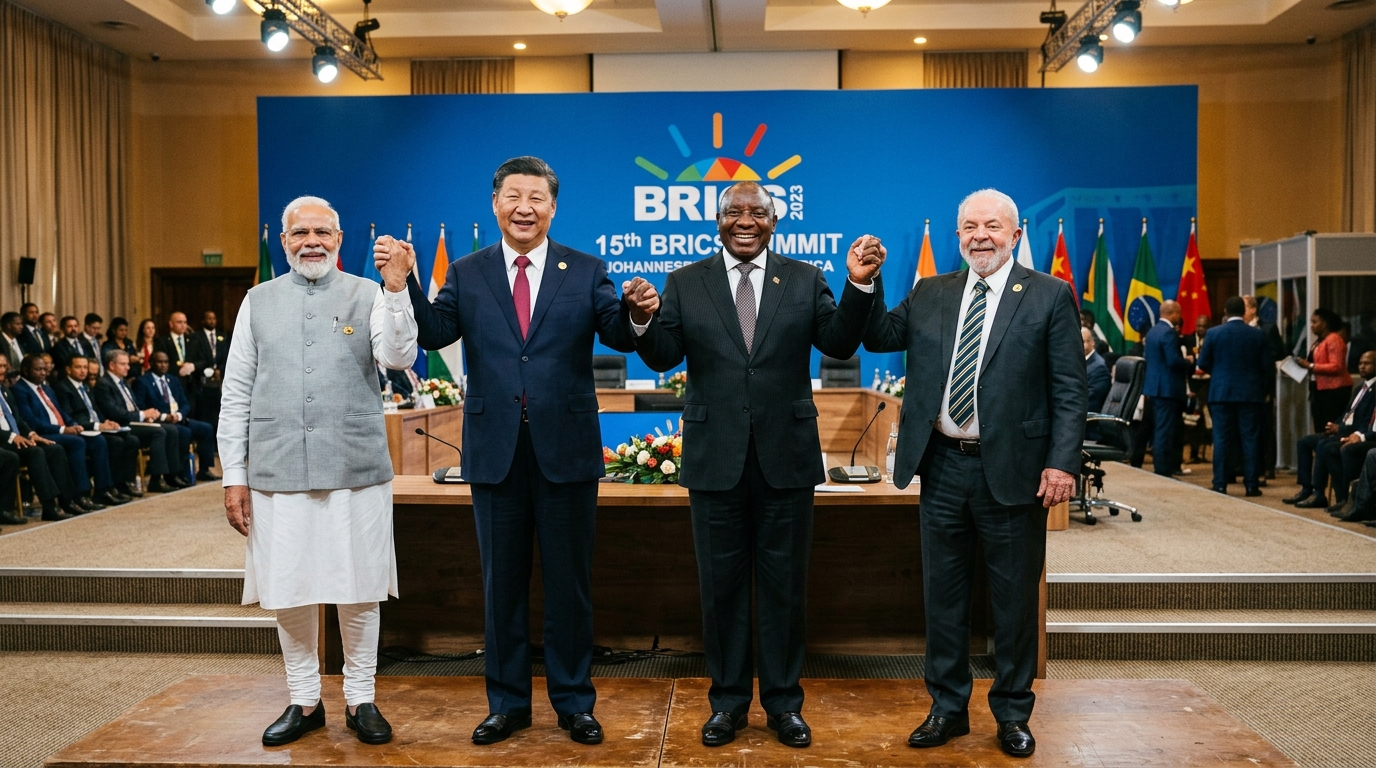
The 2023 BRICS Expansion in Johannesburg: Building a Multipolary Bloc
The admission of Saudi Arabia, Iran, Egypt, and UAE into the bloc, challenging the financial hegemony of G7-led institutions and signaling a significant recalibration of global power structures.
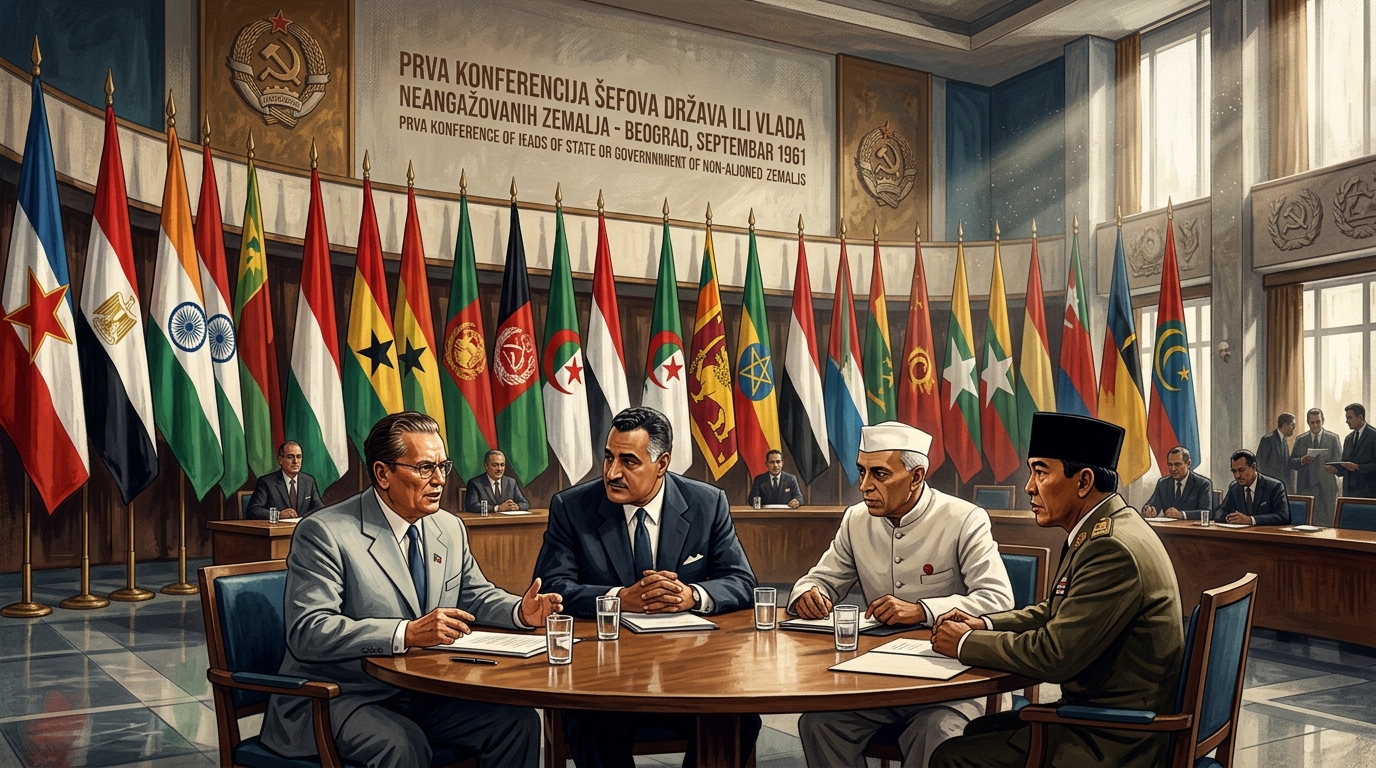
The Belgrade Conference of 1961: Founding the Non-Aligned Movement
The historic summit in Belgrade where 25 nations offered an alternative to the bloc division of the world, creating the Non-Aligned Movement.
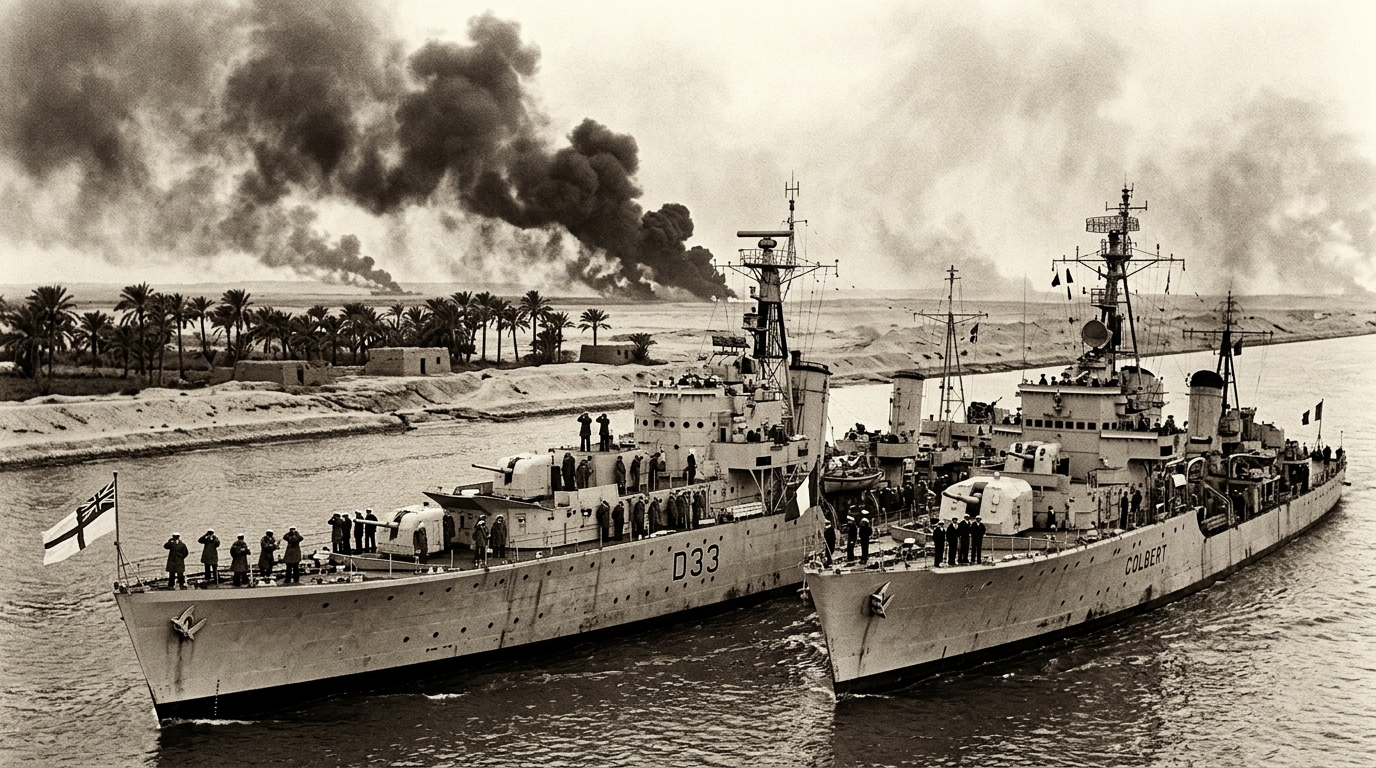
The Suez Crisis of 1956: The Eclipse of Colonial Empires
The Suez Crisis of 1956 was a pivotal geopolitical event, marked by the nationalization of the Suez Canal, a tripartite military intervention by Britain, France, and Israel, and the subsequent diplomatic crisis that irrevocably accelerated the decline of European colonial empires and fundamentally reshaped the Cold War's global dynamics. It exposed the limitations of traditional European power projection and solidified the bipolar world order dominated by the United States and the Soviet Union.
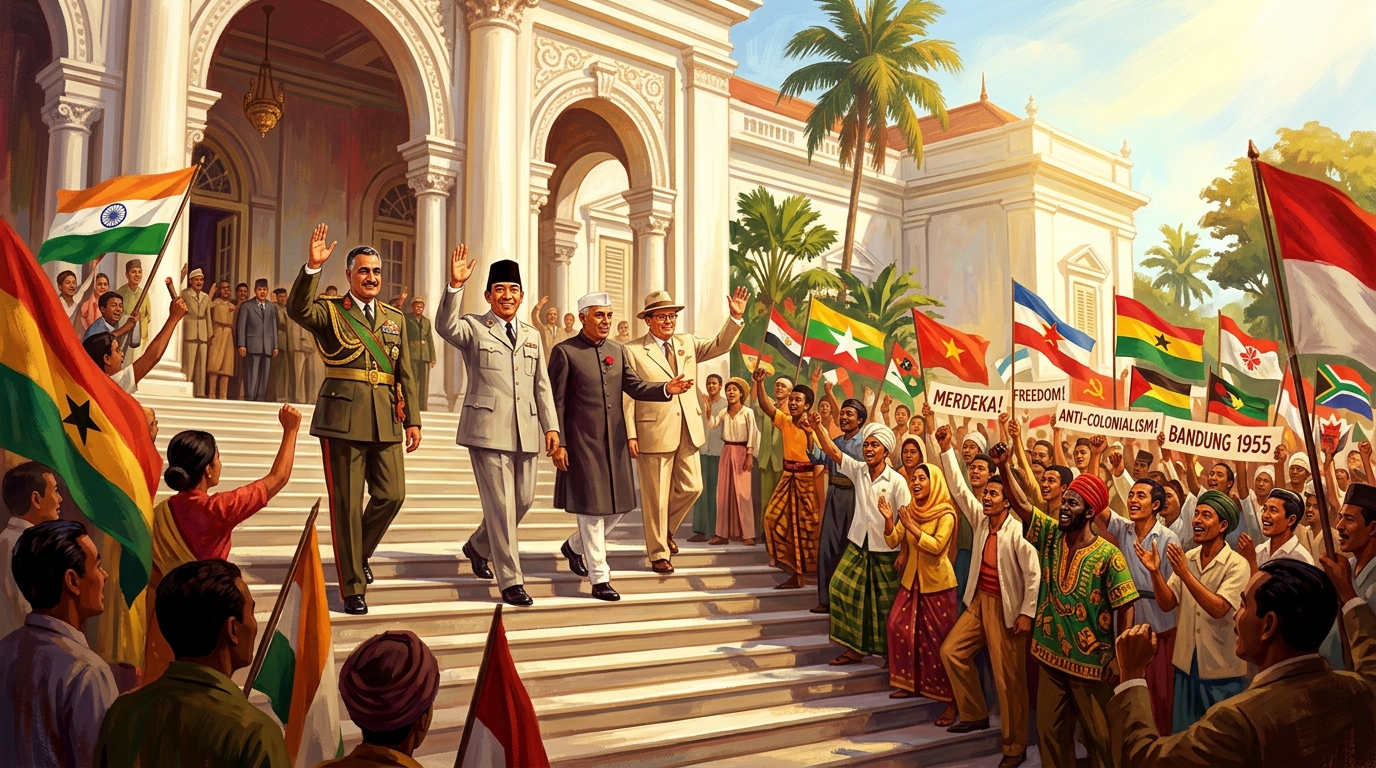
The Bandung Conference of 1955: The Awakening of the Third World
The historic gathering of Asian and African leaders in Indonesia that laid the foundations of anti-colonialism and the Non-Aligned Movement.
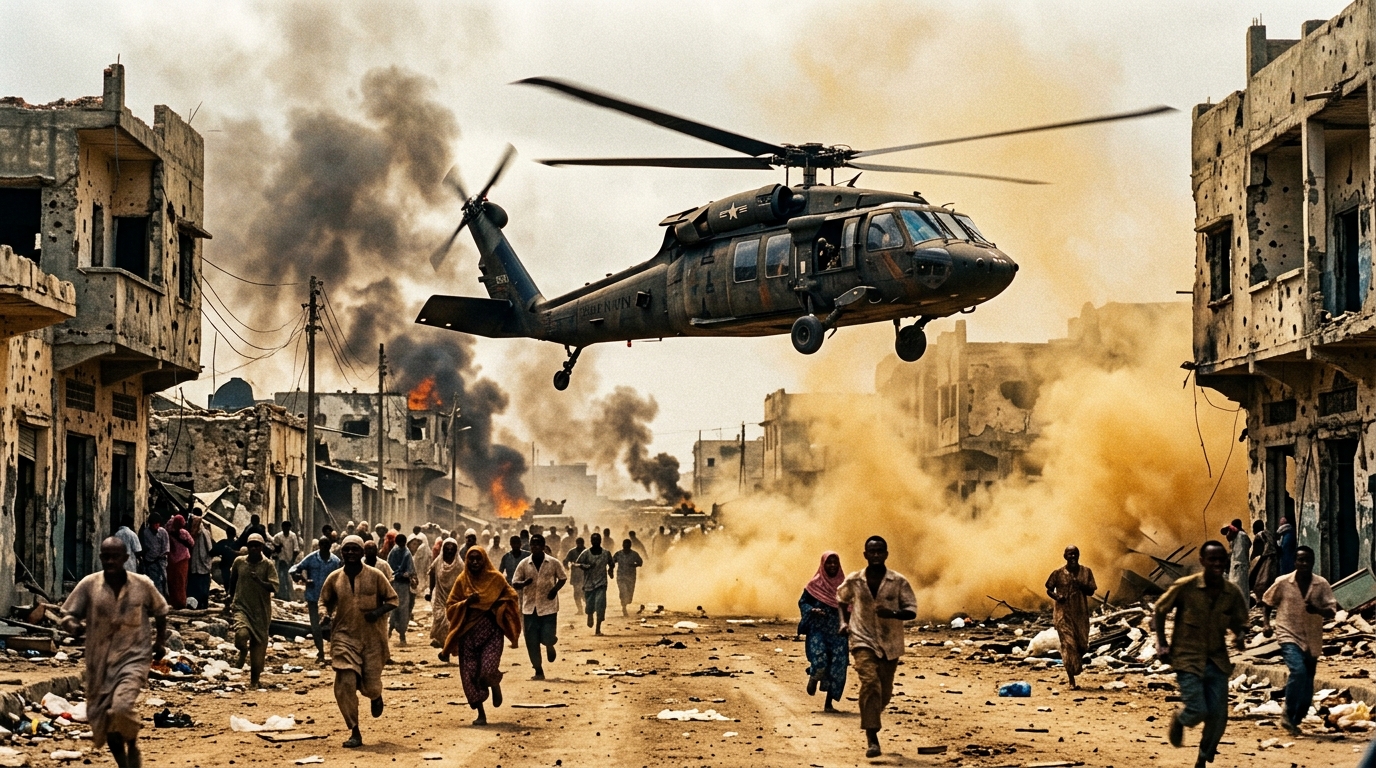
US Intervention in Somalia 1993 and the Battle of Mogadishu
Operation Restore Hope, the shootdown of two US Black Hawk helicopters, and the intense street battle that forced a shift in US intervention policy.