Leader: Muammar Gaddafi
Geopolitical analyses and chronicles addressing the decisions, influence, and historical impact of Muammar Gaddafi.
Published Chronicles & Analyses
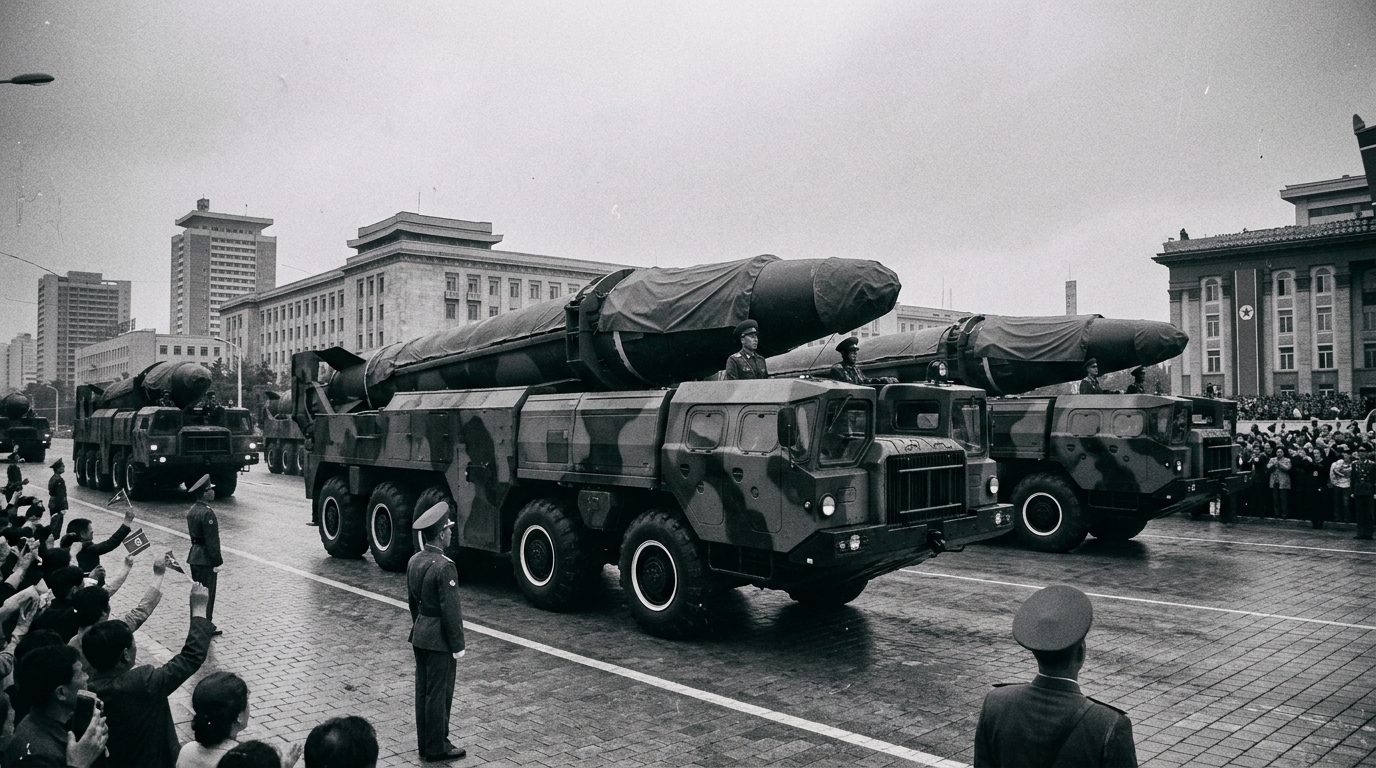
The North Korea Nuclear Crisis of 2017: Fire and Fury Confrontation
An in-depth analysis of the 2017 North Korea nuclear crisis, detailing Pyongyang's unprecedented hydrogen bomb and ICBM tests, President Trump's 'Fire and Fury' threats, the resulting geopolitical realignment, and the subsequent pivot towards high-stakes diplomacy.
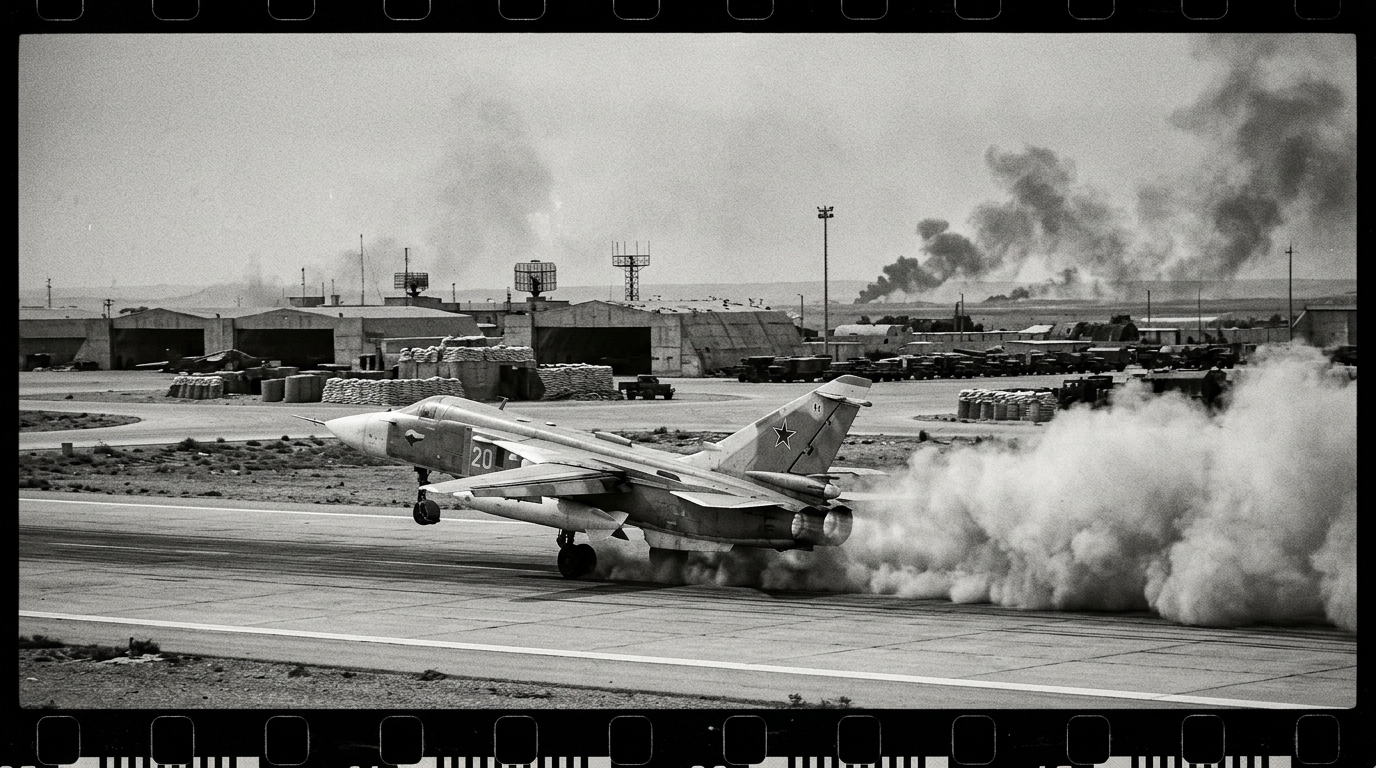
Russia's Military Intervention in Syria 2015: Preserving the Assad Regime
The deployment of Russian air assets to Khmeimim, turning the tide of the war, reclaiming Aleppo and Palmyra, and establishing a lasting presence. This intervention marked a significant geopolitical shift, reasserting Russia's influence and solidifying the Assad regime's survival against a multi-faceted insurgency.
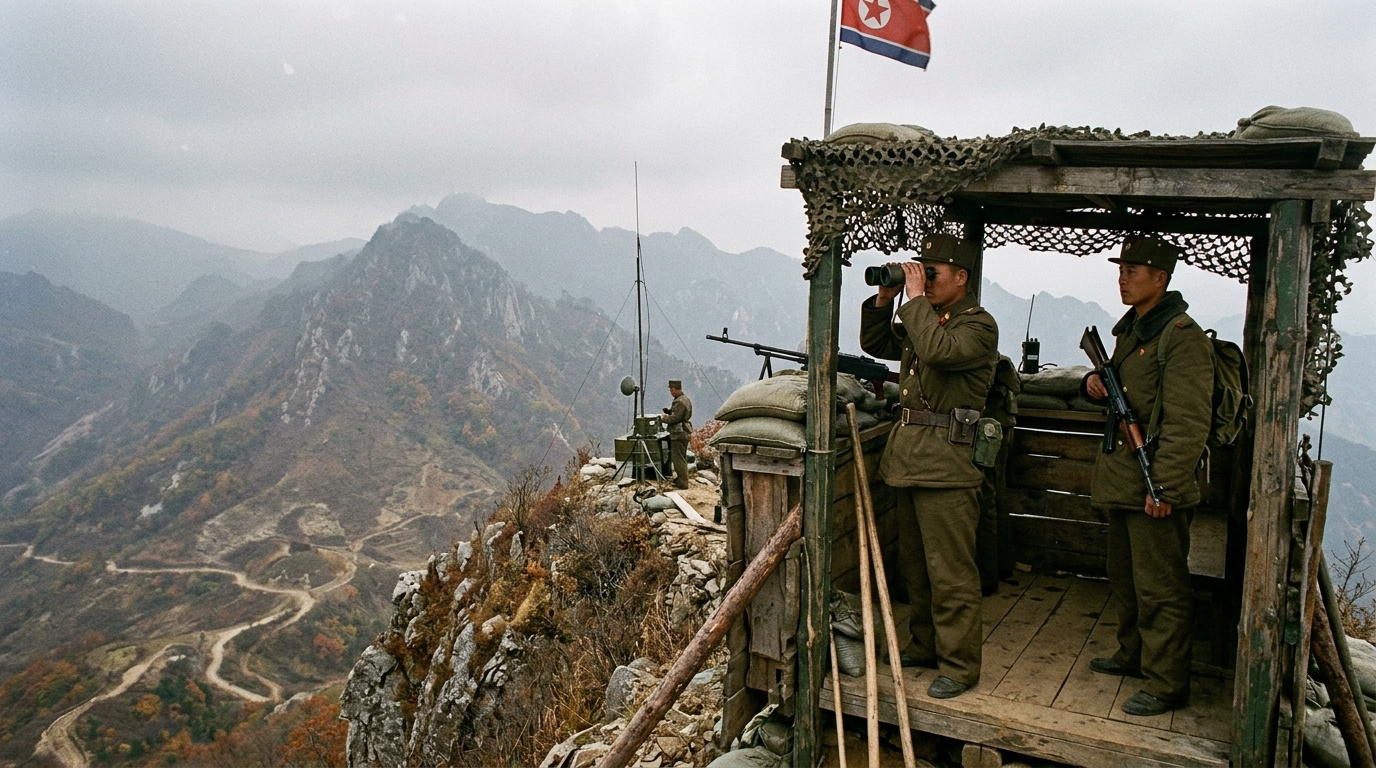
North Korea's First Nuclear Test in 2006: Joining the Atomic Club
Pyongyang's seismic 2006 underground nuclear explosion defied international warnings, shattered diplomatic frameworks, and profoundly reshaped the security architecture of Northeast Asia and the global non-proliferation landscape, marking North Korea's irreversible emergence as a de facto nuclear state.
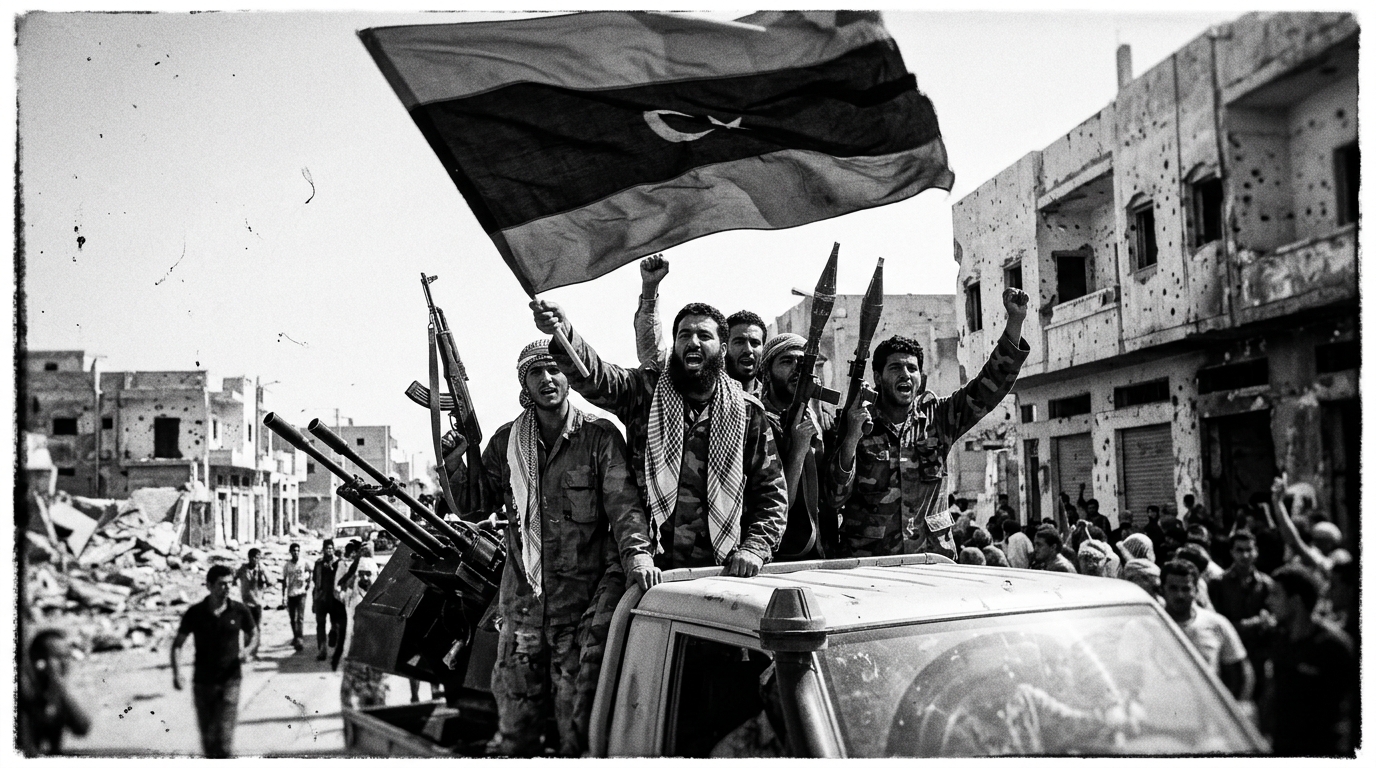
The Libyan Civil War of 2011: NATO Intervention and the Death of Gaddafi
An in-depth analysis of the 2011 Libyan Civil War, detailing Gaddafi's 42-year rule, the Arab Spring's catalyst, the NATO air intervention under the 'Responsibility to Protect' doctrine, the controversial capture and death of Muammar Gaddafi, and the profound, long-term geopolitical and humanitarian instability that followed his regime's collapse.
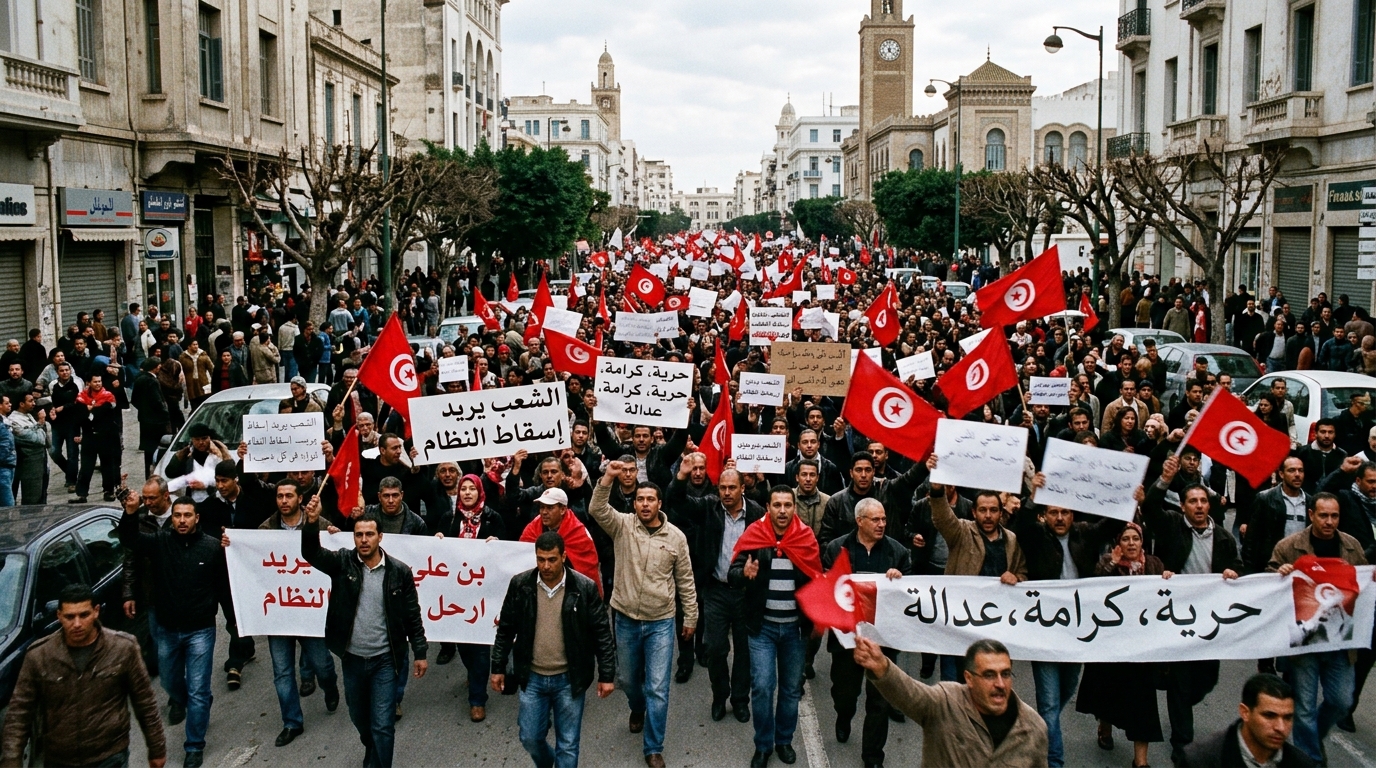
The Tunisian Jasmine Revolution of 2010: Sparks of the Arab Spring
The Tunisian Jasmine Revolution, ignited by the self-immolation of Mohamed Bouazizi, was a watershed moment that exposed deep-seated socio-economic grievances, corruption, and political repression under Zine El Abidine Ben Ali's regime, leading to his dramatic overthrow and triggering a cascade of regional revolts known as the Arab Spring. This expanded analysis delves into the intricate historical context, key actors, tactical shifts, and profound geopolitical ramifications of this pivotal event, highlighting Tunisia's unique, albeit challenging, path toward democratic transition.