Leader: Hosni Mubarak
Geopolitical analyses and chronicles addressing the decisions, influence, and historical impact of Hosni Mubarak.
Published Chronicles & Analyses

The Camp David Accords of 1978: Historical Peace in the Middle East
The intense negotiations at Camp David that led to the first peace treaty between an Arab nation and Israel, brokered by Jimmy Carter.

The Libyan Civil War of 2011: NATO Intervention and the Death of Gaddafi
An in-depth analysis of the 2011 Libyan Civil War, detailing Gaddafi's 42-year rule, the Arab Spring's catalyst, the NATO air intervention under the 'Responsibility to Protect' doctrine, the controversial capture and death of Muammar Gaddafi, and the profound, long-term geopolitical and humanitarian instability that followed his regime's collapse.
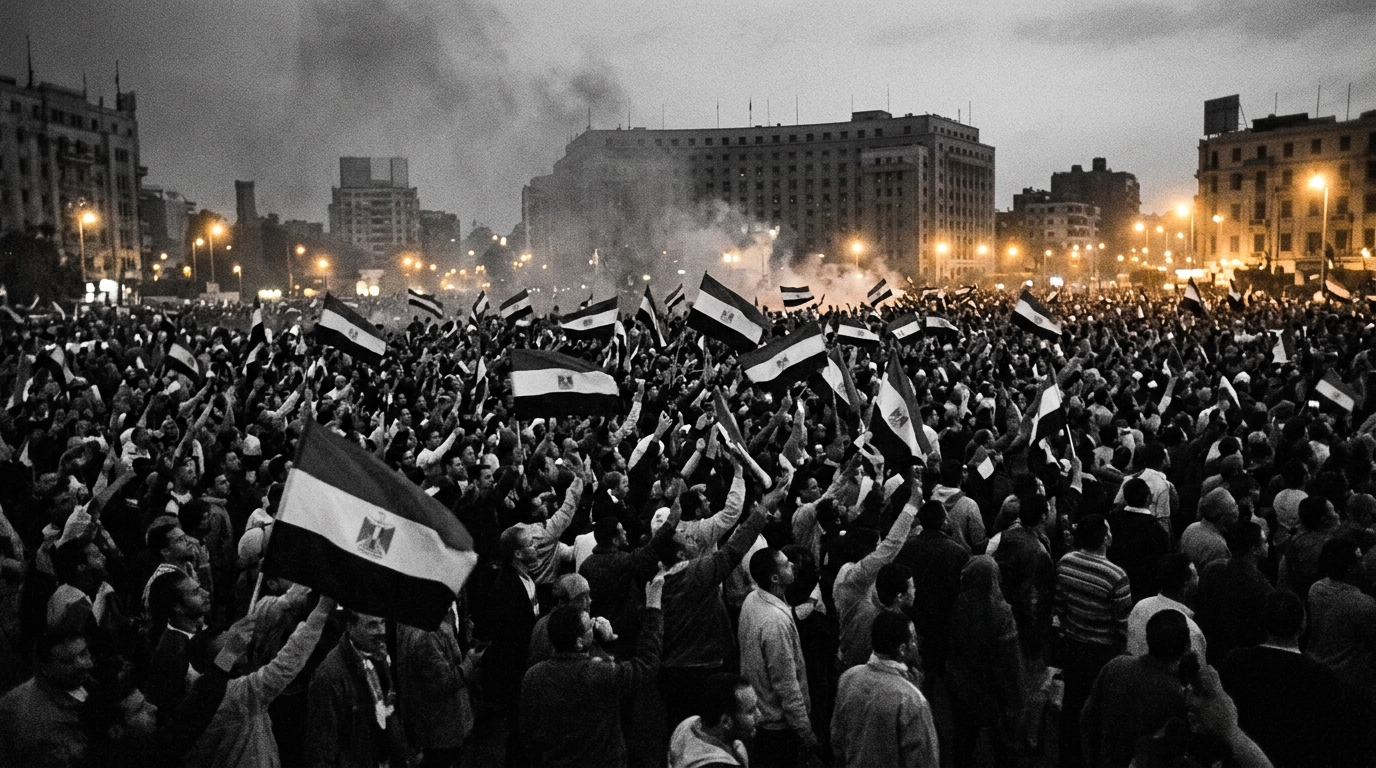
The 2011 Egyptian Revolution: The Fall of Hosni Mubarak on Tahrir Square
Eighteen days of massive protests on Tahrir Square that forced Mubarak's resignation, setting the stage for the rise of the Muslim Brotherhood.
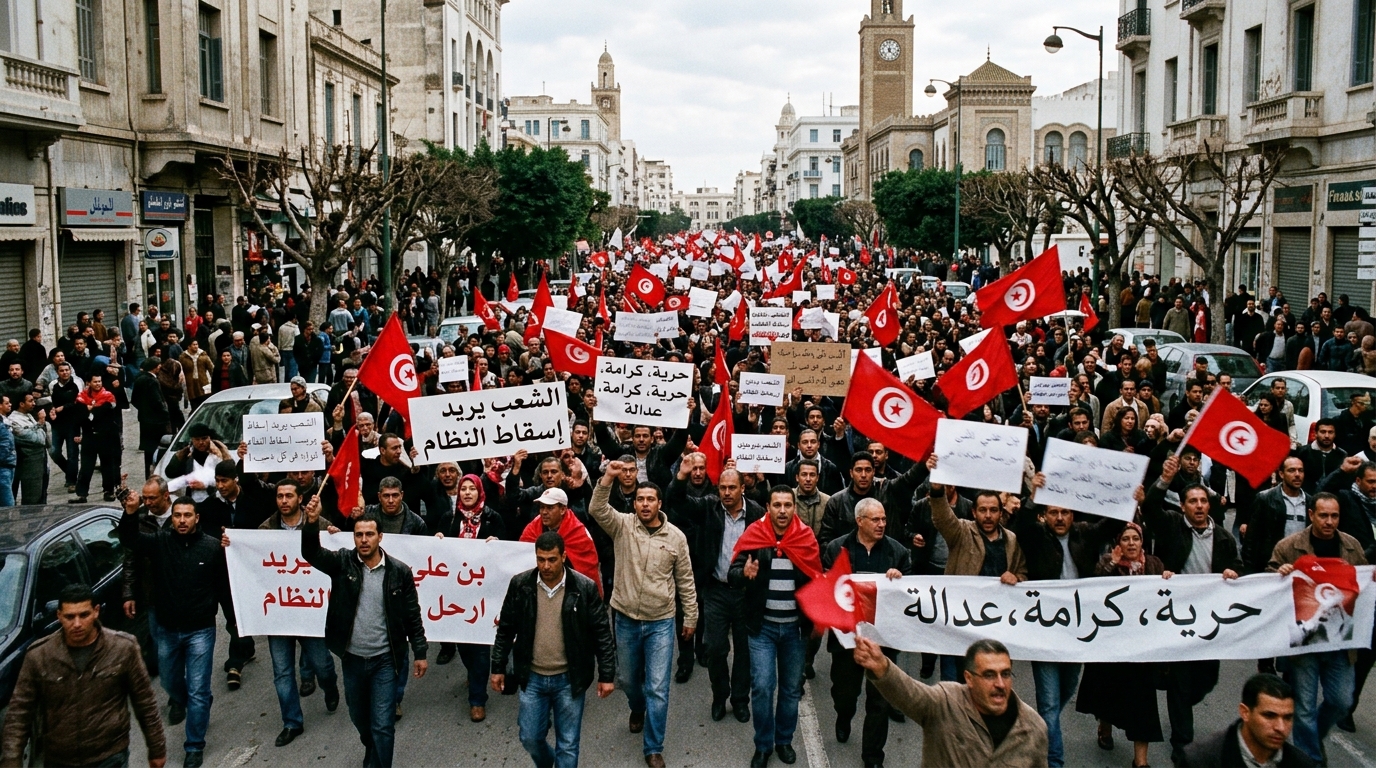
The Tunisian Jasmine Revolution of 2010: Sparks of the Arab Spring
The Tunisian Jasmine Revolution, ignited by the self-immolation of Mohamed Bouazizi, was a watershed moment that exposed deep-seated socio-economic grievances, corruption, and political repression under Zine El Abidine Ben Ali's regime, leading to his dramatic overthrow and triggering a cascade of regional revolts known as the Arab Spring. This expanded analysis delves into the intricate historical context, key actors, tactical shifts, and profound geopolitical ramifications of this pivotal event, highlighting Tunisia's unique, albeit challenging, path toward democratic transition.
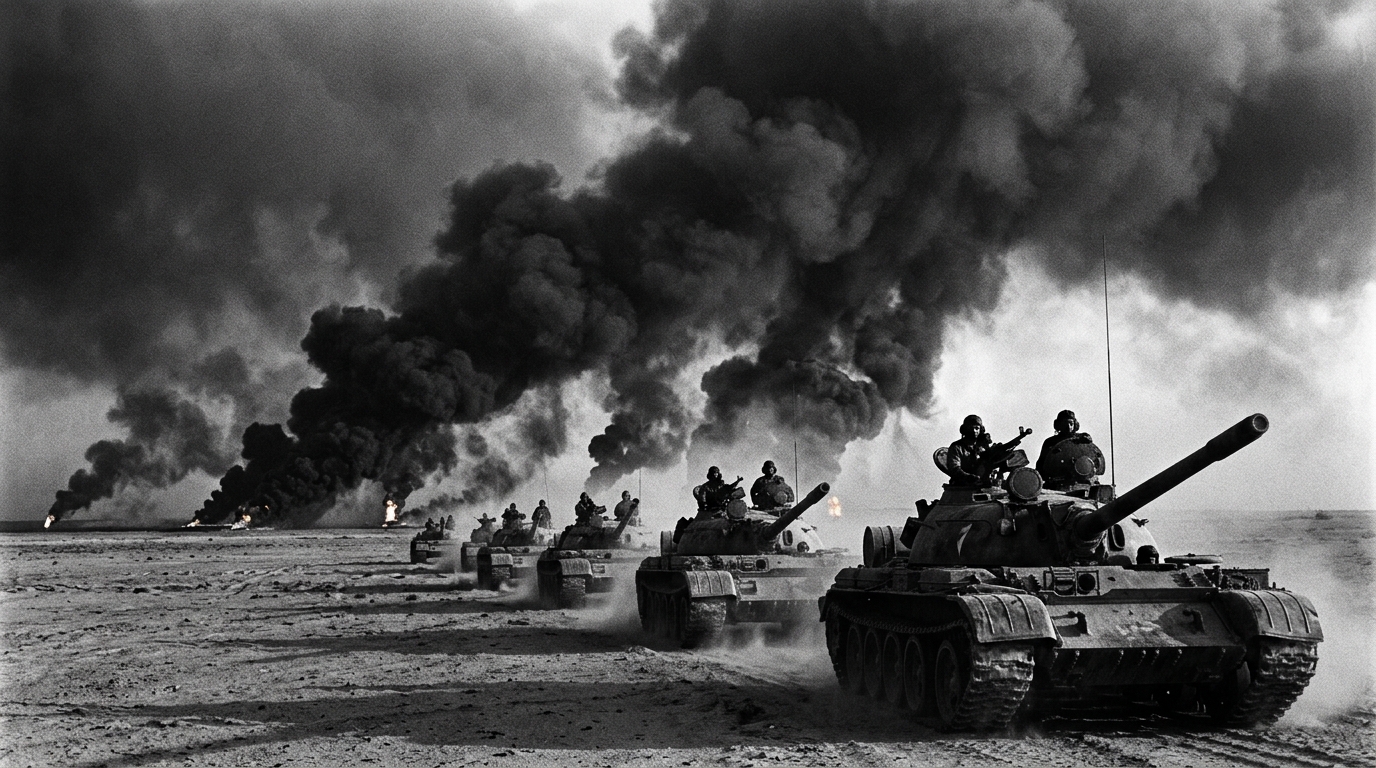
The Gulf War 1990: Saddam's Invasion of Kuwait and the Global Response
How the rapid invasion of Kuwait in August 1990 triggered an unprecedented international coalition and set the stage for Operation Desert Storm.