Leader: Eduard Shevardnadze
Geopolitical analyses and chronicles addressing the decisions, influence, and historical impact of Eduard Shevardnadze.
Published Chronicles & Analyses
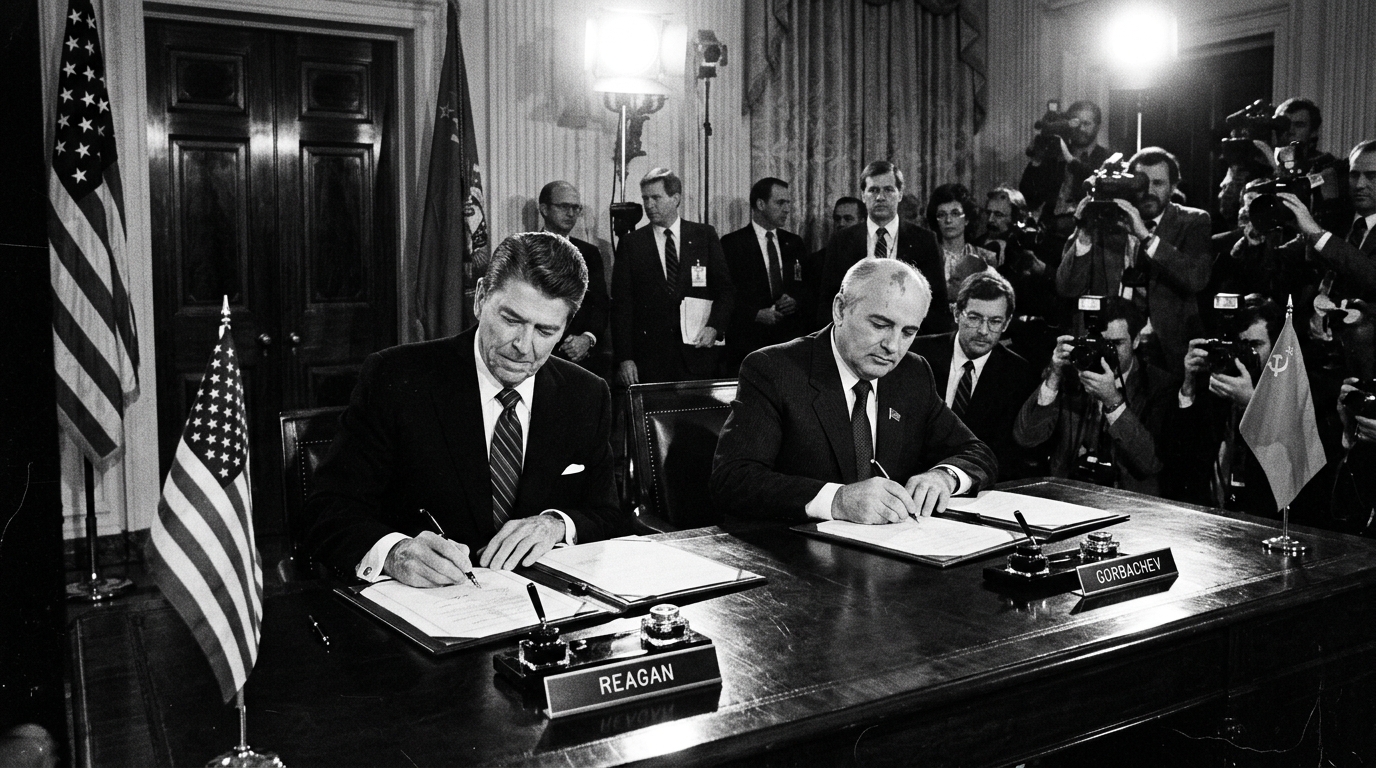
The INF Treaty of 1987: Eliminating an Entire Class of Nuclear Weapons
The signing of the Intermediate-Range Nuclear Forces Treaty in Washington marked a revolutionary moment in arms control, as the first agreement for the actual reduction and destruction of an entire class of existing nuclear weapon systems between the United States and the Soviet Union, fundamentally reshaping the late Cold War geopolitical landscape.
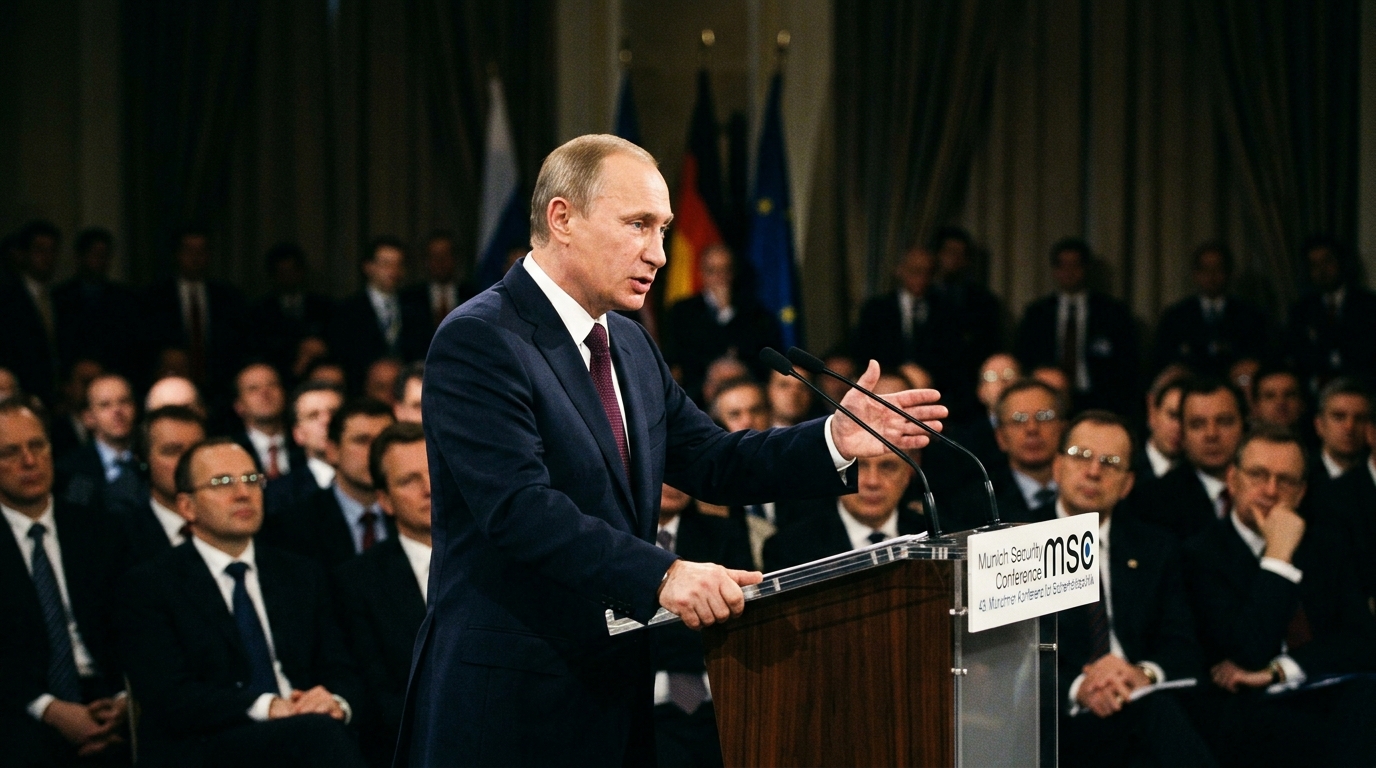
Vladimir Putin's 2007 Munich Speech: The Rejection of the Unipolar World
Vladimir Putin's landmark 2007 address at the Munich Security Conference, where he vehemently criticized perceived US dominance and unilateralism, is widely regarded as a pivotal moment marking Russia's definitive break from post-Cold War integration with the West and the formal articulation of a new, confrontational foreign policy centered on multipolarity. This speech laid the groundwork for Russia's assertive actions in the subsequent decades.
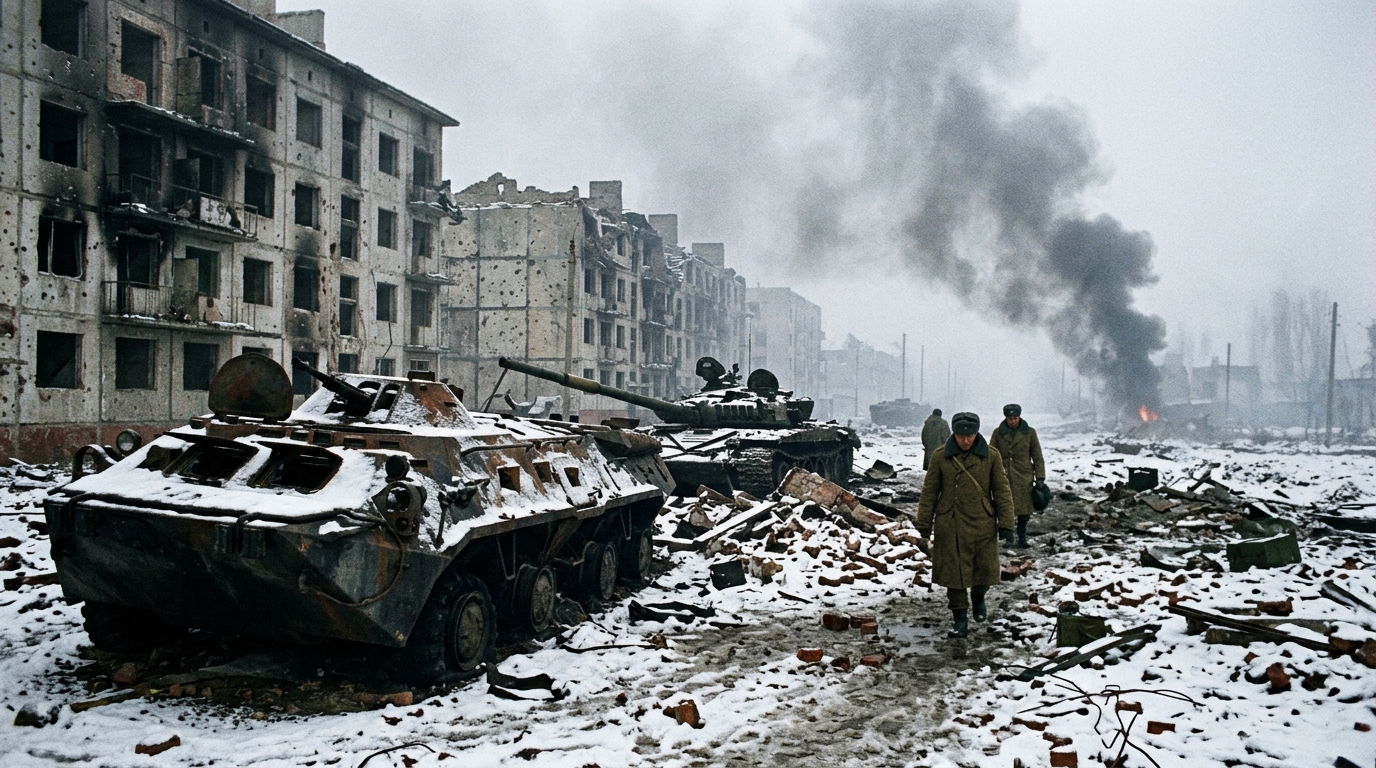
The First Chechen War 1994-1996: The Battle of Grozny and Russian Defeat
Yeltsin's decision to suppress Chechen independence by force, the disastrous losses in Grozny, and the humiliating Khasavyurt Accord.
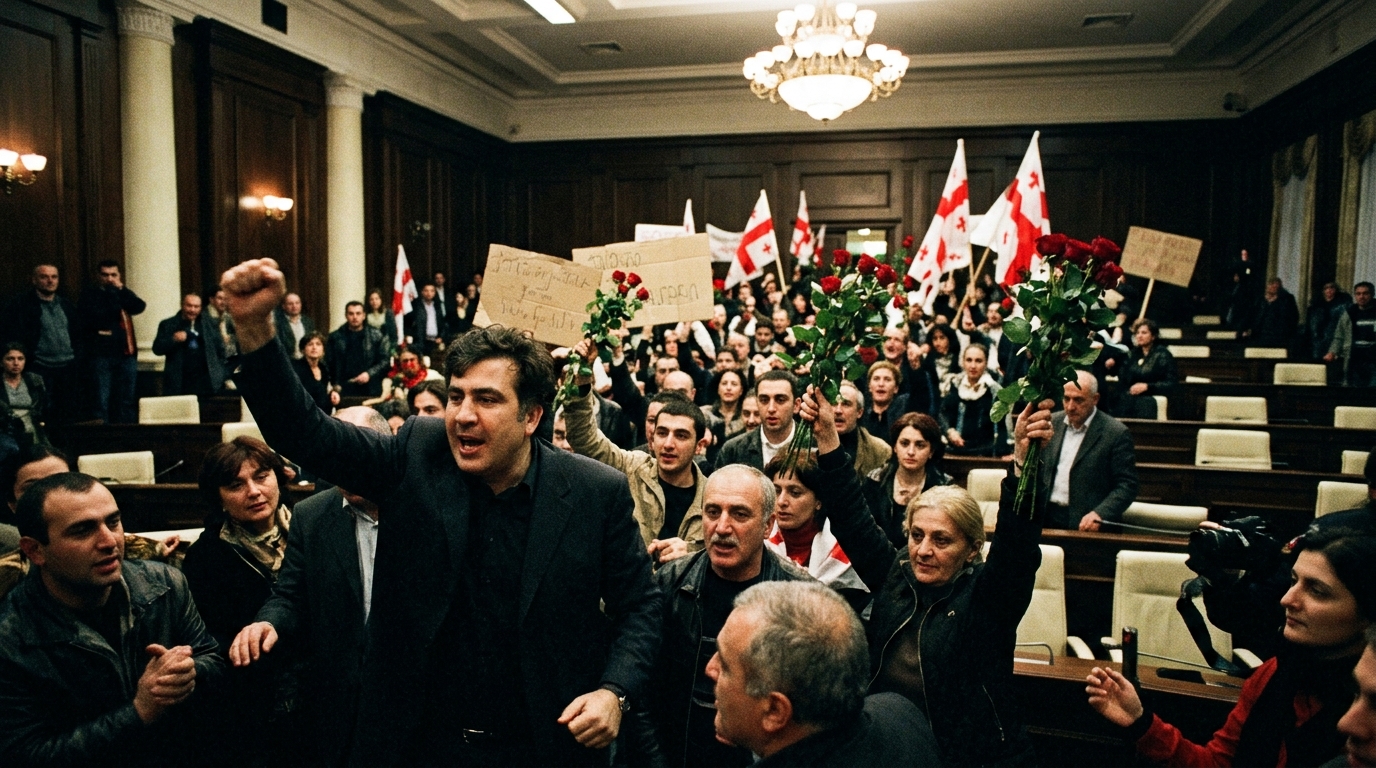
The Rose Revolution in Georgia 2003: The First Post-Soviet Color Uprising
A detailed analysis of the peaceful protests led by Mikheil Saakashvili that culminated in the ousting of Eduard Shevardnadze, marking a pivotal shift in Tbilisi's geopolitical orientation towards the West and fundamentally reshaping its relationship with Moscow. This article explores the historical context, key actors, tactical brilliance, geopolitical implications, and enduring legacy of the Rose Revolution, positioning it as the inaugural 'Color Revolution' in the post-Soviet space.